Pimples during pregnancy can feel deeply rude.
You may have stopped your usual acne products. Your skin may be oilier, drier, more reactive, or all three in the same week. And every bottle suddenly feels like a legal document.
The safest approach is not to panic-buy a new routine. Pregnancy skin care should be gentle, conservative, and coordinated with your OB, midwife, or dermatologist when active ingredients or prescriptions are involved.
This guide is not medical advice for your specific pregnancy. It is a calm framework for what to ask, what to avoid, and how to keep your skin from becoming another full-time job.
Quick answer
Pregnancy pimples are common, often driven by hormonal and oil changes, and should be treated carefully. Start with gentle cleansing, light moisturizer, sunscreen, and fewer product changes. Mayo Clinic notes that benzoyl peroxide and azelaic acid are among options often considered during pregnancy, while oral isotretinoin must be avoided. The American Academy of Dermatology advises stopping certain acne medications during pregnancy and talking with an obstetrician or dermatologist before using treatments such as salicylic acid or tretinoin.
When in doubt, ask your care team before applying an active.
Why pregnancy can trigger pimples
Hormones can change oil production, inflammation, and how your skin reacts to products you used to tolerate. Some people break out early. Some break out later. Some stay clear until postpartum.
Common pregnancy breakout patterns include:
- Jawline and chin pimples.
- Chest or back breakouts.
- More clogged pores.
- Tender under-the-skin bumps.
- Red marks that linger longer.
- Skin that feels oily but still dehydrated.
None of this means you are doing skincare wrong. It means your baseline changed.
Start with the boring routine
When pregnancy acne flares, I would rather remove variables than add five new products.
| Step | Morning | Night |
|---|---|---|
| Cleanse | Water rinse or gentle cleanser | Gentle cleanser |
| Treat | Only clinician-cleared active if needed | Only clinician-cleared active if needed |
| Moisturize | Light, fragrance-free moisturizer | Barrier-supportive moisturizer |
| Protect | Broad-spectrum sunscreen | No sunscreen needed |
This is the routine that gives your care team a clean baseline. If you are using ten products, it is harder to know what is helping, what is irritating, and what is unnecessary.
Ingredients to discuss with your clinician
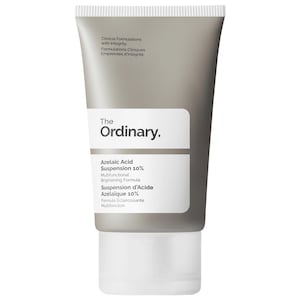
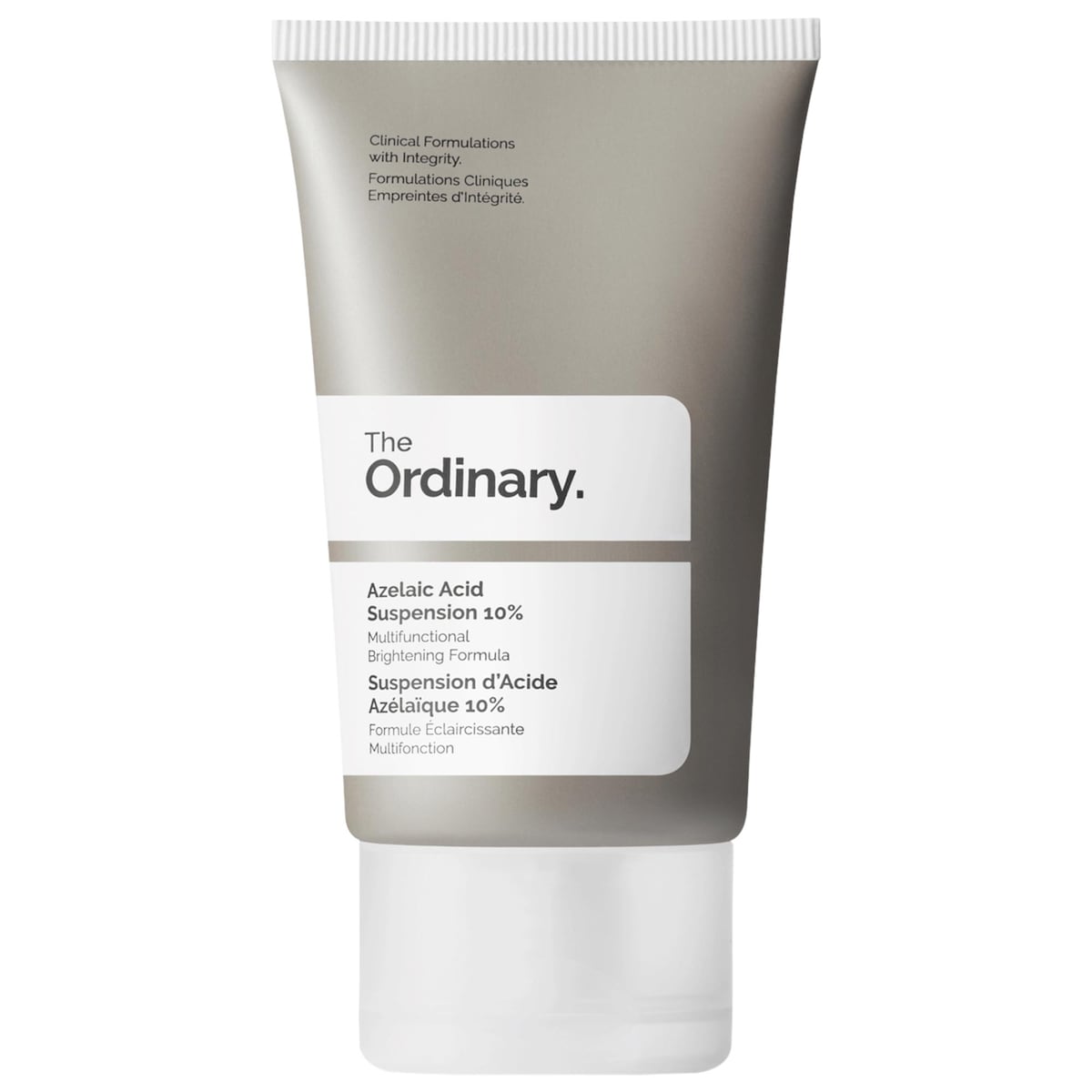
Azelaic acid is often discussed as a pregnancy-compatible acne and redness option. The Ordinary Azelaic Acid Suspension 10% is an example of the kind of product people ask about for blemish-prone skin, but you should still run active use by your pregnancy care team.
Benzoyl peroxide is another ingredient Mayo Clinic lists among options often considered for pregnancy acne. It can be drying and irritating, so more is not better.
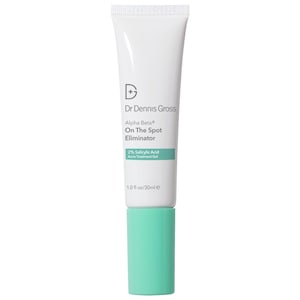
Salicylic acid is more nuanced. AAD says it is generally considered safe when used for a limited time, but recommends talking with your obstetrician or dermatologist before using it during pregnancy.
That is the practical posture: not fear, not casualness, but confirmation.
Ingredients and medications to avoid
Some acne treatments are not pregnancy choices.
Avoid oral isotretinoin during pregnancy. Mayo Clinic and AAD are clear that it can cause serious birth defects. AAD also lists tazarotene and spironolactone among medications not to use during pregnancy.
Most experts recommend stopping tretinoin during pregnancy, according to AAD. Retinoids are a category where you should not improvise.
Also be careful with:
- High-strength exfoliating acids.
- At-home peels.
- Multiple active serums layered together.
- Strong essential oils.
- Unverified supplements marketed for acne.
- Prescription products from before pregnancy.
If you used a prescription before pregnancy, ask whether to stop, switch, or restart later.
What to do with painful pimples
For a tender bump, keep the plan gentle.
Use a warm compress for 10 minutes. Do not squeeze. Use a light moisturizer around the area. If your clinician has approved a spot treatment, use it exactly as directed.
Deep, painful acne that scars is worth a dermatology conversation. Pregnancy does not mean you have to suffer silently. It means the treatment menu needs expert sorting.
If you have a sudden severe breakout with other symptoms, mention it to your care team. Skin can sometimes be one piece of a bigger health picture.
Body pimples during pregnancy
Chest, back, and shoulder breakouts can flare because of sweat, oil, and friction.
Try:
- Showering after sweating.
- Wearing breathable fabrics.
- Changing bras or workout tops promptly.
- Using fragrance-free laundry detergent.
- Avoiding heavy body oils on acne-prone areas.
- Asking before using medicated body washes.
Kiehl's Salicylic Face Wash is a facial acne cleanser example, but pregnancy use of salicylic acid should still be discussed with a clinician. Do not assume a wash-off product is automatically right for you.
Sunscreen matters more than usual
Pregnancy can make discoloration more likely for some people. Acne inflammation plus sun exposure can leave marks that linger.
A daily sunscreen helps protect healing spots. Choose something you tolerate and will actually wear. If your skin is reactive, mineral sunscreens may be worth discussing or trying, but texture matters. A sunscreen that makes you break out and avoid wearing it is not solving the problem.
Remove sunscreen gently at night. Scrubbing can worsen breakouts and irritation.
How to avoid the product spiral
Pregnancy acne can make you want to change everything every three days.
That usually backfires.
Use a simple note system:
- What changed?
- When did the breakout start?
- Where are the pimples?
- Are they itchy, painful, or pus-filled?
- What products touched that area?
- What did your clinician approve?
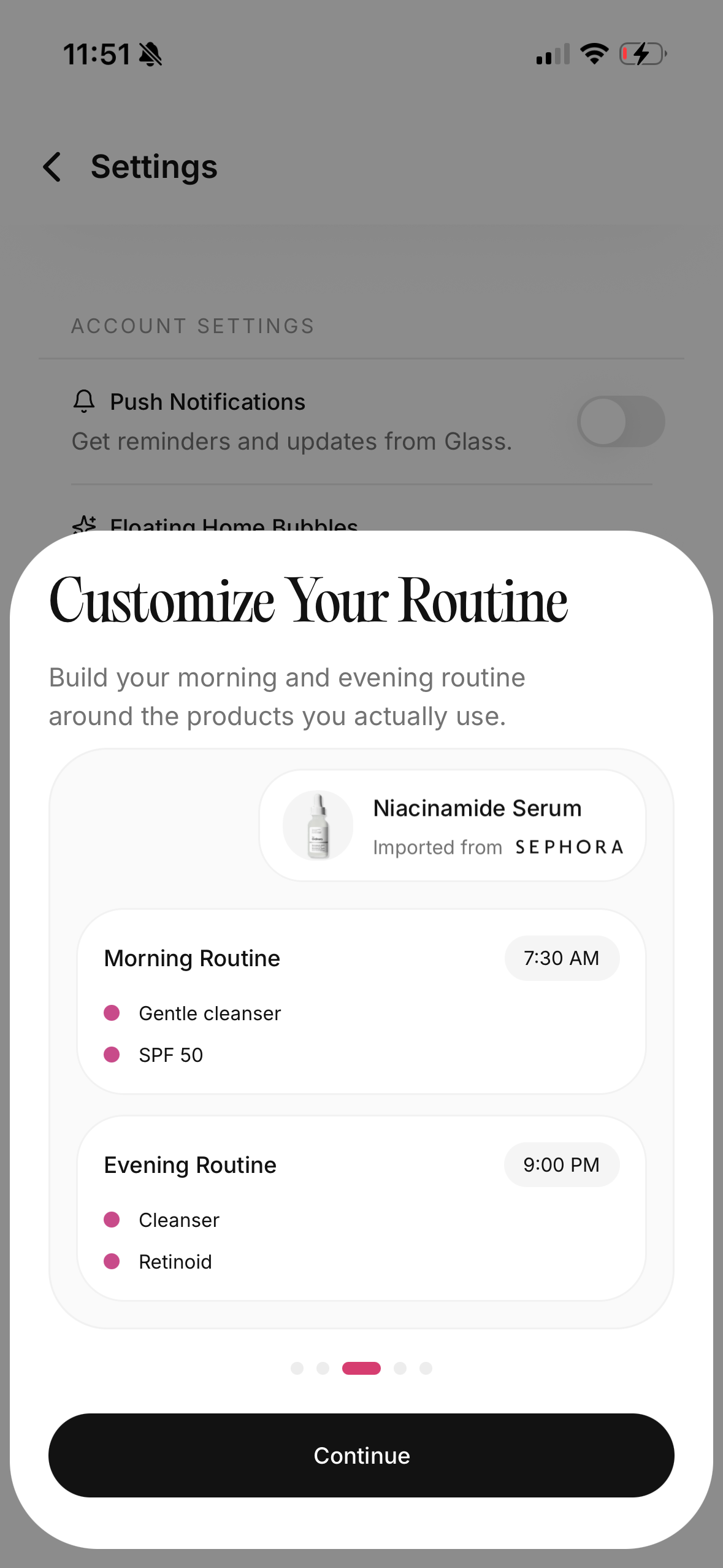
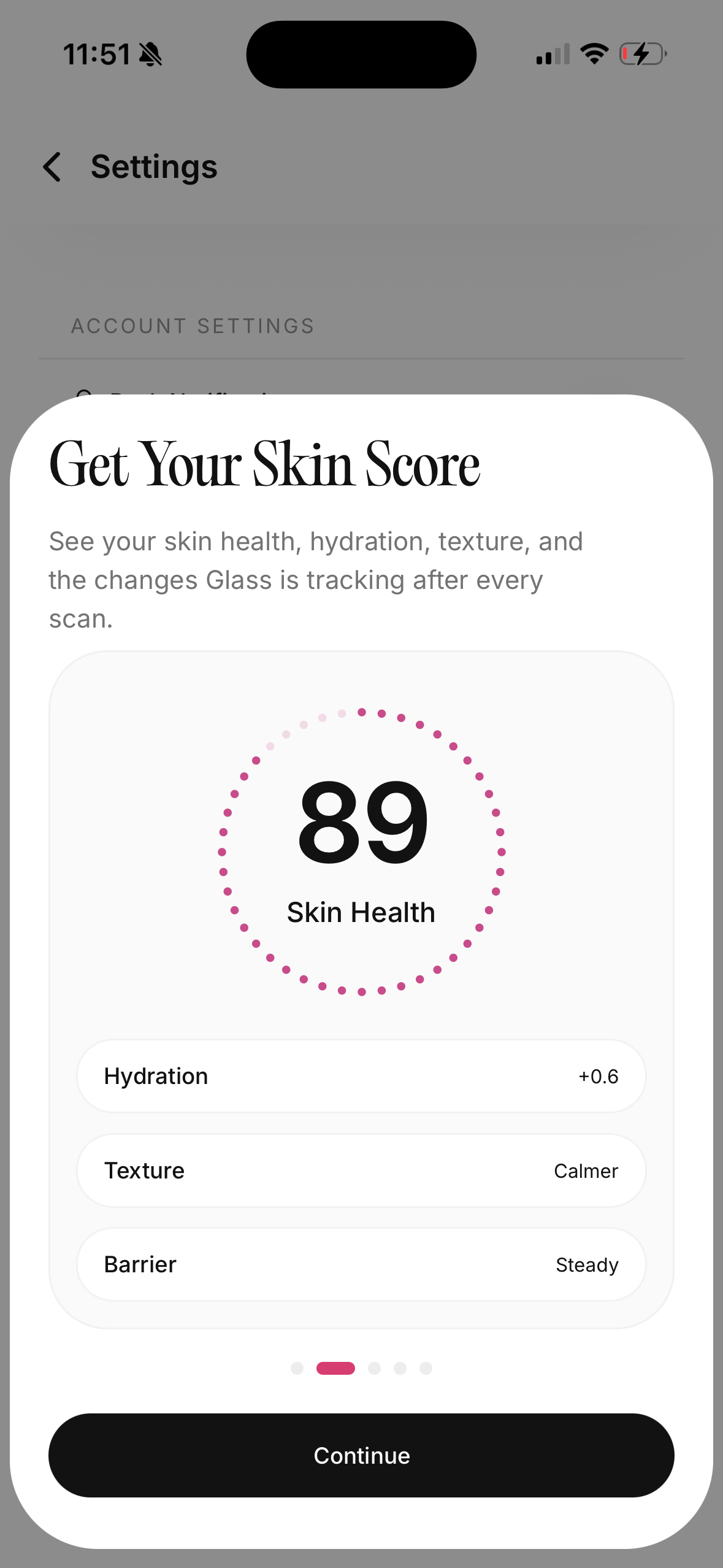
In Glass, this can be as simple as tracking cleanser, moisturizer, sunscreen, and any approved active. The point is not to obsess. It is to avoid guessing after two weeks of poor sleep and three product swaps.
A practical appointment checklist
If you are seeing your OB, midwife, or dermatologist, bring the routine instead of trying to remember it.
Helpful details include:
- Photos of the breakout in consistent lighting.
- A list of every leave-on product.
- Any prescription acne products you stopped.
- Supplements you take.
- Whether you are trying to conceive, pregnant, or breastfeeding.
- Where the pimples are appearing.
- Whether bumps are painful, itchy, draining, or scarring.
- What you already tried and how your skin reacted.
Ask direct questions:
- Which of my current products should I stop?
- Is azelaic acid appropriate for me?
- Is benzoyl peroxide appropriate for me?
- Should I avoid salicylic acid completely or only limit it?
- What should I do for a painful cyst-like bump?
- When should I call back if this worsens?
The best pregnancy acne plan is usually not a generic "safe list." It is a product-by-product review attached to your actual skin and pregnancy.
When to get medical care
Contact your OB, midwife, primary care clinician, or dermatologist if:
- Acne is painful, cyst-like, or scarring.
- You have a rash instead of typical pimples.
- Bumps are spreading quickly.
- You have fever or feel unwell.
- A bump is hot, swollen, or draining.
- You are unsure whether a product is safe.
- You stopped a prescription and acne is now severe.
- Breakouts are affecting mood or sleep.
Skin distress during pregnancy still counts. You are allowed to ask for help.
Postpartum expectations
Skin may change again after delivery, during breastfeeding, or when periods return. Do not assume the pregnancy routine must become your forever routine.
If you are breastfeeding, medication safety still matters. Ask before restarting retinoids, oral acne medicines, or stronger actives.
This is also a good time to rebuild slowly. Keep what worked. Add one thing at a time. Do not rush back to the strongest version of your old routine just because you missed it.
What I would keep on the counter
If I were making the simplest pregnancy acne shelf, it would not be exciting.
It would be a gentle cleanser, a bland moisturizer, sunscreen, and any active your clinician has approved. That is enough to create consistency. It also makes it easier to notice when a product is causing stinging, dryness, or more clogged pores.
The products you do not use matter too. A routine with fewer questionable actives is easier to explain to your care team and easier to adjust when skin changes again.
If a product is not clearly helping, it does not need to earn a place just because it used to be part of your pre-pregnancy routine. Let the routine get smaller on purpose for now, temporarily.
The calm takeaway
Pimples during pregnancy are common, frustrating, and treatable with the right caution.
Start gentle. Avoid known unsafe acne medications. Ask before using actives. Do not squeeze painful bumps. Protect your skin from sun. Get help if acne is severe, scarring, infected-looking, or emotionally heavy.
Pregnancy skin care does not need to be perfect.
It needs to be safe, steady, and kind to your barrier.