Chin bumps are annoying because they feel personal.
They sit right where you talk.
Right where you rest your hand.
Right where makeup creases, masks rub, shaving happens, toothpaste drips, and stress seems to announce itself first.
The chin is also one of those areas where different problems can look similar. A clogged pore, a hormonal acne flare, an ingrown hair, irritation around the mouth, folliculitis, and a deep cystic pimple can all start as “little bumps on my chin.”
That is why the first step is not buying the strongest acne product. The first step is slowing down enough to notice the pattern.
Quick answer
Bumps on the chin are often acne or clogged pores, especially when they include whiteheads, blackheads, inflamed pimples, or deeper tender bumps. But chin bumps can also come from shaving, friction, toothpaste or lip-product irritation, perioral dermatitis, folliculitis, or contact reactions.
If the bumps are painful, spreading, crusting, scarring, blistering, near the lips with cold-sore symptoms, or not improving after a careful routine, see a dermatologist or clinician.
A chin-bump sorting table
| Image | Pattern | Possible cause | First move |
|---|---|---|---|
 | Repeating monthly tender bumps | Hormonal acne pattern | Track timing and ask about prescription options if recurring |
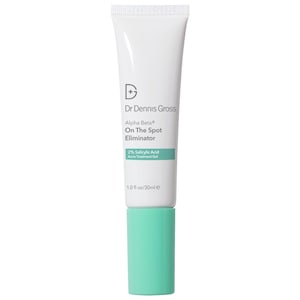 | Clogged pores and small pimples | Comedonal acne | Try one pore-focused active slowly |
 | Oily inflamed breakouts | Acne-prone skin | Consider a wash-off acne cleanser if tolerated |
 | Bumps after new products | Irritation or clogging | Pause recent changes and rebuild the routine |
Why the chin breaks out so easily
The chin gets a lot of interference.
Hands touch it. Phones brush it. Masks and scarves rub it. Toothpaste and lip balm can migrate onto it. Shaving can nick or inflame follicles. Heavy creams can collect around the mouth. Hormonal shifts can show up along the lower face.
That does not mean every chin breakout is hormonal. It means the chin is a high-noise area. You need more context before you decide what to treat.
The questions I would ask first:
- Are the bumps itchy, painful, or just textured?
- Do they form whiteheads?
- Do they happen before a period?
- Are they clustered where you shave?
- Did they start after a new toothpaste, lip balm, sunscreen, mask, or moisturizer?
- Do they burn or sting more than normal acne?
- Are they leaving dark marks or dents?
Chin acne versus irritation
Acne usually has a mix of clogged pores, whiteheads, inflamed pimples, and sometimes deeper tender bumps. It often changes slowly over weeks.
Irritation can feel more sudden. It may burn, sting, itch, or create many small bumps that look similar. It may show up after a new active, fragrance, essential oil, toothpaste, lip product, or over-cleansing.
The hard part is that irritated acne-prone skin can still break out. You can have both.
If your chin is red, tight, flaky, and bumpy, I would not keep adding acne actives. I would simplify for a week or two, then reintroduce treatment carefully.
The hormonal pattern
Lower-face acne can be influenced by hormonal shifts, especially when breakouts are deep, tender, and cyclical.
But “hormonal” is not a diagnosis you can confirm from location alone. Cheek acne can be hormonal. Chin acne can be from product residue. Jawline acne can be from shaving or helmets.
A more useful question is whether the timing repeats.
Use a tracker or a simple note:
- Date the bump started.
- Whether it was painful.
- Where it appeared.
- Any cycle timing.
- Any new products, stress, travel, or sleep changes.
If the pattern is obvious after two or three months, bring that to a clinician. It makes the visit much better.
Shaving bumps and ingrown hairs
If you shave your chin, acne is not the only possibility.
Ingrown hairs can look like pimples. They can be tender, red, or pus-filled. They may cluster in the exact shaving zone and flare after close shaving, dull blades, dry shaving, or going against the grain.
Try:
- shaving after softening the hair
- using a clean sharp blade or electric trimmer
- shaving with the grain
- avoiding repeated passes over the same spot
- moisturizing after
- pausing strong acids right after shaving
If bumps are painful, spreading, or leaving scars, get medical advice.
Perioral irritation and mouth-area bumps
Bumps around the mouth are tricky.
Sometimes they are acne. Sometimes they are a dermatitis pattern that gets worse with heavy creams, steroid creams, irritating toothpaste, or too many actives. Perioral dermatitis can look like small red bumps around the mouth, often with burning or sensitivity.
Do not assume every mouth-area bump needs benzoyl peroxide or salicylic acid. If it burns, clusters around the mouth, and worsens as you treat it harder, stop escalating and see a dermatologist.
A simple routine for chin bumps
Keep it boring first.
Morning:
- gentle cleanser or rinse
- light moisturizer
- sunscreen
Night:
- gentle cleanser
- one acne treatment if tolerated
- moisturizer
Good treatment options to discuss or consider depending on severity include salicylic acid, benzoyl peroxide, adapalene, azelaic acid, or prescription treatments. Mayo Clinic’s acne treatment overview is a useful reminder that acne care can include both topical and oral options depending on severity.
Where salicylic acid helps
Salicylic acid can help when chin bumps are mostly clogged pores, blackheads, whiteheads, and small pimples.
Start small.
Use it a few times weekly, not five ways at once. A targeted gel can make more sense than an all-over acid if only the chin is congested.
If your chin starts peeling, burning, or shining in an angry way, reduce frequency. The goal is clearer skin, not proof that the product is strong.
Where sulfur can help
Sulfur can be useful for some oily, inflamed, acne-prone routines. A sulfur cleanser is a wash-off option, which can be easier to tolerate than leaving a strong active on the chin all night.
That said, sulfur can still dry the skin. If you use a product like Kate Somerville Sulfur Cleanser, avoid pairing it with multiple other drying acne steps until you know how your skin responds.
Product and habit triggers
Chin bumps often start outside the skin care shelf.
Check:
- lip balm
- lip oil
- toothpaste
- beard oil
- shaving cream
- sunscreen
- heavy night cream
- mask friction
- resting your chin on your hand
- phone contact
- hair products touching the lower face
You do not need to eliminate everything forever. Just remove the newest or most suspicious trigger first, then watch for change.
What to do when the chin is the only breakout zone
If the rest of your face is calm and only the chin keeps breaking out, avoid changing the whole routine first.
This is where targeted thinking helps. The chin may be reacting to toothpaste foam, lip balm, beard oil, shaving, hand contact, mask friction, or cycle timing. If you replace every cleanser, serum, moisturizer, and sunscreen, you create more variables and learn less.
Try a two-week chin audit:
- Keep your basic cleanser, moisturizer, and sunscreen stable.
- Pause new lip products or heavy balms that spread past the lip line.
- Rinse toothpaste residue well after brushing.
- Avoid resting your chin on your hand.
- Track shaving or hair-removal dates.
- Use one acne active only on the chin if the bumps look like acne.
If the chin calms while the rest of your face stays unchanged, you probably found a local trigger. If the bumps keep returning deep and tender, the pattern may need prescription prevention.
Makeup and chin bumps
The chin is a high-movement area for makeup.
Concealer, foundation, and powder can collect in texture, then get rubbed by talking, eating, masks, scarves, or hands. More coverage can make you touch the area more, which keeps the cycle going.
Use thinner layers. Remove makeup thoroughly but gently at night. Wash reusable sponges and brushes. If a long-wear foundation seems to line up with new closed bumps, pause it for a few weeks before blaming every skin care product.
If you cover a painful bump, do not press hard to flatten it. That pressure can make inflammation worse.
How long to test a routine
For mild chin acne, give a simple plan at least six to eight weeks unless irritation gets worse.
Do not judge by one pimple. Judge by whether the overall pattern changes: fewer new bumps, faster healing, less tenderness, fewer marks, and less need to pick.
If chin bumps are deep, recurring monthly, or leaving dark marks and dents, do not wait forever. Dermatologists can offer prevention options that over-the-counter spot treatments cannot.
Red flags
See a clinician promptly if chin bumps are:
- rapidly swelling
- very painful or warm
- draining pus repeatedly
- crusted or blistering
- associated with fever
- near the lip with tingling or cold-sore symptoms
- leaving scars
- not improving after consistent care
- accompanied by sudden hair growth, irregular periods, or other hormonal symptoms
Deep painful acne can scar. Early care matters.
Bottom line
Bumps on the chin are common, but they are not all the same problem. Treat the pattern, not just the location.
If the bumps are mild clogged pores, a simple routine with one acne active may be enough. If they are deep, cyclical, painful, shaving-related, burning, or scarring, get more help instead of escalating at home.
Your chin does not need a punishment routine. It needs the right diagnosis and fewer random changes.