Isotretinoin is not casual skin care.
It is medicine.
That is why the conversation around it can feel so intense. For some people, isotretinoin is the first treatment that finally changes stubborn, painful acne. For others, it sounds scary because the safety rules, dryness, blood work, pregnancy-prevention requirements, and monthly check-ins all feel bigger than a normal acne routine.
Both reactions make sense.
In 2026, I would think about isotretinoin as a serious tool for serious acne, not as a shortcut for every breakout. It can be life-changing when acne is severe, scarring, painful, or not responding to other treatment. It also requires a clinician who watches the whole picture: your skin, your symptoms, your lab work if needed, your pregnancy risk, your medication list, and how you are tolerating the dose.
The goal is not to hype it or scare you away. The goal is to help you walk into the dermatologist visit with better questions.
Quick answer
Isotretinoin is a prescription oral retinoid most often used for severe, scarring, nodular, or treatment-resistant acne. The American Academy of Dermatology explains that patients taking it are enrolled in iPLEDGE REMS because pregnancy exposure can cause serious birth defects. Mayo Clinic also lists isotretinoin among acne treatments that may be used when other approaches are not enough.
You should not start it, stop it, share it, or change the dose without your prescriber.
If you have painful deep acne, early scarring, repeated cyst-like flares, or acne that is affecting your mood and daily life, it is reasonable to ask a dermatologist whether isotretinoin belongs on the table.
A simple isotretinoin prep checklist
| Area | What to prepare | Why it matters |
|---|---|---|
| Skin baseline | 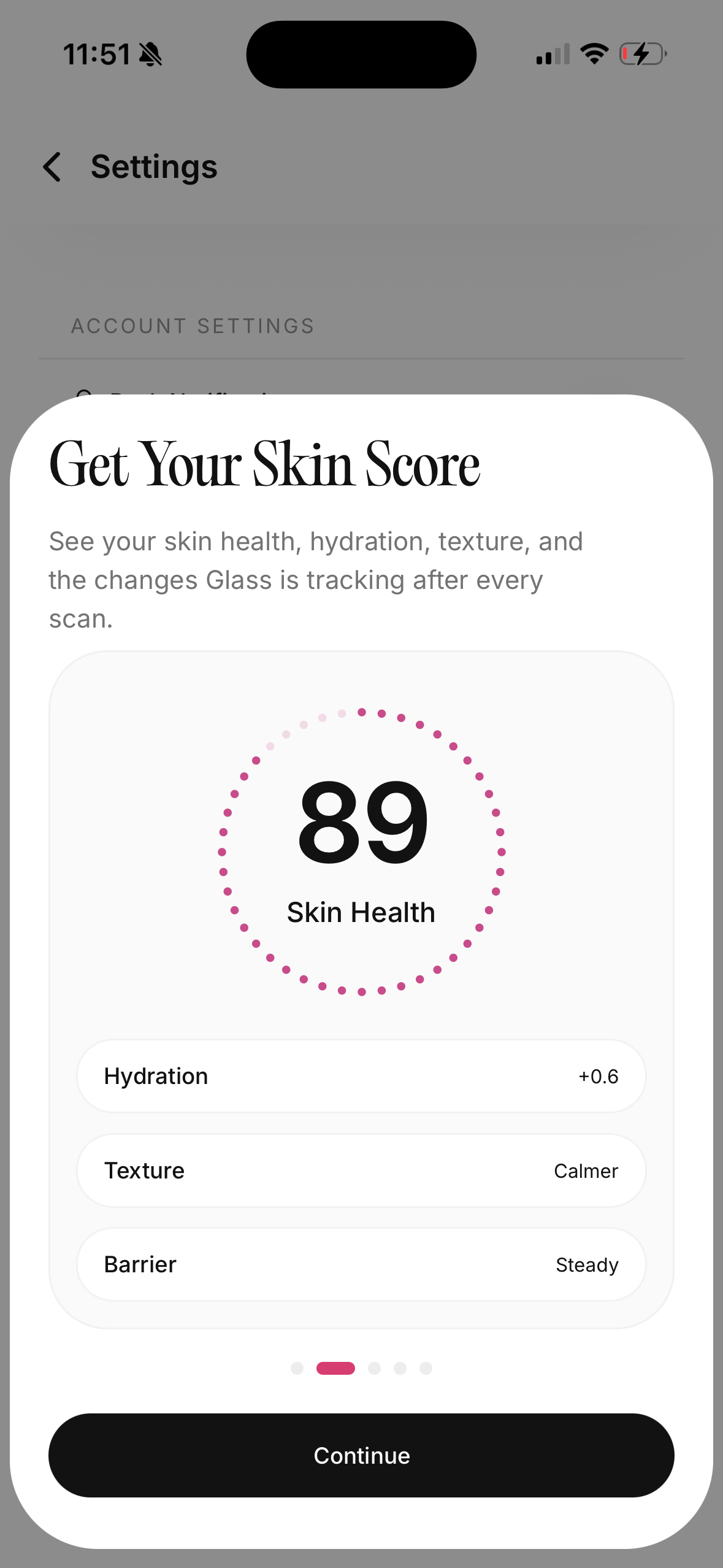 Take consistent photos before treatment Take consistent photos before treatment | Acne can flare early, then improve slowly, so a baseline helps you judge progress more calmly |
| Routine | 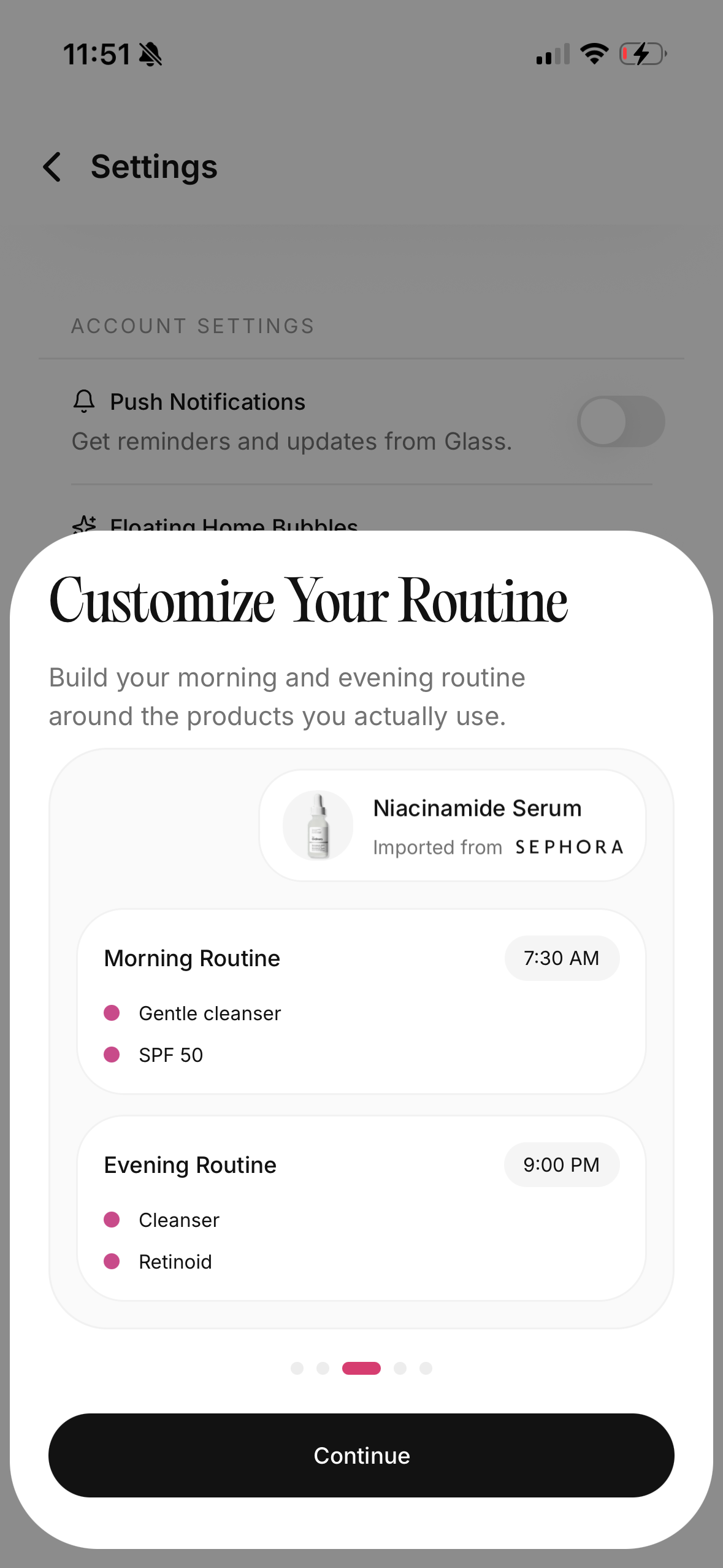 Strip your routine down to cleanser, moisturizer, and sunscreen Strip your routine down to cleanser, moisturizer, and sunscreen | Isotretinoin often makes skin dry and fragile, so extra actives can backfire |
| Lips | Buy bland lip balm before day one | Dry lips are one of the most common annoyances |
| Questions | Write down mood history, supplements, medications, and pregnancy-related questions | Your clinician needs the full context, not just a face photo |
What isotretinoin is used for
Isotretinoin is usually discussed when acne is deeper, more persistent, or more likely to scar than everyday pimples.
That may include:
- nodular acne that forms hard painful bumps under the skin
- cyst-like acne that returns in the same zones
- inflammatory acne that leaves marks or scars quickly
- acne that has not improved after topical retinoids, benzoyl peroxide, antibiotics, hormonal therapy, or a careful routine
- acne that is causing a lot of distress even if it is not covering the whole face
The exact threshold is a clinician decision. Two people can have the same number of breakouts and need different plans because one is scarring, one is not, one has pregnancy considerations, one has inflammatory bowel symptoms, one is taking interacting medicine, and one has already tried multiple appropriate treatments.
That is why a good isotretinoin visit should feel like a medical conversation, not a product recommendation.
How it is different from a normal acne routine
Most acne routines work from the outside.
A cleanser helps remove oil and residue. Benzoyl peroxide can reduce acne-causing bacteria and inflammation. Salicylic acid helps inside the pore. Adapalene or tretinoin helps normalize shedding and reduce clogged pores over time.
Isotretinoin works from the inside and changes the oil-gland environment in a much more forceful way. That is why it can help acne that has ignored topical care. It is also why the side-effect conversation is bigger.
During treatment, your skin may not behave like your normal skin. It may get dry faster. It may sting from products that used to be fine. Your lips may crack. Your nose may feel dry. Your skin may be more sun-sensitive. Your usual exfoliating routine may suddenly be too much.
The support routine becomes boring on purpose.
What the safety process usually feels like
The process varies by clinician and patient, but most people should expect more structure than a typical prescription.
You may discuss:
- iPLEDGE enrollment
- pregnancy testing and contraception requirements when relevant
- dose and timing
- lab monitoring
- side effects to report quickly
- medication and supplement conflicts
- what to do if you miss a dose or appointment
AAD notes that iPLEDGE REMS exists to reduce pregnancy exposure risk. That part can feel administratively annoying, but the underlying reason is serious. Do not treat the monthly process as optional paperwork.
If anything is confusing, ask the office to explain it before you leave. It is better to ask a basic question twice than to miss a safety step.
What improvement can look like
Progress is rarely perfectly smooth.
Some people flare early. Some dry out before they improve. Some see oiliness drop first. Some notice fewer new painful bumps before old marks fade. Some need dose adjustments because the side effects are too much.
I would avoid judging the entire treatment by one bad week.
A calmer way to track is to look at:
- How many new deep lesions you get each month.
- Whether existing bumps resolve faster.
- Whether new scars or indented marks are still forming.
- Whether oiliness has changed.
- Whether your skin feels tolerable with a simple routine.
Glass can help here because a consistent photo and routine log is more useful than memory. A good monthly photo set can show progress that your stressed brain misses.
The skin care routine I would keep during treatment
I would keep it plain.
Morning:
- gentle cleanser or rinse
- bland moisturizer
- sunscreen
- lip balm
Night:
- gentle cleanser
- bland moisturizer
- lip balm
That is the core. Not a brightening stack. Not a peel pad. Not a rotating lineup of acids because you want the marks gone faster.
If your clinician approves a specific topical, follow that plan. Otherwise, assume your job is to protect the barrier while the medicine does the acne work.
Products that make sense around acne-prone dry skin
These are not isotretinoin substitutes. They are examples of the kind of simple support thinking that matters around acne treatment.
| Image | Product | Where it fits | Note |
|---|---|---|---|
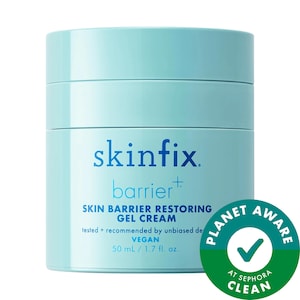 | Skinfix Barrier Gel Cream | Lightweight moisturizer | Better for acne-prone skin that still needs barrier support |
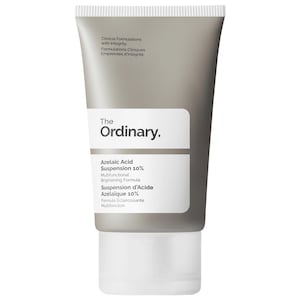 | The Ordinary Azelaic Acid | Ask-before-adding treatment | Useful for some redness and blemish-prone routines, but do not add during isotretinoin without clinician approval |
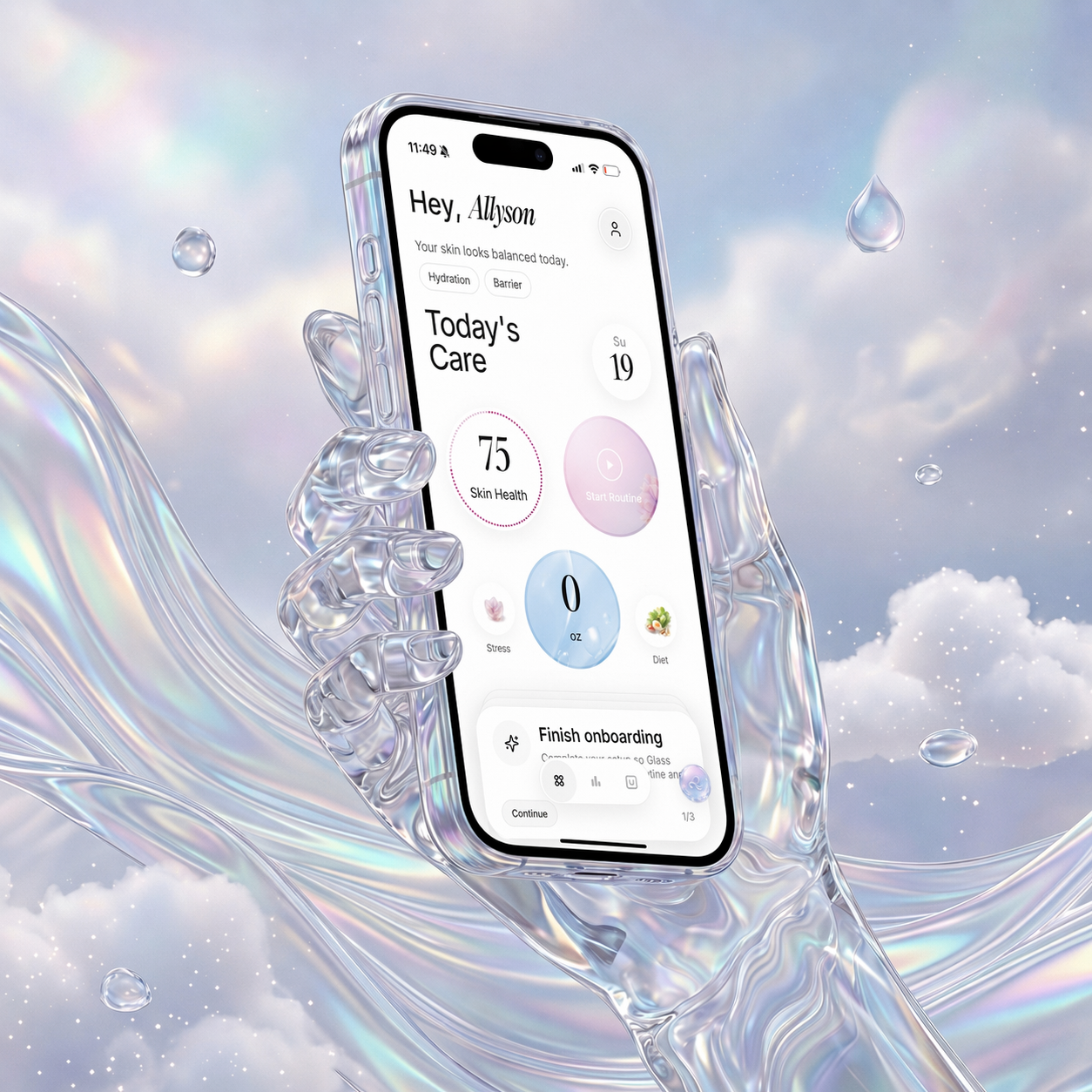 | Glass product cards | Routine review | Helps you notice which products are active treatments versus support steps |
What not to do while taking isotretinoin
Do not wax irritated skin unless your clinician clears it. Do not start strong exfoliating acids because you are impatient. Do not pop deep bumps. Do not take vitamin A supplements unless your prescriber specifically says it is safe. Do not share pills with a friend.
Also avoid layering multiple drying acne treatments unless your dermatologist gave you that exact plan. More treatment pressure is not always better. On isotretinoin, more pressure can mean more cracks, stinging, peeling, and inflammation.
This is a season where boring skin care is a strength.
Side effects to take seriously
Dry lips, dry skin, dry eyes, nose dryness, sun sensitivity, and muscle aches are common things people discuss with their prescribers. But there are symptoms that should trigger a call instead of waiting quietly.
Call your clinician promptly if you have:
- severe headache or vision changes
- severe stomach pain, bloody diarrhea, or persistent digestive symptoms
- mood changes, depression symptoms, thoughts of self-harm, or unusual behavior changes
- signs of allergic reaction
- severe skin rash, blistering, or intense irritation
- pregnancy or possible pregnancy exposure
- pain or symptoms your prescriber specifically told you to report
If you feel unsafe or have thoughts of harming yourself, seek urgent help right away.
When isotretinoin is not the first move
Not every breakout needs isotretinoin.
If your acne is mostly mild comedones, a topical retinoid and benzoyl peroxide may be the smarter first conversation. If breakouts cluster around menstrual cycles, hormonal options may matter. If your bumps are actually folliculitis, perioral dermatitis, rosacea, or irritation from products, isotretinoin may not be the right answer at all.
That is why diagnosis matters. A dermatologist can look at the pattern, lesion type, scarring risk, medical history, and previous treatment response.
How to make the dermatologist visit useful
Bring specifics.
Write down:
- how long the acne has been active
- what you have tried and for how long
- whether you scar easily
- whether the acne is painful
- whether breakouts relate to periods, shaving, helmets, hair products, or workouts
- current medications and supplements
- pregnancy plans or pregnancy risk if relevant
- mood history or current mental health concerns
Photos help too, especially if your acne flares and calms between appointments.
Bottom line
Isotretinoin is one of the most serious acne tools available, and that is exactly why it should be handled carefully. It can be the right move for severe, scarring, painful, or treatment-resistant acne. It is not a casual routine upgrade.
The best 2026 approach is simple: get a real diagnosis, ask clear questions, follow the safety process, protect your skin barrier, and track progress with patience instead of panic.
If your acne is deep, painful, scarring, or not responding after months of appropriate care, book the dermatologist visit. That is not overreacting. That is protecting your skin early.