Isotret is not a casual acne hack.
People often use "isotret" as shorthand for isotretinoin, the prescription oral medication historically associated with Accutane. It can be life-changing for some people with severe, scarring, nodular, or treatment-resistant acne. It can also cause serious side effects and requires dermatologist oversight, pregnancy prevention rules for patients who can become pregnant, and regular monitoring.
So the useful question in 2026 is not "Should I take isotret?"
The useful question is: "What should I understand before I talk to a dermatologist about isotretinoin?"
This guide keeps the answer practical and cautious.
Quick answer
Isotret is commonly used as shorthand for isotretinoin, a prescription oral medication used for severe, nodular, scarring, or treatment-resistant acne. It can be highly effective, but it must be managed by a dermatologist or qualified clinician. It can cause dryness, irritation, sun sensitivity, lab changes, and severe birth defects if taken during pregnancy, so monitoring and pregnancy prevention requirements are central to treatment.
Do not buy isotretinoin without medical supervision.
What isotretinoin is
Isotretinoin is an oral retinoid. The American Academy of Dermatology describes it as a prescription medication that can treat deep, painful acne cysts and nodules, and notes that dermatologists often consider it the most effective treatment for severe acne.
Mayo Clinic describes isotretinoin as a medication used for severe nodular acne and emphasizes participation in an FDA-approved risk management program.
That level of oversight is the point. Isotretinoin is not a stronger version of a spot treatment. It is a systemic medication with real benefits and real risks.
Who might be a candidate
A dermatologist may consider isotretinoin when acne is:
- severe
- nodular
- cystic
- scarring
- causing significant distress
- not responding to other treatments
- recurring after antibiotics or topical therapy
Some people are offered isotretinoin for moderate acne that is persistent or scarring, but that decision belongs with a clinician who can evaluate the full picture.
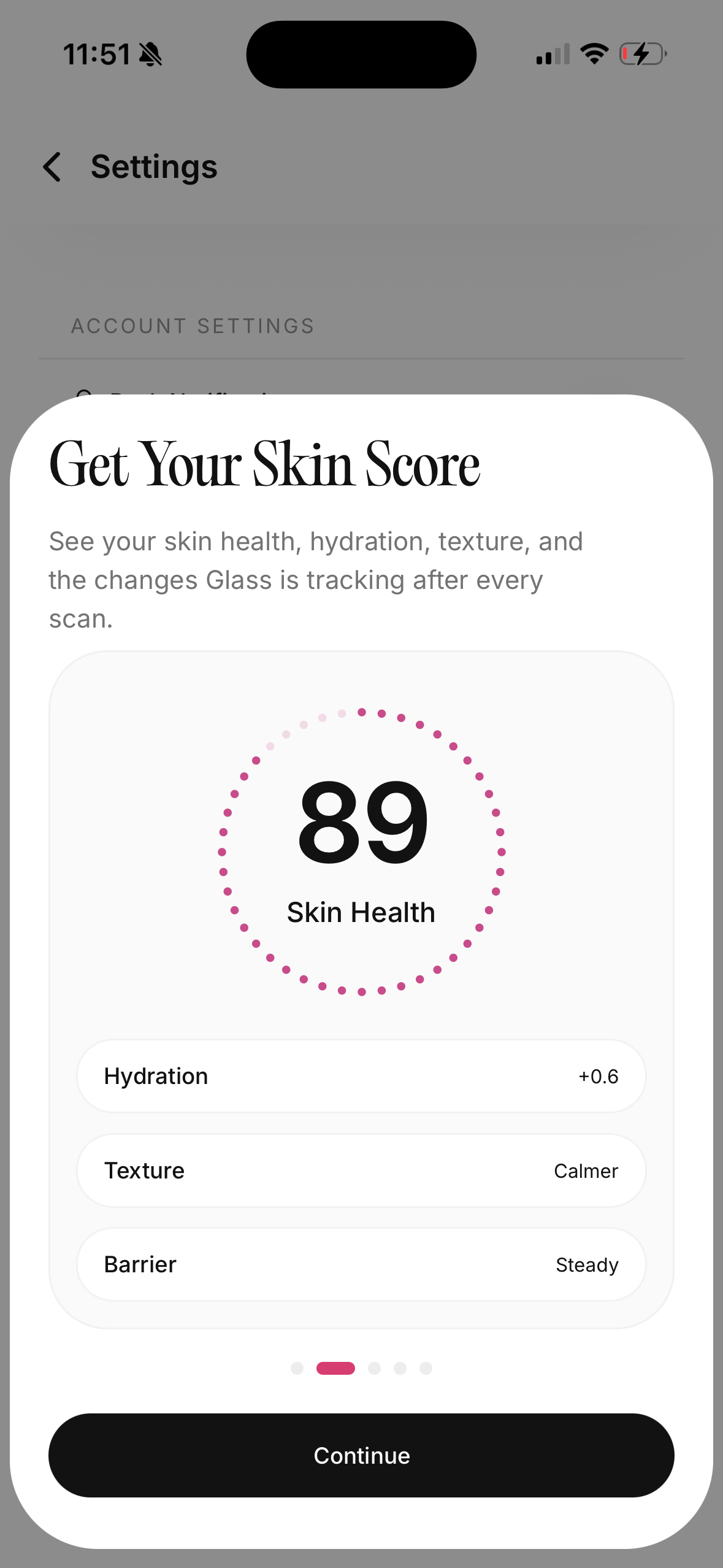
Photos can help the conversation, especially if acne flares between appointments. A tool like Glass can help you track severity, products, and flare timing.
Questions to bring to the appointment
If you are considering isotretinoin, come prepared. A good appointment is not just "Can I have it?" It is a conversation about your acne history, risk factors, and what treatment would require.
Useful questions:
- Why do you think I am or am not a candidate?
- What dose approach would you consider?
- How often would I need visits or labs?
- What side effects should make me call you?
- Which skincare products should I stop?
- What should I do if my acne flares early?
- What happens after the course ends?
Bring a list of current medications, supplements, and skincare products. Include anything you take only sometimes.
Why oversight matters
Isotretinoin can affect more than the skin. Monitoring may include:
- medical history review
- medication review
- pregnancy prevention requirements when relevant
- lab work
- side effect checks
- dose adjustments
- mental health screening
- guidance on what products and procedures to avoid
Your dermatologist is not just prescribing a pill. They are managing a course of treatment.
If a website, seller, or social account makes isotretinoin sound easy to self-prescribe, that is a red flag.
Common side effects
Dryness is the side effect most people expect.
Common experiences can include:
- dry lips
- dry skin
- dry eyes
- nose dryness or nosebleeds
- peeling
- sensitivity
- sun sensitivity
- muscle or joint aches
- temporary acne flare
Other possible issues can involve cholesterol, liver enzymes, mood symptoms, headaches, vision changes, or other symptoms that need medical review. Your clinician should explain what to watch for and when to call.
Do not minimize new or concerning symptoms during treatment.
Pregnancy risk and iPLEDGE
Isotretinoin can cause severe birth defects if taken during pregnancy. In the United States, patients, prescribers, and pharmacies follow iPLEDGE requirements to reduce pregnancy risk.
This is not paperwork for paperwork's sake. It is a core safety requirement.
If you can become pregnant, your dermatologist will explain testing, contraception requirements, timing windows, and monthly steps. Follow those instructions exactly. If anything is confusing, ask before taking the medication.
Skincare while on isotretinoin
Most people need a simpler routine during isotretinoin.
The goal is not to keep fighting acne from every direction. The medication is already doing the heavy lifting. Your skincare should reduce irritation and support the barrier.
Typical routine themes:
- gentle cleanser
- bland moisturizer
- lip balm
- sunscreen
- avoiding scrubs
- avoiding strong exfoliating acids unless directed
- avoiding drying spot treatments unless directed
- telling your clinician about every active product you use
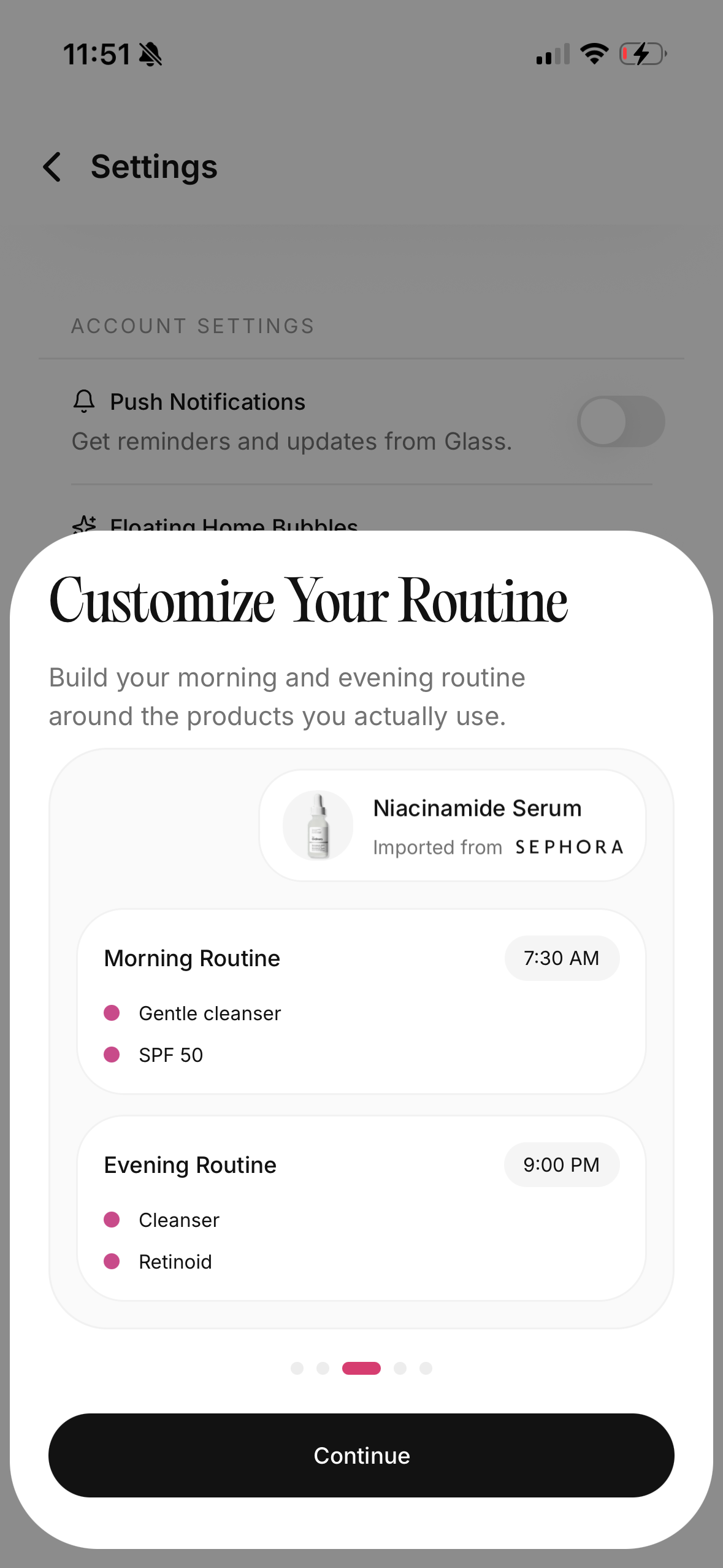
The routine order guide can help you simplify, but your dermatologist's instructions come first.
A sample low-irritation routine to discuss
Morning:
- Gentle cleanser or water rinse.
- Moisturizer.
- Broad-spectrum sunscreen.
- Lip balm.
Night:
- Gentle cleanser.
- Moisturizer.
- Lip balm.
That may look too simple if you are used to fighting acne with five steps. During isotretinoin, simple is often the point. If you need something more, ask the prescriber before adding it.
Lifestyle adjustments that are not optional for everyone
Your prescriber may give specific instructions about sun exposure, exercise discomfort, contact lenses, blood donation, alcohol, supplements, and cosmetic procedures. Follow their version, not a generic routine from someone else's treatment course.
Dry eyes can make contact lenses uncomfortable. Dry lips can crack if you wait too long to apply balm. Sun sensitivity can make a short walk feel harsher than usual. These are small daily details, but they can decide whether the course feels manageable.
The best support plan is practical: keep lip balm nearby, moisturize before you feel painfully dry, use sunscreen consistently, and message your clinician early when something changes.
Products to avoid or pause unless approved
During isotretinoin, many people need to pause:
- retinoids
- exfoliating acids
- benzoyl peroxide
- harsh acne cleansers
- scrubs
- peels
- waxing on treated areas
- irritating masks
The AAD's isotretinoin patient guidance warns that acne-fighting ingredients like benzoyl peroxide or sulfur can increase irritation and dryness while on isotretinoin. That does not mean nobody can use anything active ever, but it does mean you should ask.
What to track during treatment
Track more than photos.
Useful notes include:
- dose changes
- dryness level
- lip cracking
- eye dryness
- nosebleeds
- headaches
- mood changes
- joint or muscle pain
- sun sensitivity
- missed doses
- products that sting
Bring these notes to appointments. Do not rely on memory when side effects change week to week.
What not to do
Do not:
- share isotretinoin
- buy it without a prescription
- change dose without your clinician
- combine it with vitamin A supplements unless approved
- donate blood if your clinician tells you not to
- hide side effects
- keep using harsh acne actives because you are impatient
- get cosmetic procedures without asking your dermatologist
The point of treatment is clearer skin with the least avoidable harm. Shortcuts work against that.
What happens after treatment
Many people continue to improve after finishing isotretinoin. Some stay clear for a long time. Some relapse and need maintenance treatment or another plan.
After treatment, your dermatologist may recommend:
- topical retinoid maintenance
- benzoyl peroxide or other acne care
- scar treatment at the right time
- continued sunscreen
- gentle routine rebuilding
Do not rush into peels, lasers, waxing, or aggressive actives without guidance. Skin may still be sensitive.
Mental health deserves a real check-in
Acne itself can affect mood, confidence, social life, and stress. Isotretinoin appointments should make room for that reality. If you notice mood changes, depression symptoms, anxiety changes, or thoughts of self-harm, contact your clinician right away and seek urgent help if you might hurt yourself.
This is not about fear. It is about not treating skin as separate from the person living in it.
When to call your clinician promptly
Ask your prescriber what symptoms require urgent contact. In general, do not wait if you have severe headache, vision changes, severe stomach pain, mood changes, signs of allergic reaction, severe rash, chest pain, trouble breathing, or any symptom that feels serious or unusual.
If pregnancy is possible and you think you may be pregnant, contact your clinician immediately.
The bottom line
Isotret can be a shorthand word, but isotretinoin is a serious prescription medication. It can be highly effective for the right acne pattern, especially severe or nodular acne, but it belongs under dermatologist supervision with monitoring, pregnancy precautions when relevant, and a simplified skin routine.
If you are considering it, bring photos, treatment history, and clear questions to a dermatologist. Do not self-prescribe.
The mindset that makes the conversation better
I would go into an isotretinoin conversation with notes, not fear or hype. Write down what you have already tried, how long you used it, what helped, what failed, what side effects you had, and whether acne is leaving scars. Bring photos if your skin flares in cycles. That gives a dermatologist something real to work with. Isotret can sound like a dramatic last step, but the decision is more practical than that: severity, scarring risk, treatment history, pregnancy precautions when relevant, lab monitoring, side effects, and follow-up. The more specific you are, the better the appointment becomes.