A pimple can take over your attention fast.
One bump shows up, and suddenly every mirror is too honest. You touch it. You check whether it has a head. You wonder if you should dry it out, cover it, pop it, ice it, patch it, exfoliate it, or pretend you did not notice it.
The calm answer is usually simple.
Most pimples need less drama than we give them. They need a clean routine, a proven ingredient if the skin tolerates it, no picking, and enough time to heal without turning one inflamed pore into a mark that lasts for weeks.
This 2026 guide explains what a pimple is, which type you may be looking at, what can help, what can backfire, and when to get medical care.
Quick answer
A pimple is an inflamed acne bump that forms when a pore becomes clogged and irritated. It may be a red tender bump, a white-tipped pustule, or part of a larger acne pattern. Gentle cleansing, benzoyl peroxide, salicylic acid, adapalene, azelaic acid, and moisturizer can help depending on the situation. Do not squeeze deep or painful pimples.
See a dermatologist if pimples are severe, recurring, painful, scarring, or not improving with consistent over-the-counter care.
What a pimple actually is
Acne begins around pores and hair follicles. Oil, dead skin cells, and debris can build up. Inflammation can follow. The result may be a closed comedone, blackhead, papule, pustule, nodule, or cystic lesion.
When most people say "pimple," they usually mean an inflamed bump. It may be:
- a papule, which is red and tender without visible pus
- a pustule, which has a white or yellow tip
- a deeper bump that feels sore under the skin
Mayo Clinic lists papules, pustules, nodules, and cystic lesions among acne signs, along with whiteheads and blackheads. The type matters because a surface pustule and a deep nodule should not be handled the same way.
Why pimples form
Pimples are not just about washing your face.
They can be influenced by:
- hormones
- oil production
- dead skin buildup
- bacteria that live on skin
- inflammation
- genetics
- stress and sleep changes
- sweat and friction
- heavy cosmetics or hair products
- certain medications
Sometimes the trigger is obvious, like a new rich sunscreen. Sometimes it is not. That is why routine tracking helps. If you change cleanser, moisturizer, foundation, pillowcase detergent, and supplement in the same week, you will not know which change mattered.
The first rule: do not pick
Picking is tempting because it feels active.
It also creates a bigger problem. Squeezing can push inflammation deeper, tear the surrounding skin, introduce bacteria, and increase the chance of a dark mark or scar. A pimple that might have settled in five days can become a spot you cover for a month.
If the pimple has a clear surface head, a hydrocolloid patch may help protect it from fingers and absorb fluid after it opens naturally. If it is deep, firm, or painful, a patch will mostly act as a shield. That can still be useful, but do not expect it to pull a deep bump out overnight.
What to do the first day
When a pimple appears, keep the first day controlled:
- Wash with a gentle cleanser.
- Apply a thin layer of a tolerated spot treatment if appropriate.
- Moisturize.
- Use sunscreen in the morning.
- Do not add new full-face actives out of panic.
For a small inflamed spot, benzoyl peroxide or salicylic acid may help. For a deep sore bump, aggressive drying often makes the surrounding skin irritated while the bump stays angry.
If the area hurts, a cool compress can make it easier to leave alone.
Ingredients that can help
The American Academy of Dermatology's acne guideline supports several proven acne treatment categories, including benzoyl peroxide and topical retinoids, with salicylic acid and azelaic acid also used depending on the case.
Here is the practical difference:
| Ingredient | Better for | Watch for |
|---|---|---|
| Benzoyl peroxide | Inflamed pimples and acne-causing bacteria | Dryness, irritation, fabric bleaching |
| Salicylic acid | Clogged pores and oily congestion | Dryness if overused |
| Adapalene | Preventing clogged pores over time | Irritation during adjustment |
| Azelaic acid | Acne-prone skin and uneven tone | Tingling or dryness |
| Sulfur | Some oily inflamed spots | Dryness, scent, sensitivity |
The best ingredient is not the strongest one. It is the one you can use consistently without making your skin barrier worse.
Product examples and where they fit
You can treat pimples with different product formats. Choose based on your skin and your existing routine.
| Product | Format | Where it fits |
|---|---|---|
| Dr. Dennis Gross 2% Salicylic Acid Gel | Spot gel | Small clogged or inflamed spots |
| Kate Somerville Sulfur Cleanser | Sulfur cleanser | Oily acne-prone skin that tolerates active cleansing |
| Peace Out 2% Salicylic Acid Acne Gel Moisturizer | Treatment moisturizer | People who want acne care with hydration |
| Skinfix Barrier Gel Cream | Gel cream | Barrier support while using acne treatments |

If you use an active cleanser, do not automatically pair it with an active toner, active serum, active spot treatment, and retinoid the same night.
A simple pimple routine
For occasional pimples, I like a routine that keeps the rest of the face stable.
Morning:
- gentle cleanser or water rinse
- benzoyl peroxide spot treatment only if tolerated
- lightweight moisturizer
- sunscreen
Night:
- remove sunscreen and makeup
- gentle cleanser
- adapalene or salicylic acid if already part of your routine
- moisturizer
- hydrocolloid patch only on a surface spot that needs protection
The routine order guide is helpful if you have the right products but your layering is causing irritation.
What makes pimples worse
Common pimple mistakes include:
- changing the whole routine every time a breakout appears
- using drying spot treatments on the entire face
- skipping moisturizer because skin is oily
- scrubbing with physical exfoliants
- sleeping in sunscreen or makeup
- applying hair oils near acne-prone areas
- shaving over inflamed bumps
- using old makeup sponges or dirty brushes
Oily skin can still be dehydrated and irritated. A damaged barrier can make acne treatment harder to tolerate, which then makes consistency harder.
Pimple or something else?
Not every bump is acne.
A white bump near the lip could be a cold sore, milia, irritation, dermatitis, an ingrown hair, or another condition. Neck bumps may be acne, shaving irritation, folliculitis, or friction-related inflammation. A painful hot lump may be a boil or infection.
If a bump is blistered, crusted, rapidly spreading, very painful, near the eye, or paired with fever, get medical care.
How long should it take to heal?
A small pimple may calm in a few days. A deeper inflamed bump may take one to two weeks or longer. The mark left behind can last longer than the pimple itself, especially if you picked it or if your skin tends to develop post-inflammatory hyperpigmentation.
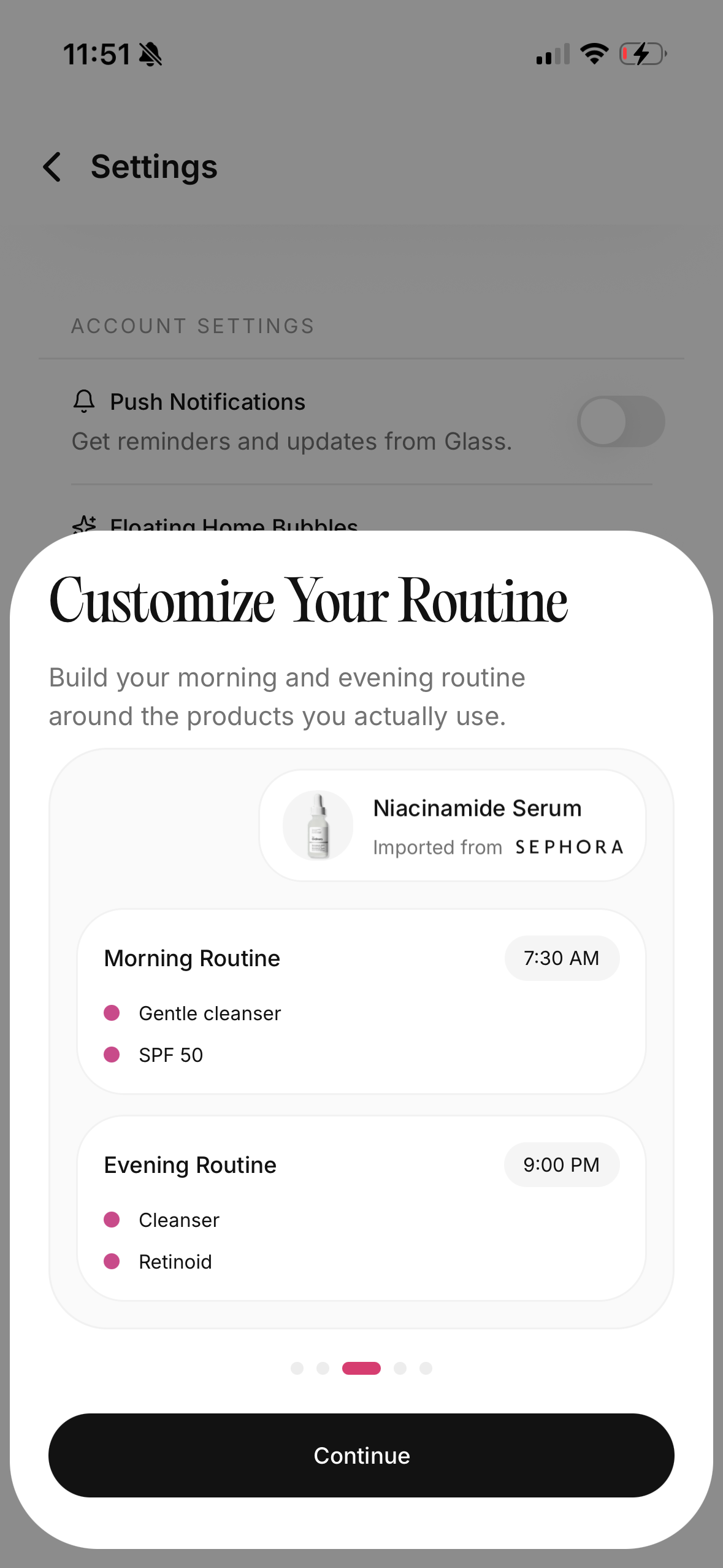
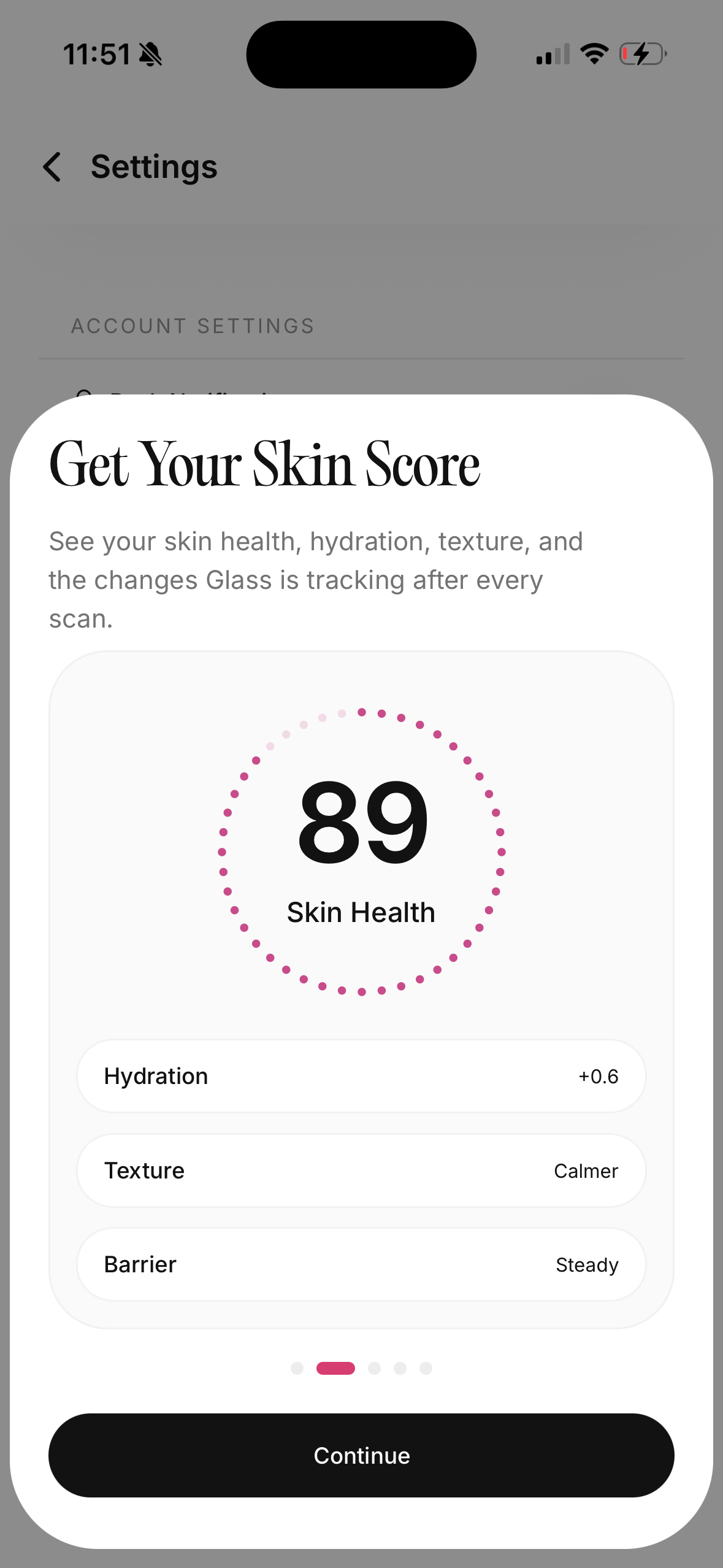
Use weekly tracking instead of hourly checking. A tool like Glass can help because it keeps routine changes, products, and skin photos together.
How to cover a pimple without making it angrier
Makeup is not the enemy, but removal matters. If you cover a pimple, use thin layers, clean tools, and avoid grinding concealer into inflamed skin. A small brush can place product more precisely than a finger, and a light powder can set the area without needing a thick coat.
At night, remove everything fully. Long-wear concealer, sunscreen, and setting spray can cling around a raised bump. If you leave residue there, the pimple has to heal under yesterday's product film. I would rather use less coverage and remove it gently than use a perfect-looking layer that needs scrubbing later.
If makeup stings on the bump, skip it or use less. Pain is useful information.
When to see a dermatologist
Make an appointment if:
- acne is painful or deep
- pimples are leaving scars
- breakouts keep returning in the same zones
- over-the-counter care is not helping after consistent use
- acne affects your mood or confidence
- you may need prescription options
Dermatologists can tailor treatment to acne type and severity. That may include topical prescriptions, oral medication, hormonal treatment, or isotretinoin for severe acne.
The bottom line
A pimple is common, but it still deserves thoughtful care. Keep the routine steady, use proven ingredients carefully, protect your barrier, and do not pick. If pimples are deep, painful, recurring, or scarring, get medical help instead of escalating at home.
Your goal is not to win one mirror check.
It is to heal with the least damage possible.
The quiet rule I trust most
One pimple should not get to rewrite the whole routine. If I wake up with a new spot, I would first ask what actually changed: sleep, stress, makeup removal, sunscreen, shaving, cycle timing, or a new product. If nothing obvious changed, I would treat the bump gently and keep the routine stable. That restraint is hard, but it keeps one breakout from turning into a week of irritation. A single pimple needs care. A recurring pattern needs a plan. Mixing those up is how simple skin days become complicated.