A papule pimple is the red bump with no exit plan.
It is inflamed. It is tender. It may look like it should become a whitehead, but there is no visible pus at the top. That makes it one of the easiest pimples to mistreat. You squeeze because you want it gone. Nothing comes out. The skin gets swollen. Now the bump is bigger, the mark is darker, and the healing clock starts over.
The better move is to treat a papule pimple as inflammation, not as something waiting to be extracted.
This 2026 guide explains what papules are, how they differ from pustules and nodules, what can help, what to avoid, and when recurring papules should be evaluated.
Quick answer
A papule pimple is a small red or pink inflamed acne bump without visible pus. It may feel tender, but it should not be popped because there is no surface head to release. Calm the area, avoid picking, use tolerated acne ingredients like benzoyl peroxide or a retinoid as part of a routine, and see a dermatologist if papules are frequent, painful, scarring, or not improving.
What a papule looks like
Papules are usually:
- red, pink, or inflamed-looking
- small to medium in size
- tender when touched
- raised
- without a white or yellow center
- sometimes clustered with other acne lesions
Mayo Clinic describes papules as small red, tender bumps. That is the plain version. The useful version is this: if there is no visible head, do not treat it like a poppable pimple.
Papules can appear on the cheeks, chin, forehead, jawline, neck, chest, back, or shoulders.
Papule vs pustule
A pustule has visible pus at the tip. A papule does not.
That difference changes your behavior.
| Type | Visible head? | Usually safe to pop? | Better approach |
|---|---|---|---|
| Papule | No | No | Calm inflammation, avoid picking |
| Pustule | Yes | Still risky | Protect, patch if it opens naturally |
| Nodule | No, deeper | No | Dermatologist if recurring or painful |
Even with pustules, forced popping can cause marks and scarring. With papules, the risk is even more obvious because there is nothing near the surface to release.
Why papules form
Papules form when a clogged pore becomes inflamed. Oil, dead skin cells, and bacteria can all be part of the process. Your immune response creates redness, swelling, and tenderness.
Triggers can include:
- hormonal changes
- pore-clogging products
- sweat and friction
- shaving irritation
- masks, helmets, or collars
- heavy sunscreen or makeup not fully removed
- over-exfoliation
- inconsistent acne treatment
Papules are common in acne-prone skin. Frequent papules may mean your routine is not preventing clogged pores well enough, or that inflammation needs a stronger plan.
What to do when one appears
For one papule, keep it simple:
- Cleanse gently.
- Apply a thin layer of a tolerated acne treatment if you already use one.
- Moisturize.
- Use sunscreen in the morning.
- Keep hands off.
A cool compress can reduce the urge to touch it. A hydrocolloid patch can work as a physical barrier, but it may not flatten a papule the way it can help a draining pustule.
Do not add a peel, scrub, mask, new retinoid, and drying spot treatment all in the same night.
Ingredients that may help
The American Academy of Dermatology's acne guideline gives strong support to benzoyl peroxide and topical retinoids, among other options. For papules, the useful question is whether you are treating a single bump or preventing a pattern.
Benzoyl peroxide
Benzoyl peroxide can help with inflamed acne and acne-causing bacteria. It can also dry or irritate skin and bleach towels, pillowcases, and clothing. Use a thin layer and start carefully.
Topical retinoids
Retinoids like adapalene help prevent clogged pores over time. They are not instant spot erasers, but they can be valuable if papules keep forming from congestion.
Salicylic acid
Salicylic acid can help with oily clogged pores. It may be useful if papules sit alongside blackheads or closed comedones.
Azelaic acid
Azelaic acid can help acne-prone skin and uneven tone. It may be a gentler-feeling option for some people, though irritation is still possible.
Product examples for papule-prone skin
| Product | Role | Careful use note |
|---|---|---|
| Dr. Dennis Gross 2% Salicylic Acid Gel | Targeted salicylic acid spot care | Use thinly, not as a full-face panic layer |
| Peace Out 2% Salicylic Acid Acne Gel Moisturizer | Acne-focused moisturizer | Avoid stacking with too many other actives |
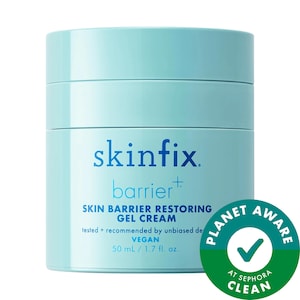
| Skinfix Barrier Gel Cream | Barrier support | Helpful if acne care makes skin tight |
The best papule routine is usually not the driest routine. It is the routine you can repeat without irritating the whole face.
What not to do
Avoid:
- squeezing
- dragging extraction tools over the bump
- applying toothpaste or alcohol
- using multiple spot treatments on top of each other
- scrubbing the bump
- skipping moisturizer
- using makeup brushes that need cleaning
- shaving directly over the bump if you can avoid it
Picking a papule often turns a red bump into a wound. The wound may take longer to fade than the pimple would have.
Why papules can leave marks
A papule does not have to be huge to leave discoloration. Inflammation alone can trigger a lingering pink, red, brown, or purple mark after the bump flattens. Picking makes that more likely because it adds injury on top of inflammation.
This is where sunscreen becomes acne care. Sun exposure can make post-acne uneven tone look more stubborn, especially on skin that tans or hyperpigments easily. A broad-spectrum sunscreen will not erase the papule, but it helps protect the healing skin around it.
If marks last for months, or if every papule leaves a dark spot, ask a dermatologist about options that treat both acne and post-acne discoloration.
How long to give a papule
A single papule may flatten in a few days, but some take a week or longer. The important thing is the direction of change. Less tenderness, less redness, and a flatter feel are good signs even if the mark is still visible.
If a papule gets larger, hotter, more painful, or starts feeling deep and firm, treat that as new information. It may be becoming a deeper lesion, or it may not be ordinary acne. Do not keep escalating spot treatments just because the bump is frustrating.
For recurring papules, judge the routine over several weeks. Acne prevention is slower than spot shrinking.
How makeup can make it worse
Papules are hard to cover because texture catches light. The instinct is to layer more concealer, powder, and setting spray. That can be fine for a day, but it becomes a problem if removal is poor or if the products are heavy and occlusive.
Try:
- thin layers instead of thick coverage
- clean brushes or disposable sponges
- removing makeup fully at night
- avoiding heavy oils near breakout-prone zones
- using sunscreen that does not require aggressive scrubbing to remove
If papules cluster exactly where a product sits, test that product as a possible trigger.
A routine for recurring papules
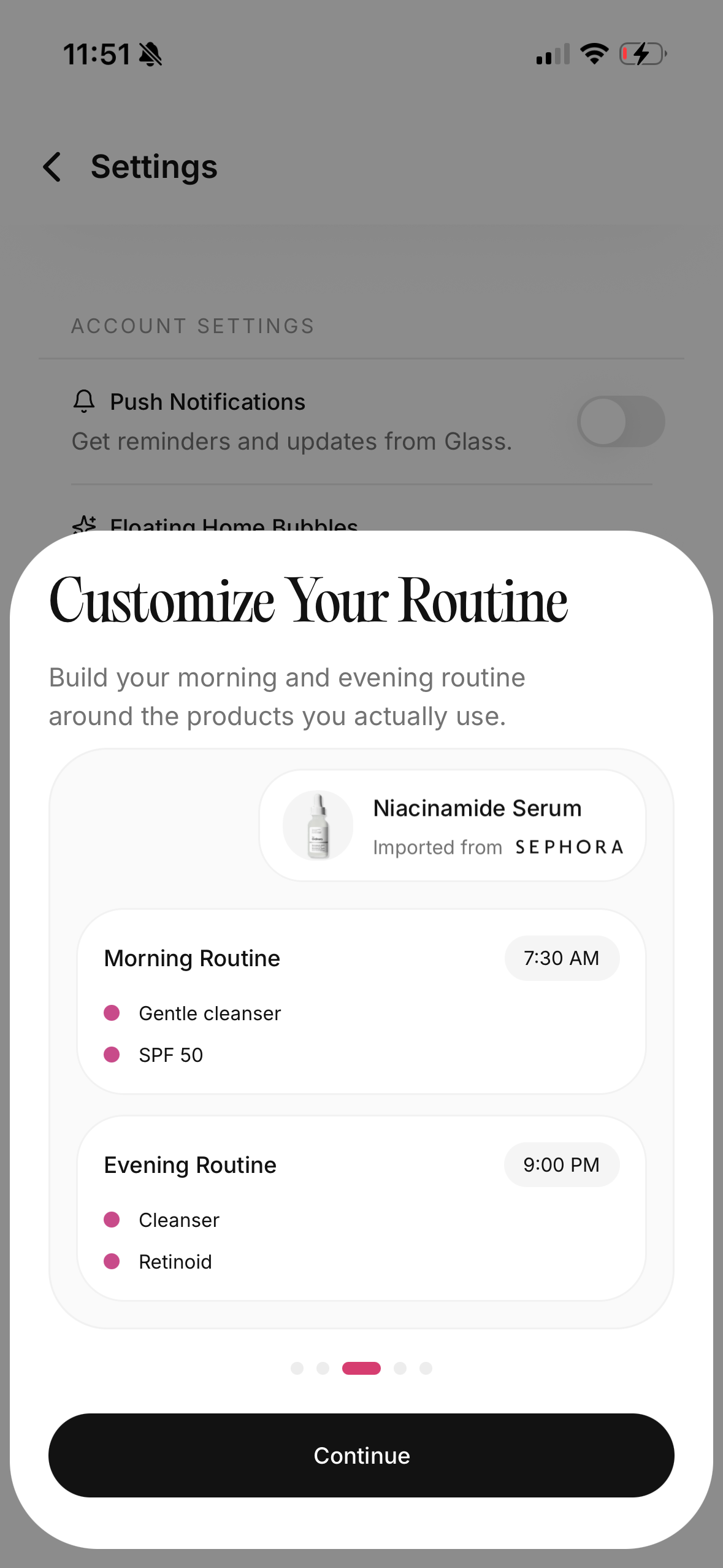
Morning:
- Gentle cleanse.
- Benzoyl peroxide if tolerated and recommended for your routine.
- Lightweight moisturizer.
- Sunscreen.
Night:
- Remove sunscreen and makeup.
- Cleanse.
- Adapalene or another treatment lane if appropriate.
- Moisturizer.
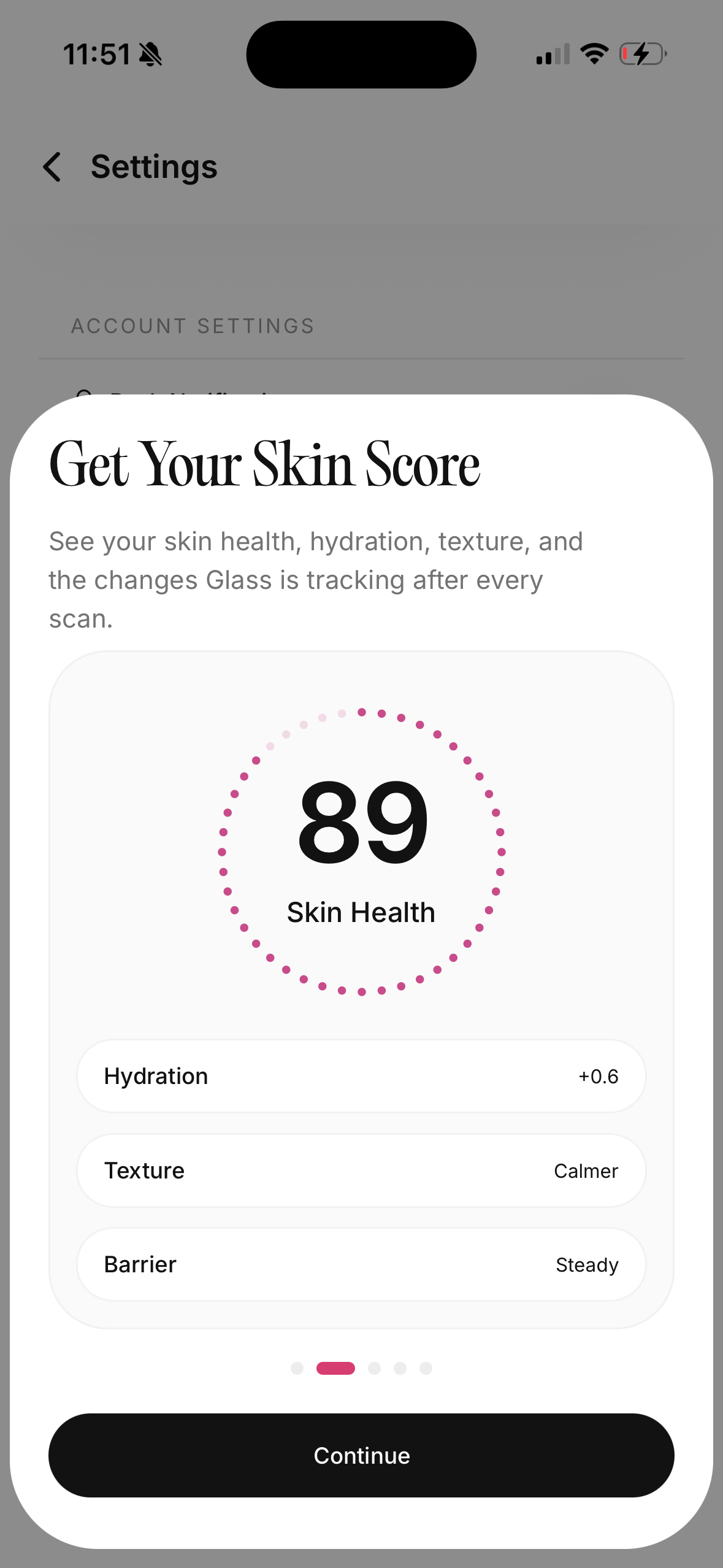
Keep this stable. Use Glass routine tracking or a simple note to record when papules appear, where they appear, and which products changed.
When it may not be a papule
If the bump is extremely itchy, blistered, crusted, rapidly spreading, or arranged in a rash-like pattern, do not assume it is acne. If it is deep and very painful, it may be a nodule or cystic lesion. If it sits around the mouth and flares with certain products, perioral dermatitis may be part of the conversation.
The face has many ways to make bumps. Acne is common, but it is not the only possibility.
When to see a dermatologist
See a dermatologist if:
- papules are frequent
- acne is leaving marks or scars
- bumps are painful
- over-the-counter care is not helping
- you are getting deeper nodules too
- you are pregnant, trying to conceive, or breastfeeding and unsure which ingredients are safe
Prescription care can be more targeted and less chaotic than trying every acne product one at a time.
The bottom line
A papule pimple is inflamed acne without a visible head. Do not pop it. Calm it, protect the barrier, and think about prevention if papules keep returning.
Treat the pattern, not just the bump.
The patience test
A papule pimple is one of those bumps that tempts you because it looks like something should come out, but nothing is ready. I would treat that as a patience test. If I leave it alone, support the barrier, and use only the treatment my skin already tolerates, it has a chance to flatten without becoming a wound. If I dig at it, I can turn a closed inflamed bump into broken skin, swelling, and a longer mark. The better question is not, "Can I pop this?" It is, "Can I help this calm down without adding trauma?"