Laser treatment for scars sounds simple.
It is not.
The word "laser" gets used like one category, but scar treatment is a consultation-heavy decision. The right plan depends on the kind of scar, the depth, the color of your skin, whether acne is still active, how you heal, your medications, your budget, and how much downtime you can realistically handle. A laser can improve the look and texture of some scars. It can also cause irritation, pigment changes, infection, prolonged redness, or disappointment if the scar type was wrong for the device.
So the goal in 2026 is not to chase the most aggressive machine. The goal is to understand what you are treating before anyone treats it.
Quick answer
Laser treatment can help some scars, including certain acne scars and surgical scars, but results vary and usually require a dermatologist or experienced medical clinician to assess the scar first. Ask about scar type, laser type, downtime, skin tone risk, pigment changes, active acne, infection prevention, aftercare, and whether another treatment would fit better. Do not book laser treatment on inflamed, infected, or undiagnosed skin.
What lasers can and cannot do
Lasers can resurface, heat, or remodel parts of the skin depending on the device. Some target texture. Some target redness. Some are ablative, meaning they remove outer layers of skin. Others are non-ablative, meaning they heat tissue without the same surface removal. Fractional lasers treat tiny columns of skin instead of the entire surface.
That sounds technical because it is technical. The practical version is this:
- lasers can soften the appearance of some scars
- lasers can improve texture in some people
- lasers can reduce redness in some vascular scars
- lasers cannot erase every scar
- lasers cannot guarantee smooth skin
- lasers cannot fix active acne by resurfacing over it
- lasers are not risk-free
The phrase "scar removal" is usually too strong. "Scar improvement" is more honest.
Scar type matters first
Before choosing treatment, identify the scar type.
| Scar pattern | What it can look like | Why it matters |
|---|---|---|
| Ice pick acne scars | Narrow, deeper pits | Often need targeted procedures, not just broad resurfacing |
| Boxcar scars | Wider depressions with edges | Laser may help, but depth matters |
| Rolling scars | Wave-like uneven texture | May need subcision or combination care |
| Hypertrophic scars | Raised, firm scars | Steroid injections or vascular lasers may be considered |
| Keloids | Raised scars extending beyond the original wound | Need careful specialist management |
| Red marks | Pink or red post-breakout color | Not the same as an indented scar |
| Brown marks | Post-inflammatory hyperpigmentation | Pigment management may be safer than resurfacing |
Many people call every leftover acne mark a scar. A red or brown mark is not the same as a dent. That distinction changes the plan.
Acne scars need acne control
If acne is still active, scar procedures can be frustrating. New breakouts can create new marks while you are paying to treat old ones. Inflamed skin may also tolerate procedures poorly.
A dermatologist may want to stabilize acne first with a routine, prescription treatment, or both. That is not a delay for no reason. It protects the investment and lowers the chance that new inflammation keeps undoing progress.
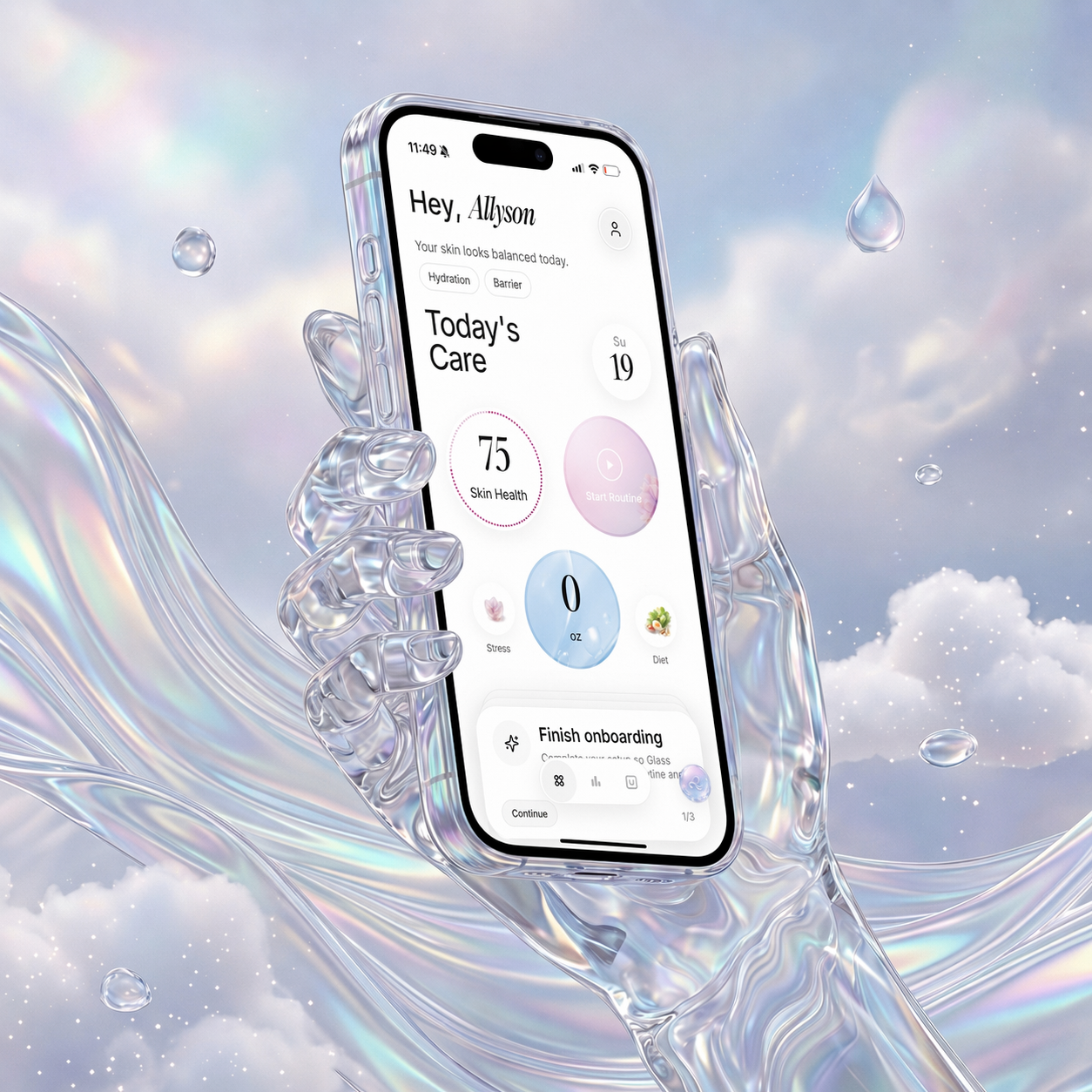
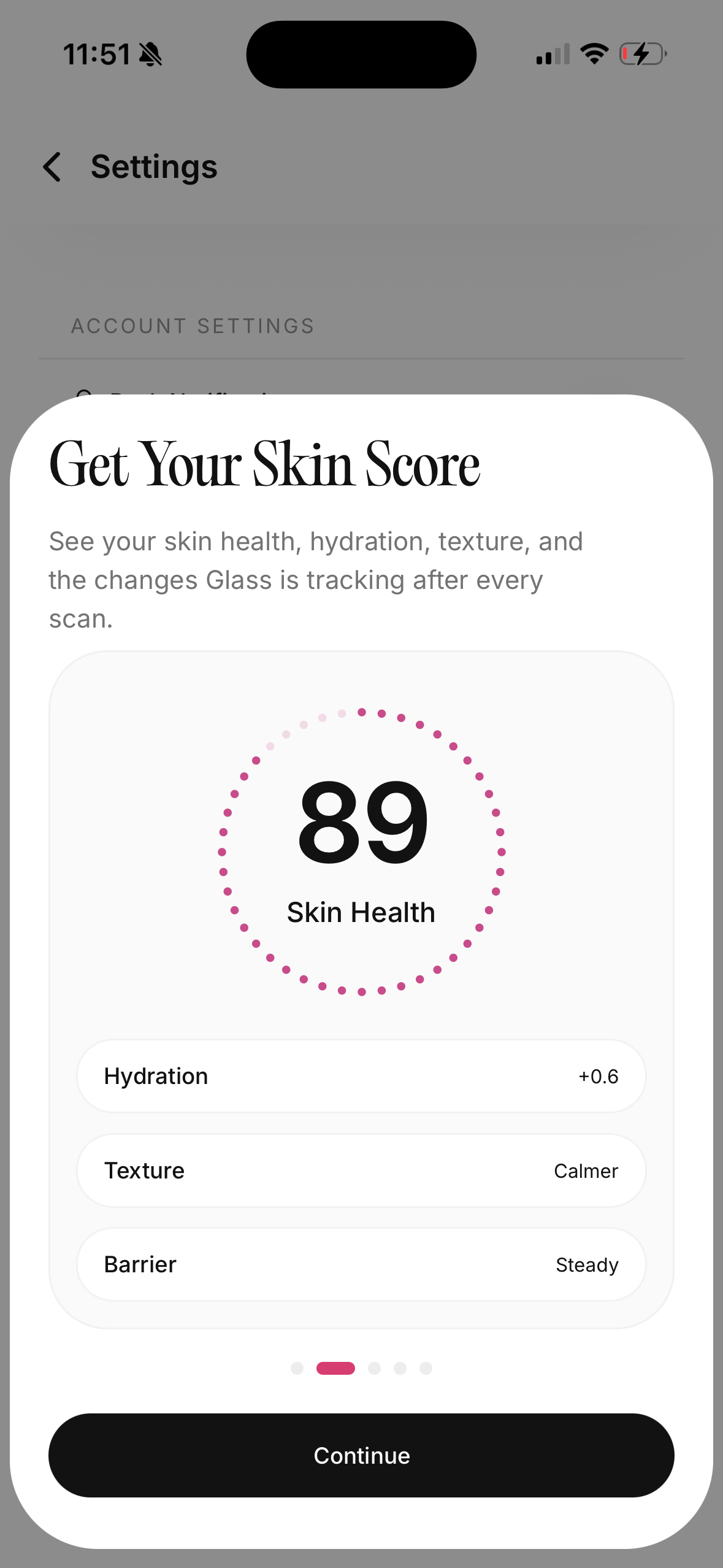
If your breakouts are still unpredictable, use a tracker before the consultation. Glass can help document where acne happens, how long it lasts, and which routine changes actually correlate with calmer skin.
Ablative versus non-ablative lasers
This is one of the first distinctions to understand.
Ablative lasers remove or vaporize outer layers of skin and heat deeper layers. They can be more intensive and may offer stronger resurfacing for some scars, but they generally involve more downtime and risk.
Non-ablative lasers heat the skin without removing the same surface layer. They often have less downtime, but results can be subtler and require multiple sessions.
Fractional technology can exist in both categories. Fractional treatment creates small treatment zones, which can shorten healing compared with full-field resurfacing, but it is still a medical procedure with risks.
Do not choose based on the most dramatic before-and-after photo. Choose based on your scar type and risk profile.
Skin tone and pigment risk
Skin tone matters. People with brown or Black skin, and people who tan easily, can have a higher risk of post-treatment pigment changes after some laser procedures. That does not mean laser treatment is impossible. It means the provider's experience with your skin tone is essential.
Ask direct questions:
- How do you adjust settings for my skin tone?
- What pigment risks do you see for me?
- Do you pre-treat with pigment-control products?
- How do you manage post-inflammatory hyperpigmentation?
- Are there lower-risk alternatives?
- Can I see examples on skin similar to mine?
If the answer is vague, pause. Confidence without specificity is not enough.
Downtime is part of the treatment
Downtime is not just "a few red days." Depending on the laser, treated skin can be swollen, tender, peeling, crusted, pink, sensitive to sun, or reactive to products. Ablative resurfacing can require serious aftercare.
Plan around:
- work and video calls
- workouts
- sweating
- sun exposure
- travel
- makeup restrictions
- infection prevention
- cold sore history
- follow-up appointments
If you cannot follow aftercare, do not book an aggressive treatment. A careful treatment done at the wrong time can still heal badly.
Questions to ask in consultation
Bring written questions. A good consult should not feel like a sales timer.
Ask:
- What type of scar do I have?
- Is laser the best first option?
- Which device would you use and why?
- Is it ablative, non-ablative, fractional, vascular, or another type?
- How many sessions are realistic?
- What level of improvement is realistic for my scar type?
- What are the risks for my skin tone?
- What downtime should I expect?
- What aftercare is required?
- What would make you stop or change the plan?
- What happens if I get hyperpigmentation?
- Should active acne be treated first?
The best answer is not always "laser today." Sometimes it is subcision, microneedling, fillers, steroid injections, pigment management, sunscreen, acne control, or waiting.
When another treatment may fit better
Scar treatment is often combination work.
Indented acne scars may involve subcision, punch excision, fillers, microneedling, radiofrequency microneedling, chemical reconstruction of individual scars, resurfacing, or staged combinations. Raised scars may need steroid injections, silicone, pressure, laser for redness, or other medical approaches.
This is why one-size-fits-all packages can be risky. A rolling scar and an ice pick scar do not behave the same. A fresh surgical scar and a years-old acne scar do not need the same conversation.
What to avoid before laser
Follow your clinician's instructions. In general, you should disclose:
- isotretinoin history
- cold sores or herpes outbreaks
- keloid history
- autoimmune conditions
- immune suppression
- pregnancy or breastfeeding
- recent tanning
- active acne
- active infection
- blood-thinning medications or supplements
- recent procedures or peels
Do not hide information because you want to be approved. The point of a consult is to avoid preventable harm.
Aftercare matters
Aftercare can decide whether a result heals cleanly.
Typical themes include gentle cleansing, bland moisturizing, sun avoidance, sunscreen when allowed, avoiding picking, pausing strong actives, and using any prescribed antiviral or antibiotic guidance exactly as directed.
Do not freestyle with retinoids, exfoliating acids, scrubs, vitamin C, or fragrance right after laser. If skin is healing, it needs calm. Save the ambitious routine for later.
If you use Glass, this is a good time to log recovery photos under consistent lighting. Early redness can make people panic, while gradual improvement can be hard to notice day to day. Documentation helps you have a more factual follow-up.
Red flags after treatment
Contact the treating clinician promptly for:
- worsening pain
- spreading redness
- pus
- fever
- blisters beyond what you were told to expect
- severe swelling
- eye symptoms
- signs of cold sore flare
- darkening or lightening that concerns you
- open areas that are not healing
Do not wait for a routine follow-up if something feels wrong. Laser recovery is not the time to guess.
A realistic result mindset
Scar treatment usually improves appearance; it rarely rewinds skin completely. Some people need multiple sessions. Some see modest change. Some scars respond better than others. Lighting can exaggerate or hide texture, so compare photos carefully.
The most honest goals sound like:
- smoother texture
- softer edges
- less visible shadowing
- less redness
- better makeup laydown
- more confidence in normal lighting
Those goals are still meaningful. They are just not the same as erasing a scar from every angle.
How to prepare your routine
Before any scar procedure, keep the routine simple unless your clinician gives a specific plan.
Focus on:
- gentle cleanser
- barrier-supporting moisturizer
- sunscreen
- acne control if needed
- avoiding picking
- avoiding unnecessary exfoliation
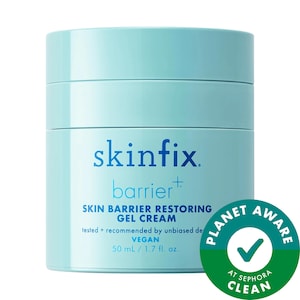
Skinfix Barrier Restoring Gel Cream is one lightweight moisturizer option for people who dislike heavy creams. The Ordinary Azelaic Acid can be useful in some blemish-prone routines, but stop or continue actives only according to your provider's pre-procedure instructions.
Bottom line
Laser treatment for scars can be worthwhile, but it is not casual skincare. It is a medical procedure that needs the right scar diagnosis, the right device, the right provider, and the right recovery plan.
Go into the consultation with questions. Ask about skin tone, downtime, risks, active acne, and realistic improvement. If someone promises perfect skin, treat that as a warning sign. The best scar plan is measured, specific, and honest about tradeoffs.