An infected pimple is not the time to prove your pain tolerance.
Most pimples are annoying. Some are inflamed. A true infection is different: more pain, more swelling, spreading redness, warmth, drainage, or symptoms that feel bigger than a normal breakout. The tricky part is that several skin problems can look like an infected pimple at first, including boils, folliculitis, cysts, and hidradenitis suppurativa.
The safest 2026 rule is simple: do not squeeze a painful, worsening bump. Calm it, protect it, and get medical care if it is spreading, severe, near the eye, or not behaving like an ordinary blemish.
What an infected pimple can look like
A pimple can become infected when bacteria get into an inflamed follicle, especially after squeezing, picking, shaving over it, or irritating the skin barrier. Cleveland Clinic notes that infected pimples can become very sore, red, or inflamed, and picking can increase infection risk.
Signs that make me more cautious:
- increasing pain
- spreading redness
- warmth around the bump
- swelling that grows
- pus or drainage
- a yellow crust
- fever or feeling unwell
- red streaking
- location near the eye, nose, or lip
If it looks and feels worse each day, I would not keep treating it like a normal whitehead.
Pimple, boil, cyst, or folliculitis?
The label matters because the care can change.
| Possibility | Common clues | Why it matters |
|---|---|---|
| Inflamed pimple | Red tender bump, sometimes pus tip | Often acne-related but should not be squeezed |
| Infected pimple | More pain, warmth, swelling, worsening redness | May need medical treatment |
| Boil | Painful deeper lump from infected follicle | Warm compresses may help, but provider care may be needed |
| Folliculitis | Small pimple-like bumps around hair follicles | Can be bacterial, fungal, friction-related, or shaving-related |
| Epidermoid cyst | Firm bump under skin that may inflame | Squeezing can worsen rupture and inflammation |
Cleveland Clinic describes boils as painful skin abscesses that come from bacteria infecting a hair follicle, and folliculitis as inflamed or infected hair follicles that can look like pimples. That overlap is why guessing from the mirror has limits.
What I would do first at home
If the bump is small, not near the eye, not rapidly spreading, and you feel well, I would keep home care gentle.
- Stop squeezing or picking.
- Wash hands before touching the area.
- Cleanse gently.
- Apply a warm compress for 10 to 15 minutes.
- Keep the area protected from friction.
- Avoid makeup over open drainage if possible.
- Do not layer acids, retinoids, or drying spot treatments on broken skin.
A warm compress can help comfort and drainage for some inflamed bumps, but forcing drainage is a bad idea. Do not stab, lance, or dig.
What not to put on it
I would avoid harsh “sterilizing” home remedies.
Do not use:
- toothpaste
- lemon juice
- rubbing alcohol
- hydrogen peroxide repeatedly
- crushed aspirin paste
- essential oils
- high-strength exfoliating acids
- pore strips over the bump
- heavy occlusive makeup over drainage
These can irritate the surrounding skin and make it harder to tell whether redness is infection or chemical irritation.
Where acne products fit
Acne treatments help acne-prone skin, but they are not always right for an infected or open bump.
A salicylic acid spot treatment, like Dr. Dennis Gross 2% Salicylic Acid Gel, may make sense for an intact blemish-prone spot that is not open or severely inflamed. A cleanser like Kiehl's Salicylic Face Wash may fit an oily acne routine. But neither is a substitute for medical care if infection signs are present.
| Image | Product | Use with caution when |
|---|---|---|
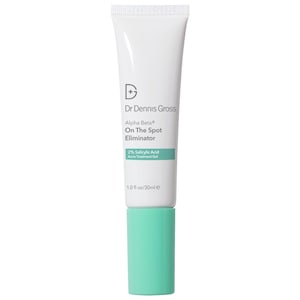 | Dr. Dennis Gross 2% Salicylic Acid Gel | The bump is open, cracked, or very inflamed |
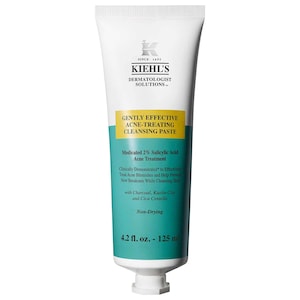 | Kiehl's Salicylic Face Wash | Your whole face is dry, stinging, or compromised |
If the spot is acting infected, the priority is safety, not clearing pores.
When to call a clinician
I would call a clinician or dermatologist if:
- redness is spreading
- the area is hot and increasingly painful
- the bump is larger than a typical pimple
- fever or chills appear
- red streaks appear
- swelling is near the eye
- the bump is on the nose or central face and worsening
- drainage smells bad or keeps increasing
- you are immunocompromised
- you have diabetes
- the same type of painful bump keeps recurring
Cleveland Clinic says many boils heal with home treatments, but it is a good idea to call a provider if you have signs of a boil, especially when painful, so they can make sure infection is not spreading or worsening.
That is a useful threshold. Pain plus progression deserves respect.
Why the face needs extra caution
The face is visible, sensitive, and full of blood supply. A worsening infection near the eye, nose, or upper lip should not be treated casually. You do not need to panic over every pimple in that area, but you should not squeeze a painful swollen bump there and hope for the best.
If the eyelid swells, vision changes, fever appears, or redness spreads quickly, seek urgent care.
If it keeps coming back
Recurring infected-looking bumps are a different problem from one irritated pimple.
Patterns to notice:
- same area every time
- after shaving
- after workouts
- under masks or helmets
- in the armpits or groin
- bumps that drain and scar
- clusters around hair follicles
Recurring painful boils in sweaty areas can be a clue for hidradenitis suppurativa. Cleveland Clinic describes HS as a condition that causes painful recurring boils in sweat-gland areas and can lead to scarring. It is not contagious, and it deserves medical care.
How to prevent the next one
Prevention depends on the cause, but I would start with friction and picking.
Useful habits:
- change pillowcases regularly
- clean phone screens
- avoid picking clogged pores
- use clean razors
- shave with less pressure
- shower after heavy sweating
- avoid tight friction over breakout-prone areas
- patch test heavy balms or oils
- keep acne treatment consistent
If acne is the underlying trigger, a routine built around salicylic acid, benzoyl peroxide, retinoids, azelaic acid, or prescriptions may help. If folliculitis is the trigger, the plan may be different. That is why persistent bumps deserve diagnosis.
How to track it without obsessing
Take one photo in normal light if you need to monitor change. Do not squeeze it for a better look. Do not take twenty macro photos that make it look more dramatic than it is.
Track:
- size
- pain
- warmth
- spreading redness
- drainage
- fever
- what you applied
If you use Glass skin tracking, keep notes practical. The point is to see whether it is improving or worsening, not to grade your face.
What a clinician may do
Depending on what it is, a clinician may recommend prescription topical antibiotics, oral antibiotics, drainage by a professional, culture testing, acne treatment changes, or evaluation for cysts, folliculitis, or HS.
Do not try to copy medical procedures at home. Professional drainage is done with sterile technique and judgment. At-home cutting can push infection deeper, cause scarring, or create a bigger wound.
Questions to bring if you go in
If you see a clinician, the visit is easier when you can describe the timeline. I would write down when the bump appeared, whether you squeezed it, what you applied, whether the redness is spreading, and whether this has happened before.
Ask:
- Does this look infected or just inflamed?
- Is it acne, a boil, folliculitis, a cyst, or something else?
- Do I need a culture or prescription treatment?
- Should I stop my current acne products until it heals?
- What signs mean I should come back urgently?
That last answer is the one I would not leave without. Skin infections can change quickly, and clear instructions beat guessing from the bathroom mirror.
The bottom line
An infected pimple is a safety problem before it is a skincare problem. Do not squeeze it. Use gentle cleansing and warm compresses if it is mild and not spreading. Get medical care quickly if pain, warmth, redness, swelling, fever, drainage, or location makes it concerning.
Useful references: Cleveland Clinic on infected pimples, Cleveland Clinic on boils and carbuncles, and Cleveland Clinic on folliculitis.
What I would change next time
The biggest mistake I would avoid is waiting until the skin is already angry before I change my behavior. If a pimple starts feeling unusually sore, I would stop touching it early, keep the routine plain, and avoid layering acids, scrubs, drying masks, and spot treatments over compromised skin. I would also take one clear photo in normal light so I can tell whether redness is spreading or simply settling. That small record matters because memory gets unreliable when you are worried. If the bump calms, good. If it gets warmer, larger, more painful, or starts draining, I would not keep experimenting. I would treat that as a medical-care moment.