
A blackhead feels simple until it gets angry.
Dark dot.
Tiny plug.
Then redness, swelling, tenderness, crust, or pus shows up and suddenly it is not a normal blackhead anymore. This is usually the moment people squeeze harder, which is exactly when the skin needs less force and more caution.
An infected blackhead, or a blackhead that has become inflamed and possibly infected, should not be treated like a satisfying extraction project.
Quick answer
An infected blackhead may look red, swollen, painful, warm, crusted, or pus-filled around a clogged pore. Do not squeeze it. Cleanse gently, avoid picking, use warm compresses only if soothing, protect broken skin, and seek medical care for spreading redness, severe pain, fever, warmth, swelling, red streaks, eye-area involvement, repeated drainage, or a bump that is not improving.
What a blackhead is
A blackhead is an open comedone. The dark color is not dirt. It comes from material in the pore being exposed to air and oxidizing.
Normal blackheads are usually not painful, hot, or swollen. They may be annoying, but they should not feel like an infection.
When the area becomes tender, red, or pus-filled, the situation has changed. It may be an inflamed acne lesion, irritated pore, folliculitis, boil, cyst, or infected wound from picking.
Signs it may be infected or more than a blackhead
Watch for:
- increasing pain
- warmth
- swelling
- spreading redness
- pus
- yellow crust
- throbbing
- red streaking
- fever
- tenderness beyond the pore
- worsening after squeezing
If symptoms are spreading or systemic, this is medical-care territory.
Why squeezing is risky
The American Academy of Dermatology warns that popping pimples at home can push material deeper into the skin, increase inflammation, and raise the risk of infection and scarring.
With a blackhead, the risk rises when you use dirty tools, fingernails, repeated pressure, or sharp objects. You can turn a clogged pore into broken skin. Broken skin can become a wound. A wound can get infected.
If you already squeezed it raw, stop. Do not keep going back to “finish” it.
What to do right now
If the skin is intact and mildly inflamed:
- Wash with a gentle cleanser.
- Use a clean warm compress if it feels soothing.
- Do not squeeze.
- Avoid strong actives directly on irritated skin.
- Moisturize if the surrounding skin is dry.
- Watch whether redness is shrinking or spreading.
If the skin is open, bleeding, or crusted, think wound care: gentle cleansing, no acids on the raw spot, no picking, and medical care if infection signs appear.
What if you already squeezed it
If you already squeezed the blackhead and now it looks worse, the next move is to stop creating new trauma. Wash your hands. Cleanse gently. Do not go back with tweezers, needles, comedone tools, or fingernails. Do not apply acid or retinoid directly to raw skin.
Watch the direction of change. A little tenderness after irritation can calm. Expanding redness, increasing warmth, worsening pain, pus, fever, or swelling near the eye is different.
If you are embarrassed, do not let that delay care. Clinicians see picked acne and inflamed pores constantly. They need honesty so they can judge infection risk.
Product roles after the area calms
| Image | Product | Possible role | Do not use when |
|---|---|---|---|
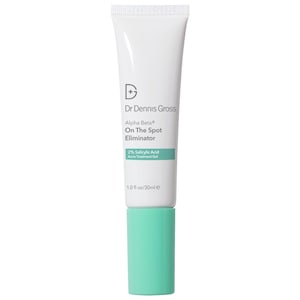
| Dr. Dennis Gross 2% Salicylic Acid Gel | Clogged-pore prevention | Skin is open, raw, or infected-looking |
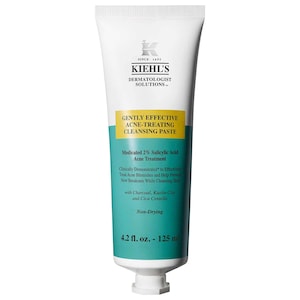 | Kiehl's Salicylic Face Wash | Acne-prone cleansing | The area burns or cracks |
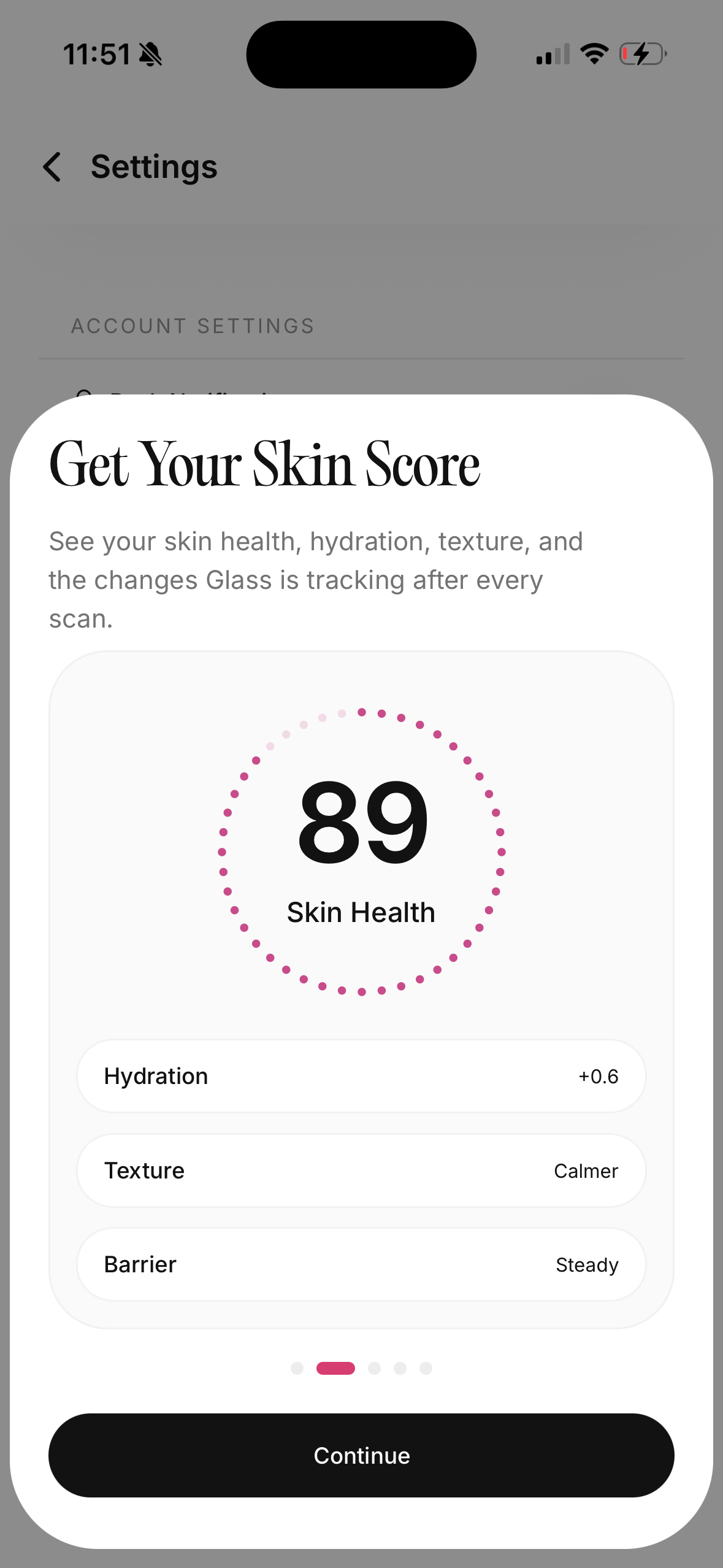 | Glass tracking | Monitor healing and recurrence | Symptoms are urgent |
Acne actives are for prevention and intact skin. They are not substitutes for infection care.
Why blackheads keep returning
Blackheads can recur because pores keep producing oil and shedding skin cells. If you only extract the plug, you are not changing the conditions that created it. That is why prevention ingredients and steady cleansing matter more than dramatic one-time removal.
Retinoids, salicylic acid, and professional extractions may all be discussed depending on severity and tolerance. But the routine has to respect the skin. If every blackhead session ends with broken capillaries, scabs, or dark marks, the method is too aggressive.
For many people, fewer extractions and more prevention is the turning point.
When warm compresses help
Warm compresses can soothe some inflamed bumps and encourage natural drainage if a lesion is close to the surface. Use clean warm water, not hot water. Keep it brief.
Do not use heat to force a painful lump open. If warmth increases swelling, stop. If the bump is near the eye, very painful, or rapidly changing, skip experiments and get care.
When it might be a boil or cyst
A painful, warm, swollen bump may be more than an infected blackhead. Boils are deeper infections around hair follicles. Inflamed cysts can become tender and swollen. Folliculitis can create pimple-like bumps around hairs.
Mayo Clinic notes that folliculitis can involve clusters of bumps around hair follicles, pus-filled blisters, itching, burning, pain, and inflamed bumps. More serious or repeat infections may need prescription medicine.
If the bump is deep, hot, and painful, do not dig at it.
Red flags
Seek medical care promptly for:
- fever or chills
- feeling unwell
- rapidly spreading redness
- red streaks
- severe pain
- swelling near the eye, nose, or lip
- warmth and worsening swelling
- lots of pus or repeated drainage
- a bad smell
- immune suppression or diabetes
- no improvement after a short period of careful care
Urgent care is reasonable when infection signs are spreading.
What a clinician may do
A clinician may examine the bump and decide whether it is inflamed acne, an abscess, folliculitis, cellulitis, a cyst, or another condition. Treatment could include prescription topical medication, oral medication, drainage in a sterile setting, or referral depending on severity.
Do not attempt your own drainage with needles or extraction tools. Technique, sterility, depth, and diagnosis matter.
Special caution near the eye and nose
Blackheads around the nose are common, but infected-looking bumps near the central face deserve caution. The skin is visible, sensitive, and easy to overwork. Swelling around the eye, rapidly worsening pain, or spreading redness should not be handled with bathroom extraction tools.
If the bump is inside the nose, on the eyelid, or very close to the eye, do not use acne actives or tools there without medical guidance. Location can change risk and treatment choices.
When in doubt, choose care over squeezing.
If it is under a beard or hairline
Blackhead-like bumps under beard hair or along the hairline can overlap with ingrown hairs, folliculitis, acne, and product buildup. Oils, pomades, waxes, helmets, hats, and shaving can all change the pattern.
Avoid digging through hair to extract a bump you cannot see clearly. Cleanse the area, pause heavy hair products that touch the skin, and avoid shaving directly over a painful bump. If the spot is warm, swollen, draining, or spreading, get it checked.
Hair-bearing skin adds follicle problems to the blackhead conversation, so prevention may involve grooming habits as much as face products.
How to prevent blackheads safely
Prevention is where skincare belongs.
Helpful lanes may include:
- gentle cleansing
- salicylic acid if tolerated
- retinoids if appropriate
- non-comedogenic sunscreen
- removing makeup thoroughly
- avoiding heavy pore-clogging products
- not picking at visible pores
Blackheads improve slowly. Repeated squeezing creates more redness than progress.
Nose, chin, back, and ear blackheads
Location changes risk.
Nose and chin blackheads are common and tempting to squeeze. Ear blackheads can be hard to see and easy to injure. Back blackheads may involve friction, sweat, and body acne. Any site can become inflamed if picked.
If the bump is in a hard-to-reach area, do not use sharp tools blindly.
How to track recurrence
Use Glass to log:
- where blackheads recur
- products used
- extraction attempts
- irritation afterward
- makeup or sunscreen changes
- photos in the same light
- whether bumps become painful
If a “blackhead” in the same spot repeatedly swells, drains, and returns, ask a clinician whether it might be a cyst or another lesion.
Keep the prevention gentle
Blackhead prevention should make skin steadier, not raw. If your routine leaves stinging patches, scale back before you create another irritated pore.
Bottom line
An infected blackhead is not the time to squeeze harder.
Clean gently. Stop picking. Avoid acids on broken skin. Watch for spreading redness, warmth, severe pain, fever, drainage, and eye-area swelling. Get medical care when symptoms move beyond a mild irritated pore.
The best blackhead routine prevents clogs before they become wounds.
Gentle prevention beats emergency extraction almost every time.
The first decision is whether to stop touching it
With an infected blackhead, the first useful decision is not which active to add. It is whether you can stop touching it. If the skin is swollen, warm, tender, draining, or broken, more squeezing can push irritation deeper and make the area harder to heal. I would clean the area gently, avoid acids on open skin, and watch for spreading redness or worsening pain. If symptoms are moving in the wrong direction, I would not keep negotiating with myself in the mirror. I would get medical advice.
How I would tell blackhead irritation from a bigger problem
A recently squeezed blackhead can look red and annoyed for a short time. That is different from a bump that becomes increasingly painful, hot, swollen, or pus-filled. It is also different from a spot that keeps returning in the same place, which may be a cyst or another lesion rather than a simple clogged pore. If the area is near the eye, nose, or lip, I would use extra caution. Face infections in sensitive zones are not worth at-home experiments.
What prevention looks like after it heals
After the skin closes and calms, I would move back to prevention slowly. A salicylic acid product may help some blackhead-prone skin. A retinoid may help others. But I would introduce one lane at a time and moisturize enough to keep the skin from peeling. Dry, irritated skin is easier to pick and harder to read.
What I would not use
I would not use needles, pore vacuums on inflamed skin, harsh scrubs, repeated extraction tools, toothpaste, alcohol, or peroxide as a daily fix. Those can make a small clogged pore into a larger wound. If blackheads are widespread, a dermatologist or licensed professional extraction plan is safer than repeated bathroom pressure.
The real win
The real win is not getting one blackhead empty. It is building a routine that makes fewer blackheads become inflamed in the first place. Once the skin is infected-looking, prevention has already missed its window. Heal first, then prevent.