I was doing it too late.
That was the problem.
Not the cleanser. Not the serum. Not the moisturizer. Not even retinol.
The routine was sitting at the worst possible point in my night: after I was already tired, already in bed mentally, already negotiating with myself about whether my skin could survive one lazy evening.
Some nights I did everything.
Some nights I washed my face and skipped the treatment.
Some nights I forgot whether I had used retinol yesterday, used an exfoliant anyway, and woke up with that tight, shiny feeling that makes your skin look reflective for all the wrong reasons.
So in May 2026, I changed the timing before I changed the products.
I moved the whole routine earlier.
Not dramatically. Just enough that skincare stopped being the final chore of the day and became part of shutting the day down.
That one change made the order easier to follow, made retinol less chaotic, and made recovery nights feel intentional instead of like failure.
The routine order that works when you are tired
The best nighttime skincare routine order is simple: remove sunscreen or makeup, cleanse, apply one treatment lane if your skin is ready, then moisturize. If your skin is irritated, skip the treatment and make it a recovery night.
That is the order I trust:
- First cleanse, only if you wore sunscreen, makeup, or heavy product.
- Gentle cleanser.
- One treatment lane: retinol, exfoliant, pigment support, or hydration.
- Moisturizer.
- Optional balm on dry patches, not the whole face unless you know you need it.
The part that changed my routine was not adding more steps. It was putting those steps earlier in the evening, before my discipline was gone.
I like doing it after dinner, after a workout shower, or right after I know I am done going outside. If I wait until the last ten minutes before sleep, I start making bad little bargains with myself. If I do it earlier, the routine is just done.
The May 2026 product map I would use
I would not buy this entire table at once. I would use it like a map. Pick the slot that is actually failing, fix that one, and keep the rest of the routine boring long enough to see what changes.
| Image | Slot | Product | Best for | How I would use it |
|---|---|---|---|---|
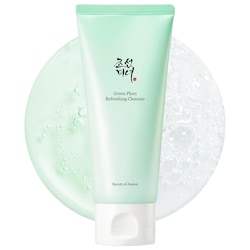 | Cleanser | Beauty of Joseon Green Plum Refreshing Cleanser for Gentle Daily Wash | A night cleanse that does not make skin feel squeaky | Use after a balm or alone on light days |
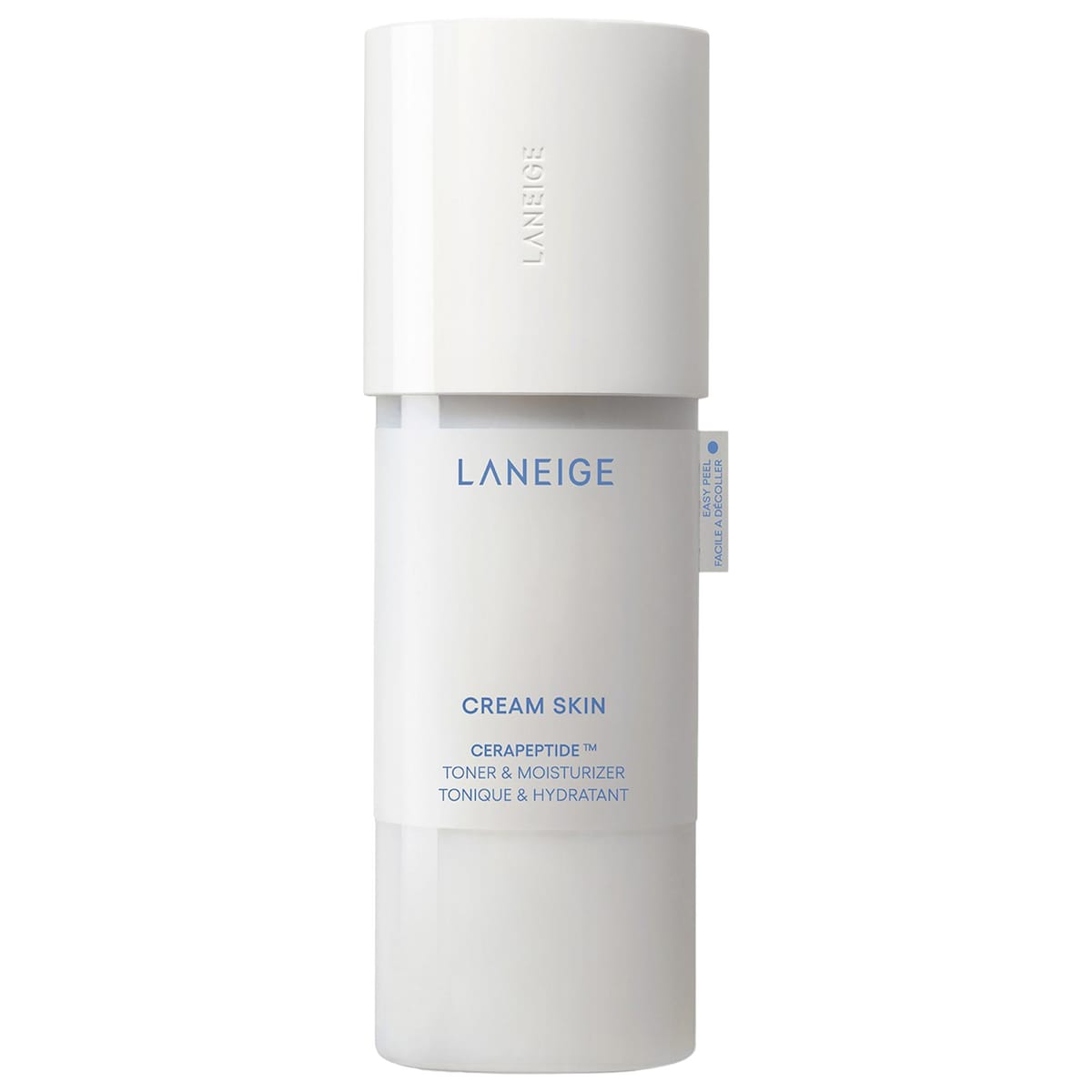
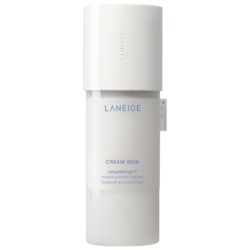 | Comfort layer | LANEIGE Cream Skin Milky Toner with Ceramides and Peptides | Tight, dry, over-cleansed, or barrier-tired skin | Press in before moisturizer on recovery nights |
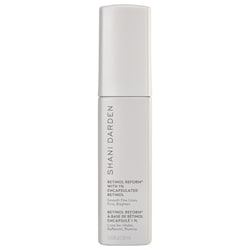 | Retinol night | Shani Darden Retinol Reform with 1% Encapsulated Retinol | Texture, fine lines, dullness, and long-term smoothness | Start one or two nights a week, then build slowly |
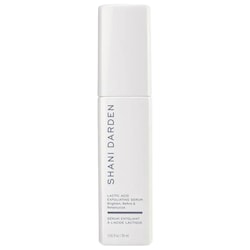 | Exfoliation night | Shani Darden Lactic Acid AHA Exfoliating Serum | Dullness and rough texture when skin is not irritated | Use on a separate night from retinol |
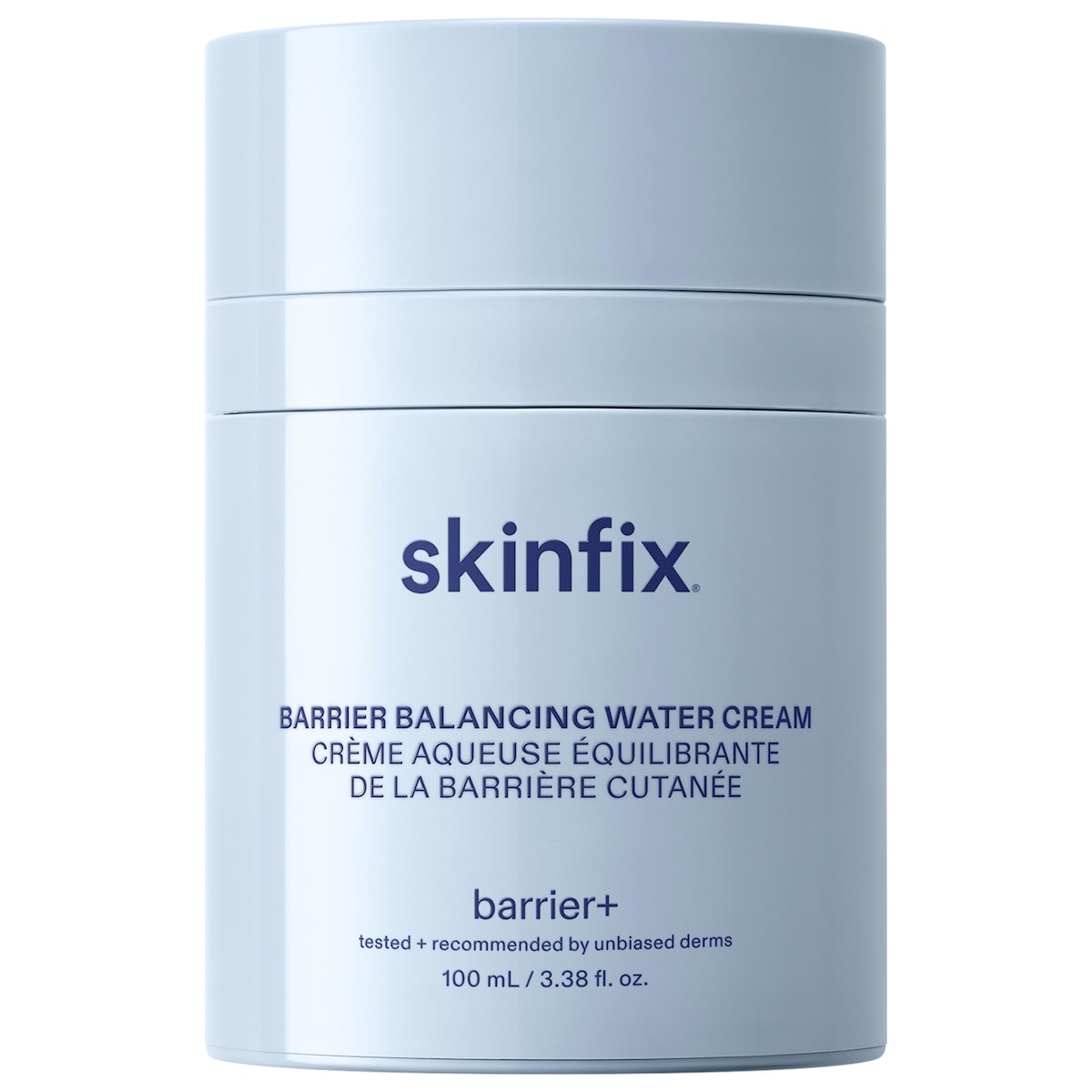
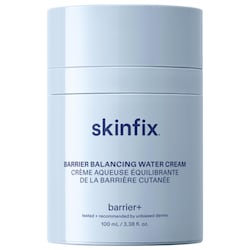 | Moisturizer | Skinfix Barrier Balancing Water Cream Moisturizer | Oily or combination skin that still needs a real seal | Use every night, thinner on active nights |
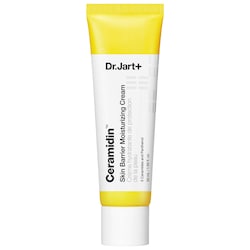 | Richer repair | Dr. Jart+ Ceramidin Skin Barrier Moisturizing Cream | Dry or irritated skin that needs more cushion | Use on recovery nights or over lighter hydration |
The table matters because most night routines fail in one of three places.
The cleanse is too aggressive.
The treatment schedule is too ambitious.
The moisturizer is either skipped or too heavy for the person using it.
If you fix those three, the routine usually gets calmer fast.
I stop treating bedtime like the deadline
This was the biggest behavioral change.
For years, I thought nighttime skincare belonged right before sleep. It sounded logical. Night routine. Bedtime. Same thing.
But bedtime is exactly when I am least interested in making good decisions.
That is when I forget whether I used retinol the night before. That is when I start wondering if an exfoliant would make my skin look smoother by morning. That is when I use too much product because I am half-paying attention. That is when I skip moisturizer because my face "feels fine" and then wake up oily and tight.
Moving the routine earlier gave me a cleaner read.
I can cleanse without rushing. I can decide whether it is a treatment night while I still have a brain. I can moisturize properly. If a product tingles more than usual, I notice it instead of falling asleep and discovering the irritation in the morning.
The routine did not become more impressive.
It became less chaotic.
That is usually what skin needs first.
Step 1: Remove the day without punishing your face
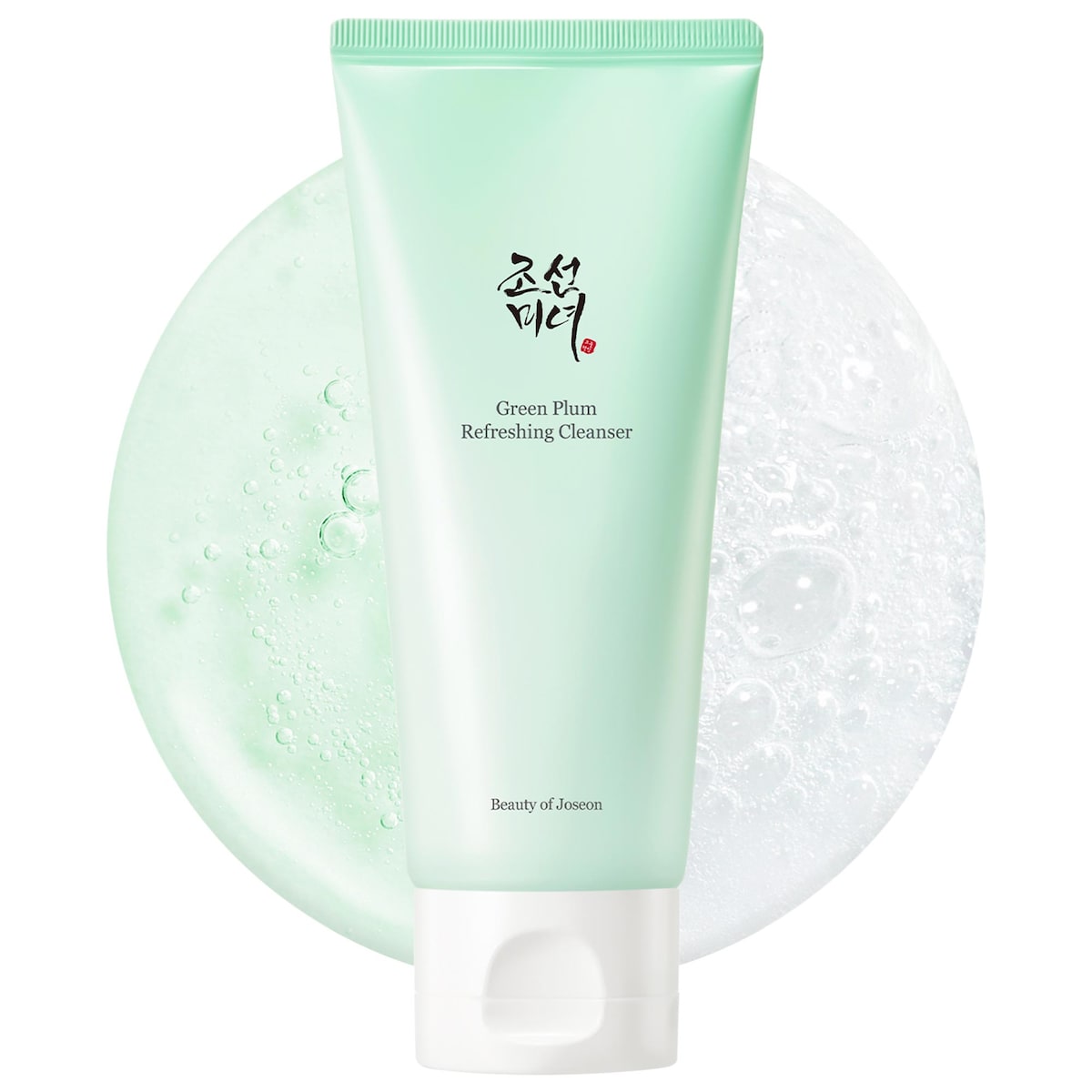
Night cleansing has a real job.
It has to remove sunscreen, makeup, sweat, oil, and whatever your face collected while you were living your life. But it does not need to make your skin feel bare.
That is where people overcorrect.
If I wore sunscreen or makeup, I like a first cleanse before my regular cleanser. It can be a cleansing balm, micellar water, or oil cleanser. The point is to dissolve the stubborn layer so the second cleanse does not have to become harsh.
Then I use a gentle cleanser and stop.
The American Academy of Dermatology keeps face washing advice very simple: use a gentle, non-abrasive cleanser, avoid scrubbing, and use lukewarm water. That sounds basic until you realize how many irritated routines start with a cleanser that makes the face feel squeaky and tight.
Squeaky is not my goal.
Ready is my goal.
After cleansing, my skin should feel clean enough for the next step and calm enough that I do not need to rescue it immediately.
Step 2: Pick one lane, not every lane
This is where the order gets messy.
People hear "treatment" and start stacking.
Retinol for texture. Acid for glow. Niacinamide for oil. Vitamin C for tone. Hydration serum because the skin feels tight. Spot treatment because one breakout showed up.
That can turn one night into a crowded little chemistry project.
I would rather pick one lane:
- Retinol night for texture, fine lines, and long-term smoothness.
- Exfoliation night for dullness and rough surface texture.
- Pigment-support night for uneven tone or post-breakout marks.
- Recovery night for tightness, stinging, flakes, or general irritation.
One lane is easier to judge.
If I use retinol and wake up dry, I know what probably did it. If I use retinol, lactic acid, a brightening serum, and a new moisturizer on the same night, I have no idea what my skin is reacting to.
That is not a routine.
That is a guessing game.
Step 3: Retinol needs a schedule, not confidence
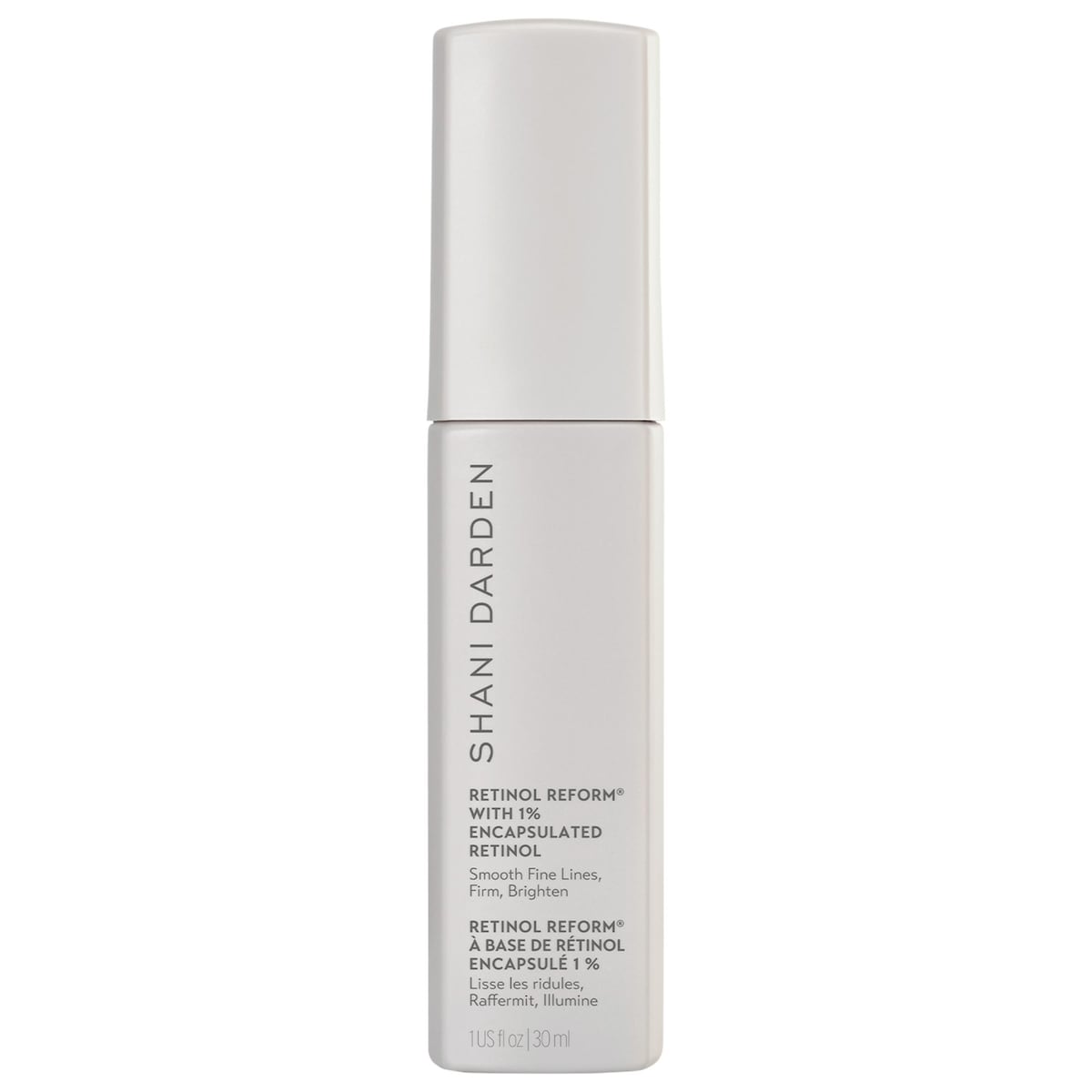
Retinol is one of the few over-the-counter ingredients I take seriously for long-term texture.
I also think it is one of the easiest ingredients to misuse.
Cleveland Clinic notes that retinol can cause dryness, redness, peeling, burning, and more sun sensitivity, and that many people should start slowly. That matches the way I think about it in a real routine: retinol rewards consistency, not bravery.
My first retinol schedule is boring on purpose:
| Week | Retinol nights | What I watch |
|---|---|---|
| 1 | 1 night | Burning, peeling, tightness the next morning |
| 2 | 1 to 2 nights | Whether moisturizer suddenly stings |
| 3 | 2 nights | Whether skin looks smoother or just irritated |
| 4 | 2 to 3 nights only if calm | Whether recovery nights are still enough |
I do not "make up" missed retinol nights.
If I skip Monday, I do not use double on Tuesday. I just continue the schedule. Retinol is not a bill. There is no back payment.
If my skin feels reactive, I buffer. That means moisturizer first, retinol after, then another small layer of moisturizer if needed. Some people prefer retinol directly after cleansing. Some sensitive routines do better with the sandwich method. The best version is the one your skin can repeat without getting angry.
And I do not use exfoliating acids on the same night when I am still building tolerance.
That rule alone prevents a lot of unnecessary drama.
Step 4: Exfoliation nights should feel optional
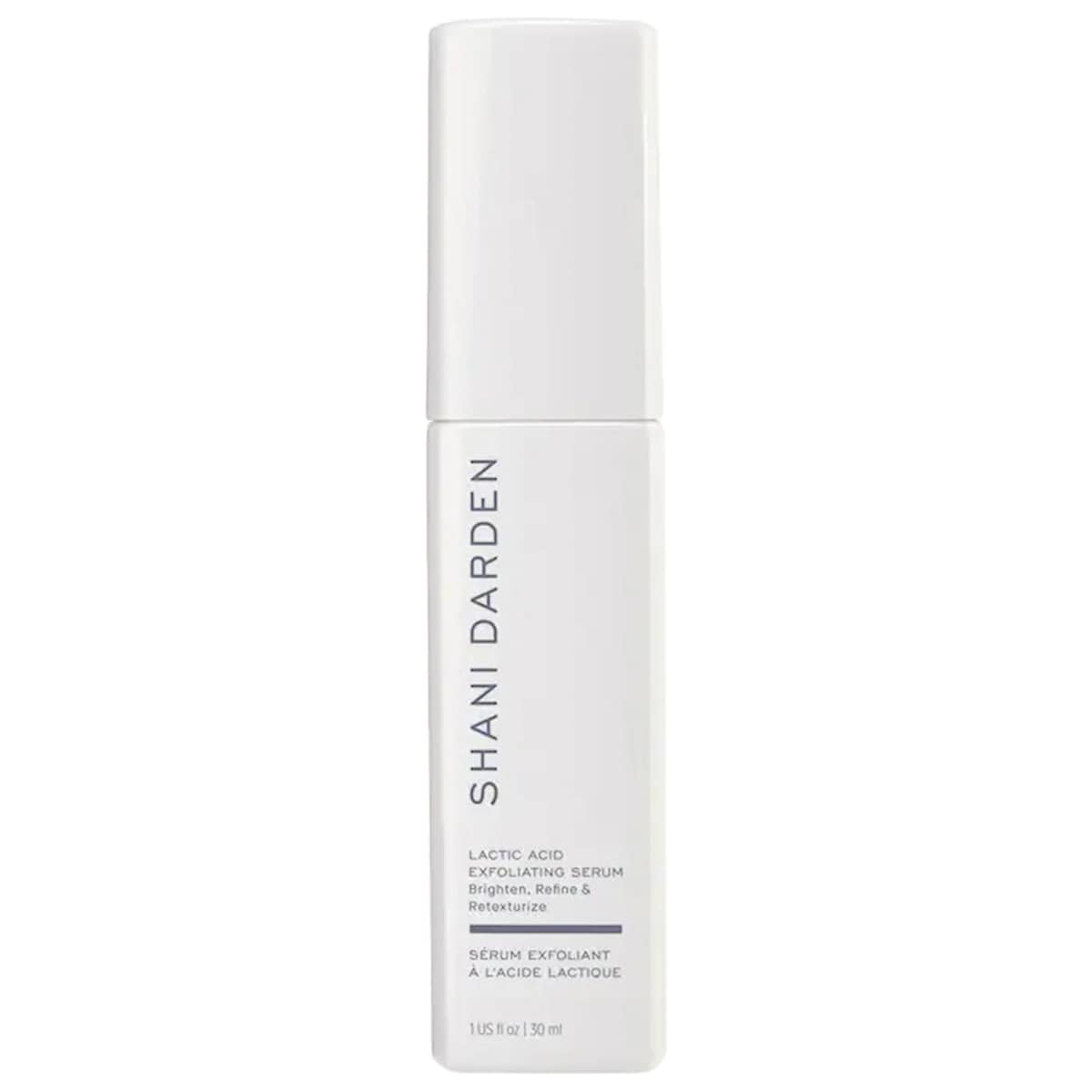
Exfoliation can make skin look smoother fast.
That is exactly why I respect it.
When a product gives quick visible payoff, it is tempting to use it too often. You get a better glow one morning, then start thinking every other night should be an acid night. Then the glow starts looking tighter. Then moisturizer stings. Then the skin looks shiny but not healthy.
I like exfoliation as a separate lane.
Not a daily personality.
For many routines, one exfoliation night a week is enough at first. Two can work if the skin is resilient and the rest of the routine is gentle. More than that needs a reason, not just impatience.
I use exfoliation when the problem is surface-level:
- rough patches
- dullness
- makeup catching on texture
- clogged-looking unevenness
I do not use it when the problem is burning, barrier stress, active peeling, or skin that feels hot after regular products.
That is not a night to resurface.
That is a night to calm down.
Step 5: Recovery nights are part of the plan
Recovery nights used to make me feel lazy.
Now I treat them like the thing that lets the rest of the routine work.
A recovery night is cleanser, optional hydration, and moisturizer. No retinol. No exfoliating acid. No new brightening serum. No experiment you saw five minutes ago and suddenly decided was urgent.
Just calm.
That is the night I use a comfort layer if my skin feels tight after cleansing. A milky toner can make the face feel less exposed before moisturizer. A hydrating serum can work too, especially if your skin looks flat rather than flaky.
Then moisturizer does the real work.
The AAD points out that moisturizer helps trap water in the skin, and Cleveland Clinic explains that moisturizers help reduce water loss from the skin. I care about that because a night routine without enough moisture can make every active feel harsher than it needs to.
If your skin is oily, use a lighter moisturizer.
If your skin is dry, use a richer one.
If your skin is irritated, stop trying to prove that you can tolerate more.
The weekly rhythm I would start with
This is the schedule I would use if I wanted retinol, exfoliation, and recovery without turning every night into a decision.
| Night | Plan | Routine |
|---|---|---|
| Monday | Retinol | Cleanse, retinol, moisturizer |
| Tuesday | Recovery | Cleanse, hydration if needed, moisturizer |
| Wednesday | Exfoliation | Cleanse, exfoliant, moisturizer |
| Thursday | Recovery | Cleanse, hydration if needed, moisturizer |
| Friday | Retinol | Cleanse, retinol, moisturizer |
| Saturday | Recovery or mask | Cleanse, comfort layer, moisturizer |
| Sunday | Recovery | Cleanse, moisturizer, quick skin check |
That schedule is not sacred.
It is just easy.
The point is spacing. Retinol gets room. Exfoliation gets its own night. Recovery is not treated like a consolation prize. If your skin is sensitive, start with one retinol night and one exfoliation night every other week. If your skin is already irritated, start with recovery only for a few nights and stop pretending your face needs a challenge.
What I track so I do not overreact
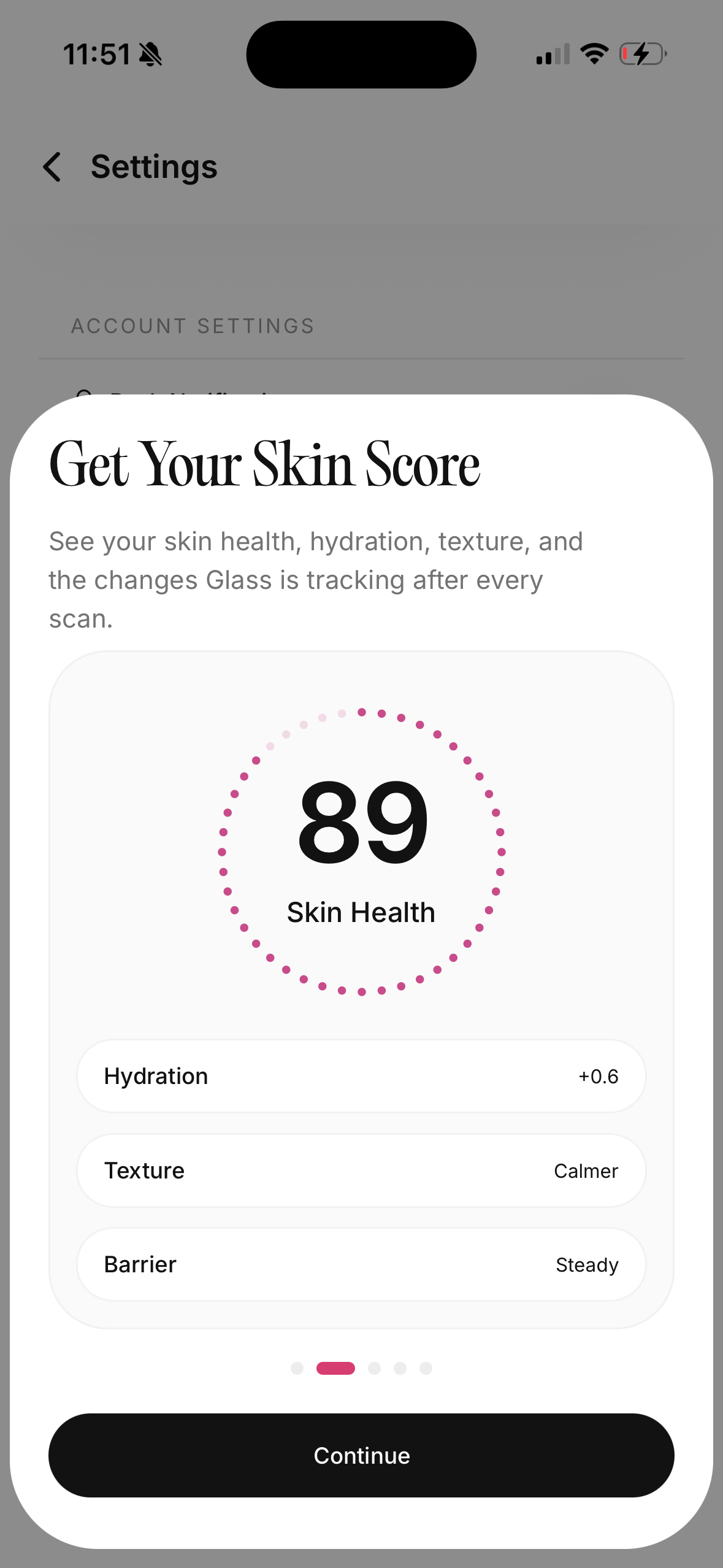
This is where Glass makes the routine easier for me.
When everything lives in my head, I overreact. One dry morning turns into a new moisturizer. One breakout turns into a new acid. One good skin day makes me think I should repeat every strong step immediately.
That is not pattern recognition.
That is mood.
In Glass, I would track the routine like this:
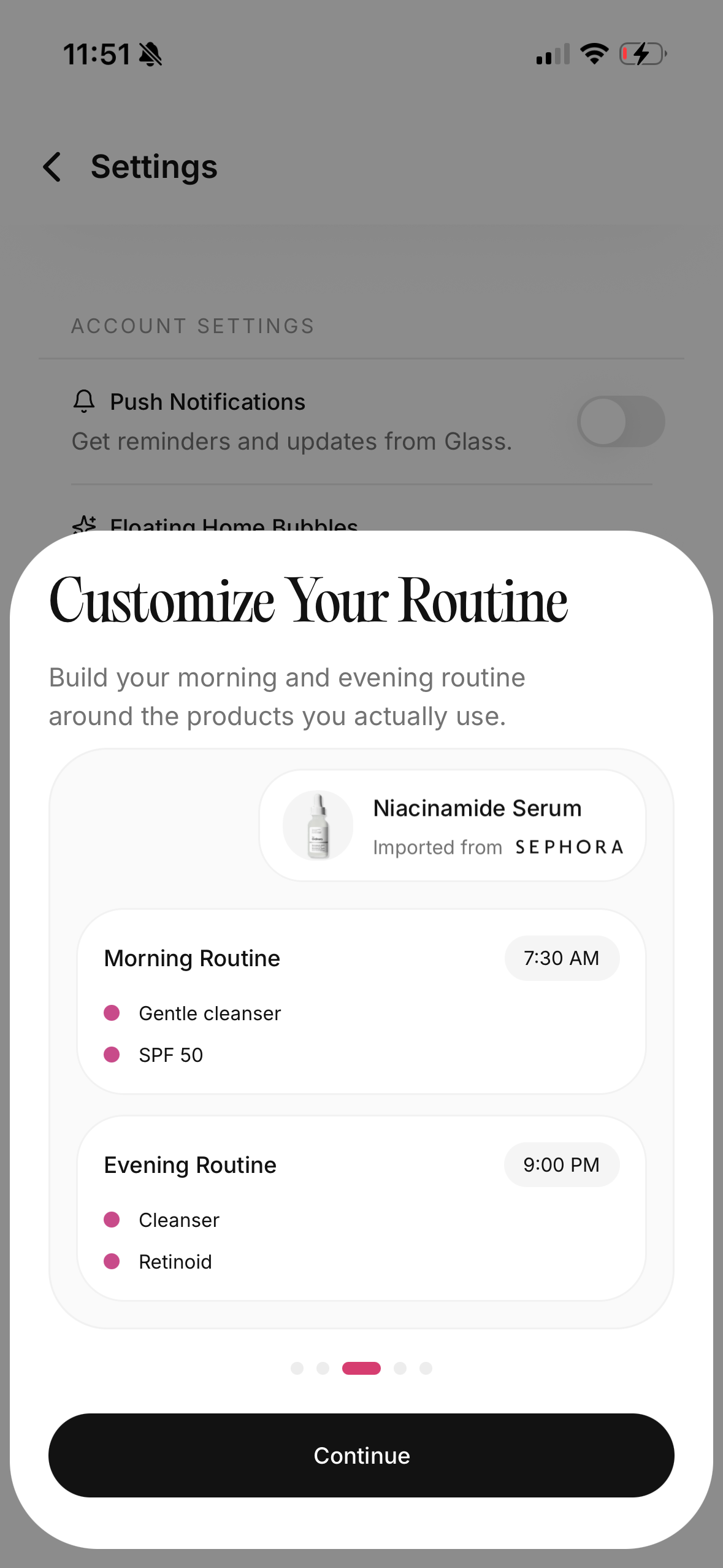
- what night it was: retinol, exfoliation, recovery, or basic
- whether I actually finished the routine
- what my skin felt like the next morning
- any obvious triggers, like poor sleep, heavy sunscreen, a new product, or extra stress
- a progress photo under similar lighting
The photo matters less as a vanity check and more as a reality check. Skin changes slowly. A calmer routine can look boring day to day and obvious after a few weeks.
I do not need the app to make skincare complicated.
I need it to keep me from changing the story every morning.
The mistakes I would avoid first
If your nighttime routine keeps failing, I would check these before buying anything new.
Waiting until you are already exhausted
Do the routine earlier. It sounds too simple. It works because the problem is often timing, not education.
Using retinol and exfoliation as if they are the same kind of step
They are both treatment lanes, but they do not need to happen together. Separate them until your skin proves it can handle more.
Skipping moisturizer because your skin is oily
Oily skin still needs moisture. It may need a lighter texture, but skipping the step can make the whole routine feel harsher.
Changing products too fast
If you change cleanser, retinol, moisturizer, and exfoliant in the same week, you will not know what helped. Change one meaningful thing and let the routine breathe.
Treating irritation like progress
Some adjustment can happen with retinol. Constant burning, stinging moisturizer, angry peeling, and hot-feeling skin are not the goal. Pull back.
When the routine should be even smaller
There are nights when the correct routine is not the full routine.
If my skin is burning, peeling, swollen, cracked, or breaking out in a way that feels unusual, I do not try to optimize through it. I simplify.
Cleanse gently. Moisturize. Stop actives. Use sunscreen the next morning. If the reaction is intense, persistent, painful, or confusing, I would talk to a board-certified dermatologist instead of trying to solve it with another product.
That is especially true if you are using prescription tretinoin, acne medication, recently had a peel, are pregnant or breastfeeding, or have a skin condition that makes irritation more serious.
There is no night-routine trophy for pushing through skin that is clearly asking you to stop.
The version I would actually repeat
Here is the routine I would build if I wanted the least annoying version:
Earlier in the evening, I remove sunscreen and cleanse.
If it is a retinol night, I use retinol and moisturize.
If it is an exfoliation night, I use one exfoliant and moisturize.
If my skin feels tight, stingy, hot, flaky, or weird, I make it a recovery night.
That is it.
The order matters, but the timing matters too. A perfect routine at midnight that you skip half the time is not better than a simpler routine at 8:30 that actually happens.
The goal is not to become more disciplined forever.
The goal is to make the good decision easier before the tired version of you takes over.
That is the nighttime skincare routine I trust now.
Not the longest one.
The one I can repeat.
FAQ
What is the correct nighttime skincare routine order?
The simplest nighttime skincare routine order is makeup or sunscreen removal if needed, cleanser, one treatment step, then moisturizer. If your skin is irritated, skip the treatment and use cleanser plus moisturizer only.
Should I do my skincare routine right before bed?
You can, but you do not have to. If you keep skipping steps because you are tired, do your nighttime skincare routine earlier in the evening after you are done going outside or after your shower.
Can I use retinol and exfoliating acid on the same night?
I would not combine them while building tolerance. Use retinol and exfoliating acids on separate nights unless your dermatologist has told you otherwise and your skin already tolerates both well.
Do I need a toner at night?
No. A toner is optional. I use one only when it has a clear job, like adding comfort hydration before moisturizer. If your cleanser and moisturizer already leave your skin calm, you do not need to add one.
What should I do if moisturizer stings after retinol?
Treat that as a warning sign. Pause retinol for a few nights, use a gentle cleanser and moisturizer, and restart less often only after your skin feels calm again.