Stress shows up everywhere.
Sleep gets worse.
Meals get random.
Hands go to the face.
Then a few pimples appear and it is easy to blame stress like it is a single villain. The truth is usually messier. Stress can change routines, hormones, inflammation, picking, sweat, sleep, and how consistently you use your skincare. Stress pimples are real for many people, but they are rarely solved by attacking the skin harder.
The better plan is to make the routine easier to keep when life is not calm.
Quick answer
Stress pimples are breakouts that flare during stressful periods, often because stress changes sleep, routines, inflammation, hormones, sweat, eating patterns, and picking behavior. Keep acne care simple: gentle cleanser, moisturizer, sunscreen, and one consistent acne treatment if tolerated. Avoid harsh emergency routines. See a clinician if breakouts are deep, painful, sudden, scarring, widespread, or not improving with steady care.
Why stress can show up on skin
Stress does not have to be the only cause to be relevant.
During stressful weeks, people often:
- sleep less
- touch or pick more
- skip cleansing
- wear makeup longer
- sweat and sit in it
- change eating or caffeine habits
- abandon prescriptions
- overuse spot treatments
- forget sunscreen
Any one of these can worsen acne-prone skin. Together, they can make a flare feel sudden.
What stress pimples look like
They do not have one official look.
Some people get small forehead bumps during deadlines. Some get chin and jaw pimples before or during a stressful cycle. Some get inflamed cheek papules after poor sleep and picking. Others get deeper acne that needs medical care whether stress triggered the flare or not.
Look for timing:
- Do breakouts follow sleep loss?
- Do they show up after travel?
- Do they appear during work deadlines?
- Do they overlap with menstrual cycle changes?
- Do they happen after you stop your normal routine?
Patterns matter more than the label.
The stress-week routine
Build a routine that survives a bad week.
Morning:
- rinse or gentle cleanse
- moisturizer
- sunscreen
Night:
- cleanse
- one treatment step if already tolerated
- moisturizer
That is enough structure. You can add nuance later. During stress, complicated routines fail first.
Product roles during a flare
| Image | Product | Stress-week role | Caution |
|---|---|---|---|
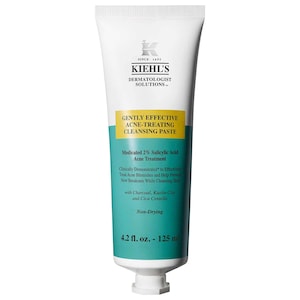 | Kiehl's Salicylic Face Wash | Acne-prone cleanse if tolerated | Do not over-wash |
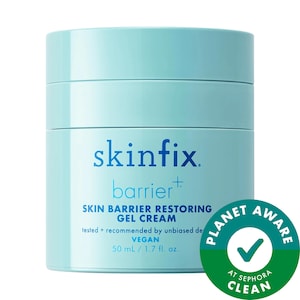 | Skinfix Barrier Gel Cream | Barrier support | Use a thin layer if oily |
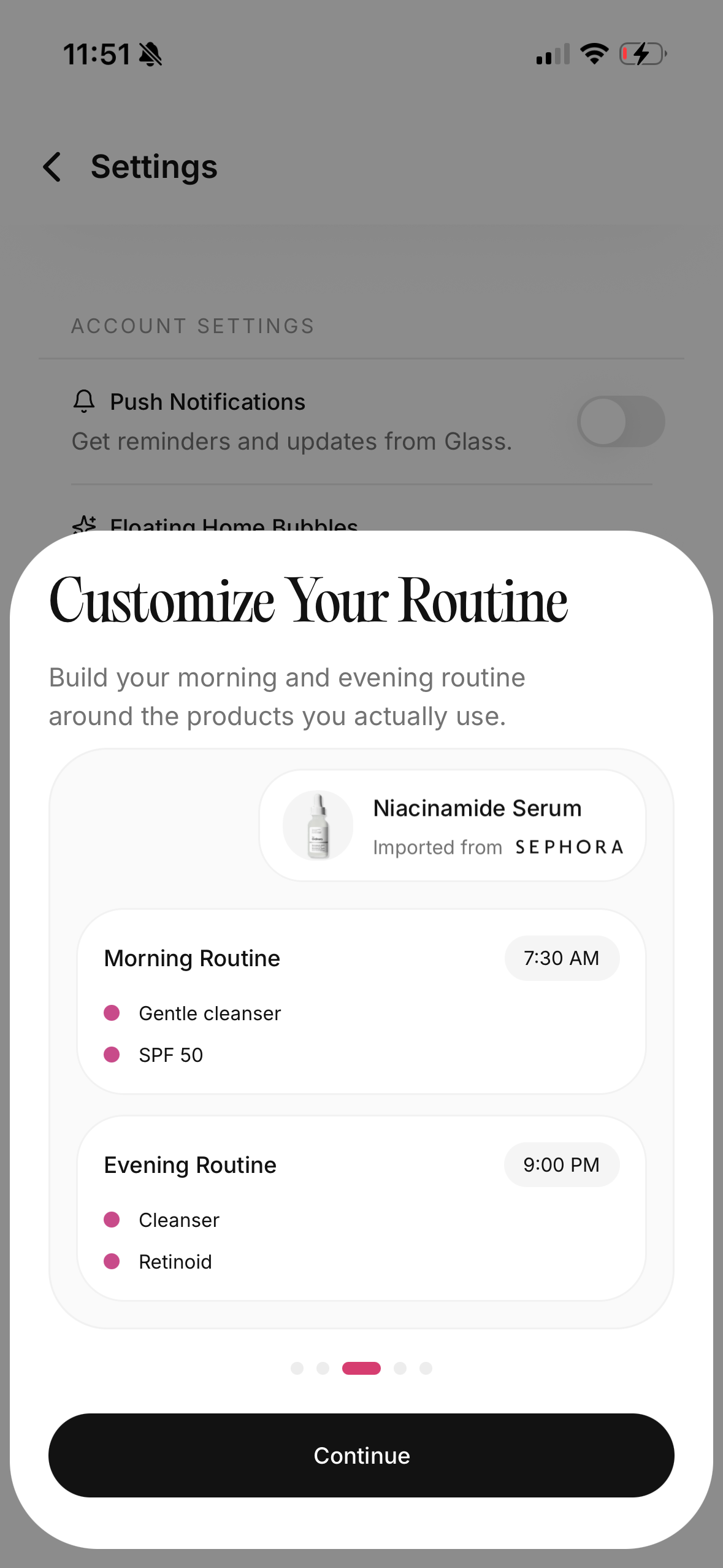 | Glass routine builder | Keep the routine consistent | Does not replace treatment |
The best stress-week product is the one you can use without irritation.
The five-minute version
When you are too tired for a full routine, do the five-minute version. Remove makeup and sunscreen. Cleanse gently. Moisturize. Put tomorrow's sunscreen where you will see it.
That sounds basic because it is. But stress breakouts often get worse when the routine collapses completely for several nights, then swings into an aggressive catch-up routine. A small routine done consistently is better than a perfect routine you only do when life is calm.
If you use a prescription acne treatment, ask your clinician what the minimum routine should be during chaotic weeks. Some medications should be used consistently, while others may need adjustment when irritation rises.
Do not punish the breakout
Stress makes people reach for control.
That often looks like:
- scrubbing harder
- cleansing three or four times
- spot treating every few hours
- skipping moisturizer
- sleeping in drying masks
- mixing retinoids, acids, and benzoyl peroxide at once
- picking while working late
This can damage the barrier and make acne look redder, flakier, and harder to cover.
If the skin stings when you apply moisturizer, your problem is no longer only pimples. It is irritation plus pimples.
Food, caffeine, and simple honesty
Stress weeks can change eating patterns. More caffeine, less water, skipped meals, late-night snacks, alcohol, or high-glycemic meals may overlap with breakouts for some people. That does not mean one food caused one pimple.
Be honest without becoming obsessive. If every exam week or launch week looks the same in your notes, the pattern may include sleep, stress, and food together. You do not need to moralize it. You just need enough structure to notice what is repeatable.
For many people, the biggest win is not a strict diet. It is sleep, routine consistency, and fewer face-touching spirals.
Picking is a stress habit
Stress picking is common because it feels productive for a few seconds.
Then the bump is open, red, swollen, and harder to heal.
The American Academy of Dermatology warns that at-home popping can increase inflammation, infection risk, pain, and scarring. If stress makes picking worse, add friction between your hands and face:
- use hydrocolloid patches if tolerated
- keep nails short
- lower magnifying-mirror time
- wash makeup off earlier
- work away from the bathroom mirror
- track picking triggers without shame
How to handle a stress flare before an event
If a stressful week creates a breakout before a date, meeting, shoot, or trip, do not start three new products. Use cold compresses for swollen bumps, gentle cleansing, moisturizer, sunscreen, and careful makeup if skin is intact.
For one large painful cyst-like bump, a dermatologist may have options such as an in-office injection when appropriate. That is a medical procedure, not a home trick, but it is worth knowing that squeezing is not your only option.
If you cannot get care, focus on reducing damage: no picking, no burning actives, no rough exfoliation, and no repeated mirror checks.
Keep one anchor habit
When everything is busy, choose one anchor habit that protects your skin. For most people, that is the night cleanse. It removes sunscreen, makeup, sweat, and the day from the face before hours of pillow contact.
If you can only do one thing, do that. If you can do two, moisturize after. If you can do three, set up sunscreen for morning. This kind of hierarchy keeps the routine from becoming all-or-nothing.
Stress pimples get worse when the routine becomes a punishment system. An anchor habit keeps it practical.
Sleep, sweat, and friction
You do not need a perfect wellness routine to improve stress pimples. Start with skin-specific friction points.
Change pillowcases more often during heavy hair-product weeks. Clean phone screens. Wash hats or headbands. Remove workout clothes quickly. Do a short cleanse before bed even if the rest of the night routine is skipped.
Small reliable actions beat ambitious routines that collapse under pressure.
When stress pimples are hormonal acne
Stress and hormone patterns can overlap.
Chin and jaw flares that repeat monthly, feel deep, and leave marks may need more than over-the-counter spot care. A clinician may discuss prescription topicals, hormonal options for appropriate patients, spironolactone, oral contraceptives, or other acne plans depending on medical history.
Do not assume you failed because a cleanser did not fix deep recurring acne.
When stress pimples are something else
Uniform itchy bumps may suggest folliculitis. Red burning bumps around the mouth may suggest a rash-like condition. Sudden severe acne after a medication change needs medical review. Painful boils or draining lumps are not normal stress pimples.
The label “stress” should not delay care when symptoms are unusual.
Red flags
See a clinician for:
- deep painful bumps
- scarring or dents
- sudden severe acne
- fever or spreading redness
- pus with worsening pain
- acne after starting or changing medication
- recurrent same-spot lumps
- breakouts causing significant distress
- no improvement after consistent routine care
Mental stress and skin distress can reinforce each other. Getting help is practical.
How to track stress without obsessing
Use Glass to log simple signals:
- sleep quality
- cycle timing if relevant
- missed routine nights
- new products
- picking episodes
- high-stress days
- breakout location
- pain level
- photos in the same light
You are not trying to prove stress caused every pimple. You are looking for repeatable clues.
A two-week reset
For two weeks, keep the routine boring.
Use the same cleanser, moisturizer, sunscreen, and one treatment if tolerated. Stop adding emergency products. Protect sleep when you can, but at minimum remove makeup and sunscreen before bed. Do not pick. Take photos twice a week, not twenty times a day.
If the flare calms, you learned that routine stability matters. If it does not, you have cleaner information for a clinician.
Keep the bar realistic
During stressful periods, progress may mean fewer new pimples, less picking, and faster healing, not perfectly clear skin. That is still progress worth protecting.
Bottom line
Stress pimples are not solved by a harsher routine.
Simplify. Reduce picking. Keep the barrier intact. Track patterns. Get medical care for deep, painful, sudden, scarring, spreading, or persistent breakouts.
Your skin does not need punishment because your week was hard.
The part stress does not excuse
Stress may be part of the flare, but I would not let that explanation make me passive. I can still remove sunscreen at night, moisturize, avoid picking, keep pillowcases clean, and use one treatment consistently. Those small actions do not erase stress, but they reduce the number of extra triggers stacked on top of it. I would also avoid punishing my skin for having a hard week. Harsh scrubs, skipped moisturizer, and panic spot treatments usually create more inflammation. A stressful season calls for a smaller routine, not a meaner one.
What I would track
I would track sleep, missed cleansing, picking, cycle timing, and new products. If the same pattern repeats, the routine can be adjusted with more confidence instead of blame.