My evening routine got too clever.
That was the problem.
Not one bad product. Not one dramatic mistake. Just too many little decisions stacked at the exact time of day when I had the least patience to make them well.
I would wash my face, stare at the shelf, and start negotiating with myself.
Retinol tonight? Maybe.
Exfoliant because my skin looked dull? Maybe.
Barrier serum because something felt tight? Definitely.
Then a moisturizer. Then another layer because the first one did not feel like enough. Then I would wake up with skin that looked shiny, felt dry, and somehow broke out anyway.
The routine was not helping me recover from the day.
It was giving my face a second job.
The evening routine I trust first
When my skin feels unpredictable, I use this order:
- Remove sunscreen and makeup if needed.
- Cleanse without chasing a squeaky feeling.
- Add one calming or hydrating layer if it does not sting.
- Use one treatment only on the right night.
- Seal with moisturizer.
- Protect tight patches with a thin occlusive layer if needed.
That is the whole routine.
The point is not to make evening skincare minimal forever. The point is to give each night a job. Some nights are treatment nights. Some nights are recovery nights. Some nights are maintenance nights, which sounds boring until you realize boring is often what keeps your face calm.
The biggest change for me was separating a real evening skincare routine from a pile of products that technically belong after sunset.
Those are not the same thing.
The May 2026 product lanes that make sense
I would not buy all of these together. That is how routines become confusing again. I would pick the missing role, add it slowly, and leave everything else alone long enough to see what changed.
| Image | Product | Best evening role | Who it fits | Who should skip it |
|---|---|---|---|---|
 | AESTURA ATOBARRIER365 Gentle pH-Balancing Foaming Cleanser | Gentle second cleanse | Skin that feels tight after washing | Skin that burns even with plain water |
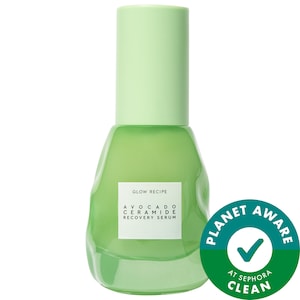 | Glow Recipe Avocado Soothing Skin Barrier Serum | Calming buffer | Skin that gets red before bed | Skin that clogs easily from richer serums |
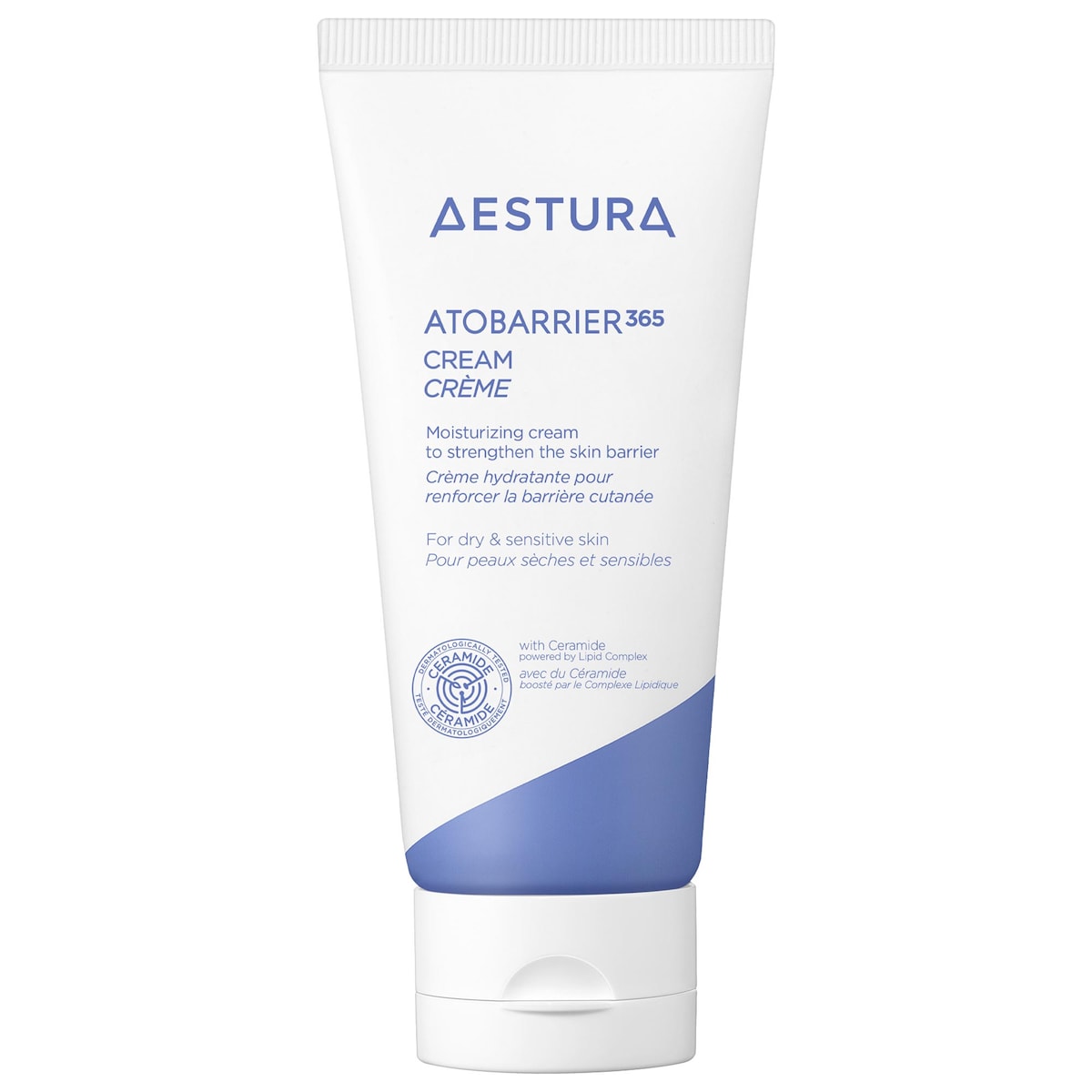
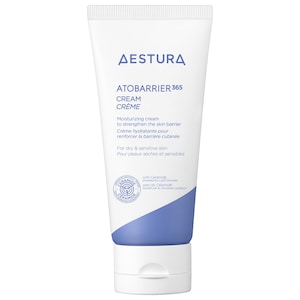 | AESTURA ATOBARRIER365 Cream Moisturizer | Barrier cream | Dry, tight, treatment-tired skin | Oily skin that hates cream weight |
 | Skinfix Triple Lipid-Peptide Cream | Rich recovery moisturizer | Skin that wakes up dry after lighter creams | Congested skin that dislikes richer textures |
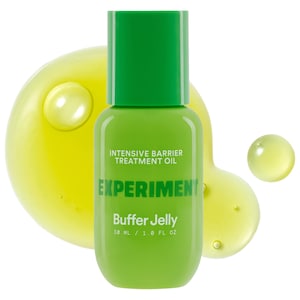 | Experiment Buffer Jelly Intensive Barrier Treatment | Spot sealing | Mouth corners, cheeks, wind-chapped areas | Acne-prone zones that hate occlusive layers |
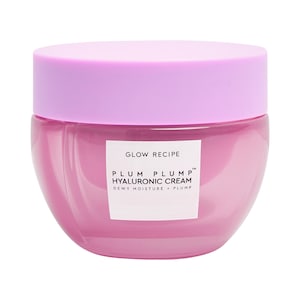 | Paula's Choice 2% BHA Liquid Exfoliant | Planned exfoliation night | Oily, bumpy, clogged skin that tolerates acids | Irritated, peeling, or barrier-damaged skin |
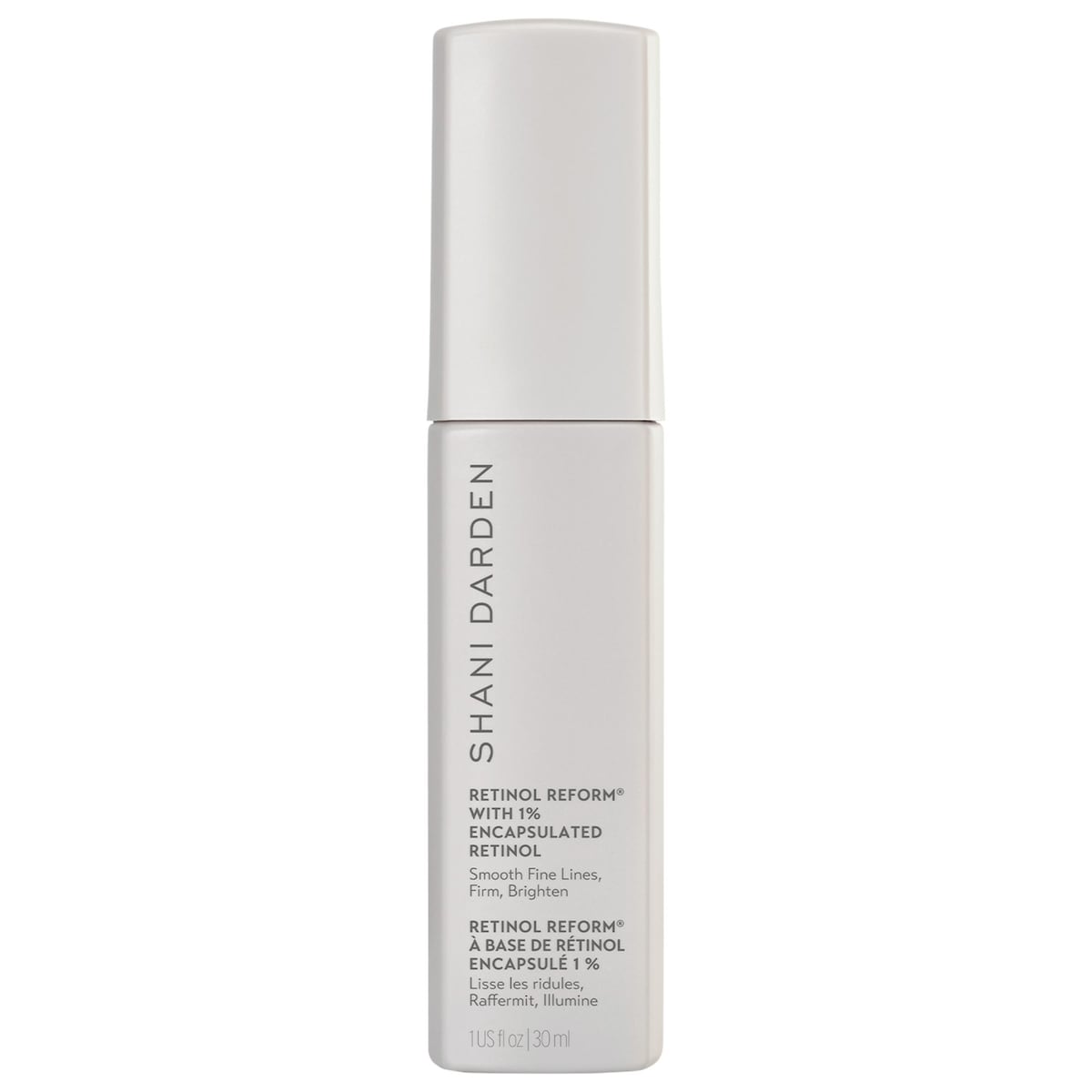
 | The Ordinary Granactive Retinoid 2% Emulsion | Starter retinoid night | Skin ready for slow texture and tone work | Pregnant or nursing users, or anyone already irritated |
The table is not a shopping list.
It is a way to stop buying duplicates.
If your cleanser is stripping you, a new active will not fix that. If your moisturizer is too light, another watery serum may feel nice for five minutes and still leave you tight by morning. If your face burns on treatment nights, the issue may be the schedule, not the entire category of retinoids or acids.
My first rule: cleanse for comfort, not proof
Evening cleansing matters because sunscreen, makeup, sweat, oil, and city air do not need to stay on your face overnight.
But a clean face should not feel punished.
I used to think tightness meant the cleanser had worked. That is an easy trap because tight skin can feel smooth for a few minutes. Then moisturizer hits and stings. Then the cheeks get shiny. Then the nose gets oily because the skin is trying to compensate. By the time you notice the pattern, the routine looks complicated even though the first step caused most of the stress.
Now I judge a cleanser by the sixty-second test.
After rinsing, I wait.
If my face feels normal, I keep going. If my cheeks pull, my mouth corners feel dry, or my skin gets that shiny-dry look before moisturizer, I treat the cleanser as suspect. Sometimes the fix is a gentler formula. Sometimes it is less hot water. Sometimes it is washing for twenty seconds instead of turning cleansing into a whole performance.
Double cleansing can still make sense if you wear makeup or stubborn sunscreen. I just do not double cleanse by default. If the first cleanse removes the day, the second cleanse should be soft and short. The goal is clean enough, not stripped enough to need repair.
The treatment night mistake I kept repeating
My worst evening routine habit was treating every night like a chance to make progress.
Retinoid one night. Exfoliant the next. A brightening serum because I saw a mark. A mask because my skin looked congested. A spot treatment because one bump appeared. None of those products were automatically wrong.
The schedule was wrong.
Skin does not improve faster just because the routine gets louder. Most of the visible progress people want from evening skincare comes from consistency, not intensity. The texture looks smoother because the barrier stays intact. Breakouts look less angry because irritation is not being added on top. Dullness improves because the skin can tolerate the products long enough for them to matter.
I had to stop asking, "What can I add tonight?"
The better question is, "What did my skin already handle this week?"
That one question changes the whole routine.
The active-night calendar that calms everything down
I like a simple weekly rhythm:
| Night | Routine focus | What I use | What I avoid |
|---|---|---|---|
| Monday | Retinoid | Cleanser, calming layer, retinoid, moisturizer | Acids, masks, extra spot treatments |
| Tuesday | Recovery | Cleanser, moisturizer, spot sealing if needed | Strong actives |
| Wednesday | Maintenance | Cleanser, hydrating or calming layer, moisturizer | Random exfoliation because skin looks dull |
| Thursday | Exfoliation if needed | Cleanser, one exfoliant, moisturizer | Retinoid, scrubs, peel pads |
| Friday | Recovery | Cleanser, moisturizer | Testing new products |
| Saturday | Retinoid or rest | Retinoid only if skin feels normal | Doubling up to catch up |
| Sunday | Reset | Cleanser, moisturizer, routine check | Starting the week irritated |
This is not a rulebook. It is a pressure release.
If my skin feels great, I might keep two retinoid nights. If my skin feels fragile, I drop to one. If I am breaking out, I do not automatically add more acid. I check whether I changed sunscreen, slept badly, used a heavy cream on acne-prone areas, or skipped cleansing after a sweaty day.
The evening routine works better when it has room to respond.
Retinoid nights need less drama
Retinoids can be useful for texture, fine lines, clogged pores, and uneven tone. They can also humble an impatient routine fast.
The night I use a retinoid, I do not try to make the rest of the routine impressive. I cleanse gently, let my skin dry down, use a small amount, and moisturize well. If my skin is sensitive, I sandwich the retinoid between moisturizer layers or use it after moisturizer instead of directly on bare skin.
The amount matters more than the ceremony.
More product does not mean more results. It usually means more irritation. A pea-sized amount for the face is boring advice because it is good advice. I avoid the corners of my nose, mouth, and eyes unless a product specifically belongs there. Those tiny areas can make the whole face feel angry by morning.
I also do not judge a retinoid after one perfect night. The test is the next week. If my face slowly gets tight, shiny, flaky, or stingy, I scale back before it turns into a full barrier reset.
That is how I keep retinoids in the routine without letting them run the routine.
Exfoliation nights are optional, not owed
Exfoliation is where I see people overcorrect the most.
The skin looks dull, so they exfoliate. A few bumps show up, so they exfoliate. Makeup sits weird, so they exfoliate. Texture appears in bad lighting, so they exfoliate again.
Sometimes exfoliation helps. Sometimes the skin is already asking for fewer things, not sharper ones.
I only exfoliate at night when the skin feels stable first. No burning with moisturizer. No peeling around the mouth. No tight cheeks after cleansing. No mysterious redness that appeared after the last active night.
When those signs are clear, one exfoliant is enough. Not a toner plus a peel pad plus a scrub plus a clay mask. One product. One role. Then moisturizer.
For oily or clogged skin, a beta hydroxy acid can make sense because it works well around oil and congestion. For dull, dry surface texture, a gentler acid may fit better. For sensitive skin, exfoliation may need to happen rarely or not at all for a while.
The easiest way to know if exfoliation belongs in your evening routine is to watch the morning after.
If your skin looks smoother and feels normal, the rhythm may fit. If it looks shiny, red, dry, or newly bumpy, the product may be too strong, too frequent, or poorly timed.
Recovery nights are where the routine actually gets stronger
Recovery nights used to feel like doing nothing.
Now they feel like the foundation.
A recovery night is not a failed treatment night. It is the night that makes the next treatment night possible. The skin barrier needs quiet time. It needs water, lipids, and fewer chances to be irritated. It needs a routine that stops asking it to perform.
My recovery night is simple:
- gentle cleanse if I wore sunscreen, makeup, or got sweaty
- calming or hydrating layer only if it feels comfortable
- moisturizer
- thin occlusive layer on tight patches only
That last part matters. I do not smear heavy occlusive layers over acne-prone areas just because my cheeks are dry. I use them like a targeted repair step around the mouth, on wind-chapped cheek spots, or over dry patches that keep losing moisture.
The calmer I keep recovery nights, the less I need emergency routines.
The order I use when my skin is burning
If my face burns when moisturizer goes on, I stop treating it like a normal routine night.
I simplify immediately:
- Rinse or cleanse only if truly needed.
- Skip actives.
- Skip fragrance-heavy or tingly products.
- Use the blandest moisturizer I trust.
- Seal only the tightest patches.
That is it.
Burning does not always mean a product is permanently bad. Sometimes it means the skin is temporarily too irritated to tolerate even normal products. But when my skin is in that state, I do not try to investigate with five more steps. I give it a small routine and wait for the pattern to calm down.
The mistake is testing while the skin is already upset.
You cannot get clean information from irritated skin. Everything looks guilty. The cleanser stings, the moisturizer stings, the serum stings, and then you end up replacing products that might have been fine under normal conditions.
Three quiet nights usually tells me more than one frantic night of troubleshooting.
What I stopped doing before bed
The improvements came less from adding products and more from removing habits that kept making the evening routine unstable.
I stopped introducing a new product on the same night as a retinoid.
I stopped exfoliating because I was annoyed.
I stopped using cleanser as a test of toughness.
I stopped applying every calming product I owned when my face felt reactive.
I stopped trying to fix one breakout with a full-face punishment routine.
I stopped judging progress by how much the routine looked like a shelfie.
That last one mattered more than I expected. A routine can look beautiful and still be bad for your actual skin. The evening routine that works is usually less photogenic. It has repeatable roles. It has boring nights. It gives you fewer ways to overreact.
How I use Glass to keep the routine from drifting
The hardest part is not knowing the right order once.
It is remembering what you actually did when your skin changes.
That is where I like having the routine inside Glass. I can keep morning and evening routines separate, track what I used, and look back when my skin starts acting different. That matters because my memory is not reliable at night. I will think I used retinoid twice this week and then realize it was three times plus an exfoliant because the week got messy.
The app helps most when I use it for pattern recognition, not perfection.
If my skin gets tight, I can look at the last few evenings and ask better questions. Did I cleanse more aggressively? Did I add an active? Did I skip moisturizer because I was tired? Did I use the same strong product too close together?
That is more useful than guessing from the mirror.
If you want the more schedule-focused version, I also like the breakdown in skin care schedule app. For a broader routine order, morning and night skincare routine order is the cleaner next read.
The routine for dry, tight skin
Dry evening skin needs fewer evaporation traps.
I would start with a gentle cleanse, then apply moisturizer while the skin is slightly damp instead of waiting until the face feels tight. If a hydrating serum helps and does not sting, keep it. If it adds nothing except another step, skip it.
For dry skin, the moisturizer is not an afterthought. It is the anchor.
I like creams with barrier-supporting ingredients, especially when retinoids or exfoliants are part of the week. On recovery nights, I do not mind a richer cream. On active nights, I would rather keep the active gentle and the moisturizer dependable than use a stronger active and spend the next three days repairing the damage.
Dry skin can still break out, which is where people get stuck. They treat the breakout like oily skin, strip everything down, and end up both flaky and congested. The better move is often targeted: keep moisture on the dry zones, keep heavy layers away from clog-prone zones, and avoid full-face aggression.
The routine for oily, shiny, or congested skin
Oily skin does not need to be dried into obedience.
That approach usually backfires. The face feels tight, produces more shine, and still looks congested because the routine is irritating instead of balanced.
For oily evening skin, I like a cleanser that removes sunscreen without leaving the face squeaky. Then I keep moisturizer light but real. Skipping moisturizer can make the routine feel cleaner for an hour and worse by morning.
Treatment nights need spacing. A retinoid can help with clogged pores. A beta hydroxy acid can help with buildup. They do not need to fight for the same night. If you use both, give each one its own lane and let recovery nights sit between them.
The sign that oily skin is doing better is not zero shine. Skin is allowed to have oil. The better sign is oil without tightness, fewer angry bumps, and a face that does not feel like it needs a cleanser again two hours after washing.
The routine for sensitive or reactive skin
Sensitive skin wants a smaller risk surface.
That means fewer leave-on layers, fewer strong actives, fewer fragrance-heavy experiments, and fewer "just one more" products before bed. It also means patience, which is annoying when your face feels uncomfortable.
I start with the most boring version:
- cleanse only as much as needed
- moisturizer
- no active until the skin feels normal for several nights
Then I add one thing at a time.
If a calming serum helps, it stays. If it creates warmth or bumps, it leaves. If a retinoid is too much twice a week, it becomes once a week or every other week. Sensitive skin does not care what the routine is supposed to be. It cares what it can tolerate.
The most useful sensitive-skin skill is restraint.
Not forever. Just long enough to stop guessing.
What to ignore when rebuilding your evening routine
Ignore routines that require you to be a different person.
If you are exhausted at night, do not build a ten-step routine that only works when you have perfect energy. If you forget actives, do not rely on memory. If your skin gets irritated easily, do not copy a schedule built for someone who can exfoliate four times a week without consequences.
Also ignore product categories that do not solve your current problem.
You do not need an essence because everyone has one. You do not need a toner because your routine feels too short. You do not need a mask because Sunday feels like a mask night. A short routine that your skin likes is better than a complete routine that keeps creating problems.
Evening skincare should make tomorrow easier.
That is the standard.
My final May 2026 evening routine
Most nights, this is enough:
- Gentle cleanse.
- Calming layer if my skin wants it.
- Retinoid or exfoliant only on planned nights.
- Moisturizer.
- Spot seal dry patches if needed.
On recovery nights, I skip step three.
On irritated nights, I skip step two if even that feels like too much.
On good weeks, I do not celebrate by adding more. I keep the rhythm steady and let the routine prove itself over time.
That is the part I wish I had learned earlier.
An evening skincare routine does not have to feel impressive to work. It has to be clear enough to repeat when you are tired, flexible enough to protect your skin when it is stressed, and honest enough to stop when your face is already telling you no.
FAQ
What order should an evening skincare routine go in?
The safest basic order is makeup or sunscreen removal, cleanser, optional hydrating or calming layer, one planned treatment, moisturizer, and a thin sealing layer only where needed. If your skin is irritated, skip the treatment and keep the routine calm.
Should I use retinol every night?
Most people should not start retinol every night. Begin slowly, keep the rest of the evening routine simple, and increase only if your skin stays comfortable. If moisturizer stings, your face feels tight, or flaking builds, reduce frequency before pushing through.
Can I exfoliate and use retinol in the same evening routine?
I would not combine them unless your skin is already very tolerant and the products are specifically designed that way. For most routines, retinoid nights and exfoliation nights should be separate, with recovery nights between them.
Why does my face burn after my night routine?
Burning can happen when the skin barrier is irritated, when a product is too strong, when too many active ingredients are stacked, or when cleansing is stripping the skin before the rest of the routine starts. Simplify for a few nights before testing new products.
Do I need a different routine every evening?
You do not need a totally different routine every night. You need a stable base routine with planned treatment nights and recovery nights. The cleanser and moisturizer can stay consistent while actives rotate carefully.