The peeling was not subtle.
It showed up late.
That was the worst part. My skin would look fine after washing, fine after moisturizer, fine after sunscreen, and then by lunch my makeup would catch around my mouth like dry paper. If I smiled, the flakes looked worse. If I rubbed them off, my skin looked raw. If I added more product, everything pilled.
I kept thinking I needed a stronger routine.
I did not.
I needed a better moisturizer strategy around tretinoin.
Not just a richer cream. Not just more layers. A different way of deciding what my skin needed before, during, and after tretinoin nights.
The short version
If tretinoin is making your face peel, I would not start by buying the heaviest cream on the shelf. I would start by fixing the routine around the moisturizer.
The most useful changes are usually:
- apply tretinoin only to fully dry skin
- use a simple moisturizer before tretinoin if your skin is reactive
- use a more protective moisturizer after tretinoin if you wake up tight
- avoid acids, scrubs, benzoyl peroxide, and strong vitamin C on the same night
- protect the corners of the nose and mouth with a tiny amount of balm
- reduce tretinoin frequency when peeling becomes raw, shiny, hot, or painful
The best moisturizer for tretinoin peeling is the one that makes your skin comfortable enough to keep using tretinoin consistently. That might be a bland drugstore cream. It might be a barrier cream with ceramides. It might be a lighter cream if your skin breaks out from anything too occlusive.
The mistake is choosing by richness alone.
Why peeling happens even when you moisturize
Tretinoin speeds up the way skin cells move through the surface. That is part of why it can help with acne, texture, dark marks, and fine lines over time. It is also why the first few months can feel like your face is constantly in negotiation with you.
Peeling does not always mean your routine is failing.
But constant peeling usually means the support system around tretinoin is not strong enough yet.
There are a few different versions of this:
| What you see | What it usually means | What I would adjust first |
|---|---|---|
| Fine flakes around the mouth | Tretinoin migration, thin skin, or not enough local protection | Buffer the mouth corners and keep tretinoin farther away |
| Makeup catches three days later | Delayed dryness from too much frequency or not enough recovery | Reduce tretinoin nights and add a calmer morning moisturizer |
| Burning when moisturizer touches skin | Barrier stress, not normal dryness | Pause strong actives and simplify |
| Pilling instead of true skin flakes | Too many layers, incompatible textures, or not enough wait time | Use fewer products and let layers settle |
| Tight, shiny skin | Dehydration plus barrier strain | Add hydration earlier and seal better at night |
That table matters because every flake does not need the same fix. If the skin is irritated, the answer is not more exfoliation. If the product is pilling, the answer is not a thicker balm. If the peeling is only around your mouth, the answer might be placement, not your whole routine.
The moisturizer sandwich only works if the layers are boring
The sandwich method sounds simple: moisturizer, tretinoin, moisturizer.
It can work beautifully.
It can also become a mess if the first layer is full of active ingredients, the skin is still damp, and the final layer is so heavy that everything traps heat.
The first moisturizer layer should be boring on purpose. I want it to make skin less vulnerable without turning the tretinoin step into a chemistry experiment. That usually means fragrance-free, comfortable, and low drama. I do not want exfoliating acids, scrubby textures, strong brightening actives, or a formula that already makes my skin tingle on a normal night.
The second moisturizer layer has a different job. That one is there to make the night survivable. It should reduce tightness, help the skin feel cushioned, and keep the routine from feeling like I put a prescription on bare drywall.
My preferred order on a peeling-prone night is:
- Cleanse gently.
- Pat dry and wait until the skin is actually dry.
- Apply a light layer of moisturizer.
- Wait a few minutes.
- Apply a pea-sized amount of tretinoin for the whole face, avoiding the eye area, lips, nose creases, and mouth corners.
- Wait again if my skin feels warm or damp.
- Apply a second moisturizer layer.
- Add a tiny amount of petrolatum-style balm only on the spots that crack or peel fastest.
That last step is not slugging the entire face. It is targeted protection. Full-face occlusion can feel great for some dry skin types, but it can be too much for acne-prone skin, especially when the routine underneath is already irritating.
What I look for in a tretinoin moisturizer
I care less about marketing language and more about the job the cream has to do.
A good tretinoin moisturizer usually gives me some mix of:
- glycerin or hyaluronic acid for water-binding comfort
- ceramides, cholesterol, or fatty acids for barrier support
- squalane or other emollients for slip and softness
- a fragrance-free or low-irritant profile
- enough cushion to reduce tightness without clogging me immediately
What I avoid on tretinoin nights is just as important:
- exfoliating acids in the same routine
- strong vitamin C at night
- drying acne treatments layered directly with tretinoin
- essential oils or fragrance if my skin is already reactive
- face oils that make every layer slide around
- heavy balms over damp tretinoin
That does not mean those ingredients are always bad. It means tretinoin night is not the best place to test how much your barrier can tolerate.
The product picks I would actually sort by skin type
I do not think there is one perfect moisturizer for every tretinoin user. The better question is what kind of peeling you get and what kind of finish your skin can tolerate.
| Product | Image | Best fit | Skip if |
|---|---|---|---|
| Skinfix Triple Lipid-Peptide Cream | 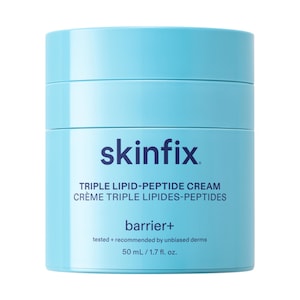 | Dry, flaky, barrier-tired skin that needs a real night cream | Heavy creams clog you quickly |
| AESTURA ATOBARRIER365 Cream | 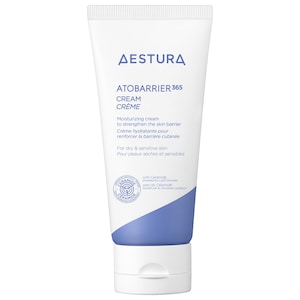 | Sensitive skin that wants a barrier-focused cream without perfume energy | Niacinamide makes you flush |
| Dr. Jart+ Ceramidin Cream | 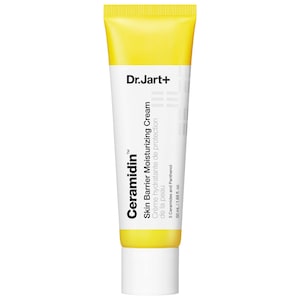 | Dry skin that wants more cushion around retinoid nights | You need a weightless daytime finish |
| Kiehl's Ultra Facial Advanced Repair Barrier Cream | 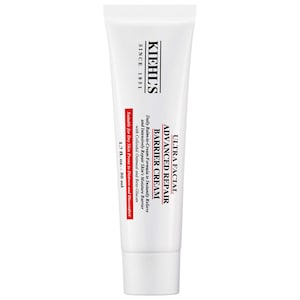 | Tight, uncomfortable skin that wants a simple repair-cream lane | You prefer gel creams |
| LANEIGE Water Bank Blue Hyaluronic Cream | 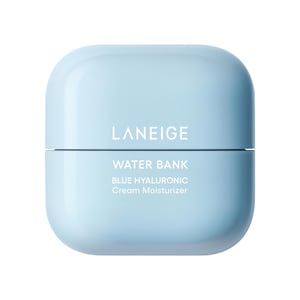 | Normal, dehydrated, or combination skin that peels but hates heavy residue | You need an occlusive rescue cream |
| Skinfix Barrier Balancing Water Cream | 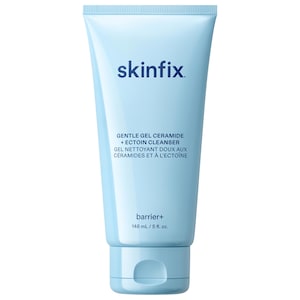 | Oily or acne-prone skin that still needs barrier help | You are cracked, raw, and need more cushion |
If I had to simplify the list even more, I would split it like this: Skinfix Triple Lipid, AESTURA, Dr. Jart, and Kiehl's are better for night comfort. LANEIGE and Skinfix Water Cream are better when you need hydration but cannot handle a thick finish.
That is the decision most people are actually making.
Not "which moisturizer is best?"
"Which moisturizer lets me keep using tretinoin without hating my face tomorrow?"
Best for serious flakes: Skinfix Triple Lipid-Peptide Cream
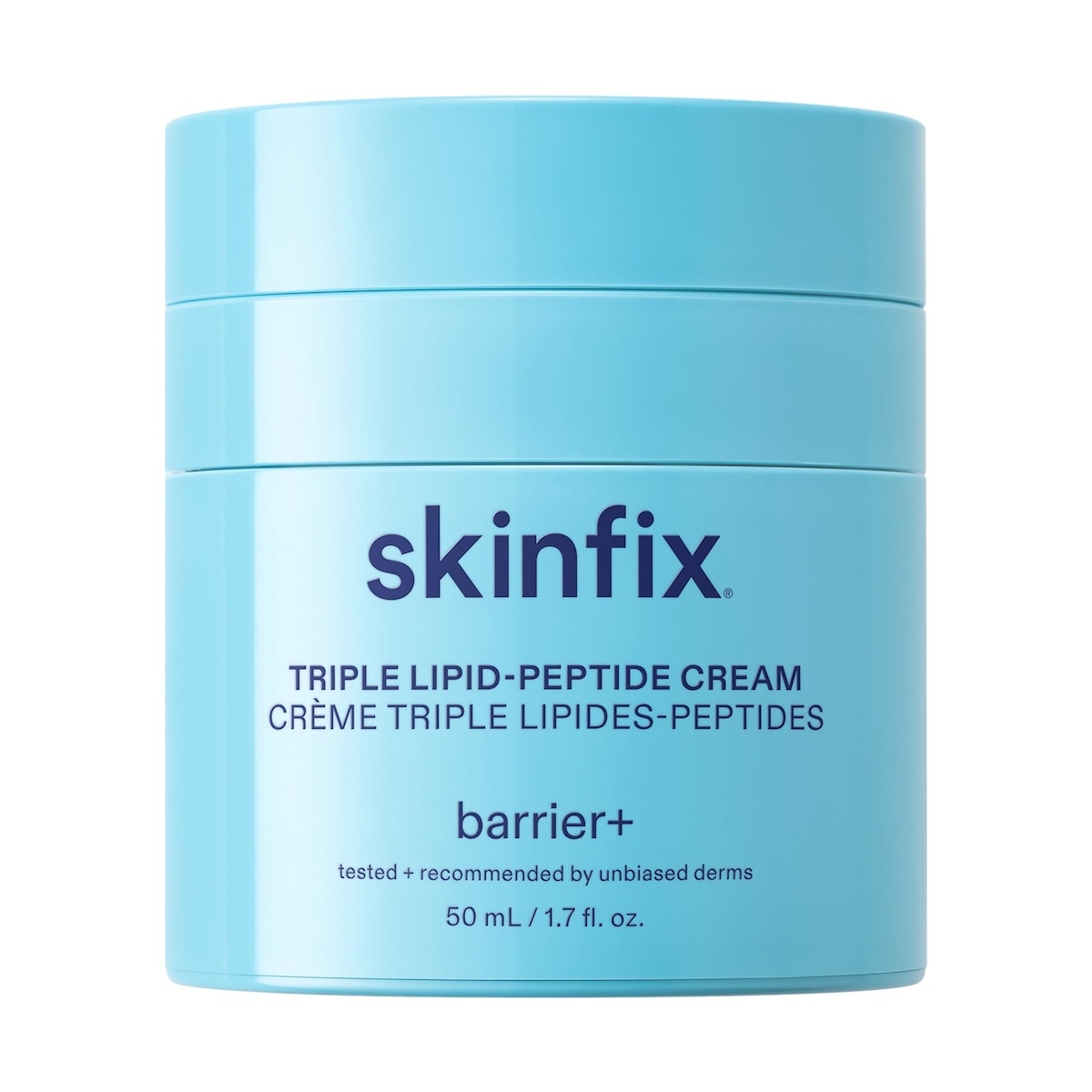
This is the kind of cream I would consider when peeling has moved past "a little dry" and into "my skin needs support tonight."
The reason it makes sense around tretinoin is the texture category. It is a true barrier-cream lane, not a watery lotion pretending to be enough for a prescription retinoid routine. If your cheeks feel tight, your mouth corners crack, and your skin looks too shiny in that dehydrated way, this is the type of moisturizer that can make the night feel calmer.
I would use it as the second moisturizer layer, not necessarily the first. Before tretinoin, I prefer something lighter and less occlusive. After tretinoin, this kind of cream has a clearer job.
Who should skip it: anyone who breaks out from rich creams fast. If every heavy moisturizer turns into closed comedones within a week, start lighter and use richer creams only on the peeling zones.
Best sensitive-skin lane: AESTURA ATOBARRIER365 Cream
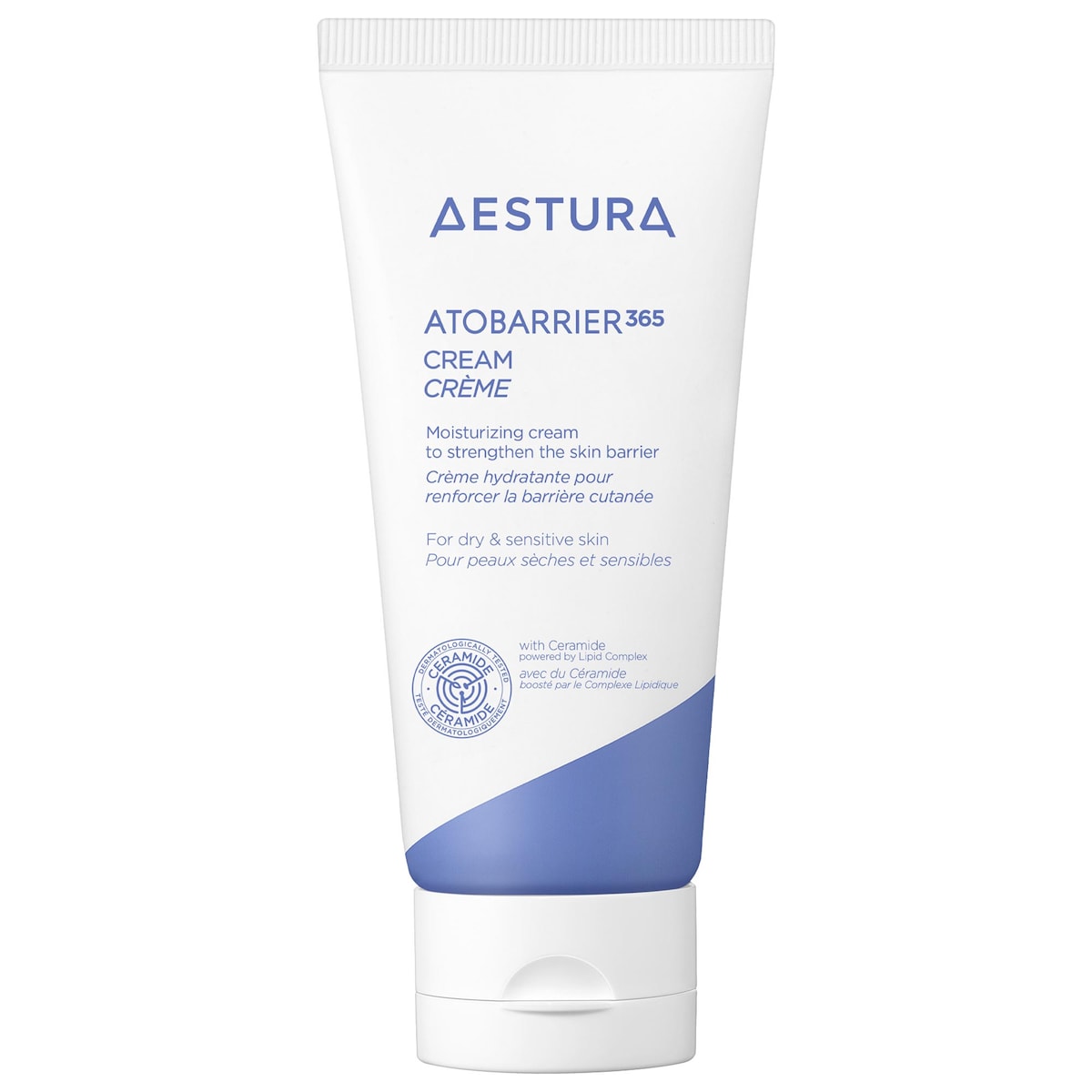
AESTURA is the pick I would look at when my skin is not just dry, but touchy.
There is a difference. Dry skin wants moisture. Touchy skin wants fewer reasons to panic. When tretinoin peeling comes with stinging, redness, or that feeling where every product suddenly feels suspicious, I want the routine to get quieter.
This is where a barrier-focused cream can be more useful than a glamorous glow cream. It does not need to make the skin look slick. It needs to make the next morning less dramatic.
I would use it on nights when I am still applying tretinoin but know my skin needs extra patience. If the skin burns on contact with plain moisturizer, though, I would pause tretinoin and simplify instead of trying to push through.
Best richer comfort cream: Dr. Jart+ Ceramidin Cream
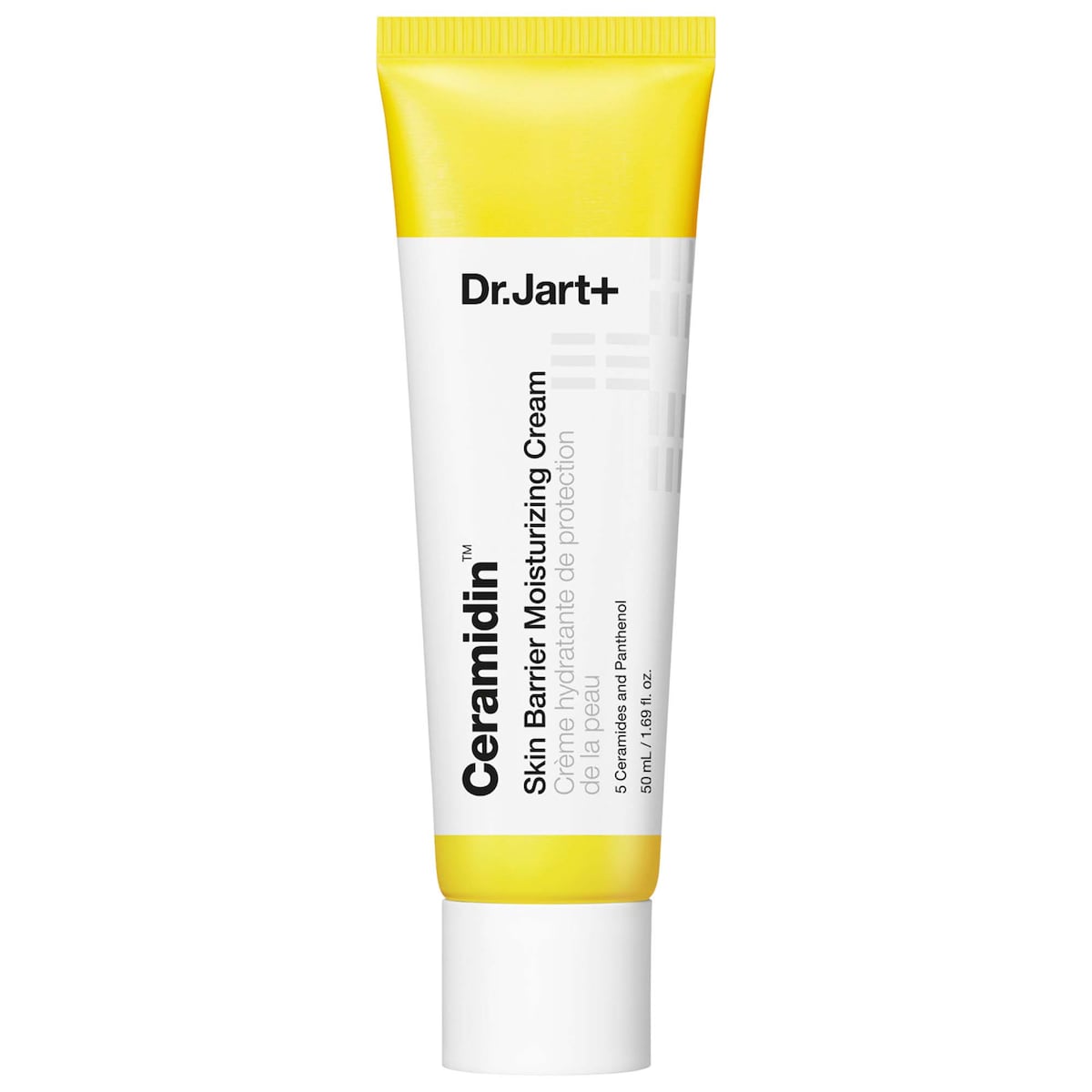
This is the cream I think about when the problem is comfort.
Not glow. Not oil control. Comfort.
Tretinoin peeling can make the face feel like it is one size too small. That tight, stretched feeling is usually when a lightweight gel cream stops being enough. Dr. Jart+ Ceramidin sits in the richer, more cushioned lane, which makes it a better night choice than a daytime-under-makeup choice for a lot of people.
I would not use this to compensate for a reckless routine. If you are using tretinoin every night, exfoliating in the morning, and scrubbing flakes off with a towel, no cream should be expected to clean up that much chaos.
But if the routine is already simple and your skin still wakes up tight, this is the kind of final layer I would consider.
Best middle ground: LANEIGE Water Bank Blue Hyaluronic Cream
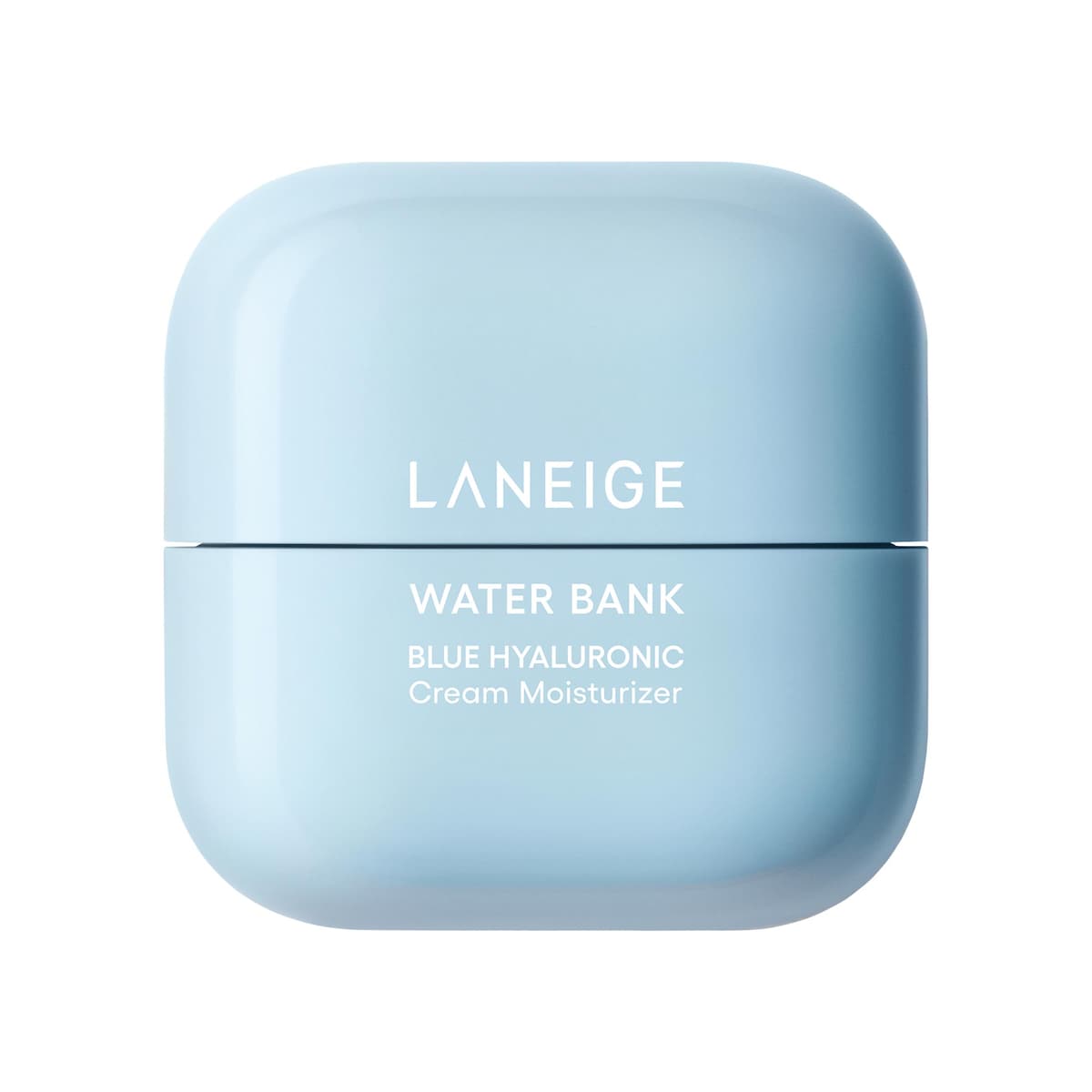
Not everyone on tretinoin wants a heavy cream.
Some people peel and still get oily. Some people are dehydrated but clog-prone. Some people need a moisturizer that works in the morning too, because the flakes show up under sunscreen and makeup more than they show up at night.
That is where LANEIGE makes sense to me.
It is a more wearable middle lane. I would not choose it as my only rescue product if my skin were cracked and raw, but I would choose it if my main issue were dehydration, tightness, and makeup catching on dry patches.
This is also the moisturizer style I would use when I am trying to separate real peeling from product pilling. If a heavy balm makes everything roll off, a smoother cream with a cleaner finish can be the easier test.
Best lighter support for oily skin: Skinfix Barrier Balancing Water Cream
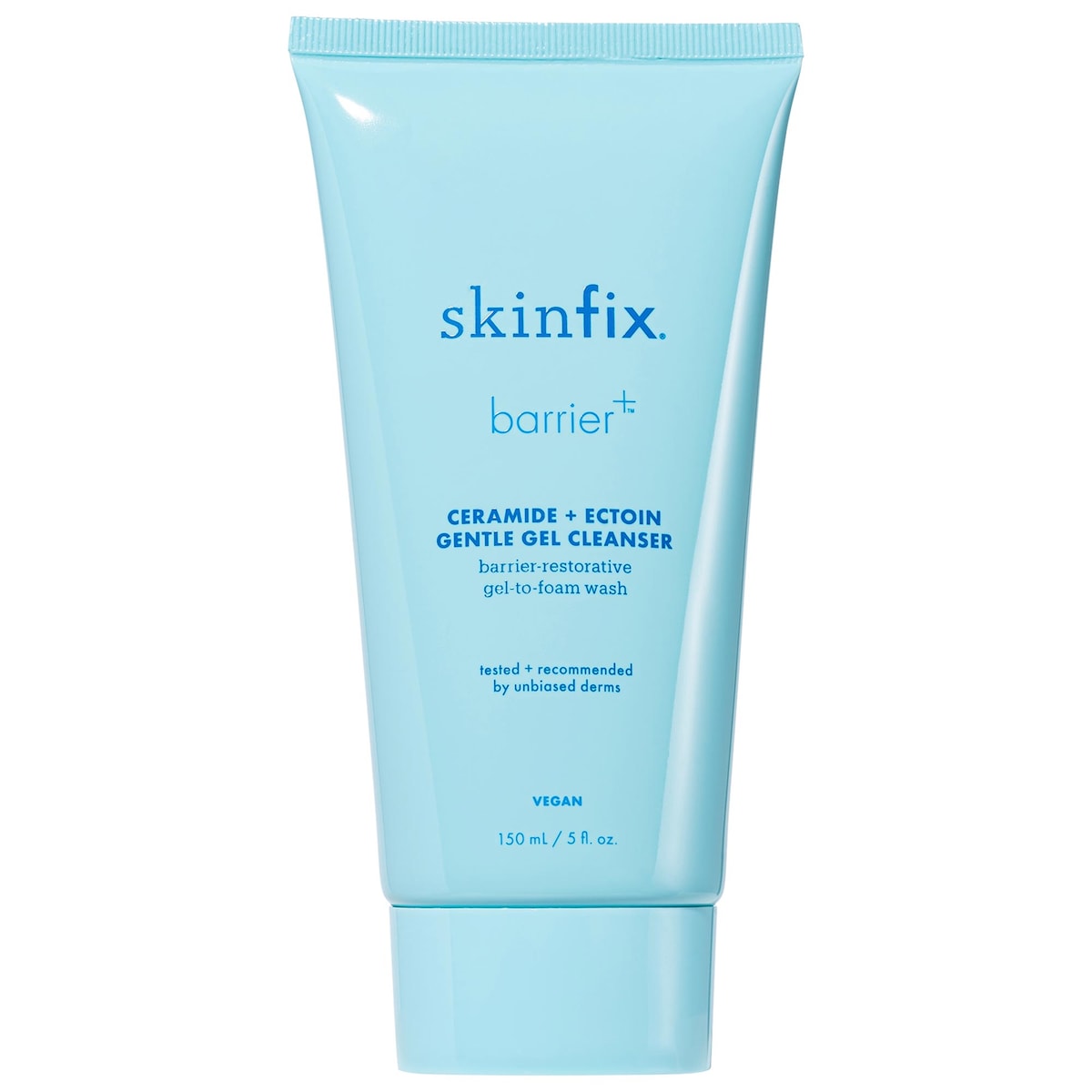
Oily skin can still be over-dried.
That sentence sounds basic, but it changes the whole routine.
When oily skin starts tretinoin, the temptation is to keep everything aggressively matte. Foaming cleanser. No moisturizer. Tretinoin. Maybe a spot treatment. Then the skin gets flaky and shiny at the same time, which is one of the most annoying combinations because it looks oily from a distance and dry up close.
For that skin type, I would rather use a lighter barrier-support moisturizer consistently than a heavy cream once every four days when everything falls apart.
Skinfix Barrier Balancing Water Cream fits that lane. It is not the richest pick here. That is the point. It gives oily or combination skin a way to support the barrier without making the whole face feel sealed under a mask.
If your skin is actively cracked, this may not be enough as the only night cream. But if your problem is peeling plus congestion, I would start here before jumping to a heavy occlusive routine.
The mouth-corner problem needs its own rule
Peeling around the mouth is different.
It is easy for tretinoin to migrate there. It is easy to accidentally apply too close. It is easy for toothpaste, saliva, lip products, and facial movement to make the area worse.
My rule is simple: I treat the mouth corners like protected skin.
Before tretinoin, I apply a tiny amount of bland balm around the corners of my mouth and sometimes around the nose creases. Then I keep tretinoin away from those areas. After moisturizer, I may add another tiny layer if the area is still vulnerable.
Tiny is the important word.
I am not smearing balm across my whole lower face and then dragging tretinoin through it. I am creating a little guardrail in the places that always betray me first.
When I would stop tretinoin for a few nights
Some peeling is manageable.
Some peeling is a warning.
I would stop or reduce tretinoin and talk to a clinician if the skin is:
- painful
- swollen
- blistering
- raw or open
- burning with plain water
- getting worse even after reducing frequency
- peeling heavily around the eyes or lips
I would also be careful if I were pregnant, trying to become pregnant, or breastfeeding, because retinoid guidance changes in those situations and that is not a place to guess.
The goal is not to prove you can tolerate irritation. The goal is to use tretinoin long enough, calmly enough, and consistently enough that the benefits have time to show up.
My May 2026 tretinoin-peeling routine
If I were rebuilding the whole routine from scratch, I would make it boring for two weeks.
Morning:
- Rinse or use a gentle cleanser only if needed.
- Apply a comfortable moisturizer.
- Use sunscreen.
- Skip exfoliating pads, scrubs, and strong brightening layers until the peeling calms down.
Night on tretinoin days:
- Gentle cleanse.
- Wait until fully dry.
- Apply a light moisturizer layer.
- Apply tretinoin, pea-sized for the whole face.
- Apply a richer moisturizer layer.
- Protect mouth corners with a tiny balm layer if needed.
Night on recovery days:
- Gentle cleanse.
- Hydrating layer if your skin tolerates it.
- Moisturizer.
- Balm only on cracked spots.
That recovery night is not wasted time. It is what keeps the active nights possible.
If you already use Glass, this is exactly the kind of pattern worth tracking. Log the nights you apply tretinoin, the moisturizer you used, whether you used the sandwich method, and when peeling shows up. The delay matters. If you peel every third day, the problem may be frequency, not the cream you used that morning.
Glass makes that easier because your routine is not trapped in memory. You can track what you actually did, compare skin scans, and stop guessing whether a new cream helped or whether you simply skipped tretinoin twice.
The moisturizer is not the whole answer
I wish it were.
It would be easier if one perfect cream fixed every tretinoin problem. But tretinoin peeling is usually a routine-design problem, not just a moisturizer problem.
The cream matters.
Timing matters too.
So does frequency. So does sunscreen. So does not exfoliating flakes off because they annoy you. So does admitting that every-night tretinoin may not be your current skin's best rhythm.
The best version of this is not dramatic. It is calm and repeatable:
- fewer irritating extras
- a moisturizer that matches your skin type
- a slower tretinoin rhythm when the barrier gets loud
- better protection around the mouth and nose
- enough patience to let the routine work
That is what finally made peeling feel solvable to me.
Not more products.
Better decisions around the one product that was already doing the hard work.
FAQ
Should I moisturize before or after tretinoin?
If your skin peels easily, I would moisturize before and after tretinoin. The first layer buffers. The second layer comforts. If your skin tolerates tretinoin well, you may prefer moisturizer only after, but peeling-prone skin usually does better with more support.
How long should I wait after moisturizer to apply tretinoin?
I would wait until the moisturizer has settled and the skin does not feel wet. You do not need to make the routine painfully long, but applying tretinoin over damp skin can make irritation worse for some people.
Is peeling normal when starting tretinoin?
Some peeling can happen, especially early on. Constant rawness, burning, swelling, or painful peeling is not something I would ignore. That is when I would reduce frequency and check in with a professional.
What moisturizer should I use if tretinoin makes me break out?
Start lighter. Look for a fragrance-free moisturizer that supports the barrier without feeling greasy. A water-cream texture may be easier than a heavy balm. If every moisturizer breaks you out, the issue may be formula choice, cleanser harshness, or using tretinoin too often too soon.
Can I exfoliate peeling skin from tretinoin?
I would be careful. Peeling skin feels like it needs exfoliation, but aggressive exfoliation can make the barrier more irritated. If I need to remove visible flakes, I keep it gentle and infrequent, then focus on moisturizer and frequency control instead of scrubbing.