Your products might be fine.
The order might be the problem.
That sounds too simple until you have watched a good sunscreen ball up over a good moisturizer, or felt a hydrating serum turn sticky because it had nowhere useful to go. I used to treat layering like a small detail. Cleanser, serum, cream, sunscreen. Done.
Then I started noticing the pattern.
The routine looked great for ten minutes. Then the sunscreen dragged. Makeup caught around the nose. My cheeks felt coated but still dehydrated. At night, I would stack a treatment, a hydrating serum, and a thick cream because I thought more support meant better recovery. By morning, my skin looked dull, not rested.
The fix was not buying a completely new routine.
It was putting the steps in an order my skin could actually use.
The short answer
The best skincare layering order is: cleanse, watery hydration, treatment serum, moisturizer, then sunscreen in the morning. At night, cleanse, apply your treatment on the right kind of skin, add hydration if needed, then seal with moisturizer.
That is the clean version.
The useful version is a little more specific:
- Put thin, watery products before creamy products.
- Put actives where they can actually reach skin.
- Do not sandwich sunscreen between skincare and makeup too fast.
- Stop layering every serum you own just because they are all technically compatible.
- Let night treatments have a clear lane instead of burying them under comfort products.
If your routine keeps pilling, stinging, or looking worse by noon, the answer is usually not "add one more thing." It is usually "remove the step that is fighting the rest."
The order I would use most mornings
For most mornings, I like this order:
| Step | What goes there | Why it belongs there |
|---|---|---|
| 1 | Cleanser or rinse | Starts clean without stripping |
| 2 | Toner, essence, or light hydrating layer | Adds water before heavier texture |
| 3 | One serum | Targets the main morning problem |
| 4 | Moisturizer | Softens and seals without smothering |
| 5 | Sunscreen | Forms the final protective layer |
| 6 | Primer or makeup | Belongs after skincare has settled |
I do not think every morning needs every step.
If your sunscreen is already moisturizing enough, you may not need a separate cream. If your skin is dry, you probably do. If your skin gets oily fast, a watery hydration step plus sunscreen may wear better than toner, serum, moisturizer, and rich SPF all stacked together.
That is where a lot of pilling starts.
Not because one product is bad, but because the whole stack is too much.
The order I would use most nights
Night is where I see people make the bigger mess.
They know sunscreen is not part of the night routine, so they treat the evening like an open field for every active, oil, mask, and cream they own.
I would keep it calmer:
| Step | What goes there | Why it belongs there |
|---|---|---|
| 1 | Makeup and sunscreen removal | Clears the film from the day |
| 2 | Gentle cleanse | Leaves skin ready, not squeaky |
| 3 | Treatment | Retinoid, exfoliant, pigment serum, or acne treatment |
| 4 | Hydrating layer if needed | Adds comfort without replacing treatment |
| 5 | Moisturizer | Locks the routine down |
| 6 | Face oil or balm only if truly needed | Best for very dry skin, not every routine |
The main rule: do not make every night a treatment night.
If you use retinol, exfoliating acids, vitamin C, brightening serums, and spot treatments whenever you remember, your skin never knows what job it is doing. It is always being corrected, never being maintained.
That is not a strong routine. It is a noisy one.
Why products pill even when the order looks right
Pilling feels mysterious because it looks like a product failure. You rub your face and little rolls of product show up. It feels like your skin rejected something.
Most of the time, the routine is just overloaded.
Here are the usual causes:
- too many silicone-heavy or film-forming textures stacked together
- not enough time before sunscreen or makeup
- using too much moisturizer under SPF
- layering oils before water-based products
- putting a thick cream over a tacky serum before it settles
- rubbing instead of pressing the final steps
The easiest test is boring but effective.
Use half as much of each product tomorrow morning.
If the pilling improves, the problem was probably amount and texture, not the product itself. If it still pills, remove one layer at a time until the routine behaves. Start by skipping the serum, then the moisturizer, then primer if you use one.
That tells you where the conflict lives.
The products I would use for a smoother stack
I would rather have a small routine that layers well than a beautiful shelf that fights itself. These are the kinds of products I would build around when the goal is clean layering, less pilling, and a routine that still looks good under sunscreen.
| Image | Product | Best slot | Why I would use it |
|---|---|---|---|
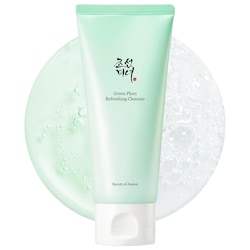 | Beauty of Joseon Green Plum Refreshing Cleanser for Gentle Daily Wash | Cleanser | Keeps the first step calm so the rest of the routine is not compensating |
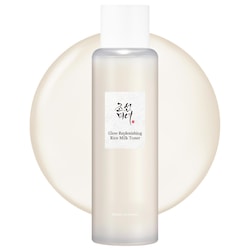 | Beauty of Joseon Glow Replenishing Rice Milk Lightweight Hydration Toner | Light hydration | Gives slip and comfort without making the stack creamy too early |
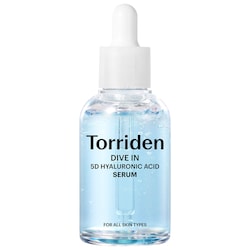 | Torriden DIVE IN 5D Hyaluronic Acid Ultra Hydrating Serum for Plump & Glow Skin | Hydrating serum | Works when skin feels tight, flat, or dehydrated under sunscreen |
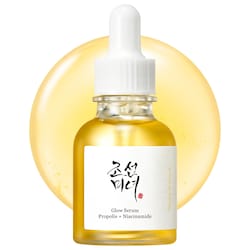 | Beauty of Joseon Glow Serum for Oil Control with Niacinamide | Balancing serum | Better when shine, uneven tone, and post-breakout marks are the morning issue |
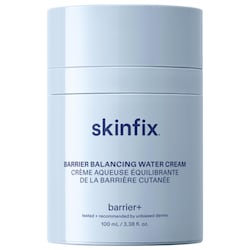 | Skinfix Barrier Balancing Water Cream Moisturizer with Hyaluronic Acid | Moisturizer | A cleaner cream choice when heavier moisturizers make SPF pill |
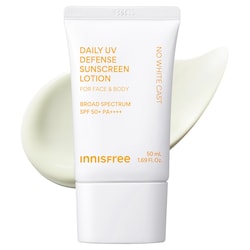 | innisfree Daily UV Defense Invisible Korean Sunscreen Lotion Broad Spectrum SPF 50+ PA++++ | Sunscreen | Light enough to repeat, which matters more than chasing the richest finish |
I would not use all of them every morning.
That is the point.
A good layering routine is edited. The product has a job, a place, and a reason to stay.
Cleanser: do not start the routine by making your skin panic
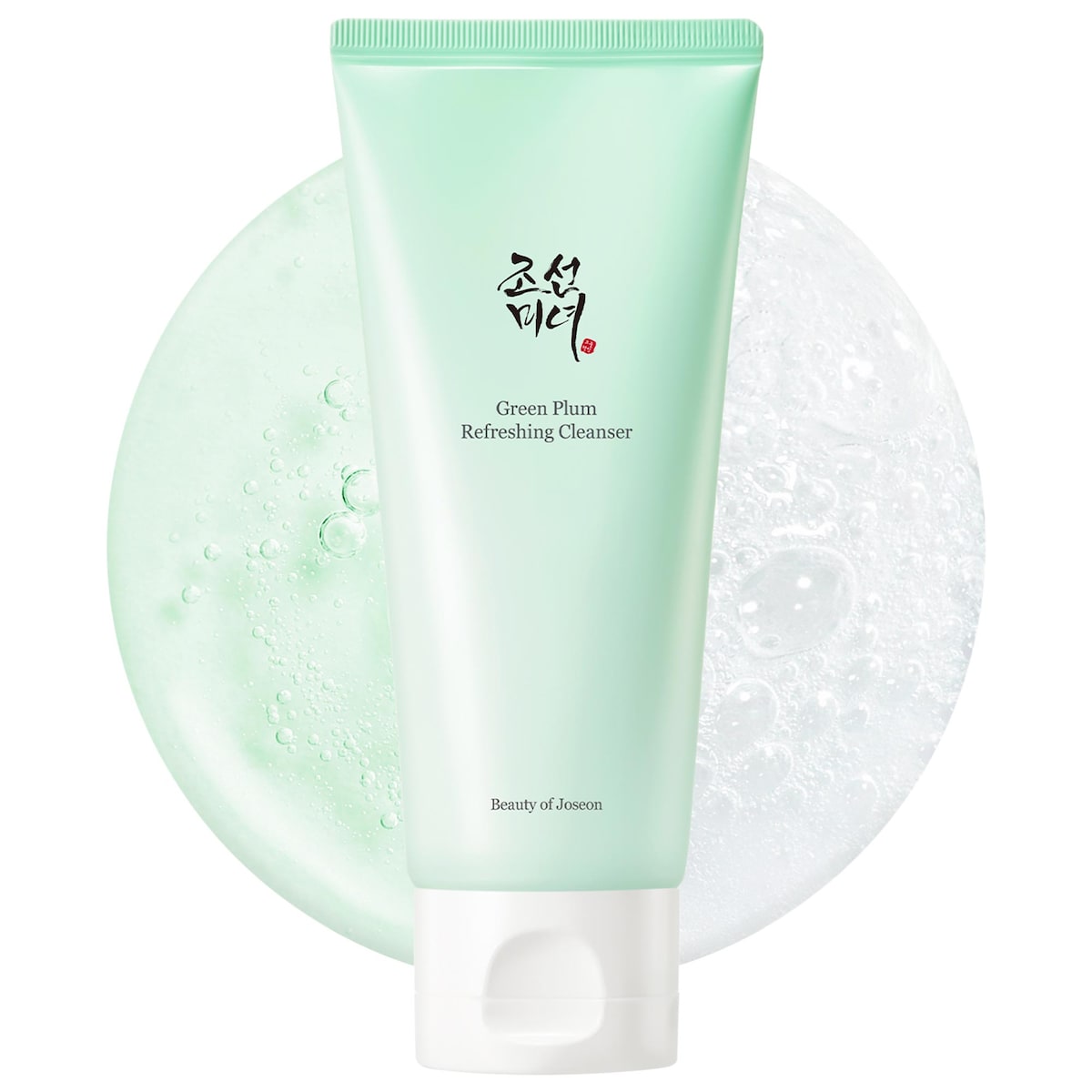
The first step should make the rest of the routine easier.
If your cleanser leaves your face tight, shiny, or hot, your toner and moisturizer are already doing repair work before they get to do anything else. That is why I like a gentle cleanser as the base of a layering routine.
You want skin that feels clean, not erased.
Good signs:
- no squeaky feeling
- no instant tightness around the mouth
- no burning when you apply serum
- no urge to sprint into moisturizer
If your face feels irritated after cleansing, do not judge the rest of the routine yet. Fix the cleanser first. A harsh first step can make every product after it seem worse than it is.
For dry or reactive skin, best Sephora cleansers for dry skin and skin barrier repair routine are better starting points than adding another serum.
Toner or essence: use it for water, not drama
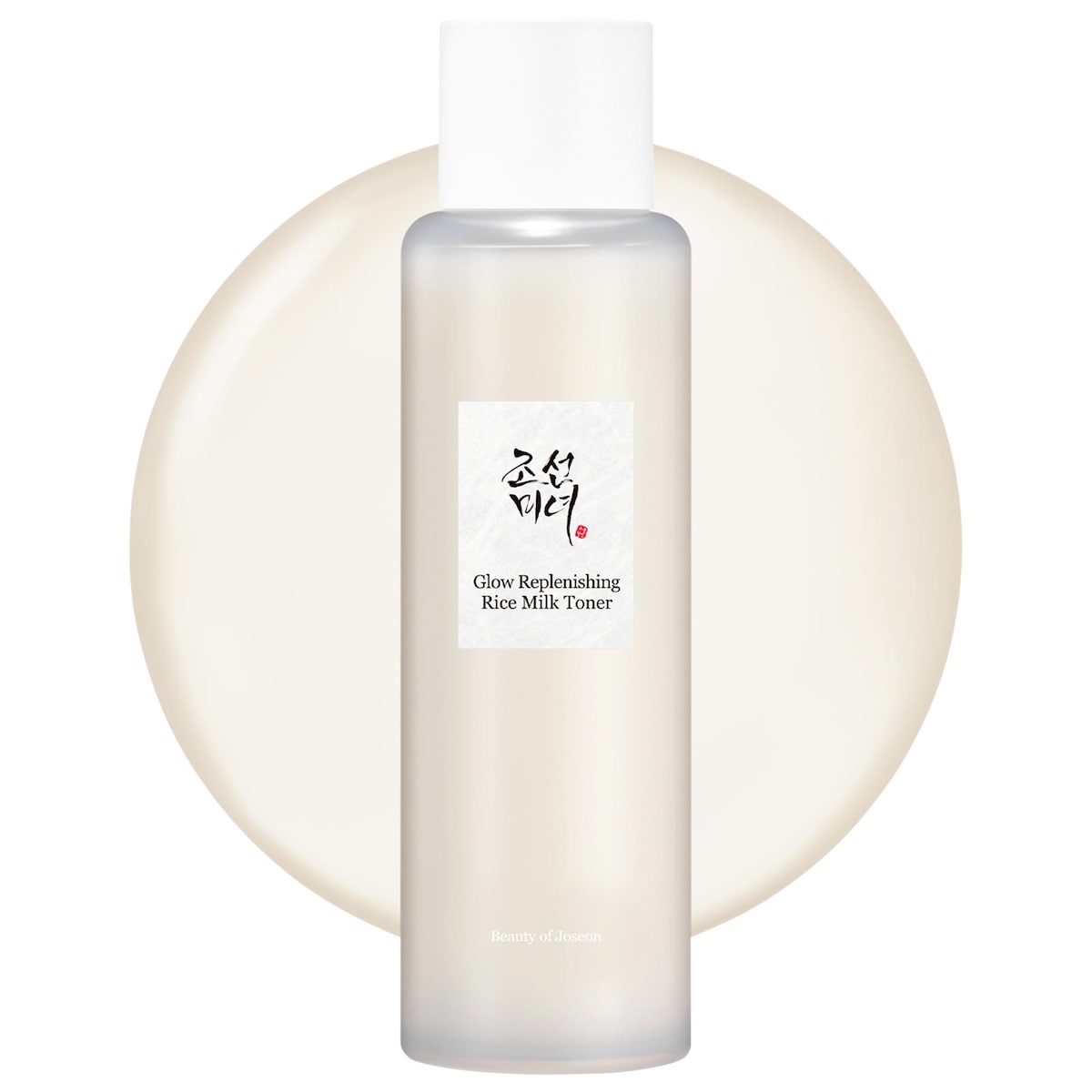
This is the step I used to misunderstand.
I thought toner had to be corrective. Acid toner, pore toner, brightening toner, balancing toner. Something had to happen.
Now I like this step most when it simply makes the routine more comfortable.
A light hydration layer can help dry, tight, or combination skin accept the next steps without needing a heavy cream immediately. It can also make the finish look smoother because the skin has water underneath the moisturizer instead of relying on cream alone.
The mistake is treating toner like an extra treatment every day.
If you already use retinoids, exfoliants, vitamin C, or acne treatments, an active toner can push the routine over the edge fast. A hydrating toner is usually easier to live with.
If the skin feels sticky after this step, use less. If it still feels sticky, skip it. Hydration should make layering easier, not turn your face into tape.
Serum: one job, one bottle
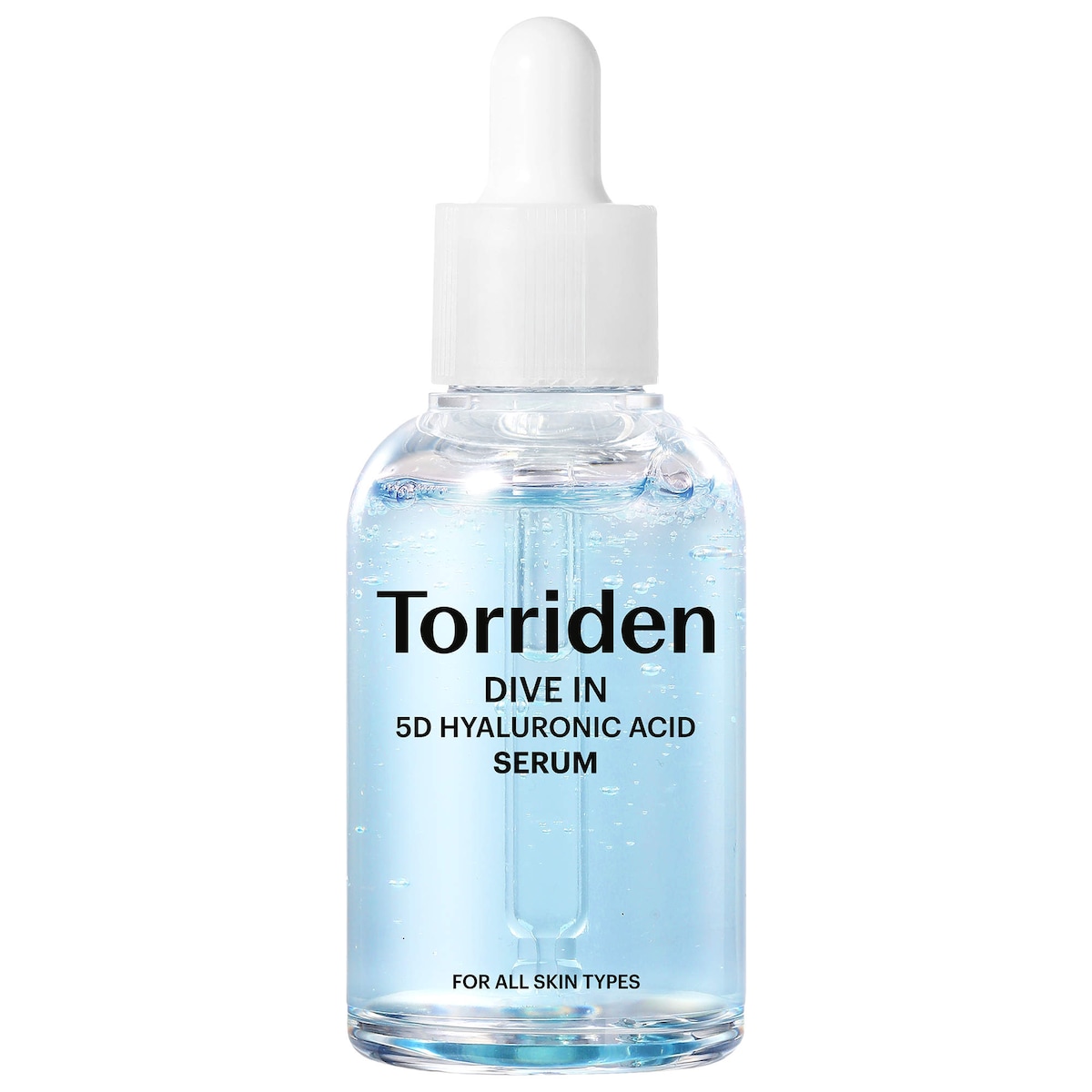
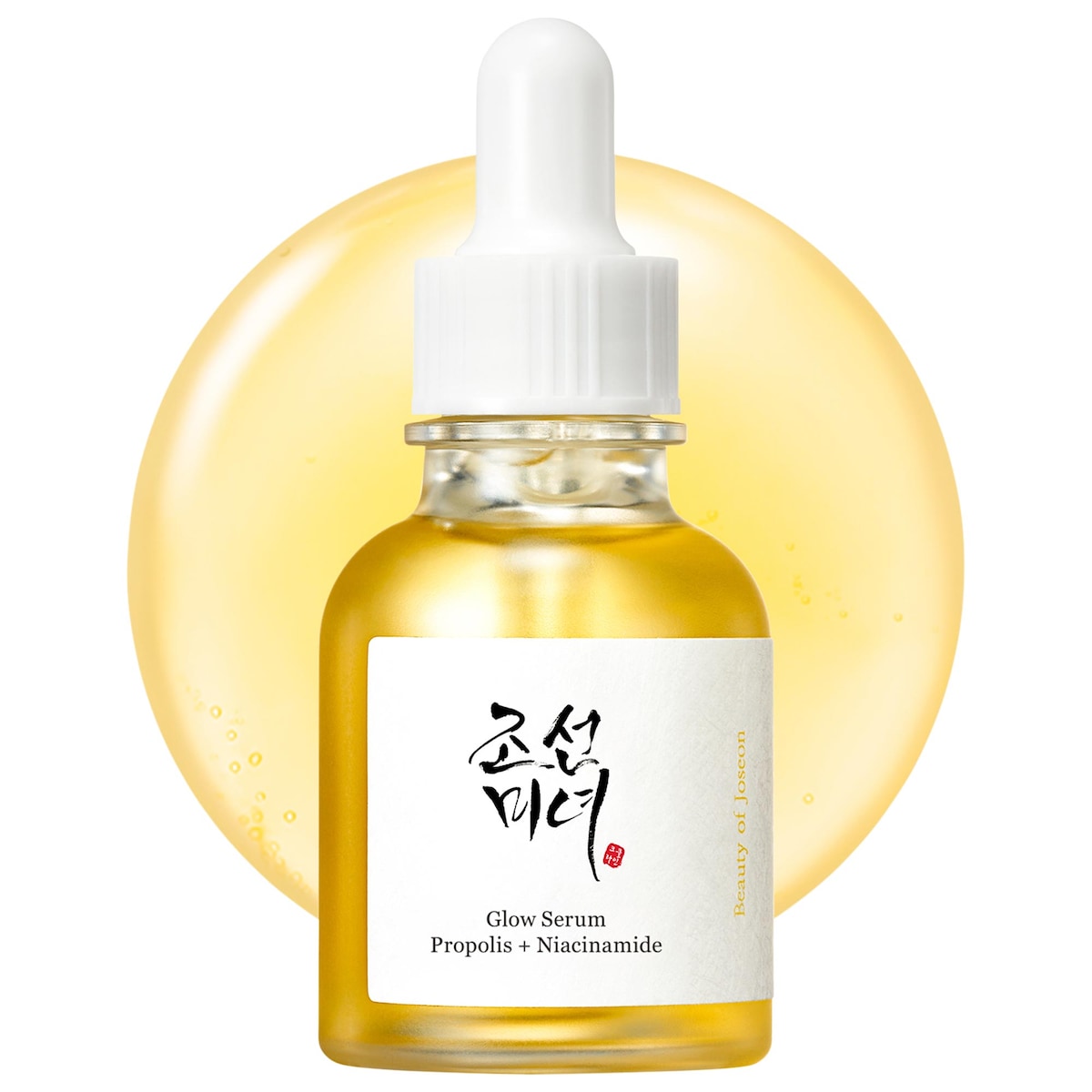
The serum step is where routines get expensive and confused.
I would choose the serum by bottleneck:
- tight and flat skin: hydrating serum
- shiny but dehydrated skin: light hydration first, then reassess
- oily T-zone and uneven tone: niacinamide lane
- dullness and discoloration: vitamin C or pigment support
- texture and fine lines: retinoid at night, not every morning
What I would not do is use three treatment serums because each one sounds useful.
Useful does not mean useful together.
If you are layering a hydrating serum and a treatment serum, keep the thinnest texture first unless the treatment specifically needs clean, dry skin. Retinoids and exfoliating acids often behave better when they are not diluted into a random pile of watery products.
If you are not sure whether your skin needs hydration or niacinamide, niacinamide vs hyaluronic acid for glass skin is the cleaner decision point.
Moisturizer: choose for the layer above it, not the jar
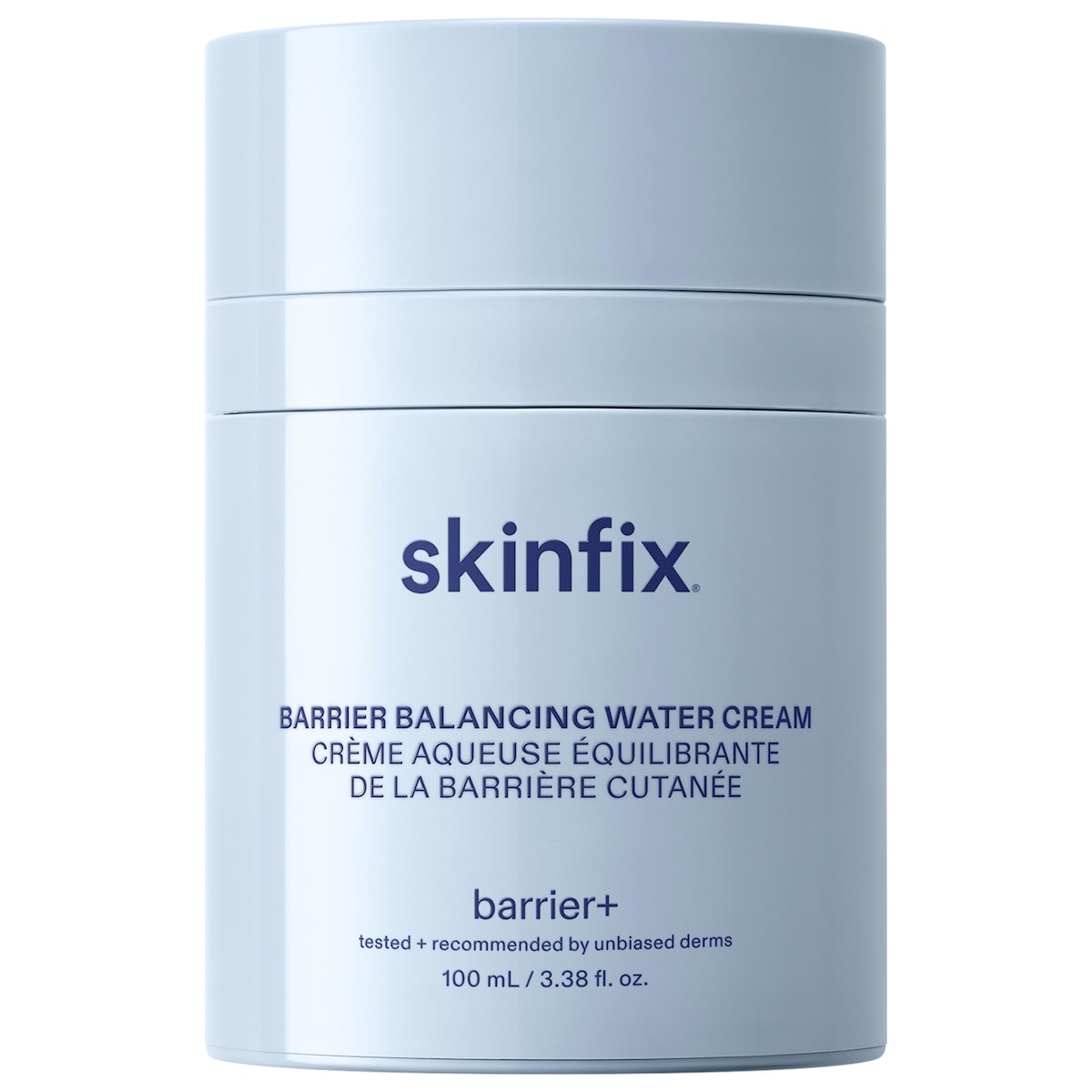
Moisturizer is not just about moisture.
It decides how sunscreen sits. It decides whether makeup grips or slides. It decides whether a serum feels sealed in or trapped under paste.
That is why I choose moisturizer based on what comes next.
If sunscreen is next, I want the moisturizer to disappear enough that SPF can form a clean layer. If makeup is next after sunscreen, I want even less weight. If it is night and my skin is dry, I can tolerate more cushion because nothing needs to sit perfectly on top.
The ten-minute finish can lie.
A cream can look beautiful right after application, then break down into shine or pilling once sunscreen arrives. That does not make it a bad cream. It may just belong at night, or only on dry patches, or only when you are not wearing makeup.
If your routine keeps rolling up, try this tomorrow:
- Apply half your usual serum amount.
- Apply half your usual moisturizer amount.
- Wait until the skin feels settled, not wet.
- Press sunscreen on instead of rubbing hard.
If that fixes it, you did not need a new routine. You needed less product.
Sunscreen: last skincare step, not a negotiable layer
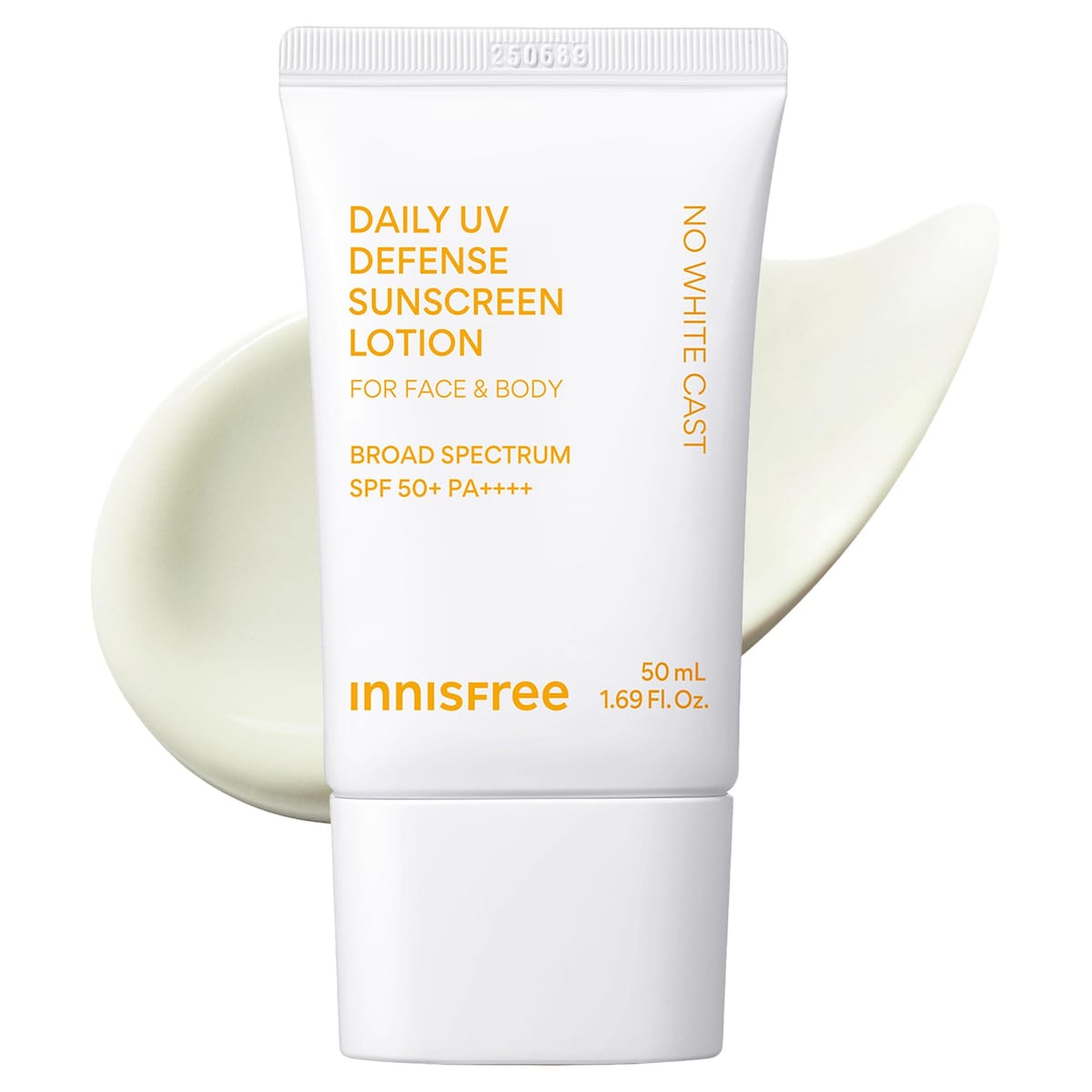
Sunscreen goes last in the morning.
Not under serum. Not mixed into moisturizer. Not after primer.
It needs to sit as the final skincare layer so it can form an even film. That is also why the layers underneath matter so much. If your toner is tacky, your serum is gummy, and your moisturizer is rich, sunscreen has to sit on top of a moving stack.
Then people blame the SPF.
Sometimes the SPF is the problem. But often, it is just the first product honest enough to show you that the layers underneath are not working.
For a cleaner morning, I would rather use a light moisturizer and a sunscreen I can wear every day than a luxurious moisturizer that makes SPF miserable. Daily use beats a perfect-looking routine you avoid.
If sunscreen is where your routine keeps failing, best sunscreens at Sephora under makeup, best invisible sunscreens at Sephora, and best reapplication SPF at Sephora are worth keeping close.
Where primer and makeup fit
Primer is makeup.
That one idea clears up a lot.
I treat primer as the first makeup step, not the last skincare step. That means skincare ends with sunscreen. Then I let it settle. Then primer, if I actually need it.
If primer pills, I check three things:
- Did I use too much moisturizer?
- Did I give sunscreen enough time to settle?
- Are the primer and sunscreen textures fighting each other?
A silicone-heavy primer over a sunscreen that already has a smoothing finish can sometimes be too much film. A gripping primer over a tacky sunscreen can also get weird. The best primer is not always the most powerful one. It is the one that behaves with the sunscreen you actually wear.
The active-ingredient rule that saves the most skin
Do not stack strong actives just because they live in different bottles.
This is the rule I wish more people followed.
Vitamin C, exfoliating acids, retinoids, benzoyl peroxide, pigment serums, and acne treatments can all be useful. That does not mean they all belong in the same morning or night.
I would usually split them like this:
| Concern | Better slot | What I would avoid |
|---|---|---|
| Brightness and antioxidant support | Morning | Pairing strong vitamin C with too many exfoliants |
| Texture and fine lines | Night | Retinoid every night before your skin is ready |
| Clogged pores | Night or targeted mornings | Acid toner plus retinoid plus scrub logic |
| Dark spots | Morning or night, depending on formula | Skipping sunscreen and blaming the serum |
| Barrier recovery | Morning and night | Treating irritation like a problem to exfoliate away |
If your skin burns, flakes, or suddenly hates everything, simplify before you intensify.
Most people do not need a stronger active. They need a calmer schedule.
How long to wait between layers
I do not like turning skincare into a stopwatch hobby.
Most layers do not need a dramatic waiting period. But texture does matter.
My practical rule:
- watery toner: move on when it is no longer dripping
- serum: wait until it feels smooth, not tacky-wet
- moisturizer: wait until the skin feels settled
- sunscreen: give it a few minutes before primer or makeup when possible
If you are using a treatment that needs dry skin, respect that. Retinoids and exfoliating acids can feel harsher when applied to damp skin. If your face is sensitive, waiting until skin is fully dry before those steps can make a real difference.
For everyday hydration, though, do not overcomplicate it. Apply lightly, let the layer settle, then keep going.
The routine I would use if everything keeps pilling
When a routine keeps pilling and you do not know why, I would run a three-day reset.
Morning
- Gentle cleanser or rinse.
- Light moisturizer only if needed.
- Sunscreen.
No toner. No serum. No primer.
If sunscreen behaves, add one product back the next day.
Night
- Cleanse.
- Moisturizer.
No retinol. No exfoliant. No oil.
If skin feels calm, add one treatment back on night three.
This is not a punishment routine. It is a diagnostic routine. You are trying to find the layer that breaks the stack.
Once you find it, you have options: use less, move it to night, replace the texture, or stop pretending it belongs in your daily routine.
The routine I would use for glassy skin without the greasy finish
If the goal is smooth, hydrated, reflective skin, I would keep the stack light and consistent:
Morning
- Gentle cleanse or rinse.
- Light hydrating toner.
- Hydrating serum or niacinamide serum, not both unless your skin clearly likes it.
- Lightweight moisturizer if needed.
- Sunscreen.
Night
- Remove sunscreen and makeup.
- Gentle cleanse.
- Retinoid or exfoliant only on planned nights.
- Hydrating layer if skin feels tight.
- Moisturizer.
That gives you glow from hydration and smoother texture, not from a greasy stack of products sitting on top of the face.
If you are building toward that finish, how to get glass skin without looking greasy, skincare routine for glass skin, and best products for glass skin are the next places I would look.
Where Glass helps
The hard part is not memorizing the order.
The hard part is seeing what your skin does after you change it.
That is where Glass is useful. You can build the routine around the products you actually own, keep morning and night steps separate, track consistency, and use skin scans to notice whether a change is helping or just making the routine feel more complicated.
I like that because layering problems are usually pattern problems.
One bad morning does not tell you much. Three weeks of pilling every time you use the same serum under the same sunscreen tells you a lot.
The bottom line
A good skincare routine order should make your products feel quieter.
Cleaner.
Easier to repeat.
If your routine pills, stings, gets greasy by noon, or feels sticky even though every product is supposed to be good, start with the order before you start shopping.
Use fewer layers.
Give sunscreen the cleanest possible surface.
Keep strong actives in their own lanes.
Move heavy textures to night when they do not have to compete with SPF and makeup.
The best routine is not the one with the most steps.
It is the one your skin can understand.
FAQ
Should serum go before or after moisturizer?
Serum usually goes before moisturizer because it is thinner and more targeted. Moisturizer goes after to soften the skin and seal the routine. The exception is a treatment with specific instructions, especially stronger night actives.
Why does my sunscreen pill over moisturizer?
Sunscreen often pills when there is too much product underneath it, the moisturizer is too rich, the previous layer has not settled, or the textures do not work well together. Try less serum and moisturizer first before replacing the SPF.
Can I use vitamin C and retinol in the same routine?
I would usually split them. Vitamin C makes more sense in the morning for brightness and antioxidant support, while retinol usually belongs at night. Separating them keeps the routine calmer and easier to troubleshoot.
Do I need toner before serum?
No. Toner is optional. Use it if it makes your skin feel more hydrated and helps the rest of the routine sit better. Skip it if it makes your face sticky, irritated, or too layered.
What order should skincare go in before makeup?
Use lightweight skincare first, then moisturizer if needed, then sunscreen as the last skincare step. Let sunscreen settle before primer or makeup. If makeup pills, simplify the skincare underneath before changing foundation.