
My routine was not too small.
It was too confused.
That was the part I kept missing. I had decent products. I had enough cleanser, enough moisturizer, enough sunscreen, enough little bottles with serious names on them. What I did not have was a clean order that made sense in the morning and still made sense at night.
So my skin kept doing that annoying thing where it looked shiny and dry at the same time. Sunscreen pilled. Retinol nights felt random. Hydrating serums sat on top of my face instead of making it feel better. I would buy one more product because the last one did not seem to work, then realize I had never really given any of them a fair routine to live inside.
The fix was boring.
It was also the fix that worked.
I stopped asking, "What else should I add?" and started asking, "Where does this actually belong?"
The order I trust now
If I could hand someone the simplest working version, it would look like this.
| Time | Order | Keep it this simple when |
|---|---|---|
| Morning | Rinse or gentle cleanse, hydrating layer if needed, antioxidant or balancing serum, moisturizer if needed, sunscreen | Your sunscreen pills, your skin gets oily by noon, or your routine takes too long |
| Night | Remove sunscreen or makeup, cleanse, one treatment lane, moisturizer | You use retinoids, acids, acne treatments, or wake up tight and irritated |
| Reset night | Cleanse, hydrate, moisturize | Anything stings, flakes, burns, or feels unusually hot |
| Treatment night | Cleanse, one active, moisturize | You want results without turning every night into an experiment |
The biggest change was not the order itself. It was deciding that morning and night do different jobs.
Morning is protection.
Night is cleanup and repair.
Once I understood that, product order stopped feeling like a beauty rule and started feeling like common sense.
Morning should be lighter than you think
Morning skin care has to survive the day.
That means it has to work under sunscreen, sweat, makeup if you wear it, dry office air, weather, and the little bit of chaos that comes with leaving the house. A morning routine that looks perfect on your counter but pills under SPF is not a good morning routine.
My default morning order is:
- Rinse or gentle cleanse.
- Hydrating layer if my skin feels tight.
- One treatment serum if it behaves under sunscreen.
- Moisturizer only if sunscreen is not enough.
- Broad-spectrum sunscreen as the last skin care step.
That is it.
If your skin is dry or sensitive, you may not need a full cleanser in the morning. A rinse can be enough. If your skin is oily, acne-prone, or you wake up with leftover night product sitting on the surface, a gentle cleanser makes more sense.
The mistake is treating morning like another chance to use everything.
It is not.
Morning is where I want fewer layers, cleaner textures, and zero drama before sunscreen.
Sunscreen is the line I do not cross
I used to treat sunscreen like the annoying last step.
Now I treat it like the step the rest of the morning routine has to earn.
If a serum pills under sunscreen, I move it to night or stop using it. If a moisturizer makes my SPF slide around, I use less moisturizer or switch to a lighter one. If an oil makes sunscreen feel unstable, it does not belong in my morning routine.
The American Academy of Dermatology recommends broad-spectrum, water-resistant sunscreen with SPF 30 or higher for daily protection. Cleveland Clinic also emphasizes daily sunscreen because UV exposure still matters on cloudy days and through everyday routines. That advice sounds basic until you realize how many glow routines collapse because they are built around serums but not protection.
My rule is simple: sunscreen gets the final vote.
Not the prettiest serum.
Not the moisturizer I wish worked.
Not the trend product I bought because everyone else looked shiny and perfect using it.
If the morning stack makes sunscreen harder to wear, the morning stack is wrong.
The night routine is where most people overdo it
Night skin care feels more flexible, so it gets messy faster.
You remove sunscreen. You cleanse. You look at your shelf. Suddenly every product starts making a case for itself.
Retinol says texture.
Glycolic acid says glow.
Vitamin C says brightness.
Niacinamide says pores.
Hydrating serum says barrier.
The problem is not that those ingredients are useless. The problem is that they do not all need to speak on the same night.
My night order is:
- First cleanse if I wore sunscreen, makeup, or heavier products.
- Gentle cleanser.
- One treatment lane.
- Moisturizer.
- Optional occlusive only if my skin is dry or irritated.
The phrase that changed everything for me was "one treatment lane."
Not one treatment product forever. One treatment direction per night.
If it is a retinoid night, it is not also an exfoliation night. If it is an acid night, it is not also a night to test a new brightening serum. If my skin is tight, hot, or flaky, the treatment is recovery.
Recovery counts.
The product order is really a texture order
The easiest layering rule is still thin to thick.
Watery products go before creamy products. Serums usually go before moisturizers. Oils, balms, and occlusive layers usually go near the end. Sunscreen goes last in the morning.
That rule works most of the time because lighter products need contact with the skin before heavier products create a more sealed layer. But I do not follow it blindly anymore.
Texture matters, but purpose matters too.
A prescription acne treatment may need to go on clean, dry skin even if it feels thicker than a serum. A retinoid may work better for you after moisturizer if your skin is reactive and you are buffering. A hydrating toner can go before serum, but if it makes every layer pill, it may not belong in that routine.
The order should help the product do its job.
If the order only looks correct on paper, I do not trust it.
What I would buy first if my routine was starting over
I would not start with actives.
I know that sounds less exciting. I would still start with the boring base because the boring base decides whether the exciting products behave.
| Slot | Product example | Why it earns the slot |
|---|---|---|
| Gentle hydration |  The INKEY List Hyaluronic Acid Hydrating Face Serum The INKEY List Hyaluronic Acid Hydrating Face Serum | Cheap, simple hydration support when skin feels tight or flat |
| Barrier moisturizer |  AESTURA ATOBARRIER365 Lightweight Face Lotion AESTURA ATOBARRIER365 Lightweight Face Lotion | A lighter barrier-support option when heavy creams feel like too much |
| Rich recovery | 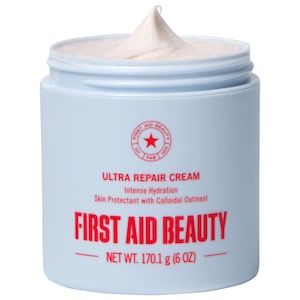 First Aid Beauty Ultra Repair Cream First Aid Beauty Ultra Repair Cream | Better for dry reset nights or skin that feels stripped |
| Retinoid lane | 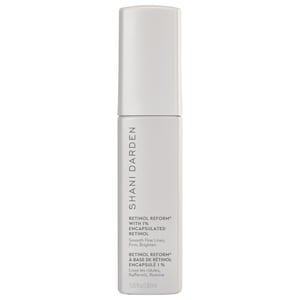 Shani Darden Retinol Reform Shani Darden Retinol Reform | A clear night-treatment lane for texture and fine-line support |
| Exfoliation lane |  The Ordinary Mini Glycolic Acid 7% Toner The Ordinary Mini Glycolic Acid 7% Toner | Useful only when you respect frequency and do not stack it with retinoid nights |
These are examples, not commandments.
The point is the slots. Hydrate. Support the barrier. Treat texture carefully. Exfoliate only when your skin can afford it. Protect every morning.
That structure matters more than the brand name.
The morning order I would use for dry skin
Dry skin needs comfort before ambition.
If your face feels tight after washing, flakes under makeup, or looks dull even when you slept enough, I would keep the morning routine soft:
- Rinse with water or use a very gentle cleanser.
- Apply a hydrating serum or milky toner while skin is slightly damp.
- Use a moisturizer that gives enough cushion without feeling greasy.
- Finish with sunscreen.
I would be careful with strong vitamin C in the morning if your skin is already stinging. Not because vitamin C is bad, but because irritated dry skin often needs barrier support before brightening ambition.
The sign that your morning routine is working is not that your skin looks wet for five minutes. It is that your face still feels comfortable by lunch.
If it does not, the issue may not be glow. It may be dehydration.
The morning order I would use for oily skin
Oily skin does not need punishment.
That was one of the most expensive lessons for me to learn. When skin gets shiny fast, the instinct is to cleanse harder, mattify harder, exfoliate more, and skip moisturizer because the face already feels like it has enough going on.
That can backfire.
For oily skin, I would start with:
- Gentle cleanse.
- Lightweight balancing serum if needed.
- Gel moisturizer or skip moisturizer if sunscreen gives enough comfort.
- Lightweight sunscreen.
The key is avoiding duplicate weight. If your sunscreen is moisturizing, you may not need a separate heavy cream underneath. If your serum already contains niacinamide, you may not need another niacinamide product in the same routine.
Oily skin usually gets calmer when the routine is lighter, not harsher.
The night order I would use with retinol
Retinol nights need respect.
I do not use retinol like a casual serum. I use it like a treatment that can help a lot if the rest of the routine gives it room to work.
My retinol night order is:
- Remove sunscreen and makeup.
- Cleanse gently.
- Let skin dry if the formula or your skin needs that buffer.
- Apply retinol.
- Moisturize.
If your skin is sensitive, the moisturizer sandwich can help: moisturizer, retinol, moisturizer. That is not "doing it wrong." It is adjusting the routine so you can stay consistent without wrecking your barrier.
What I would not do is pair retinol with a strong acid just because both products are sitting there.
That is how a routine becomes technically impressive and physically miserable.
The night order I would use with exfoliating acids
Exfoliation is where I see people accidentally turn a good routine into a problem.
Acids can be useful. They can make texture smoother, help dull skin look fresher, and support clogged-pore routines. But they are not meant to be layered into every night like a loyalty test.
My acid-night order is:
- Cleanse.
- Apply the exfoliant as directed.
- Skip other strong actives.
- Moisturize well.
That is enough.
If your skin feels polished the next morning, great. If it feels shiny, tight, hot, or weirdly smooth in a plastic way, that is not glow. That is a warning.
I would rather exfoliate once a week and keep my skin calm than exfoliate three times a week and spend the rest of the month repairing damage I caused myself.
The reset night is the step nobody wants to admit they need
Reset nights saved my routine.
Not because they are glamorous. Because they stop one bad decision from becoming a two-week irritation spiral.
A reset night looks like this:
- Cleanse gently.
- Add a hydrating layer if it does not sting.
- Use a moisturizer your skin already trusts.
- Stop.
No acids.
No retinoid.
No new mask.
No "just a little" spot test across your whole face.
Reset nights are for skin that feels tight, itchy, hot, flaky, freshly shaved, over-exfoliated, or just less tolerant than usual. They are also useful after travel, too much sun, a procedure, or a week where you kept changing products.
The discipline is stopping early.
The mistakes that kept my routine messy
The first mistake was using products because they were open.
That sounds silly, but it is common. Once a product is on the shelf, it starts feeling like it deserves a turn. It does not. Your skin does not owe every bottle equal time.
The second mistake was treating every concern as urgent.
Texture, pores, dark spots, acne, dryness, redness, and fine lines may all matter. They do not all need to be handled in the same routine. Pick the most annoying bottleneck and build around that first.
The third mistake was changing too much at once.
If I add a new cleanser, a new serum, and a new retinol in the same week, I have no idea what helped or what irritated me. A routine tracker helps here because it makes the pattern visible instead of emotional.
The fourth mistake was calling irritation "purging" too quickly.
Some acne treatments can bring congestion forward. But burning, itching, rawness, swelling, and widespread flaking are not signs that your skin is becoming better at skin care. They are signs to slow down.
The weekly rhythm that finally made sense
The daily order matters.
The weekly rhythm matters more.
This is the rhythm I would use if I wanted results without chaos:
| Day type | What it means | Example |
|---|---|---|
| Normal morning | Protect and keep layers light | Hydration, moisturizer if needed, sunscreen |
| Normal night | Cleanse and maintain | Cleanse, gentle serum, moisturizer |
| Retinoid night | Texture and long-term treatment | Cleanse, retinoid, moisturizer |
| Acid night | Smoothness and dullness support | Cleanse, exfoliant, moisturizer |
| Reset night | Barrier support | Cleanse, hydrate, moisturize |
You do not need all five day types every week. You need enough structure that you stop making product decisions while tired in front of the mirror.
That is usually when the bad stacking happens.
How Glass makes the order easier to keep
The reason I care about routine order is that skin care gets hard to understand when memory is doing all the tracking.
You think you used retinol twice this week, but maybe it was four times. You think the new serum broke you out, but maybe you also exfoliated, slept badly, skipped moisturizer, and changed sunscreen. You think the routine is not working, but maybe you only followed it three mornings out of seven.
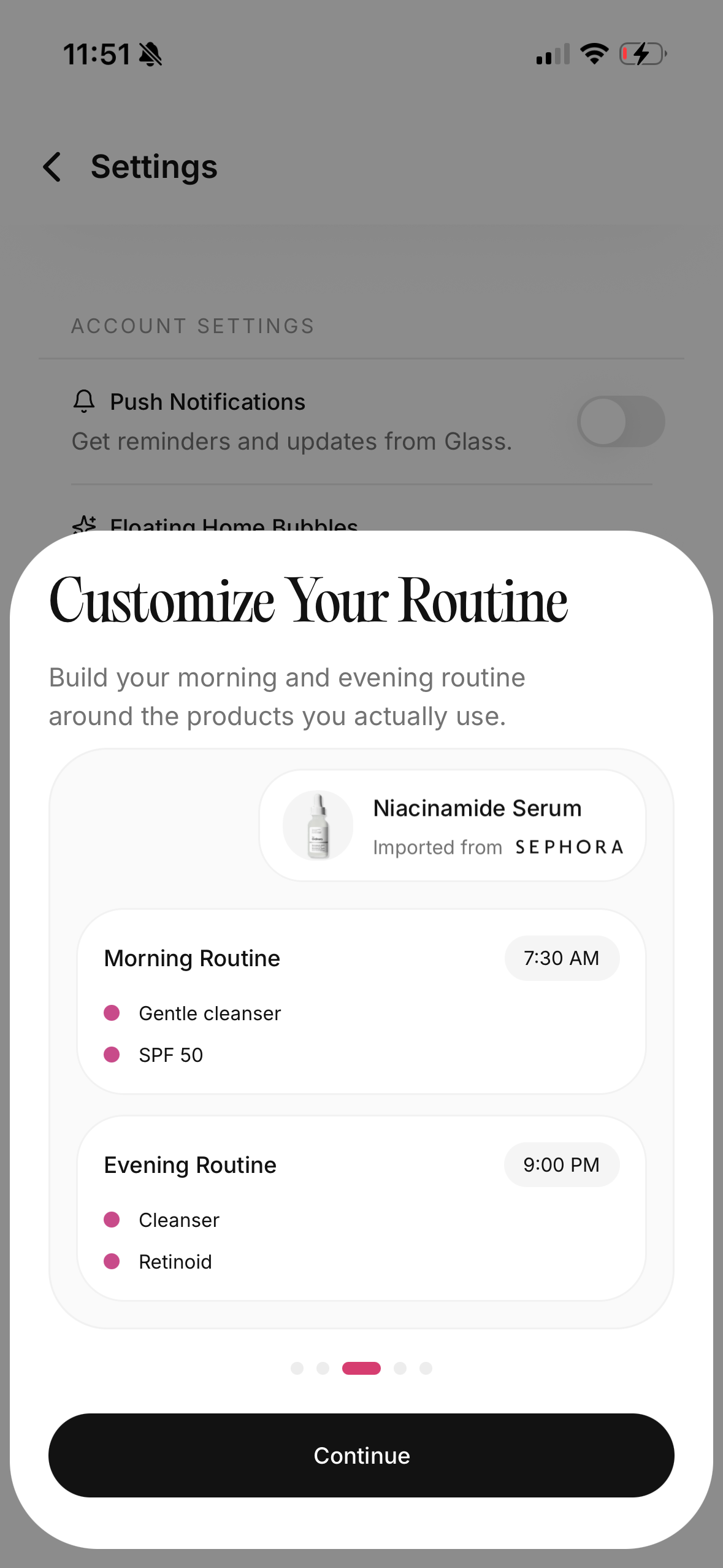
Glass is useful because it turns the routine into something you can actually see. You can build morning and night steps, track what you did, scan products, and connect the routine to how your skin is changing over time.
That matters because the best order is not just the one someone writes down for you.
It is the one you can repeat long enough to learn from.
My final rule
If your routine feels confusing, do not add another product first.
Rewrite the order.
Morning should protect. Night should cleanse, treat with restraint, and repair. Reset nights should be allowed before your skin forces them on you.
Once the order is clean, everything gets easier to judge.
Sunscreen either wears well or it does not. Retinol either fits your night rhythm or it is too much right now. A hydrating serum either makes your skin more comfortable or it is just another wet layer. A moisturizer either supports the barrier or sits there making everything heavier.
That is the real value of getting the skin care routine order right.
It gives every product a job.
And it gives your skin a chance to answer clearly.
FAQ
What order should skin care go in morning and night?
In the morning, use cleanser or a rinse, then hydrating or treatment serum, moisturizer if needed, and sunscreen last. At night, remove sunscreen or makeup, cleanse, use one treatment lane, and finish with moisturizer.
Do I need to cleanse both morning and night?
Most people should cleanse at night, especially if they wore sunscreen, makeup, or heavier products. Morning cleansing depends on skin type. Dry or sensitive skin may only need a rinse, while oily skin may prefer a gentle cleanse.
Should retinol go before or after moisturizer?
Retinol often goes before moisturizer, but sensitive skin may tolerate it better with moisturizer first or with the sandwich method. The best placement is the one that lets you use it consistently without irritation.
Can I use vitamin C in the morning and retinol at night?
Yes, many routines separate them that way. Vitamin C usually makes more sense in the morning under sunscreen, while retinol usually makes more sense at night. Introduce them gradually instead of starting both at full speed.
What should I skip when my skin barrier feels damaged?
Skip exfoliating acids, retinoids, harsh cleansers, strong vitamin C, and new products. Use a gentle cleanse, a familiar moisturizer, and sunscreen during the day until your skin feels normal again.