There is a line.
It is easy to miss.
One side looks fresh, smooth, and hydrated. The other side looks like your skin is trying to escape your face by lunch.
For a long time, I thought glass skin and oily skin were basically the same finish with better branding. If my forehead reflected light, that meant I was close. If my cheeks looked shiny after skincare, that meant the routine was working. If my nose got glossy by noon, I told myself that was just the cost of looking dewy.
It was not.
I was confusing reflection with residue.
The difference matters because the fix is completely different. If your skin is glassy because it is hydrated, calm, and smooth, you protect that. If your skin is shiny because there is excess oil, product film, or irritation sitting on the surface, adding more glow products only makes the problem louder.
That is the mistake I would stop first.
Quick answer
Glass skin looks smooth, even, and hydrated. Oily skin looks shiny in patches, feels slick to the touch, and usually gets louder through the T-zone as the day goes on.
The easiest way to tell the difference is to check three things:
- Touch: glassy skin feels comfortable and smooth; oily skin feels slippery.
- Location: glassy skin reflects softly across the face; oily skin usually concentrates on the forehead, nose, and chin.
- Timing: glassy skin stays relatively steady; oil shine builds as the day goes on.
If your skin looks shiny but also feels tight, rough, or uncomfortable, you may be dealing with oily-dehydrated skin. That version needs water support, not harsher cleansing.
If everything stings or your skin suddenly reacts to products that used to be fine, pause this whole goal and start with skin barrier repair routine. A damaged barrier can look shiny, but it is not the kind of shine you want to build around.
The mirror test I trust now
I do this in natural light.
Not under a bathroom light. Not with a beauty light. Not right after applying moisturizer.
I wait at least two hours after my morning routine, then I look at where the light hits.
When skin is actually glassy, the reflection looks clean. It sits mostly on the high points: cheekbones, the bridge of the nose, a little across the forehead. The skin underneath still looks like skin. Pores exist. Texture exists. But the surface looks calmer.
When skin is just oily, the shine spreads differently. The center of the face gets louder first. The nose looks slick. The forehead reflects in a hard, flat way. Around the mouth or between the brows, shine can start to look messy instead of fresh.
That is the first clue.
The second clue is touch.
I press a clean finger lightly against the side of my nose or the center of my forehead. If the finger comes away shiny or the skin feels slippery, that is oil or product film. If the skin feels soft, flexible, and not wet, that is closer to hydration.
The third clue is how makeup behaves. Glassy skin usually helps makeup sit smoother. Oily skin breaks it up. Concealer separates around the nose. Sunscreen starts moving. Powder disappears fast. The face looks shinier but not smoother.
That is when I know the routine is not giving me glow. It is giving me slip.
The mistake that kept making my skin look greasy
I used to treat shine like a hydration problem every single time.
That meant more toner. More serum. More cream. Sometimes a glow primer on top, because apparently I wanted to make the evidence impossible to ignore.
The routine looked beautiful for twenty minutes.
Then it collapsed.
The problem was not that hydration was bad. Hydration is part of glass skin. The problem was that I kept adding hydrating layers without asking whether my skin needed water, oil control, exfoliation, barrier repair, or just fewer products.
Oily skin does not need to be punished. It also does not need to be glazed.
It needs clean roles.
Cleanser should clean without leaving your face tight. A hydration layer should make the skin flexible, not sticky. Serum should solve one real bottleneck. Moisturizer should finish the routine without coating the face. Sunscreen should protect without turning everything underneath into a moving layer.
When those jobs are clear, the skin starts looking fresh instead of wet.
The five signs your glow is actually oil
The first sign is speed. If your face looks good at 8 a.m. and greasy by 11 a.m., the routine is probably too heavy, too layered, or not balanced enough for your oil pattern.
The second sign is patchiness. Healthy glow looks more even. Oil shine often concentrates in the T-zone while the cheeks still look dull, tight, or textured.
The third sign is texture getting louder. When shine catches on bumps, clogged pores, or flaky patches, the face can look more reflective but less refined.
The fourth sign is product movement. If sunscreen, skin tint, or concealer starts sliding around, that is not glass skin. That is a routine with too much slip or not enough settling time.
The fifth sign is irritation. This one surprised me. Over-cleansed skin can look shiny because it is stressed. Over-exfoliated skin can look shiny because the surface is irritated. A face can be oily and dehydrated at the same time, which is why stripping it harder often makes it look worse.
That is why I do not start by attacking oil anymore.
I start by finding the reason the shine looks messy.
The routine reset that helped me separate glow from grease
When I want oily skin to look glassy without looking greasy, I strip the routine back to a boring but effective base.
Not a harsh base.
A calm one.
| Image | Step | What I would use | Why it helps |
|---|---|---|---|
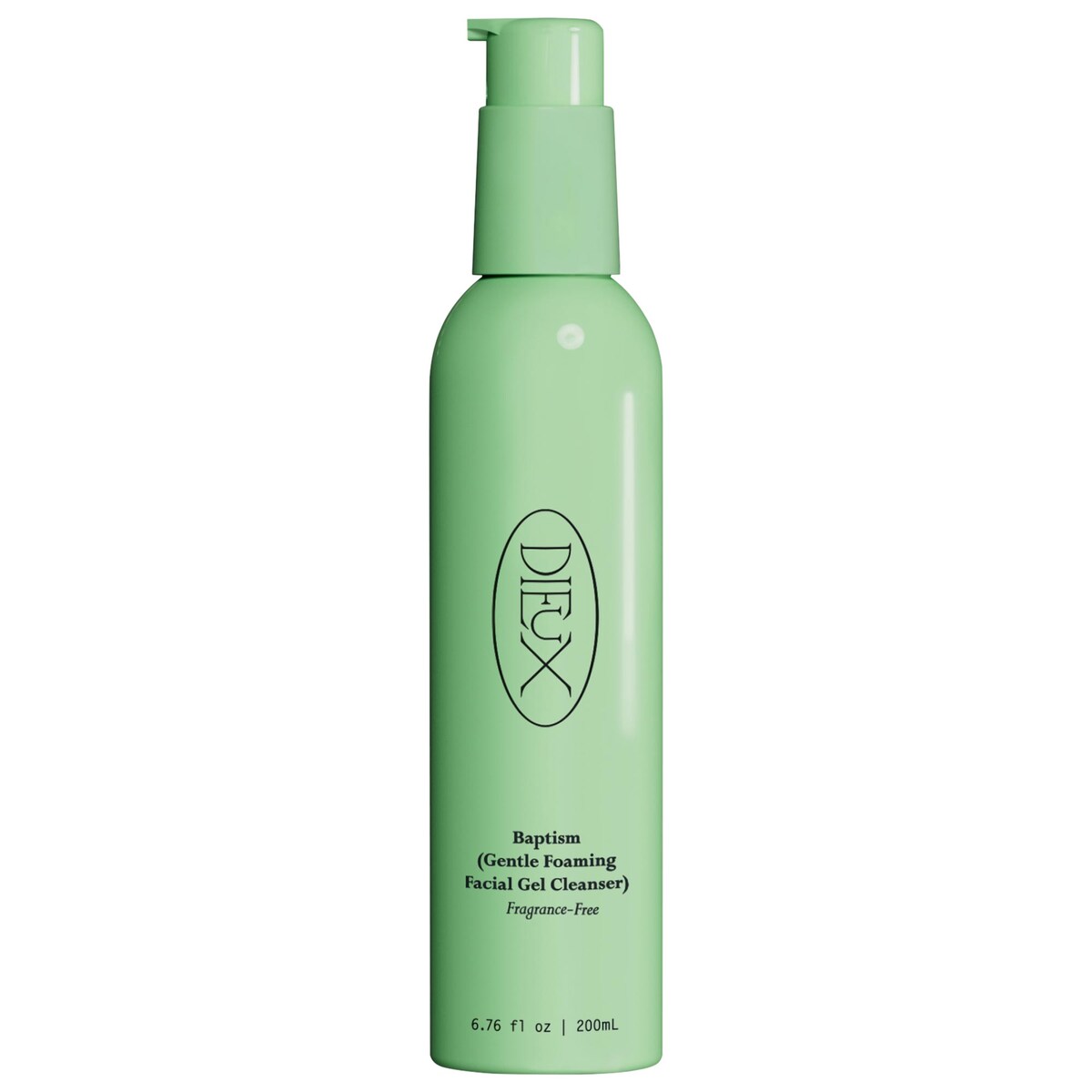
 | Cleanse | Dieux Baptism Hydrating + Pore Clarifying Gentle Foaming Gel Cleanser | Cleans oily skin without making the rest of the routine feel like damage control |
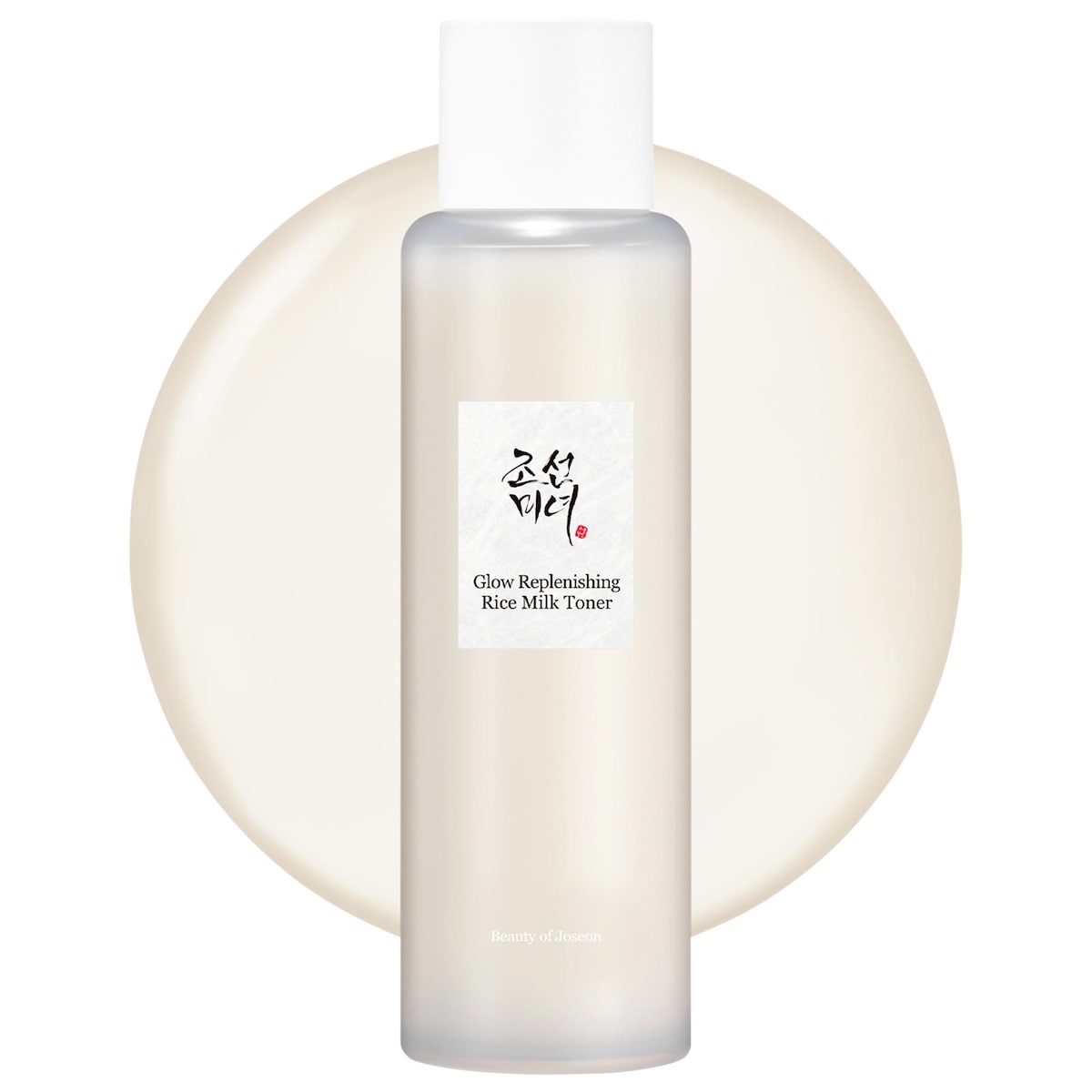
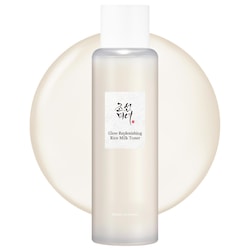 | Hydrate | Beauty of Joseon Glow Replenishing Rice Milk Lightweight Hydration Toner | Adds light water support without turning the skin creamy too early |
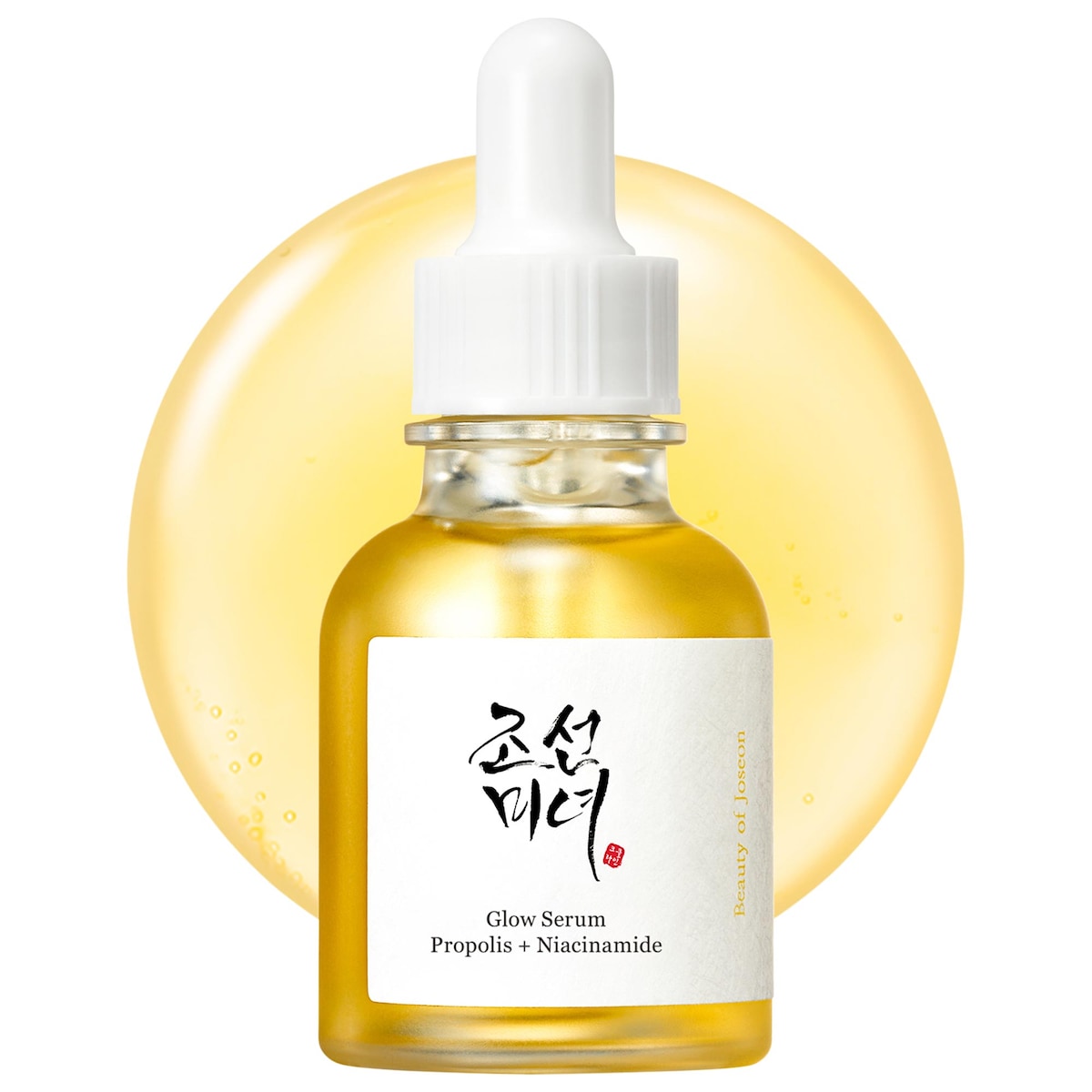
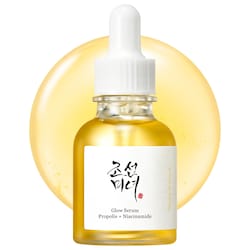 | Balance | Beauty of Joseon Glow Serum for Oil Control with Niacinamide | Gives the glow step a real job when pores, oil, and post-breakout marks are involved |
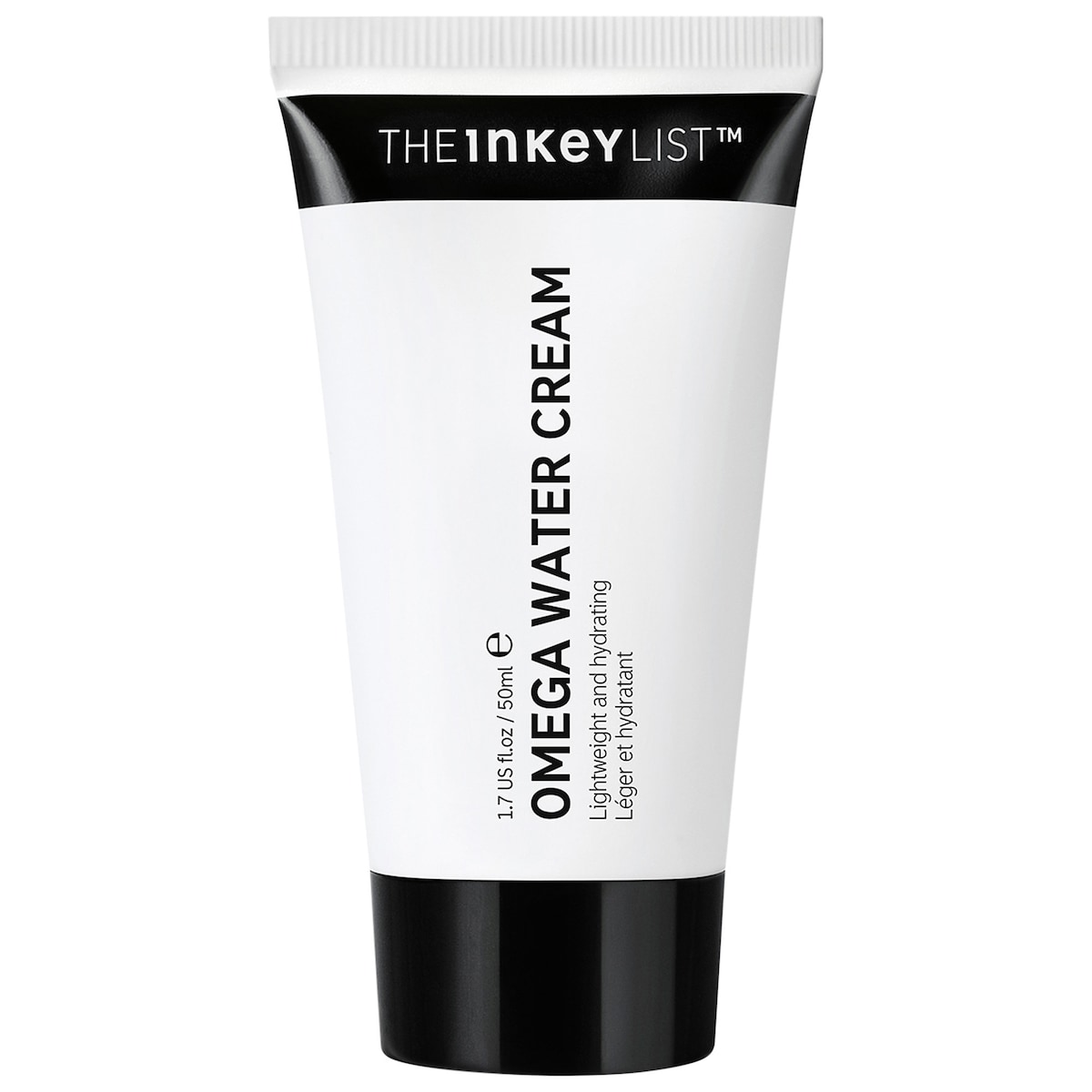
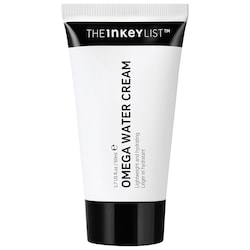 | Moisturize | The INKEY List Omega Water Cream Oil-Free Moisturizer + Niacinamide | Finishes the routine without the heavy cream feeling oily skin usually hates |
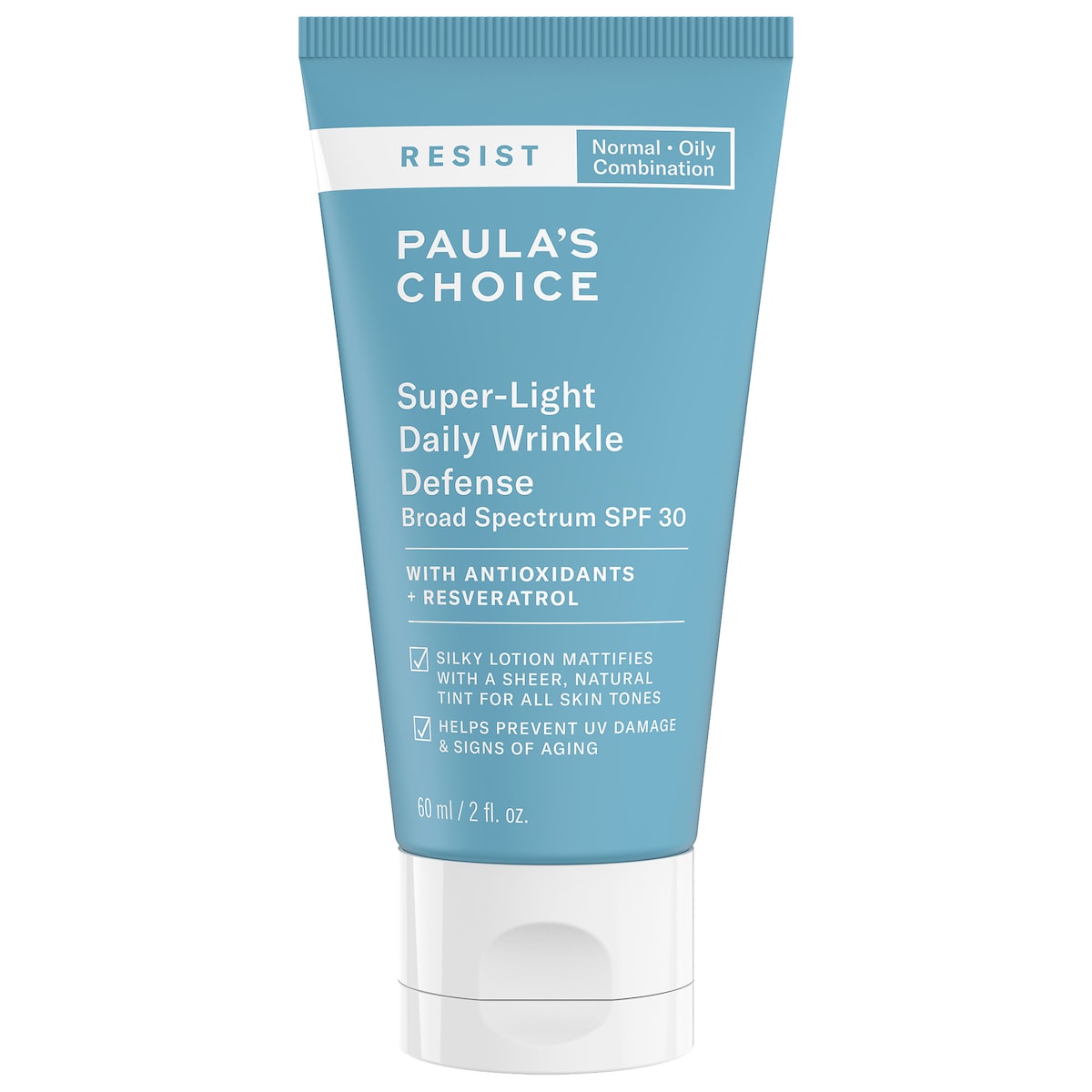
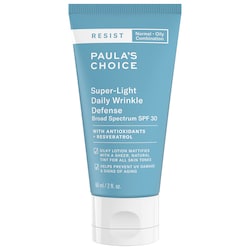 | Protect | Paula's Choice RESIST Super-Light Daily Wrinkle Defense Face Sunscreen SPF 30 | Helps keep the morning finish smoother and less shiny |
This is not the only routine that can work.
It is a clean starting point.
Step 1: Clean until your skin feels normal, not erased
The cleanser is where oily skin gets talked into bad decisions.
I understand why. When your skin is shiny, a stronger cleanser feels satisfying. You wash, the oil disappears, and for a few minutes your face feels controlled.
Then the tightness shows up.
That tight feeling is not discipline. It is friction. It means the routine has already started too aggressively, and now every product after it has to make the skin comfortable again.
For oily skin, I like a gentle foaming gel lane. Dieux Baptism Hydrating + Pore Clarifying Gentle Foaming Gel Cleanser makes sense because it cleans without turning the face into a blank, squeaky surface.
Use it at night when sunscreen, sweat, and the day need to come off. In the morning, be more honest. If you wake up very oily, cleanse lightly. If you wake up balanced, a rinse may be enough.
The goal is not to remove every trace of oil from your identity.
The goal is to start with skin that feels calm enough to keep going.
Step 2: Add water before you judge the oil
This is the step I used to skip because it sounded backwards.
Why add hydration when my face already looks shiny?
Because oil and water are not the same thing.
Skin can be oily on the surface and still feel dehydrated underneath. That is the face that looks shiny but tight. Greasy but flat. Reflective but rough.
When that is happening, cutting every hydration step can make the skin look worse. The smarter move is choosing a thinner hydration layer.
Beauty of Joseon Glow Replenishing Rice Milk Lightweight Hydration Toner fits that job well because it gives the skin a water step without feeling like a cream disguised as a toner.
Use one layer. Press it in. Wait a moment.
If your skin feels more flexible but not sticky, you are in the right zone. If it looks instantly wet and stays tacky, you used too much or the product is too rich for your morning routine.
For oily skin, the best hydration step is the one you barely notice after it settles.
Step 3: Make the serum solve oil balance, not just shine
The serum step is where a lot of routines become crowded.
One serum for glow. One for pores. One for dark spots. One for hydration. One because the bottle looked convincing.
That is how oily skin ends up looking coated.
If oiliness, pores, and post-breakout marks are part of the problem, I would rather give this step to niacinamide or another balancing ingredient. Beauty of Joseon Glow Serum for Oil Control with Niacinamide fits the moment because it does not just add shine. It tries to make the skin look calmer and more even.
Use less than you want to use.
A thin layer is enough. More serum does not mean more control. It often means more pilling, more stickiness, and more midday movement under sunscreen.
If niacinamide is already in your moisturizer, sunscreen, and another product, you may not need a separate serum. That is one of the easiest ways to keep the routine from becoming repetitive.
If this decision is still blurry, niacinamide vs hyaluronic acid for glass skin is the cleaner comparison.
Step 4: Moisturize by zone if your face has different moods
I do not think oily skin needs to skip moisturizer.
I think oily skin needs a moisturizer that knows its place.
The INKEY List Omega Water Cream Oil-Free Moisturizer + Niacinamide works well as the lightweight lane because it gives the routine a real ending without making the face feel sealed in plastic.
The bigger shift is using it by zone.
Your forehead may not need the same amount as your cheeks. Your nose may need almost nothing. Your jawline may need a normal layer. Treating the whole face like one skin type is one reason oily routines fail.
Start with a small amount. Spread it lightly. Add more only where the skin still feels tight after a minute.
That is enough.
When oily skin looks greasy after moisturizer, it is often not because moisturizer is wrong. It is because the texture is too rich, the amount is too much, or every step before it already left a film.
If moisturizer keeps being the step that ruins your finish, best Sephora moisturizers for oily skin is the better shopping branch.
Step 5: Make sunscreen the finish test
Sunscreen tells the truth.
If the routine underneath is too crowded, sunscreen exposes it. It pills. It slides. It looks thick around the nose. It makes the forehead too shiny before you even leave the house.
That does not mean sunscreen is the enemy. It means the morning routine needs a cleaner build.
For oily skin, I like sunscreen formulas that help the finish look smoother, not wetter. Paula's Choice RESIST Super-Light Daily Wrinkle Defense Face Sunscreen SPF 30 is useful for that because it sits more controlled than the very dewy SPF lane.
Apply it over skincare that has had a minute to settle.
If it still pills, reduce the serum amount first. Then reduce moisturizer. Then check whether your toner is too sticky. Do not keep swapping sunscreen if the real problem is three layers underneath it.
The best sunscreen for this goal is not the one that looks glassiest in the first thirty seconds.
It is the one you can wear until afternoon without wanting to wash your face.
Where exfoliation fits if your shine looks bumpy
Sometimes the problem is not only oil.
It is oil plus buildup.
That version looks shiny in the worst way. Light catches on clogged pores, rough texture, little bumps, and uneven patches. The skin reflects, but not smoothly.
This is where exfoliation can help, especially a pore-focused acid like salicylic acid. But I would use it like a tool, not a punishment.
Start one or two nights a week. Keep the rest of that night boring: cleanse, exfoliant, moisturizer. No retinoid on top while you are learning your tolerance. No scrub. No “just one more brightening serum.”
If your skin gets smoother over two weeks, stay there.
If it gets shinier, stingier, or more red, pull back.
The goal is better texture, not proof that you can tolerate the strongest routine.
What I would stop doing first
I would stop chasing a wet finish in the morning. A wet face does not age well across the day on oily skin. It usually turns into movement.
I would stop using face oil as the default glow step. Some people can make it work, especially at night, but it is not the first place I would go if your T-zone already takes over.
I would stop layering multiple products with the same job. A hydrating toner, hydrating serum, dewy cream, and dewy sunscreen can all be good products and still be wrong together.
I would stop washing more aggressively every time the skin gets oily. Cleansing harder can make the skin feel cleaner for an hour while making the whole week worse.
Most of all, I would stop thinking shine is the goal.
Clean reflection is the goal.
A simple morning routine for oily skin that wants glow
This is the morning version I would actually repeat:
- Rinse or cleanse lightly.
- Apply one thin hydration layer.
- Use a small amount of balancing serum if you need it.
- Moisturize lightly, adjusting by zone.
- Finish with sunscreen and let it settle before makeup.
If your skin is already shiny before sunscreen, do not add powder immediately. Look backward. One of the earlier steps may be too much.
If your skin feels tight before sunscreen, do not skip hydration. The routine may be too drying.
If your skin looks good for two hours and bad by lunch, track the finish. The problem is usually either moisturizer weight, sunscreen texture, or too many layers under both.
A simple night routine that keeps the glow cleaner
Night is where I would handle the things that make oily skin look less refined.
On normal nights:
- Cleanse well.
- Add a light hydration layer if needed.
- Use your balancing serum.
- Moisturize lightly.
On exfoliation nights:
- Cleanse.
- Apply the exfoliant.
- Moisturize.
That is it.
Do not turn every night into a full treatment night. Oily skin can tolerate more than dry skin sometimes, but that does not mean it improves faster under constant pressure.
The best night routine is the one that lets you wake up less congested, not more irritated.
How you know you are getting closer
You stop touching your face to check if it is greasy.
That was my first sign.
The second sign was that my skin looked better before products. Not perfect. Just calmer. Less angry around the nose. Less uneven on the forehead. Less desperate for a glow layer to make it look alive.
The third sign was that sunscreen got easier. When the routine underneath became lighter and cleaner, SPF stopped feeling like the product that ruined everything.
The fourth sign was that I needed less powder. Not none. Less.
That is a realistic win for oily skin.
You may still get shine. You may still blot. You may still have visible pores because pores are normal and the internet has made everyone weird about them.
But the face starts looking fresher.
Less slick.
More intentional.
That is the difference I care about now.
FAQ
Is glass skin just oily skin?
No. Glass skin is smooth, hydrated, and balanced, while oily skin usually feels slick and gets shinier through the T-zone as the day goes on. They can look similar for a moment, but they behave differently.
Can oily skin get glass skin?
Yes, but oily skin needs a lighter version of the routine. Focus on gentle cleansing, thin hydration, one balancing serum, lightweight moisturizer, and sunscreen that does not add too much slip.
Why does my skin look shiny but still feel tight?
That usually means your skin may be oily and dehydrated at the same time. Surface oil can sit on top while the skin underneath still lacks water support or barrier comfort.
Should I skip moisturizer if I have oily skin?
Usually no. Use a lighter gel or water-cream moisturizer and apply less through the T-zone. Skipping moisturizer often makes the routine feel unstable, especially if you cleanse or exfoliate.
What should I change first if my glass skin routine looks greasy?
Reduce layers before replacing everything. Use less serum, switch to a lighter moisturizer, let products settle before sunscreen, and avoid using multiple dewy products in the same morning.
Final take
The difference between glass skin and oily skin is not whether your face reflects light.
It is whether the reflection looks clean.
If the shine feels slick, builds through the center of your face, breaks up sunscreen, or makes texture look louder, it is probably oil, product film, or irritation. If the glow feels comfortable, smooth, and steady, you are much closer to the look you actually wanted.
That is the whole shift.
Do not add more shine.
Build calmer skin.