
Oily skin can already shine.
That is the trap.
When I first understood the glass skin trend, I thought oily skin had an advantage. We already had reflection. We already had glow by noon. We already knew what it felt like to look dewy without trying.
Then I realized that was not the same thing.
Glass skin looks smooth, hydrated, even, and calm. Oily skin can look shiny while still feeling tight, bumpy, congested, or irritated underneath. That is why adding more "glow" products usually makes the problem worse. The finish gets wetter, but the skin does not look healthier.
The better goal is control.
Not matte. Not stripped. Not powdered into silence.
Controlled.
For oily skin, glass skin starts when the routine stops fighting your face and starts giving each step a real job.
Quick answer
If your skin is oily, glass skin works best when the routine is light, hydrated, and disciplined. Use a gentle cleanser, one thin water layer, one balancing serum, a lightweight moisturizer, and a sunscreen that still looks good three hours later. Save exfoliation for a few nights a week instead of using acids every time your face gets shiny.
The finish should look fresh after it settles. If it looks wet, sticky, or like product is sitting on top, the routine is too heavy. If it looks flat, tight, and greasy at the same time, the routine is probably too stripping and not hydrating enough.
The real oily-skin problem is not shine. It is messy shine.
There are different kinds of shine.
Some shine is just healthy reflection. Your cheek catches light. Your skin looks smooth. Nothing feels heavy. You can touch your face without feeling a film.
Some shine is surface oil. Your nose gets slick first. Your forehead starts reflecting light in patches. Sunscreen moves around. Makeup breaks near the sides of the nose. Blotting paper comes away soaked.
Some shine is product residue. This is the one that tricks people. Your face looks glossy right after the routine, but it feels sticky or coated. A rich toner, serum, moisturizer, and sunscreen may all be fine separately, then become too much together.
Some shine is irritation. The face looks bright, hot, and almost polished, but not in a healthy way. Products sting. The cheeks flush. The skin feels tight under the oil. That is not glow. That is your routine asking for less.
Once I separated those four types of shine, oily-skin skincare got much easier.
The routine I would build first
| Image | Step | Product | Best for | Why it fits |
|---|---|---|---|---|
 | Cleanse | Dieux Baptism Hydrating + Pore Clarifying Gentle Foaming Gel Cleanser | Oily skin that needs a clean reset without the tight feeling | A gel cleanse that feels fresh without turning the rest of the routine into repair work |
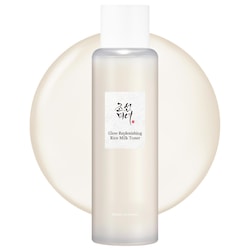 | Hydrate | Beauty of Joseon Glow Replenishing Rice Milk Lightweight Hydration Toner | Skin that gets shiny but still feels thirsty | Thin hydration without the heavy toner feeling |
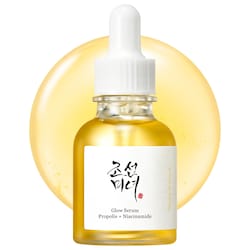 | Balance | Beauty of Joseon Glow Serum for Oil Control with Niacinamide | Oily T-zones, visible pores, post-breakout unevenness | A glow step with a real balancing job |
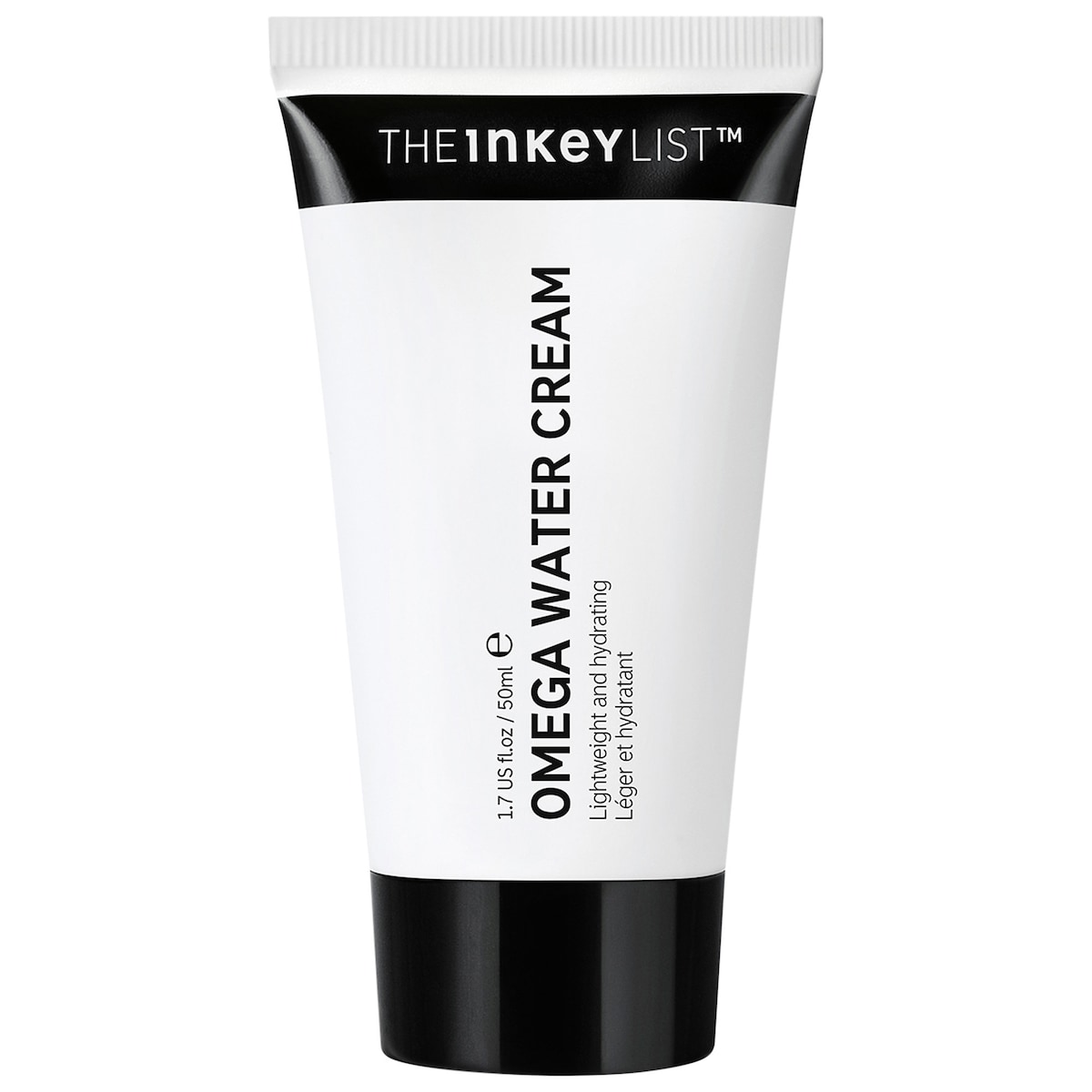
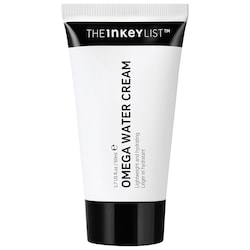 | Moisturize | The INKEY List Omega Water Cream Oil-Free Moisturizer + Niacinamide | People who skip moisturizer because creams feel too rich | Finishes the routine without smothering oily skin |
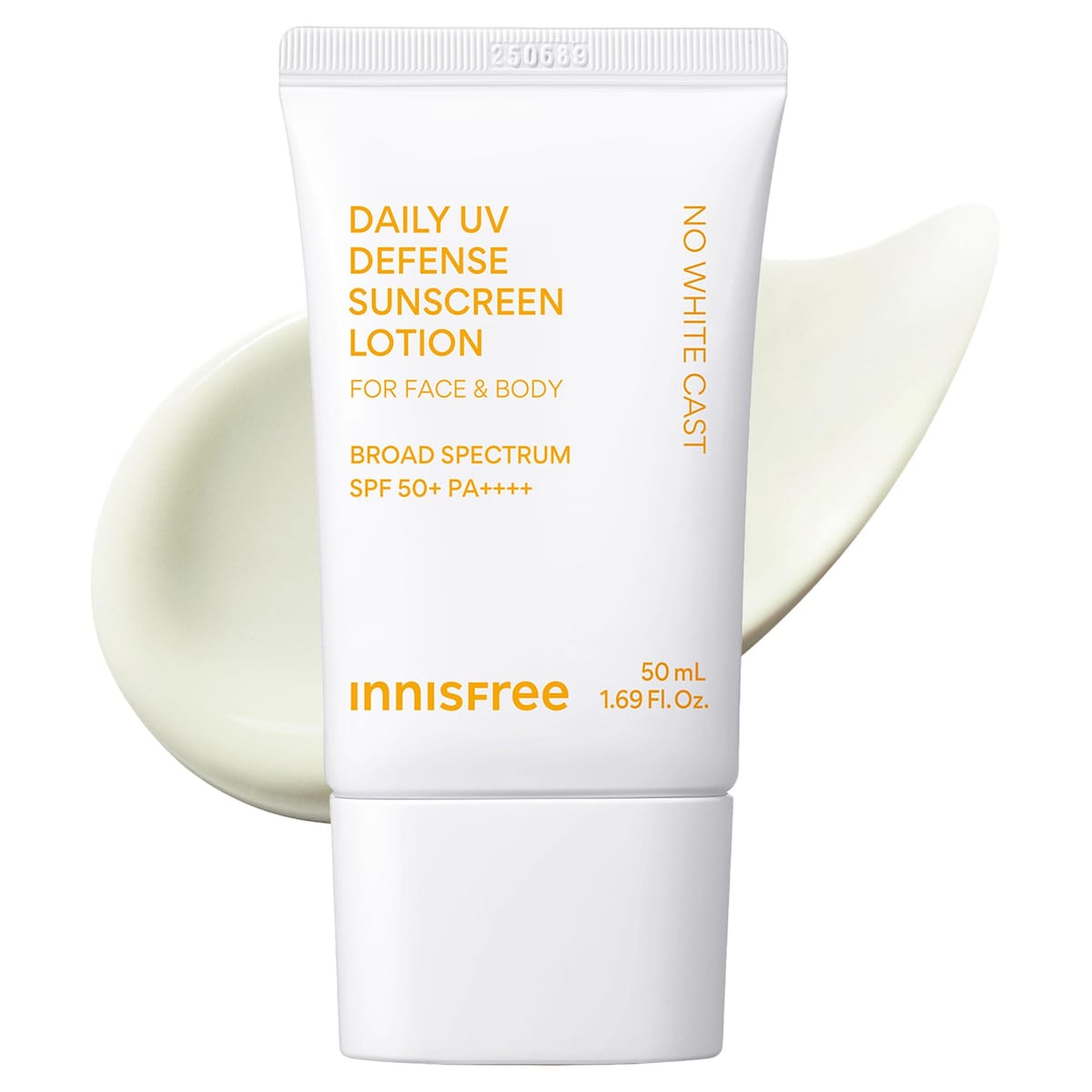
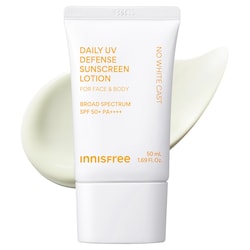 | Protect | innisfree Daily UV Defense Invisible Korean Sunscreen Lotion Broad Spectrum SPF 50+ PA++++ | Daily SPF when you want protection without a greasy cast | Easier to repeat than thick sunscreen formulas |
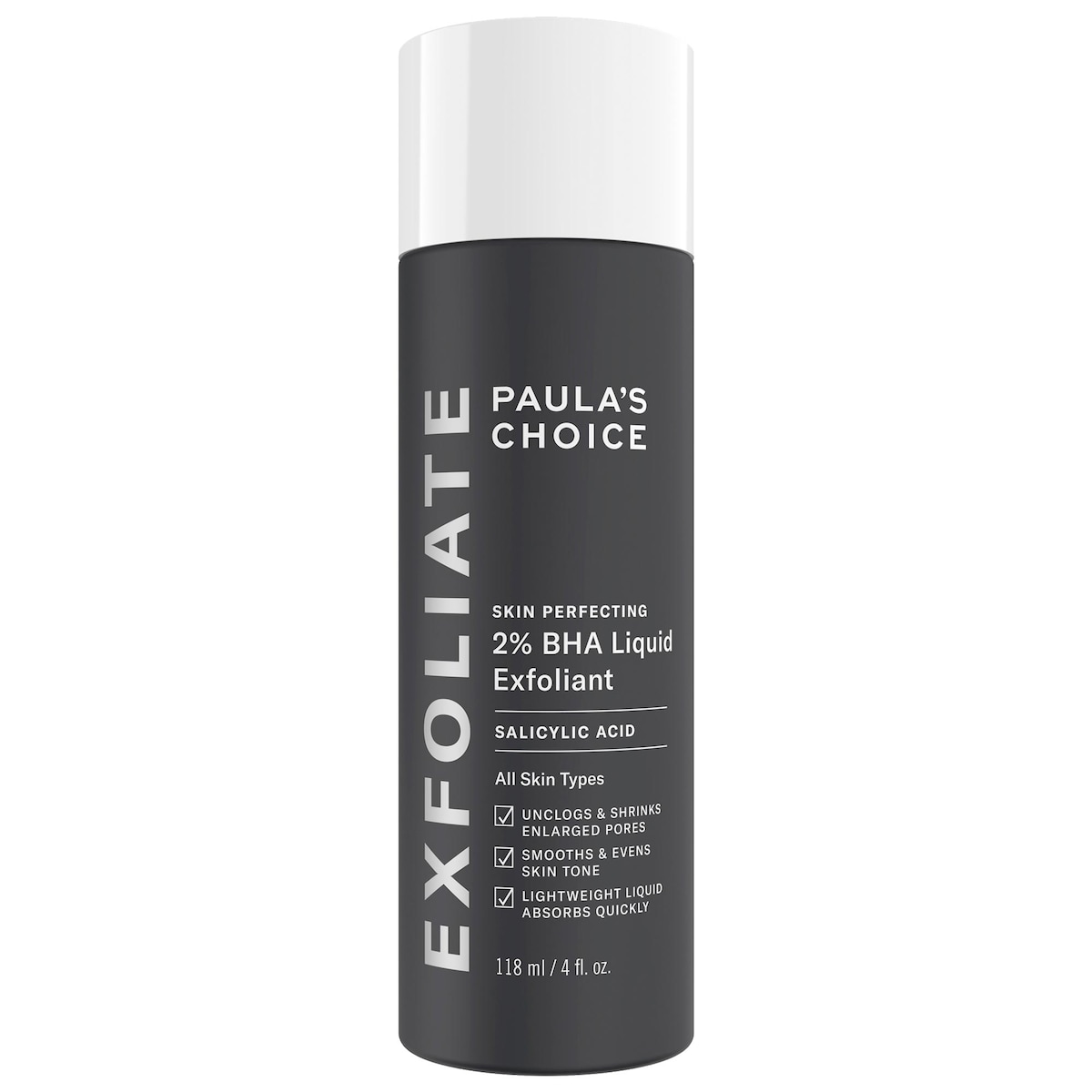
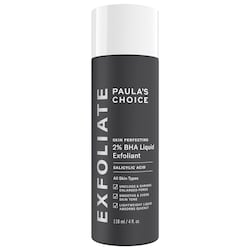 | Rotate | Paula's Choice Skin Perfecting 2% BHA Liquid Exfoliant | Congested pores, bumpy texture, oily T-zones | Useful when used patiently, not every time you feel shiny |
This is not the only routine that can work. It is the shape I trust most.
Clean. Hydrate. Balance. Moisturize lightly. Protect. Treat texture on schedule.
That order keeps oily skin from becoming either too dry or too coated.
Step 1: Stop chasing the squeaky-clean feeling
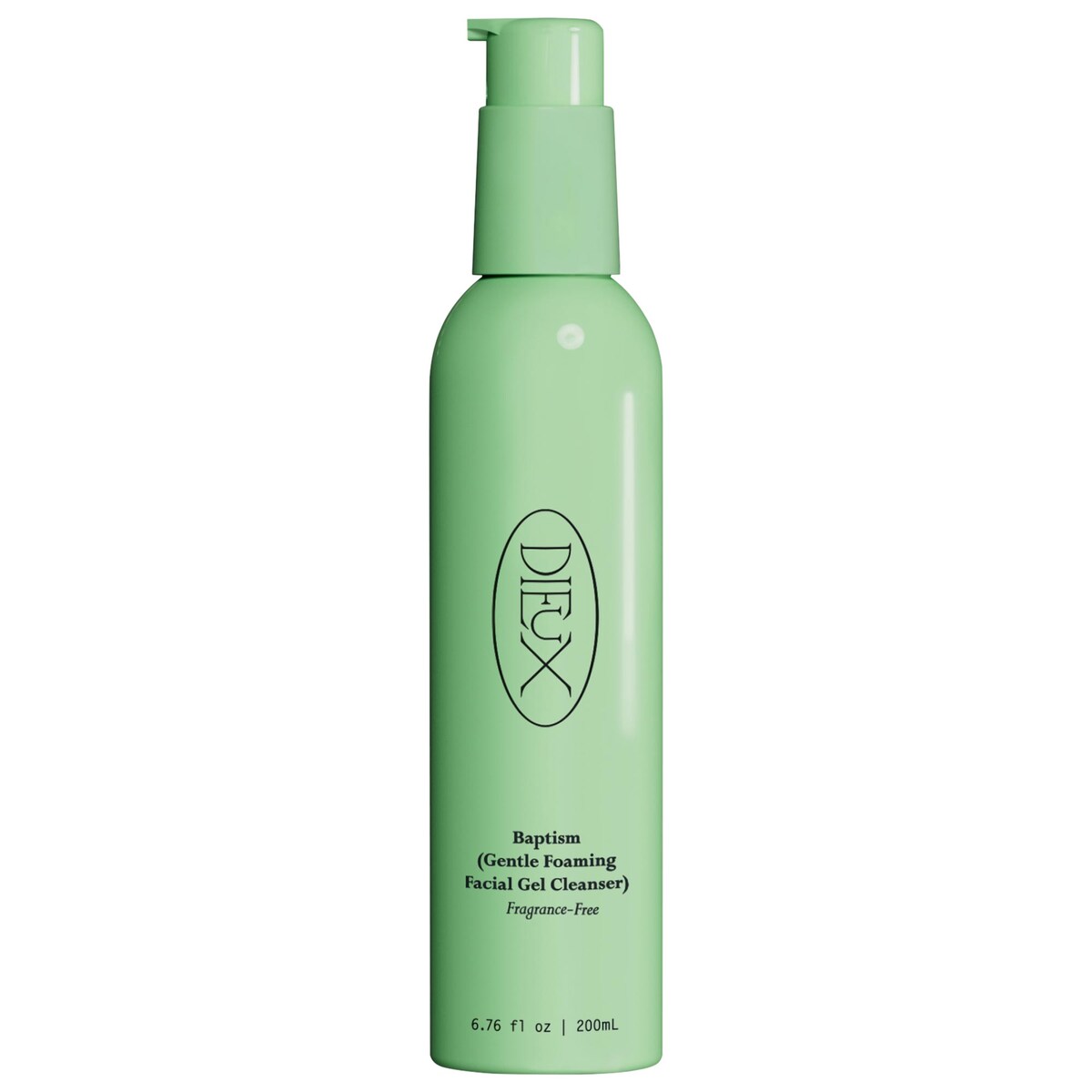
The first mistake is usually the cleanser.
Oily skin makes a strong cleanser feel emotionally satisfying. You wash your face, the oil is gone, and for ten minutes everything feels solved.
Then the tightness starts.
That tightness matters because it changes the rest of the routine. You start adding more hydrating products to compensate, or you skip comfort steps because you are afraid of shine, and either way the skin never gets a calm baseline.
I prefer a cleanser like Dieux Baptism Hydrating + Pore Clarifying Gentle Foaming Gel Cleanser because it stays in the middle. It gives oily skin the clean feeling it wants without making the face feel punished.
Use it at night if you wore sunscreen, makeup, or spent the day sweating. In the morning, be more flexible. If your face wakes up very oily, cleanse lightly. If it wakes up balanced, rinse and move on.
That one decision can change the whole day. Oily skin does not always need more washing. Sometimes it needs a less dramatic start.
Step 2: Add water before you try to control oil
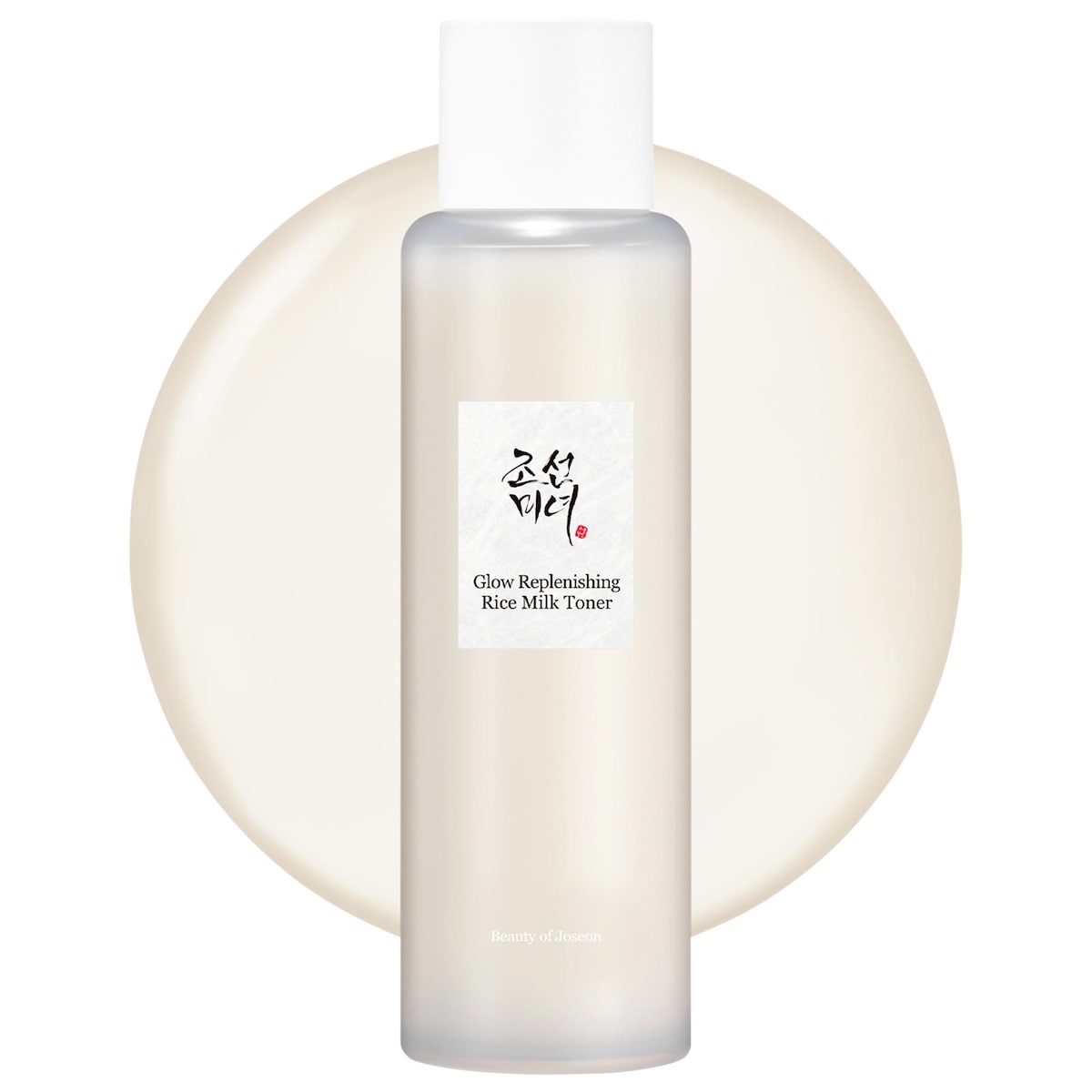
This is the part that feels backwards.
If your face is oily, hydration sounds like the last thing you need. But oil and water are not the same problem. Your skin can produce plenty of oil and still feel dehydrated underneath.
That is the version of oily skin that looks shiny but not smooth.
I like a thin toner or essence here because it gives the skin flexibility without building a film. Beauty of Joseon Glow Replenishing Rice Milk Lightweight Hydration Toner fits that role well because it feels like a light support layer rather than a heavy glow product.
The amount matters.
Use one thin layer while your skin is slightly damp. Press it in. Wait a moment. Your skin should feel more comfortable, not coated.
If you can feel the toner sitting there five minutes later, use less or move to something lighter. Oily skin usually does better with restraint than with the seven-layer hydration routines that look beautiful on drier skin.
Step 3: Make the serum earn its place
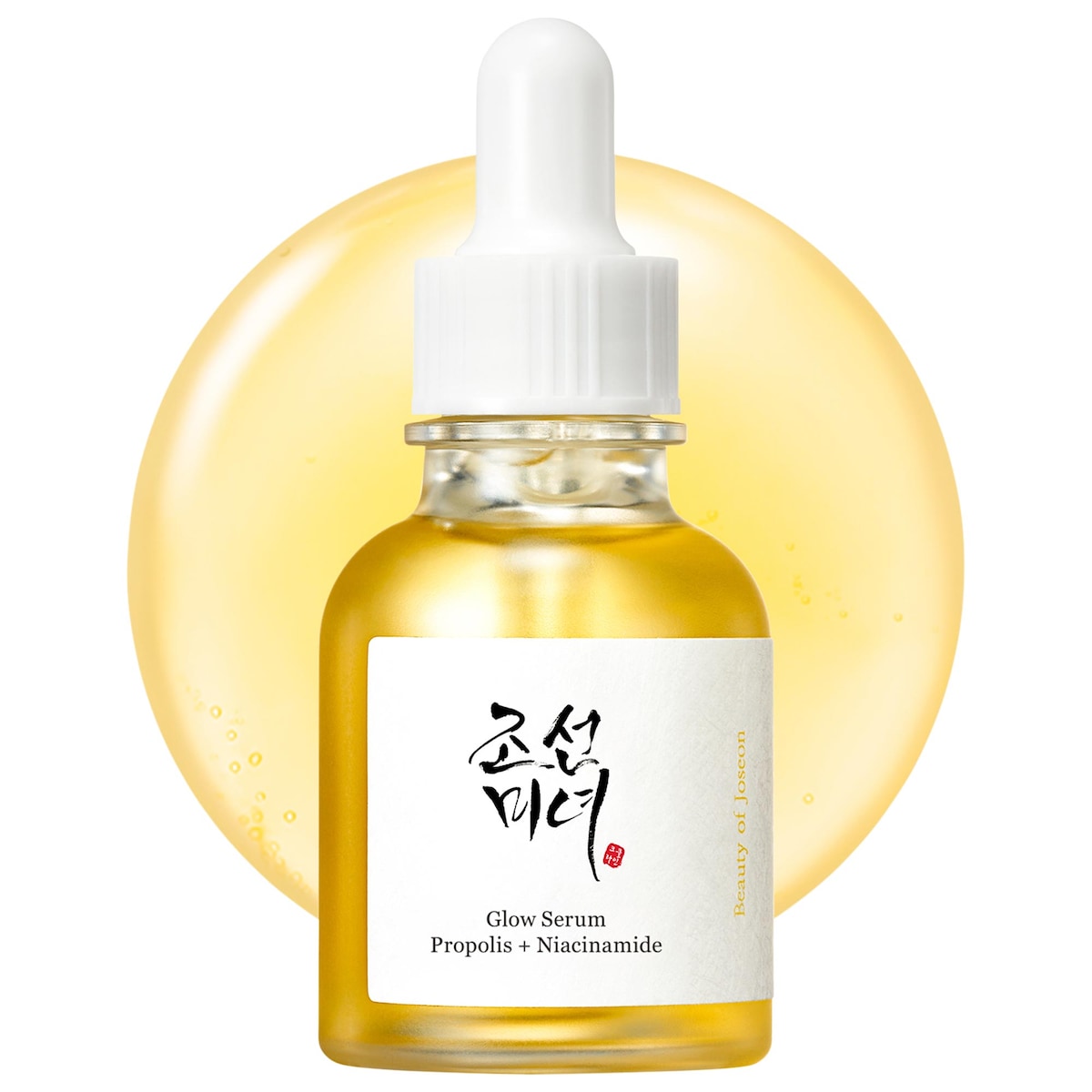
The serum step is where routines get expensive and confused.
For oily skin, I do not want a serum just because it says glow. I want it to help the skin look clearer, calmer, and more even. That usually means oil balance, pore appearance, post-breakout marks, or the dull-but-greasy look that happens when the surface is congested.
That is why niacinamide makes sense for a lot of oily-skin routines.
Beauty of Joseon Glow Serum for Oil Control with Niacinamide fits because the glow is not just cosmetic slip. It has a balancing reason to exist.
Use a small amount. More serum does not make oily skin more balanced. It usually makes the next two steps pill, slide, or feel tacky.
If your skin already has niacinamide in the toner, moisturizer, and sunscreen, be careful. Ingredient stacking can sneak up on you. One well-placed balancing step is usually better than four quiet repeats of the same active.
If niacinamide does not agree with your skin, do not force it. Use the routine structure and choose a calmer barrier-support serum instead. The framework matters more than one ingredient.
Step 4: Use moisturizer by zone, not by guilt
Oily skin still needs moisturizer.
It may not need much.
That distinction is everything.
I used to think moisturizer was a yes-or-no decision. Either you used it like everyone else, or you skipped it because your skin was oily. The smarter version is adjusting by zone.
Your cheeks may need a normal layer. Your forehead may need half that. Your nose may need almost none if your sunscreen already gives enough slip. That is allowed.
The INKEY List Omega Water Cream Oil-Free Moisturizer + Niacinamide works well in this kind of routine because it is light enough to customize. It gives the skin a finished feeling without turning the face into a sealed surface.
Start with a small amount. Add more only where the skin still feels tight.
This is where oily skin starts to look more polished. Not because moisturizer adds shine, but because the surface stops looking stressed.
Step 5: Judge sunscreen after lunch, not in the mirror
Sunscreen can make or break this whole routine.
Some formulas look fine for five minutes and then turn oily skin into a moving layer. Some feel elegant on bare skin but pill over serum. Some are protective but so shiny that you start avoiding them.
That is why I judge sunscreen late.
How does it look three hours after application? Does it stay put around the nose? Does your forehead look fresh or wet? Does makeup break up? Do you feel the urge to wash your face?
innisfree Daily UV Defense Invisible Korean Sunscreen Lotion SPF 50+ PA++++ is a good lane when you want something wearable and less fussy. If you need a more controlled finish, Paula's Choice RESIST Super-Light Daily Wrinkle Defense SPF 30 may make more sense.
The point is not to find the most glowing sunscreen. The point is to find the sunscreen that lets the rest of the routine stay honest.
If SPF makes you greasy, do not immediately blame every step before it. Test the sunscreen over a smaller routine: cleanse, moisturizer, SPF. If it still turns slick, the finish is the problem. If it behaves there but not over your full routine, the routine underneath is too layered.
Step 6: Treat clogged pores without turning every night into exfoliation night
Oily skin often needs help with buildup.
That does not mean it needs acids every night.
This is where I would use a BHA carefully. Paula's Choice Skin Perfecting 2% BHA Liquid Exfoliant is useful because salicylic acid fits the oily, clogged, bumpy-surface problem better than scrubbing harder. But useful does not mean unlimited.
Start two nights a week.
On those nights, keep the rest of the routine boring:
- Cleanse.
- Apply BHA to dry skin.
- Moisturize lightly.
No retinol on the same night while you are learning tolerance. No peel pad after. No clay mask because your nose looked shiny. Let the product do its one job.
The right exfoliation rhythm should make the skin look smoother over time. If your face gets shinier, tighter, hotter, or more reactive after a few weeks, you are not purging your way to glass skin. You are probably overdoing it.
The oily glass skin test I actually trust
I do not trust the immediate bathroom glow.
Too many products can fake that.
I trust the three-hour test.
After three hours, ask:
- Does my skin still feel comfortable?
- Is the shine even, or only loud on my nose and forehead?
- Does my sunscreen still look settled?
- Can I blot once without removing half my routine?
- Does my face feel hydrated underneath, or tight under oil?
That test tells you what the mirror right after skincare cannot.
If the shine is even and the skin feels comfortable, you are close. If the shine is patchy and slick, reduce product weight. If the skin is tight but oily, add light hydration earlier. If everything stings, stop chasing glow and repair first.
What I would stop doing immediately
I would stop using harsh cleansers just because they make oily skin feel clean for ten minutes.
I would stop layering a glow toner, glow serum, glow cream, and glow sunscreen in the same morning.
I would stop skipping moisturizer completely and then wondering why the routine never feels stable.
I would stop treating every shiny afternoon like proof that the routine failed. Oily skin may still need blotting. That is not a character flaw. It is skin.
I would stop copying routines built for dry skin. The steps may look similar, but the textures need to be different.
And I would stop expecting glass skin to mean no pores, no oil, no texture, and no midday maintenance. That version is not real life. The real win is skin that looks calmer, smoother, more hydrated, and easier to manage than it did before.
A morning routine that stays clean
Here is the simplest version I would use on a normal morning:
- Rinse or cleanse lightly.
- Apply one thin hydration layer.
- Use a small amount of balancing serum.
- Moisturize by zone.
- Apply sunscreen and let it settle before makeup.
If the finish looks too shiny, reduce moisturizer first. If it still looks too shiny, test a different sunscreen. If your skin feels tight by noon, put the hydration step back before blaming the moisturizer.
Morning is not the place for a complicated personality. Keep it repeatable.
A night routine that helps the next morning
Night is where oily skin gets better if you do not turn it into a punishment session.
On normal nights:
- Cleanse well.
- Use light hydration if your skin feels tight.
- Use your balancing serum if your skin tolerates it.
- Moisturize lightly.
On BHA nights:
- Cleanse.
- Apply BHA.
- Moisturize.
On recovery nights:
- Cleanse.
- Hydrate.
- Moisturize.
That rhythm looks almost too simple, which is why it works. Oily skin does not need more chances to get irritated. It needs enough consistency for patterns to show up.
Where Glass helps if you keep changing too much
The hardest part is not knowing the steps.
The hard part is staying steady long enough to learn from them.
That is where Glass helps. You can build a routine, log the products you are actually using, track scans over time, and notice whether your skin is improving because the routine is working or just changing because you keep changing everything.
That matters for oily skin because the feedback loop is noisy. You might get shinier because of weather, sunscreen, stress, your cycle, over-cleansing, a new active, or one moisturizer that is too rich for your T-zone.
Without tracking, it all feels random.
With tracking, you can make smaller decisions.
And smaller decisions are usually what oily skin needed in the first place.
FAQ
Is glass skin possible with oily skin?
Yes, but the finish has to be controlled. Oily skin should aim for smooth, hydrated reflection, not a wet layer of product. The routine needs lightweight hydration, balanced oil control, and sunscreen that still looks good after a few hours.
Why does my glass skin routine make me look greasy?
The routine is probably too heavy, too layered, or using a sunscreen that does not suit oily skin. Start by testing your morning routine with fewer layers. If cleanse, moisturizer, and SPF already look greasy, the sunscreen or moisturizer is the issue. If that simple version looks fine, your toner or serum stack is too much.
Should oily skin skip moisturizer?
Usually no. Oily skin may need less moisturizer, but skipping it can make the routine feel unstable. Use a lightweight gel or water cream, then apply less on the T-zone and more on areas that feel tight.
How often should oily skin exfoliate for glass skin?
Start with two nights a week if your skin tolerates exfoliation. More is not automatically better. If your face gets tight, hot, shiny, or reactive, pull back and focus on cleansing, hydration, moisturizer, and sunscreen until the skin feels calm again.
What should I do if I look oily by noon?
Blot first, then troubleshoot later. If the oil is mostly on the nose and forehead, adjust moisturizer and sunscreen by zone. If your whole face feels slick, reduce layers. If your face is shiny but tight, add a lighter hydration step instead of stripping more.