
Oily skin is misunderstood.
Especially when the goal is glass skin.
Most advice tells you to add glow. More toner. More serum. More balm. More everything. Then your face looks good for twenty minutes and starts feeling like a glazed donut by lunch.
That is not glass skin. That is oil sitting on top of skin that may still be thirsty underneath.
The better routine starts with a different question: what would make oily skin look smooth, clear, hydrated, and reflective without making it feel coated?
For me, the answer is a smaller routine with cleaner roles. A gentle gel cleanse. A thin hydration layer. One oil-balancing serum. One lightweight moisturizer. Sunscreen that does not turn the whole morning into shine. A controlled exfoliation rhythm at night, only when the skin can handle it.
That is the version I trust for April 2026.
Quick answer
If your skin gets oily fast, the best glass skin routine is not the richest routine. It is the most balanced one.
Use a gentle gel cleanser, a watery hydration step, niacinamide or another oil-balancing serum, a gel moisturizer, and a lightweight sunscreen in the morning. At night, keep the same calm base and rotate exfoliation carefully instead of exfoliating every time your face looks shiny.
The goal is hydrated skin with a clean reflection, not a wet finish that slides around.
If your skin stings, flakes, burns, or suddenly reacts to products you used to tolerate, pause the glow chase and read skin barrier repair routine: what to do when everything suddenly stings first. Oily skin can still have a damaged barrier, and forcing acids through that stage usually makes the face oilier and angrier.
The routine at a glance
| Image | Step | Product | Best for | Why it fits oily glass skin |
|---|---|---|---|---|
 | Cleanse | Dieux Baptism Hydrating + Pore Clarifying Gentle Foaming Gel Cleanser | Oily skin that still feels tight after washing | Cleans the morning off without making hydration feel like damage control |
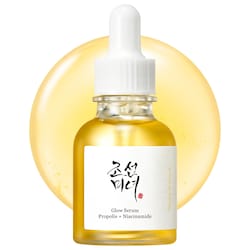 | Balance | Beauty of Joseon Glow Serum for Oil Control with Niacinamide | Shine, uneven tone, and congestion-prone routines | Gives the glow step a real job instead of just adding slip |
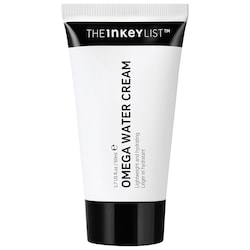 | Moisturize | The INKEY List Omega Water Cream Oil-Free Moisturizer + Niacinamide | Oily skin that skips moisturizer and regrets it later | Lightweight enough for daytime but still makes the routine feel finished |
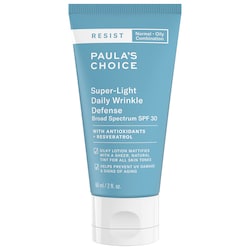 | Protect | Paula's Choice RESIST Super-Light Daily Wrinkle Defense Face Sunscreen SPF 30 | Shine control, pores, under-makeup mornings | A better lane when you want sunscreen to soften the look of shine |
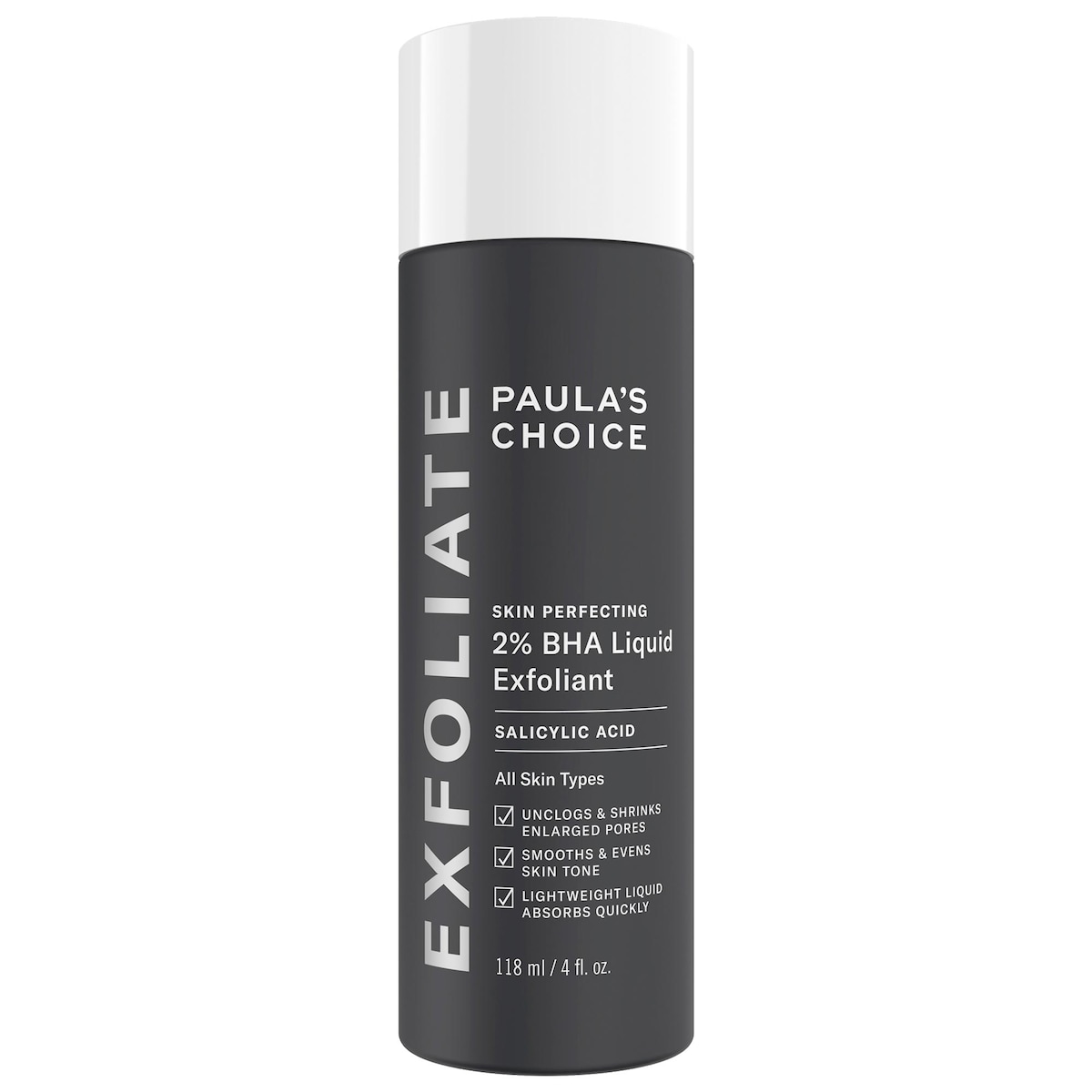
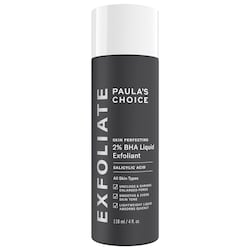 | Rotate at night | Paula's Choice Skin Perfecting 2% BHA Liquid Exfoliant | Clogged pores, texture, oil-heavy T-zone | Helps with the buildup that makes shine look bumpy instead of smooth |
Why oily skin can look shiny but still not look like glass skin
Oil reflects light. So does healthy, hydrated skin.
That is where the confusion starts.
When oily skin is balanced, light bounces off the face evenly. The cheeks look smoother. The forehead has a soft sheen instead of a hard glare. Makeup sits flatter. Pores may still be visible, because pores are normal, but the whole surface looks calmer.
When oily skin is just oily, the reflection looks uneven. The nose gets slick first. The forehead looks wet before the cheeks look fresh. Sunscreen starts moving around. Concealer breaks up. A finger pressed against the face comes away shiny.
That difference matters because the fixes are opposite. If the problem is dehydration, you add water and hold it there. If the problem is excess surface oil, you stop adding heavy layers and clean up the routine roles. If the problem is congestion, you use a pore-focused step patiently instead of scrubbing harder.
I think oily skin does best when the routine has a hard stop. You should know exactly where the routine ends. If you keep adding layers because the glow is not immediate enough, the finish usually gets worse, not better.
Step 1: Use a cleanser that leaves skin clean, not squeaky
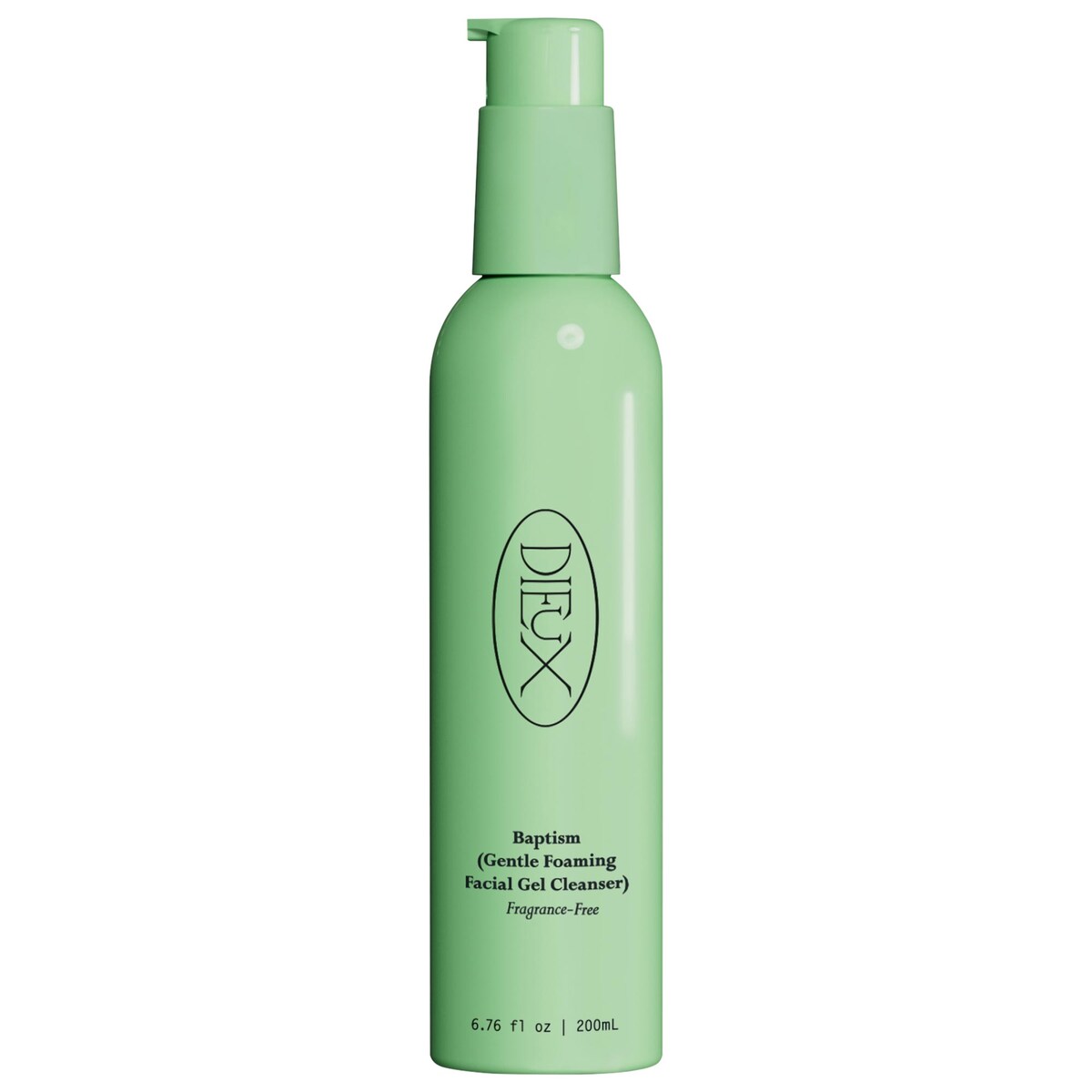
The cleanser sets the whole tone.
If it strips too hard, your skin starts the routine tense. Then every step after it has to compensate. You add more serum, more cream, maybe a heavier sunscreen, and by midday the face feels both dry underneath and oily on top.
That is the loop I try to avoid.
Dieux Baptism Hydrating + Pore Clarifying Gentle Foaming Gel Cleanser makes sense here because it sits in the right lane for oily glass skin: gel, gentle, and not overly creamy. It is the kind of cleanser I would reach for when someone wants freshness without that tight, polished-plate feeling.
Use it at night as your real cleanse. In the morning, decide based on your face. If you wake up very oily, cleanse lightly. If you wake up balanced, rinse with water and save the full cleanse for night. Oily skin does not always need more washing. Sometimes it needs less drama.
Skip this style of cleanser if your skin is actively peeling, burning, or recovering from a strong treatment. In that phase, even a reasonable gel cleanser can feel like too much.
Step 2: Add hydration without creating a film
Oily skin still needs water.
That sentence sounds obvious until you watch how people actually build routines. A lot of oily-skin routines go from cleanser straight into a strong serum, then sunscreen. No buffer. No hydration. No comfort layer. Then the person wonders why their skin gets shiny and irritated at the same time.
For a glassy finish, hydration should feel thin. I like watery toners, light essences, or a serum that disappears quickly. What I do not like for oily skin is stacking multiple sticky hydration products and hoping they settle.
The rule is simple: one thin hydration layer is enough if the rest of the routine is chosen well.
Apply it while your skin is slightly damp. Do not flood your face until it is dripping. Press it in, wait a moment, and notice whether the skin feels flexible. That is the signal. You are not trying to feel product. You are trying to feel skin that moves comfortably.
If you already use an essence you love, keep it. If your current toner leaves a glossy film that never quite disappears, move it to night or retire it. Oily glass skin needs reflection from the skin, not residue from the routine.
Step 3: Give the serum job to niacinamide
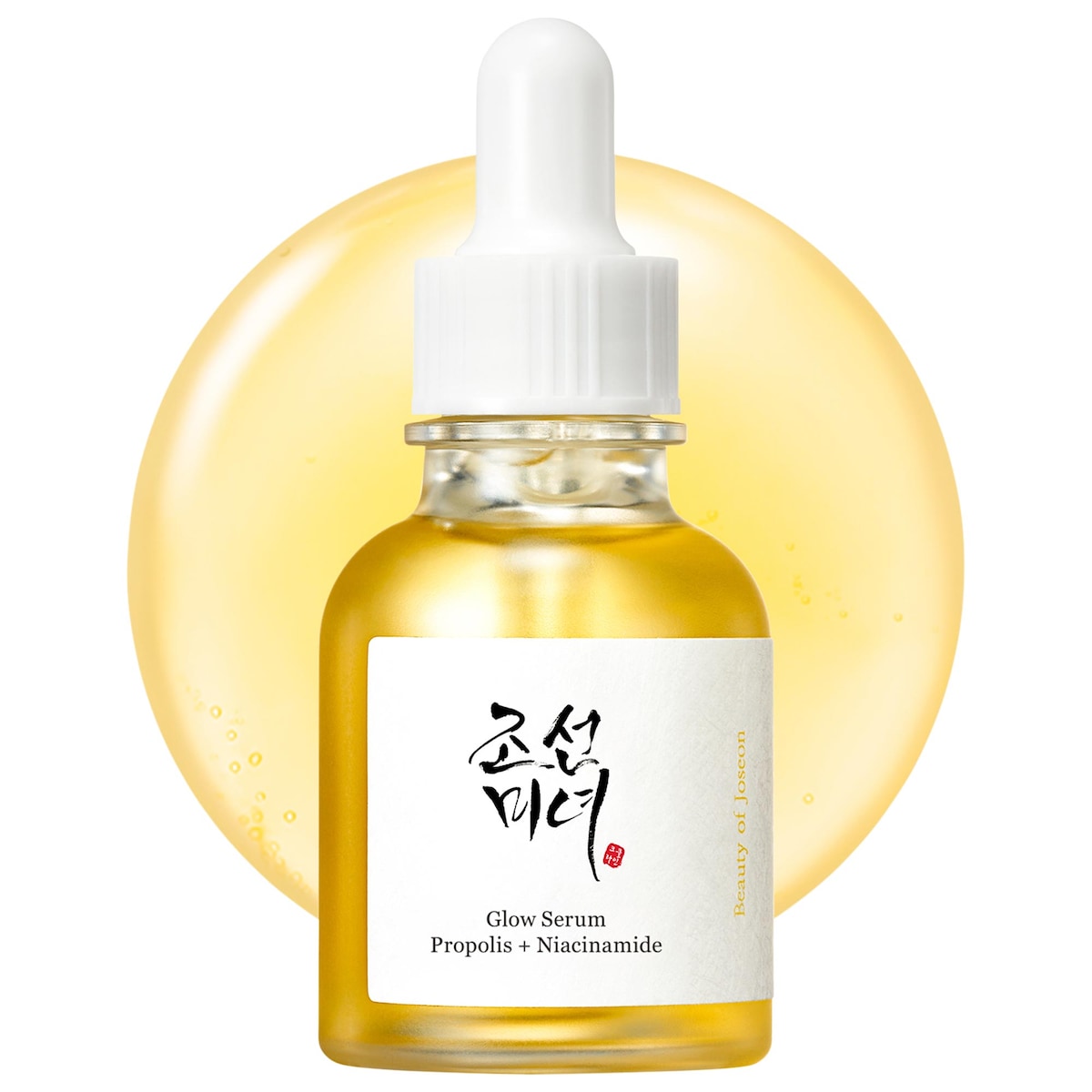
This is where oily skin can get smarter.
The serum step should not just be the prettiest bottle. It should solve the thing that keeps your glow from looking clean.
For oily skin, I usually want niacinamide in this slot. It is a sensible ingredient for shine, visible pores, uneven tone, and the general look of skin that gets congested easily. It also plays better with a simple routine than trying to combine three aggressive treatments at once.
Beauty of Joseon Glow Serum for Oil Control with Niacinamide fits the glass-skin lane because it gives the glow step a balancing purpose. It is not just about looking dewy. It helps the routine feel more intentional: hydrate first, balance second, seal lightly third.
Use a small amount. More serum does not mean more control. If your skin pills under moisturizer or sunscreen, you are probably using too much or moving too fast between steps.
If you prefer a more direct, less romantic option, The INKEY List Niacinamide Oil Control Serum is a cleaner, straightforward lane. If your face gets irritated by niacinamide, skip it and focus on barrier support instead. The right routine is the one your skin can repeat.
Step 4: Moisturize even if your skin is oily
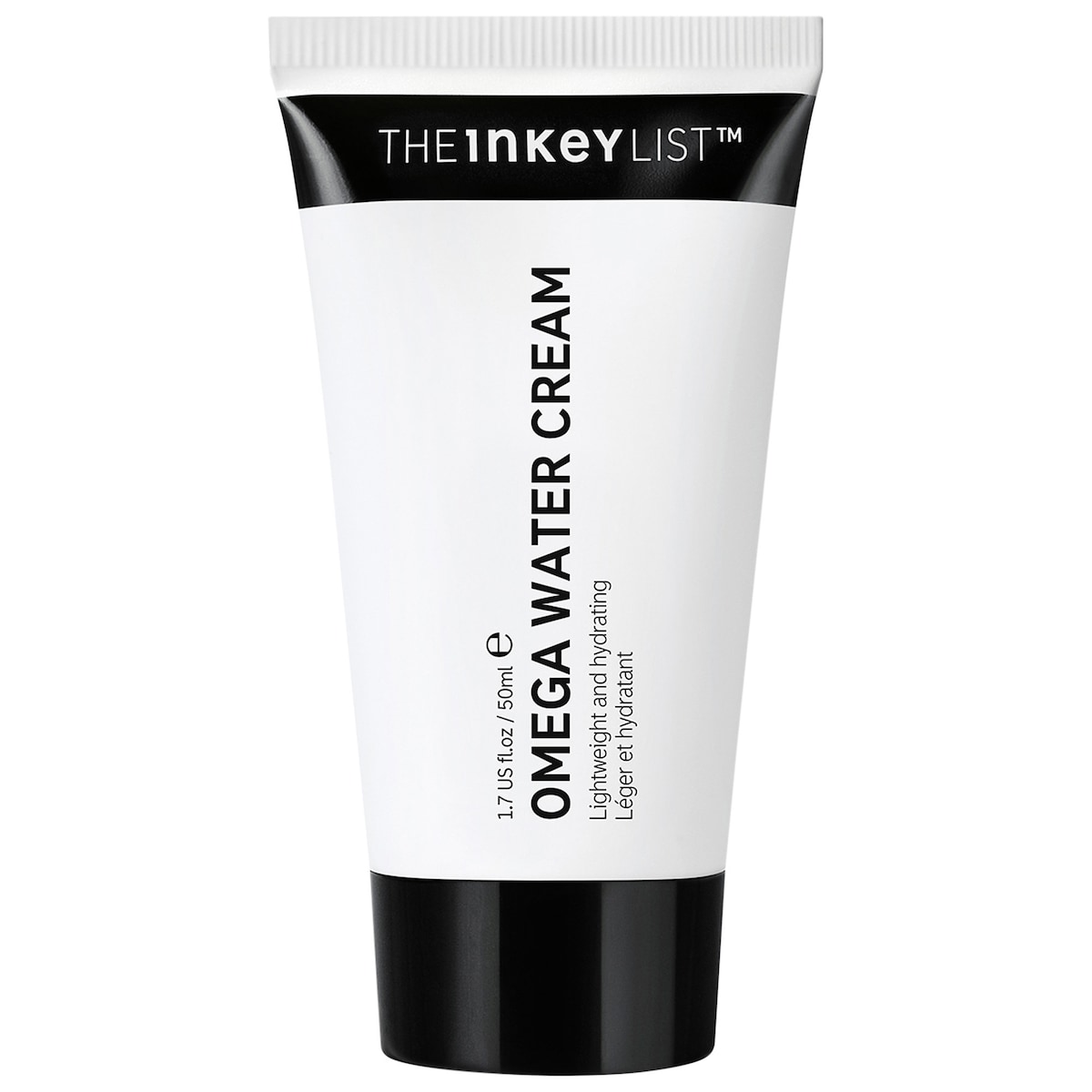
Skipping moisturizer is the oily-skin mistake that keeps coming back.
I understand why people do it. If your face already looks shiny, adding cream feels wrong. But a good moisturizer is not there to make you greasy. It is there to keep the water step from disappearing and to make the surface feel calm enough that you are not chasing comfort all day.
The trick is texture.
For this routine, I would start with The INKEY List Omega Water Cream Oil-Free Moisturizer + Niacinamide. It is light, simple to place, and easy to understand. It belongs after serum and before sunscreen. It is not trying to be a sleeping mask. It is not trying to leave a rich cushion. It just finishes the routine without making it heavy.
Use less than you think. A pea-size amount can be enough for oily skin, especially if your serum already has slip. Add more only where your skin feels tight. For many people, that means a little more on the cheeks and less on the center of the face.
If your skin is oily only in the T-zone, do not treat the whole face like one climate. Let the face have zones. Thin layer on the forehead and nose. Normal layer on the cheeks. Nothing about skincare says every square inch needs the same amount of product.
Step 5: Pick sunscreen by finish, not just the SPF number
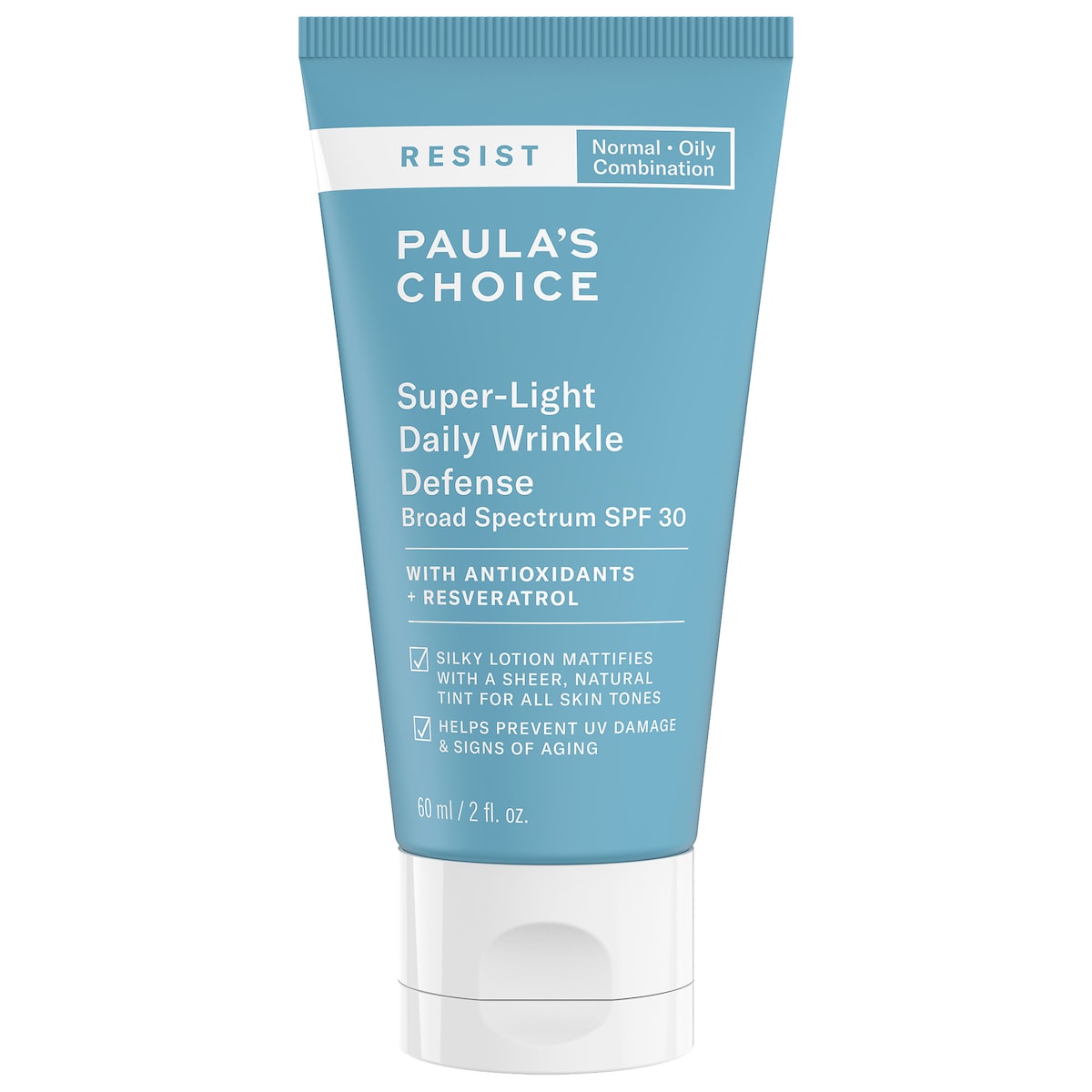
Sunscreen is where oily glass-skin routines usually fall apart.
The morning can look perfect before SPF. Then sunscreen goes on, and suddenly the face is shiny, sticky, or rolling under makeup. That does not mean sunscreen is optional. It means the formula is doing the wrong job for your skin.
For oily skin, I care about finish as much as protection. I want lightweight, non-greasy, and easy to reapply when needed. I also want the sunscreen to respect the routine underneath. If the SPF requires a completely bare face to behave, it may not be the best daily choice.
Paula's Choice RESIST Super-Light Daily Wrinkle Defense Face Sunscreen SPF 30 is a strong fit when you want a smoother, more controlled finish. It is especially useful if your version of oily skin makes pores and shine look more obvious by noon.
If you want something more invisible and sunscreen-like, innisfree Daily UV Defense Invisible Korean Sunscreen Lotion SPF 50+ PA++++ is the easier everyday lane. If your skin gets oily but also feels sensitive, test slowly and avoid changing three morning steps at once.
The sunscreen test is not how it looks in the bathroom. It is how it looks three hours later. If your skin still looks smooth and your face does not feel like you want to wash it, that is the right direction.
Step 6: Exfoliate like you are trying to keep the routine, not win the week
Oily skin often loves the idea of exfoliation.
The face feels cleaner. Pores look tighter for a moment. Texture softens. The whole routine seems to work better.
Then people do it too often.
That is when glass skin starts moving backward. The face gets shinier, not smoother. Products sting. Breakouts look more inflamed. The glow turns into heat.
For oily, congestion-prone skin, a BHA can be useful because it fits the pore-and-oil problem better than constantly scrubbing the surface. Paula's Choice Skin Perfecting 2% BHA Liquid Exfoliant is the obvious Sephora pick here because it has a clear job: help with buildup, clogged pores, and uneven texture.
But I would not use it every night at the start.
Start two nights a week. Keep the rest of the routine boring on those nights: cleanse, BHA, light moisturizer. No retinol on the same night while you are learning your tolerance. No exfoliating mask after it. No emergency brightening stack because you got impatient.
If your skin looks better the next morning but worse by the third week, pull back. Oily skin can handle a lot until it suddenly cannot. The routine should leave your face calmer over time, not dependent on stronger and stronger resets.
The morning version I would actually follow
The morning routine should be quick enough to repeat when you are tired.
- Rinse or cleanse lightly with a gel cleanser.
- Apply one thin hydration layer while skin is slightly damp.
- Use a small amount of niacinamide serum.
- Add a light gel moisturizer, adjusting by zone.
- Finish with sunscreen and give it time to settle.
That is it.
If you wear makeup, wait a few minutes before primer or base. If the face is already shiny before makeup, do not add powder immediately. First check whether one step underneath is too heavy. Most oily-skin routines are not ruined by the final product. They are overloaded two steps earlier.
The night version that keeps skin clearer
Night is where you can treat the issues that make shine look messy.
On normal nights, keep it simple:
- Cleanse well.
- Add a light hydration layer if your skin feels tight.
- Use niacinamide if you tolerate it well.
- Moisturize lightly.
On BHA nights, simplify even more:
- Cleanse.
- Apply BHA to dry skin.
- Moisturize.
If you use retinoids, build a separate rhythm instead of stacking everything together. A good weekly plan might be BHA Monday and Thursday, retinoid Tuesday and Saturday, recovery the other nights. If that sounds like too much to track, use the skin cycling calculator and make the schedule visible.
Oily skin does not need chaos. It needs consistency.
What I would skip
I would skip face oil in the morning. Some people can use it beautifully, but it is rarely the first move I would make for oily glass skin.
I would skip heavy sleeping masks during the day. If a product was built to sit rich overnight, do not expect it to behave under sunscreen at 9 a.m.
I would skip harsh scrubs. Smooth skin reflects light better, but irritated skin does not. If a scrub leaves your face pink, tight, or weirdly shiny, that is not polish. That is stress.
I would skip using three products for the same job. A niacinamide serum, an oil-control moisturizer, and a mattifying sunscreen can be fine together if each one is gentle. But if every step is trying to control oil aggressively, the routine can start to feel dry, flat, and reactive.
The best oily-skin routine leaves room for the face to behave like skin.
How to know if the routine is working
Do not judge it after one night.
Judge it after two weeks of boring consistency.
The first sign is usually comfort. Your face feels clean after washing but not tight. Sunscreen feels less annoying. Makeup breaks up less around the nose. The forehead still gets some shine, but it looks softer and takes longer to appear.
The second sign is texture. Congestion does not disappear overnight, but the surface starts looking less uneven. Light reflects more evenly because the skin is not buried under residue or roughed up by constant exfoliation.
The third sign is restraint. You stop wanting to fix your face every morning. That sounds small, but it is the point. A good routine reduces decisions.
If you are still blotting constantly, look at sunscreen and moisturizer first. If your skin is shiny but tight, look at hydration. If your pores look clogged and the surface feels bumpy, look at your exfoliation rhythm. If everything burns, stop and repair.
FAQ
Can oily skin really get glass skin?
Yes. Oily skin can get a glassy finish, but the routine has to separate hydration from grease. The goal is smooth, comfortable, reflective skin, not a heavy wet look. Lightweight hydration, oil-balancing serum, gel moisturizer, and a compatible sunscreen matter more than stacking rich glow products.
Should I use moisturizer if my skin is already oily?
Yes, but choose the right texture. A gel or water-cream moisturizer can help hold hydration without adding a heavy finish. Skipping moisturizer often makes the routine less stable because the skin feels tight underneath while oil keeps showing up on top.
How often should oily skin exfoliate for glass skin?
Start with two nights a week. If your skin stays calm, you can adjust slowly. Daily exfoliation is not the goal. The goal is smoother texture without irritation, because irritation can make oily skin look shinier and more uneven.
Is niacinamide good for oily glass skin?
Niacinamide is one of the most useful serum ingredients for oily glass skin because it fits shine, pores, uneven tone, and routine simplicity. It is not magic, and some people are sensitive to it, but it is usually a better first serum than stacking multiple strong actives.
What should I do if my skin gets oily by noon?
Check the morning layers before blaming your skin. Use less moisturizer through the T-zone, switch to a lighter sunscreen, and let each step settle before adding the next. If your skin feels tight and oily, add a thin hydration step instead of more mattifying product.
The routine I would start with
If I were building this from zero, I would start here:
- Cleanser: Dieux Baptism Hydrating + Pore Clarifying Gentle Foaming Gel Cleanser
- Serum: Beauty of Joseon Glow Serum for Oil Control with Niacinamide
- Moisturizer: The INKEY List Omega Water Cream Oil-Free Moisturizer + Niacinamide
- Sunscreen: Paula's Choice RESIST Super-Light Daily Wrinkle Defense Face Sunscreen SPF 30
- Night rotation: Paula's Choice Skin Perfecting 2% BHA Liquid Exfoliant, two nights a week
Then I would stop adding things.
That is the part people skip. They build a good routine, then keep shopping until the routine stops being good.
Oily glass skin is not about owning every glow product. It is about creating a clean surface, keeping water in the skin, controlling buildup slowly, and choosing finishes that still look good after real life touches them.
You do not need to fight shine all day.
You need to teach it where to belong.