Cysts on face skin are not the bumps to squeeze.
I know the urge. A deep lump feels like pressure that should come out. But cystic acne, inflamed epidermoid cysts, boils, and infected pimples can all worsen when you dig at them. The face also scars easily. One aggressive bathroom session can turn a temporary lump into a long-term mark.
The smarter 2026 approach is to identify the pattern, calm the skin, and involve a dermatologist when cysts are painful, recurrent, scarring, or not clearly ordinary acne.
What people mean by cysts on face
People use “cyst” loosely. It can mean:
- a cystic acne lesion
- a deep pimple
- an epidermoid cyst
- an inflamed hair follicle
- a boil
- an abscess
- a firm bump under the skin
Mayo Clinic describes cystic acne as the most severe form of acne, happening when oil and dead skin cells build up deep within hair follicles and can create boil-like inflammation. That is different from a small whitehead at the surface.
If the bump is deep, painful, and under the skin, treat it with more caution.
Cystic acne versus a skin cyst
The difference is not always obvious from the mirror.
| Feature | Cystic acne | Epidermoid-type cyst or other cyst |
|---|---|---|
| Pattern | Often multiple acne lesions or flares | May be one persistent bump |
| Feel | Painful inflamed lump under skin | Firm round bump, sometimes with central opening |
| Trigger | Acne pathways, hormones, inflammation | Skin cells trapped under surface, follicle issue, injury |
| Course | Can come and go with acne flares | May stay for months or years |
| Care | Acne treatment and sometimes prescriptions | Dermatology evaluation if inflamed or bothersome |
Either way, squeezing is a bad plan. A cyst wall can rupture under the skin, inflammation can worsen, and scarring risk can rise.
When a cyst needs a dermatologist
I would book a dermatologist or clinician visit if cysts are:
- painful
- recurring
- leaving scars
- larger than typical pimples
- not improving
- close to the eye
- draining repeatedly
- warm, red, and worsening
- associated with fever
- appearing alongside severe acne
For severe acne with deep cysts or nodules, the American Academy of Dermatology discusses isotretinoin as a prescription option dermatologists may use. Other options may include topical prescriptions, oral antibiotics, hormonal therapies, steroid injections for inflamed cysts, or procedure-based care.
The right plan depends on diagnosis.
What to do while waiting
For a painful facial cyst that is not showing urgent infection signs:
- Do not squeeze.
- Use a warm compress for comfort.
- Keep the routine gentle.
- Avoid acids or retinoids directly on broken skin.
- Use sunscreen during the day.
- Avoid heavy makeup over open drainage.
- Call sooner if redness spreads or pain escalates.
Warm compresses may help discomfort, but they are not a magic drain button. The goal is to reduce trauma.
What not to do
Avoid:
- popping with needles
- cutting the bump
- squeezing until it bruises
- using toothpaste
- applying harsh alcohol
- layering salicylic acid, benzoyl peroxide, and retinoid on the same inflamed cyst
- covering an open cyst with dirty makeup tools
- assuming pain means it is ready to pop
Pain often means inflammation is deeper. That is exactly when squeezing can cause the most damage.
Acne products and cysts
Over-the-counter acne products can help prevent some acne flares, but they are limited once a deep cyst is already inflamed.
Salicylic acid can help clogged pores. Benzoyl peroxide can help inflammatory acne. Retinoids can help prevent clogged pores over time. Azelaic acid can support blemish-prone redness and tone. But a large painful cyst may need prescription care.
For routine support:
| Image | Product | Role |
|---|---|---|
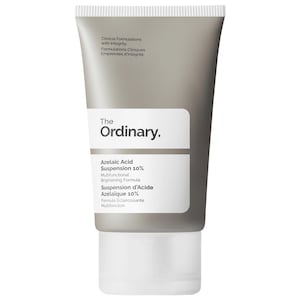 | The Ordinary Azelaic Acid | Blemish-prone redness and tone support |
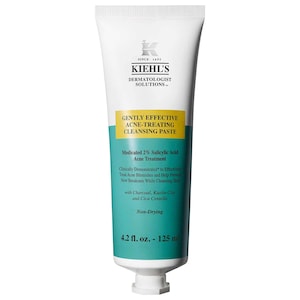
 | Kate Somerville Sulfur Cleanser | Acne-prone cleansing lane for some oily skin |
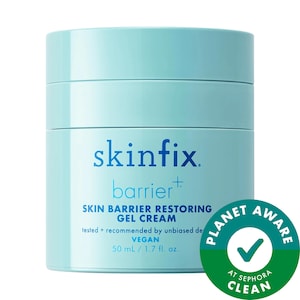 | Skinfix Barrier Gel Cream | Barrier support around active treatment |
If your cysts are severe, products are support. Medical care is the main plan.
Why cysts scar
Deep inflammation can damage tissue. The body repairs the injury, but collagen does not always rebuild evenly. Cleveland Clinic explains that acne scars can form as indentations from tissue loss or as raised scars from excess collagen.
Picking adds a second injury. The skin is already inflamed, then pressure and tearing increase the chance of marks, scabs, infection, and scars.
Scar prevention means:
- treating cystic acne early
- not squeezing
- using sunscreen
- keeping the barrier calm
- seeing a dermatologist for painful cysts
When isotretinoin comes up
If cysts are deep, painful, recurrent, or scarring, ask a dermatologist whether isotretinoin belongs in the conversation. The AAD describes isotretinoin as a prescription medication that can treat deep, painful acne cysts and nodules, usually under close dermatologist monitoring.
It is not the only option, and it is not casual. It can require lab tests, pregnancy-prevention steps where relevant, and routine changes because the skin can become very dry and sensitive.
For a deeper overview, read Accutane in 2026.
Build a cyst-safe routine
A cyst-safe routine is steady, not punishing.
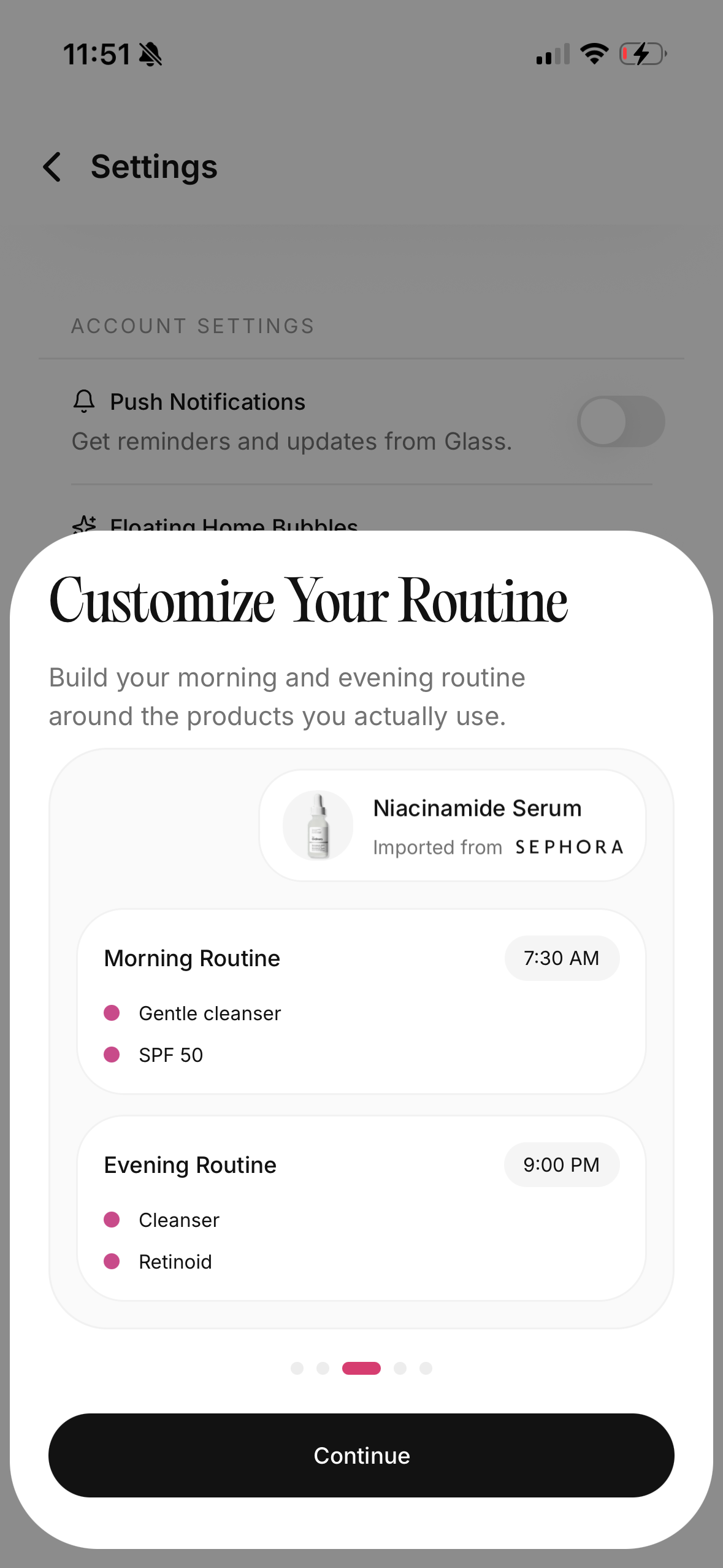
Morning:
- Gentle cleanser or rinse.
- Lightweight moisturizer.
- Sunscreen.
Night:
- Cleanser.
- Prescription or acne treatment if directed.
- Moisturizer.
If you use a treatment active, do not keep adding backups every time a cyst appears. Use the plan long enough to judge it, and escalate when the pattern is too severe for over-the-counter care.
Glass routine builder can help keep prescription and non-prescription steps organized so you are not accidentally doubling up.
Infection warning signs
Seek medical care quickly if a cyst or pimple becomes increasingly red, hot, swollen, very painful, rapidly spreading, draining heavily, or associated with fever. Cleveland Clinic notes that infected pimples can be very sore, red, or inflamed, and that picking raises infection risk.
Also take central-face infections seriously, especially near the nose, lips, or eyes. If eye swelling, vision changes, fever, or rapidly spreading redness appears, seek urgent care.
If one cyst keeps returning
A single bump that returns in the exact same spot may not be ordinary acne. It could be an epidermoid cyst or another lesion that periodically inflames. Dermatologists can evaluate whether removal, injection, medication, or monitoring makes sense.
Do not repeatedly drain it yourself. If there is a cyst wall under the skin, squeezing contents out may not remove the structure, and it can come back inflamed.
How to track cystic acne
Track the pattern, not every pore.
Useful notes:
- location
- pain level
- cycle timing if relevant
- products used
- new medications
- diet or sleep changes if obvious
- whether it scars
- how long it lasts
- whether cysts appear in clusters
Photos can help a dermatologist, but use normal lighting. Glass skin score can help compare changes over time without turning the camera into a stress loop.
The appointment information that helps most
For cysts on face skin, a dermatologist will usually care about pattern and severity. I would bring a list of past acne treatments, how long each was used, whether cysts leave scars, and whether flares follow a cycle, medication change, or product change.
Also mention if you have cyst-like bumps elsewhere, if lesions drain repeatedly, or if a single bump has stayed in the same spot for months. Those details can shift the diagnosis away from ordinary acne and toward a cyst, infection, or another follicle condition.
The more precise the story, the less likely you are to leave with a generic plan.
The bottom line
Cysts on face skin need restraint. Do not squeeze deep painful lumps. Use gentle care, protect the barrier, and get medical help when cysts are painful, recurrent, scarring, infected-looking, or close to sensitive areas.
Skincare can support prevention and healing, but cystic acne often needs prescription-level care. Treat the pattern early to reduce pain and lower scar risk.
Useful references: Mayo Clinic on acne and cystic lesions, AAD on isotretinoin, Cleveland Clinic on infected pimples, and Cleveland Clinic on acne scars.
The move that protects future skin
With cysts on face skin, I would think in weeks, not hours. A deep painful bump can make you want to do something dramatic immediately, but pressure and picking are exactly what raise the risk of a longer mark or scar. I would keep the area clean, avoid makeup if it hurts, use only products my skin already tolerates, and focus on getting the pattern evaluated if cysts keep coming back. The win is not making one cyst look smaller tonight. The win is reducing the number of deep flares over time and getting help before scarring becomes the main story.