C. acnes sounds like the villain.
It is not that simple.
Cutibacterium acnes, often shortened to C. acnes, is a bacteria associated with acne. It lives on human skin, especially in oily follicle-rich areas. It can contribute to inflammation inside clogged follicles. But having C. acnes on your skin does not automatically mean you have acne, and acne is not proof that your face is dirty.
That distinction matters. If you think acne is only bacteria, you may over-cleanse, over-scrub, or chase harsh antibacterial products until your skin barrier is angry. Acne is a follicle and inflammation problem with oil, skin cell shedding, hormones, bacteria, genetics, medications, and environment all playing roles.
Quick answer
C. acnes is the modern name for an acne-associated skin bacteria formerly known as Propionibacterium acnes. It can contribute to acne inflammation when follicles are clogged with oil and dead skin cells, but acne is not simply an infection and is not caused by dirty skin. Treating acne usually means addressing clogged pores, inflammation, oil, and skin tolerance, not trying to sterilize the face.
If acne is painful, scarring, sudden, widespread, or not improving with careful over-the-counter care, a dermatologist can help choose evidence-based options.

C. acnes basics table
| Question | Conservative answer |
|---|---|
| Is C. acnes always bad? | No. It commonly lives on skin and only becomes relevant in the right follicle environment. |
| Does washing kill acne? | Washing helps remove oil and residue, but over-washing can irritate skin. |
| Is acne contagious? | Typical acne is not something you catch from another person. |
| Are antibiotics always needed? | No. They are used selectively, often with other acne treatments and clinician guidance. |
| Can C. acnes explain every bump? | No. Folliculitis, dermatitis, rosacea-like eruptions, HS, and other conditions can mimic acne. |
What C. acnes actually is
C. acnes is a bacteria that prefers low-oxygen, oil-rich environments, which makes hair follicles a natural place for it to live. It is part of the normal skin ecosystem for many people.
The older name, Propionibacterium acnes, still appears in older articles and product discussions. In current writing, Cutibacterium acnes is the more accurate name.
The name change does not mean the acne process changed. It just means the classification language evolved. For a person trying to calm breakouts, the practical question is not the Latin name. It is whether the routine supports unclogged follicles and lower inflammation without damaging the barrier.
Acne is not just bacteria
Mayo Clinic and dermatology sources describe acne as involving clogged hair follicles, oil, dead skin cells, inflammation, and bacteria. That multi-factor picture is important.
If bacteria were the only issue, acne would be solved by washing harder. It is not.
Acne can involve:
- excess sebum
- sticky dead skin cells
- clogged follicles
- C. acnes activity inside follicles
- inflammation
- hormone shifts
- genetics
- medications
- occlusive products
- friction
- stress and sleep patterns
This is why two people can use the same cleanser and get different results. It is also why a clean person can still have acne.
Why over-cleansing backfires
When people hear "bacteria," they often reach for stronger cleansing.
That can make acne worse indirectly. Harsh cleansing can strip the barrier, increase irritation, and make active treatments harder to tolerate. Inflamed skin may look redder, sting more, and break out from products it normally handles.
A better acne cleanser is not the harshest one. It is the one you can use consistently without tightness, burning, peeling, or rebound irritation.
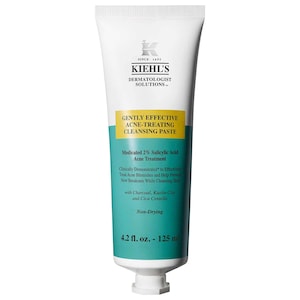
For oily acne-prone skin, a salicylic acid wash like Kiehl's Salicylic Face Wash may fit some routines, but it still needs to be matched to tolerance.
Where C. acnes fits in a clogged follicle
Think of a follicle as a small environment.
Oil and dead skin cells collect. The opening clogs. Inside that low-oxygen space, C. acnes can thrive. The immune system responds. Inflammation builds. A small clogged pore can become a red papule, pustule, nodule, or cyst-like lesion.
The bacteria are part of the story, but the clogged follicle and inflammation are just as important. That is why treatments that normalize skin cell turnover or reduce inflammation can help even when they are not simply "antibacterial."
Why antibiotics are handled carefully
Antibiotics can be useful in acne care, especially inflammatory acne, but they should not be treated casually.
Dermatologists often combine antibiotic approaches with other treatments to reduce resistance risk and improve results. Long-term or repeated antibiotic use without supervision is not ideal. If you have been using leftover antibiotics, old prescriptions, or online acne pills without follow-up, it is worth stepping back and talking to a clinician.
Topical and oral antibiotics are medical tools. They can help the right person, but they are not a universal first move for every breakout.
Common acne ingredients and what they target
Different ingredients target different parts of the acne process.
| Ingredient type | What it may support | Watch-out |
|---|---|---|
| Salicylic acid | Oilier clogged pores | Can dry or irritate if overused |
| Benzoyl peroxide | Inflammatory acne-prone areas | Can bleach fabric and irritate |
| Retinoids | Clogged pores and prevention | Avoid some retinoids during pregnancy unless clinician-approved |
| Azelaic acid | Redness-prone, mark-prone, blemish-prone skin | Can tingle or dry at first |
| Sulfur | Oiliness and some inflamed spots | Can be drying or odorous |
The goal is not to use all of them. The goal is to choose the few that match your skin and use them consistently.
C. acnes and pustules
Pustules are pus-tipped inflamed pimples. They often make people think "infection," but acne pustules are not the same as a contagious skin infection.
Pus is part of inflammation. The follicle wall, immune response, oil, dead skin cells, and bacteria all contribute to the lesion. Popping a pustule can push inflammation deeper, create a wound, and leave marks.
If pustules are widespread, painful, rapidly worsening, or crusting, get care. If they are a few acne pustules on the face, a consistent acne plan may be enough.
C. acnes versus folliculitis
Folliculitis can look like acne, but it is inflammation of hair follicles and may involve different triggers, including bacteria, yeast, shaving, friction, hot tubs, or occlusion.
Clues that bumps may not be classic acne:
- very uniform bumps
- strong itch
- sudden outbreak after hot tub use
- bumps centered on body hair after shaving
- trunk bumps without blackheads or whiteheads
- bumps that worsen with heavy occlusive products
If an acne routine is not helping, the diagnosis may be wrong. That is a good reason to see a dermatologist instead of adding stronger products.
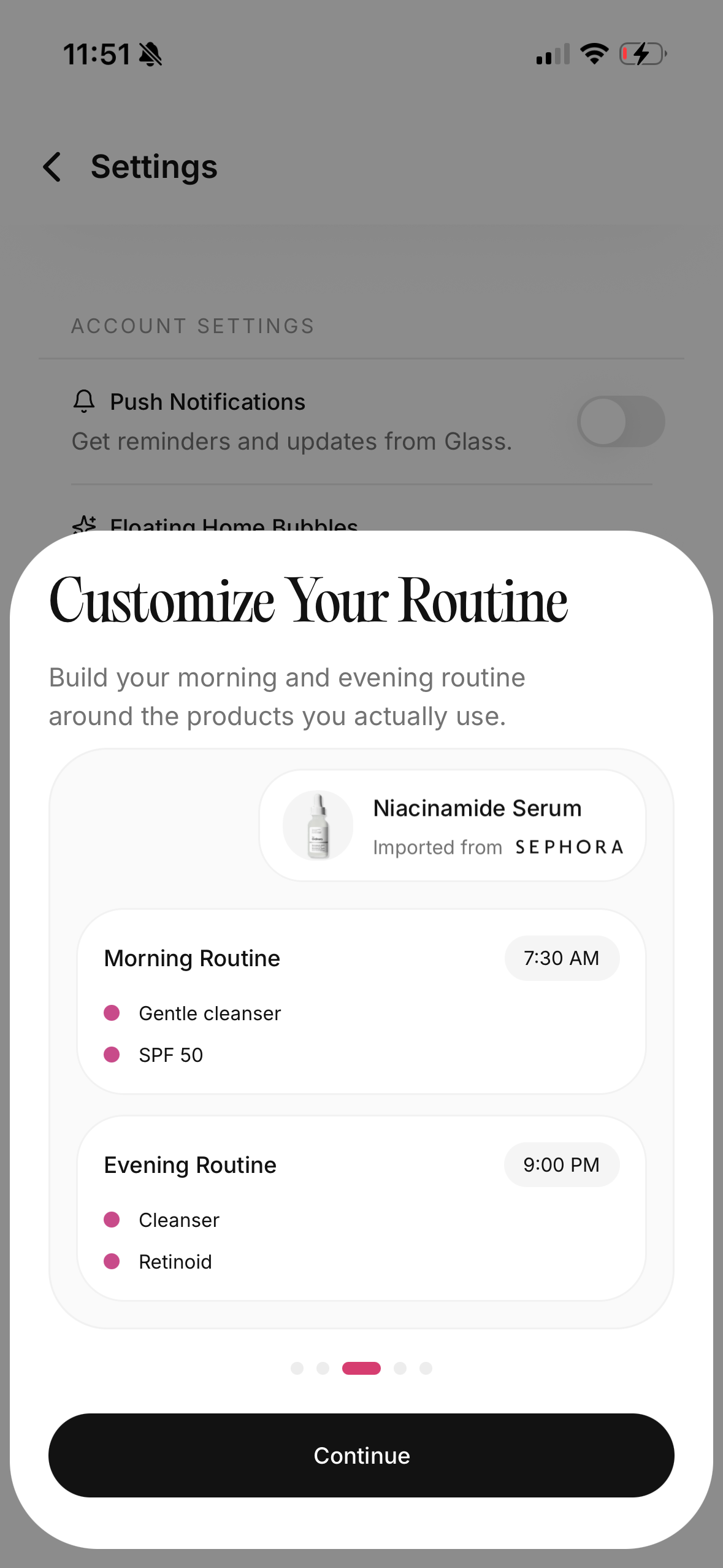
How I would build a C. acnes-aware routine
I would keep it boring.
Morning:
- Gentle cleanser or rinse.
- Moisturizer that does not clog your skin.
- Sunscreen.
- Optional acne treatment if already tolerated.
Night:
- Cleanse without scrubbing.
- Use one main acne active.
- Moisturize enough to keep the barrier comfortable.
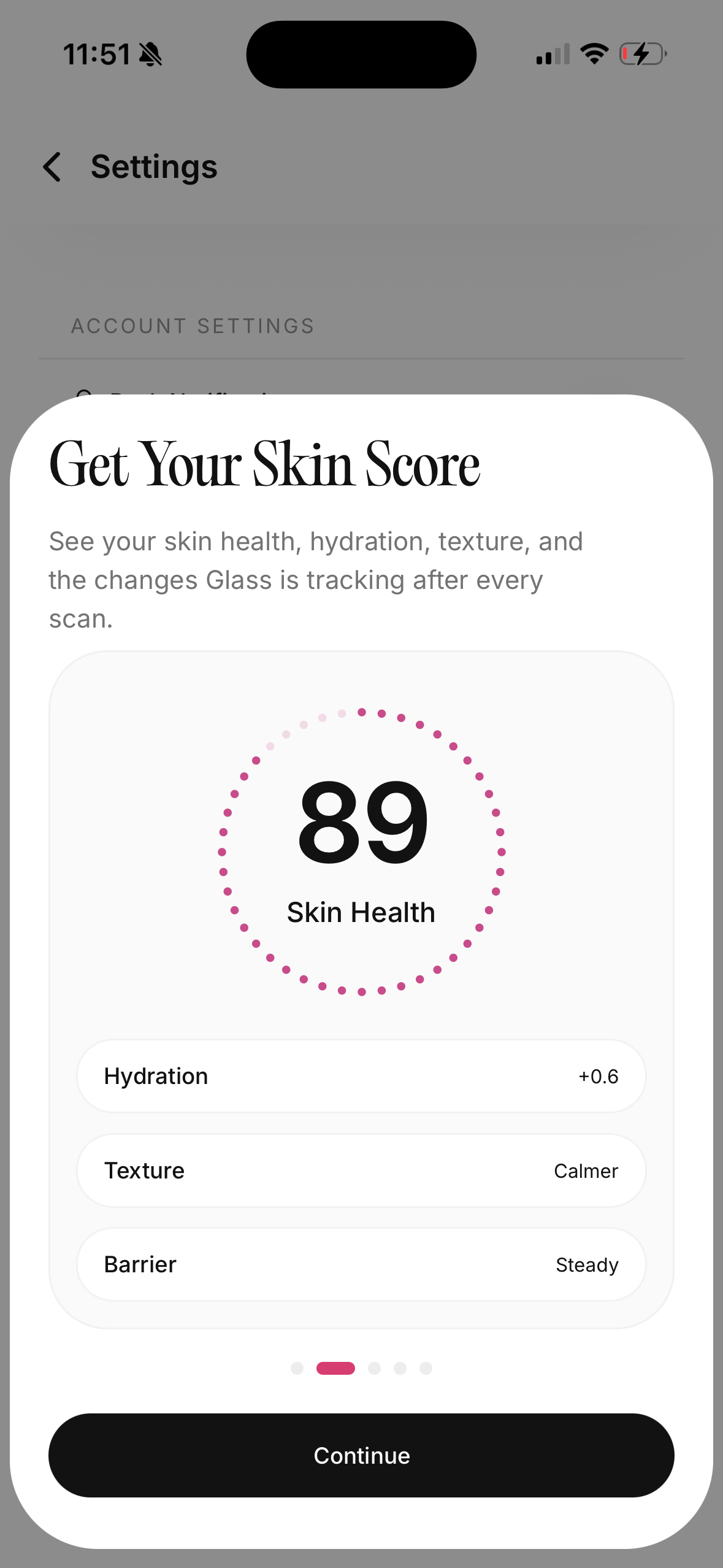
Track one change at a time. Glass can help compare photos and product timing so you know whether a breakout followed a new moisturizer, a late-cycle flare, or a treatment change.
Product labels that can mislead you
"Antibacterial" sounds decisive, but it is not automatically better for acne.
Be careful with products that imply your skin needs to be sterilized. Your skin is an ecosystem. The aim is balanced care, not wiping out every microbe. Strong soaps, repeated antiseptics, and harsh scrubs can create more irritation than progress.
Also remember that "non-comedogenic" is helpful but not a guarantee. A product can be labeled carefully and still not suit your individual skin.
Why this matters for sensitive skin
Sensitive acne-prone skin often gets trapped between two bad options: untreated breakouts or over-treated irritation.
Understanding C. acnes helps you avoid that trap. You do not need to scrub until your skin feels sterile. You also do not need to ignore acne until it scars. A middle path is possible: gentle cleanser, barrier-supporting moisturizer, sunscreen, and one acne treatment introduced slowly enough that your skin can tolerate it.
If every active burns, the next step may be simplifying before strengthening. A dermatologist can also help choose options that fit sensitive skin, darker mark-prone skin, pregnancy-related restrictions, or a history of eczema or rosacea-like flushing.
Red flags for medical care
See a clinician or dermatologist if you have:
- deep painful nodules or cyst-like lesions
- scarring or persistent dark marks
- sudden severe acne
- acne after starting a medication
- acne with irregular periods or other hormone symptoms
- widespread pustules
- fever, rapidly spreading redness, warmth, or swelling
- eye-area swelling
- acne that does not improve after a consistent trial
Medical care is not a failure. It is often the shortest path to less inflammation and fewer scars.
Bottom line
C. acnes matters, but it is not the whole acne story.
Acne is not dirty skin. It is not a personal failure. It is a follicle, oil, inflammation, and skin-response problem where C. acnes can participate. A good routine respects that complexity: gentle cleansing, consistent prevention, careful use of actives, and dermatologist care when acne is painful, scarring, sudden, or persistent.
Treat the acne process, not an imagined need to disinfect your face.