Choosing an acne clinic in NYC can feel strangely hard.
There are too many options.
Dermatology offices. Cosmetic clinics. Medical spas. Facial studios. Boutique acne programs. Telehealth. Prescription platforms. Places that feel clinical. Places that feel luxurious. Places that promise confidence in language that sounds better than the fine print.
If I were looking for an acne clinic in New York City in 2026, I would slow down before booking. Acne care can be simple, but it can also involve prescriptions, scarring risk, hormone patterns, medication side effects, and conditions that only look like acne. I would want a place that knows the difference between a facial and medical acne management.
Quick answer
For an acne clinic in NYC, I would look for licensed medical oversight, clear acne experience, realistic language, treatment options beyond facials, careful intake, transparent pricing, follow-up plans, and comfort treating different skin tones. I would be cautious with any clinic that promises instant cures, pushes only packages, ignores painful cystic acne, or treats every bump like clogged pores.
Glass does not operate an acne clinic. This guide is about how I would evaluate local care. For broader local browsing, the Glass skin care near me directory can be a starting point for comparing skin-related services.
Acne clinic comparison table
| What I would check | Why it matters |
|---|---|
| Board-certified dermatologist or medical oversight | Acne can scar and may need prescriptions |
| Clear follow-up plan | Acne treatment often takes weeks to months |
| Skin tone experience | Marks, irritation, and procedure risk vary by skin tone |
| Prescription options | Moderate to severe acne may need more than facials |
| Transparent pricing | Packages, visits, procedures, and medications add up |
| Conservative claims | No clinic should promise perfect skin for everyone |
First, I would define the acne problem
Before booking anywhere, I would get specific about what I need help with.
Acne is not one thing. A clinic visit for clogged pores is different from a visit for painful nodules. Post-acne marks are different from active pustules. Chest and back acne may need a different plan than a few forehead bumps. Adult jawline acne may involve a different conversation than teen comedonal acne.
I would write down:
- how long the acne has been active
- whether it is painful
- whether it scars
- where it appears
- what I already tried
- what made it worse
- current medications
- pregnancy plans if relevant
- period pattern if relevant
- history of eczema, rosacea, or sensitive skin
That list makes the appointment more useful. It also helps me notice whether the clinic is listening.
Medical acne care versus cosmetic acne care
This is the biggest distinction.
Cosmetic acne care can include facials, extractions, peels, LED, product guidance, and maintenance. It may be useful for some people.
Medical acne care can include diagnosis, prescription topicals, oral medications, hormone-related treatment, isotretinoin evaluation, infection evaluation, and scarring prevention. It is often needed for deep, painful, recurrent, or scarring acne.
I would not expect a facial studio to manage severe cystic acne. I would not expect every medical office to give the spa-like experience some people want. The right fit starts with the actual problem in front of you.
Credentials I would look for
For persistent or moderate-to-severe acne, I would prioritize a board-certified dermatologist or a dermatology practice with qualified clinicians.
I would check:
- who performs the consultation
- whether a physician, PA, NP, or esthetician is involved
- what each person is licensed to do
- whether prescriptions are available when appropriate
- whether procedures are supervised
- whether the clinic explains risks and alternatives
Estheticians can be helpful for skin care support, extractions, and maintenance within their scope. But if acne is painful, scarring, sudden, or complicated, I would want medical evaluation.
Questions I would ask before booking
I would ask direct questions:
- Who will evaluate my acne at the first visit?
- Do you treat cystic, nodular, hormonal, and body acne?
- Do you offer prescription acne care if needed?
- How do you handle acne in deeper skin tones and post-inflammatory hyperpigmentation?
- What is the follow-up schedule?
- What does the first visit cost?
- Are products required or optional?
- What happens if my skin gets irritated?
- Do you coordinate with my primary care clinician or OB-GYN if hormones may be involved?
- What red flags would make you refer me elsewhere?
Clear answers matter more to me than polished branding.
Treatment options I would expect to discuss
A serious acne clinic should be able to explain why a treatment fits.
Depending on the acne type, discussion might include:
- gentle cleanser and moisturizer basics
- benzoyl peroxide
- salicylic acid
- topical retinoids
- azelaic acid
- topical antibiotics when appropriate
- oral antibiotics when appropriate
- hormonal options for some patients
- isotretinoin for severe or scarring acne
- steroid injections for select painful cyst-like lesions
- procedures for comedones or scarring
- sunscreen and mark prevention
Not every person needs every option. In fact, I would trust a clinic more if it could say no to treatments that do not fit.
What would make me cautious
I would be careful with any place that:
- promises clear skin in a specific short timeline for everyone
- blames acne only on dirty skin
- sells a large product kit before examining the skin
- ignores painful deep bumps
- refuses to discuss prescriptions
- pushes peels on irritated skin
- treats acne marks before controlling active acne
- gives no follow-up plan
- cannot explain side effects
- dismisses skin tone concerns
- pressures same-day packages
Acne care requires patience. A clinic that makes everything sound instant may not be taking inflammation and scarring risk seriously.
NYC-specific practical issues
New York adds logistics.
I would consider:
- subway access
- appointment availability
- evening or weekend hours
- whether follow-ups can be virtual
- pharmacy convenience
- insurance coverage
- cancellation fees
- wait times
- whether the office handles prior authorizations
- whether procedures and prescriptions are billed separately
The best acne plan is not useful if I cannot follow it. A clinic that is realistic about cost and scheduling is easier to stick with.
Skin tone and post-acne marks
In NYC, a clinic should be comfortable with a wide range of skin tones.
This matters because acne can leave post-inflammatory hyperpigmentation, post-inflammatory erythema, texture changes, or scars. Some treatments carry different irritation or pigmentation risks depending on skin tone and sensitivity.
I would ask how the clinic prevents marks while treating acne. I would also ask how they approach peels, lasers, and strong actives for deeper skin tones. A thoughtful answer would include sunscreen, barrier care, gradual treatment, and caution with procedures.
The intake should feel thorough
A good acne intake should not be a thirty-second glance.
I would expect questions about:
- age acne began
- prior prescriptions
- allergies
- pregnancy status if relevant
- menstrual pattern if relevant
- medications and supplements
- hair products
- workout habits
- picking habits
- skin sensitivity
- family history
- scarring history
If someone jumps straight to a product package without asking these basics, I would be skeptical.
How I would use tracking before the visit
I would bring a short history instead of relying on memory.
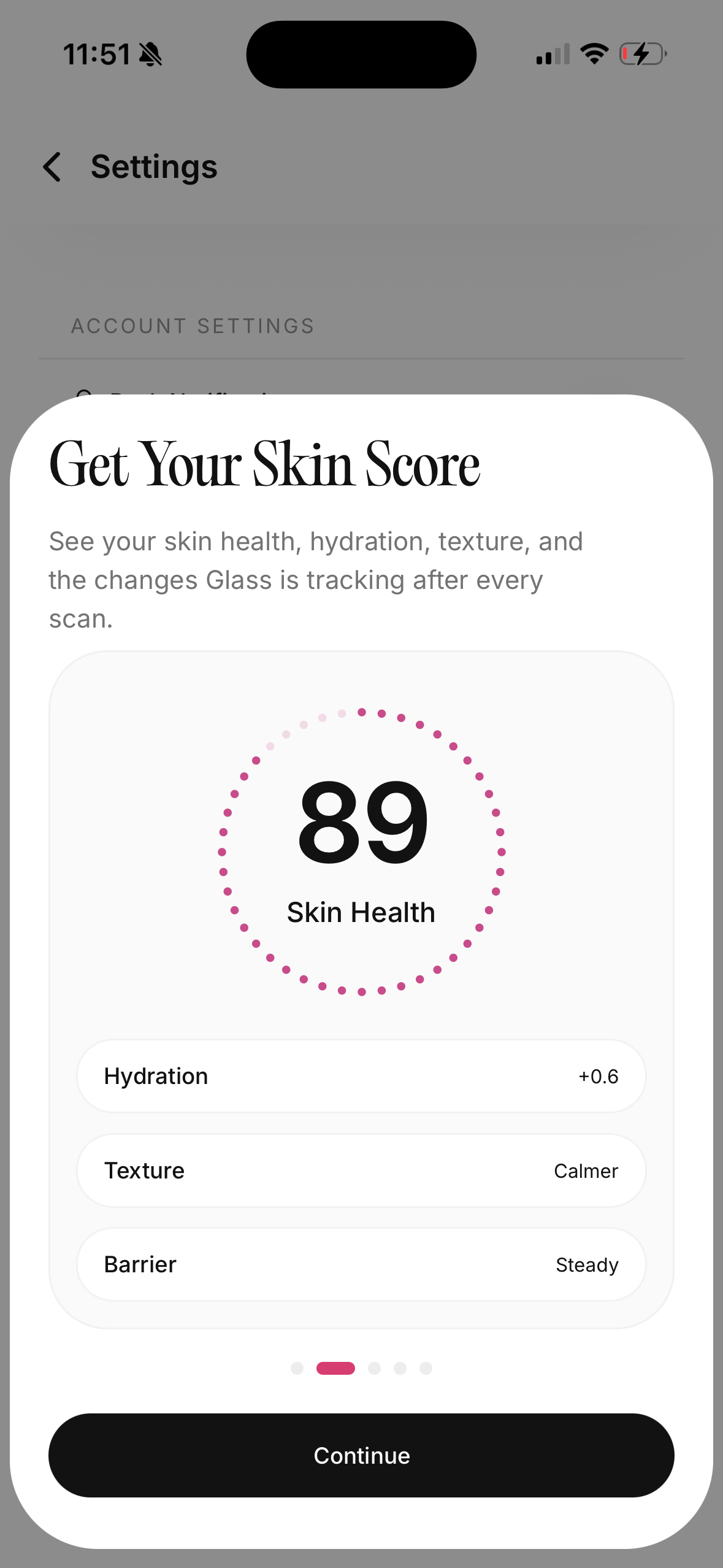
With Glass, I would track:
- photos in consistent light
- products used
- flare dates
- new treatments
- irritation
- marks
- painful bumps
- cycle timing if relevant
The point is not to self-diagnose. The point is to give the clinician a clearer timeline. Acne changes slowly, and photos can show whether a plan is improving the pattern even when one new pimple makes it feel like nothing is working.
What about facials and extractions?
Facials can be helpful for some people, especially for maintenance, congestion, and education. Extractions can reduce some clogged pores when done carefully.
But facials are not a complete answer for everyone. If acne is deep, inflamed, widespread, scarring, or painful, I would not rely on extractions alone. Aggressive extraction on inflamed lesions can worsen marks.
I would want a clinic to explain when facials are appropriate and when medical treatment is the better first step.
Red flags that need medical care
I would skip cosmetic-first care and seek medical evaluation for:
- deep painful nodules or cyst-like bumps
- acne that scars
- sudden severe acne
- widespread body acne
- fever or signs of infection
- rapidly spreading redness
- acne after starting a medication
- acne with irregular periods or new facial hair growth
- painful draining lumps in folds
- eye-area swelling
These are not situations to manage with a facial package alone.
How I would judge the first visit
After the first visit, I would ask myself:
- Did they explain what type of acne I likely have?
- Did they discuss what else it could be?
- Did they give a realistic timeline?
- Did they explain side effects?
- Did they make room for my budget?
- Did they tell me when to follow up?
- Did they treat scarring risk seriously?
- Did I feel rushed into buying products?
Acne care is a relationship over time. The first visit should make the next step clearer.
Bottom line
If I were choosing an acne clinic in NYC in 2026, I would look for calm medical judgment over dramatic promises.
The right clinic should understand acne types, scarring risk, skin tone, prescriptions, procedures, follow-up, and the difference between a breakout and a condition that only looks like acne. I would track my skin before going, ask direct questions, and avoid any place that makes acne sound like a quick upsell.
Clear skin can be a goal. Safer, better-managed skin should be the standard.