
Pimples make people overreact.
I get it.
One red bump shows up before a photo, a date, a work thing, a trip, or a day where you simply did not want to think about your skin. Suddenly the whole routine feels wrong.
So you cleanse harder.
You spot treat twice.
You skip moisturizer.
You search for something stronger.
Then the pimple is still there, but now the skin around it is dry, shiny, and irritated.
Better pimple care is usually calmer than that. In 2026, the best routine is not a cabinet full of actives. It is a repeatable system that knows the difference between a one-off pimple, clogged pores, inflamed acne, and deep painful bumps that need medical help.
Quick answer
Good skin care for pimples starts with a gentle cleanser, one proven acne treatment, moisturizer, and sunscreen. Common acne ingredients include benzoyl peroxide, salicylic acid, adapalene, azelaic acid, sulfur, and prescription options when needed. Mayo Clinic’s acne guidance explains that topical and oral medicines may be used depending on acne type and severity.
If pimples are deep, painful, scarring, spreading, or not improving after several months of consistent care, see a dermatologist.
A simple pimple-care kit
| Image | Step | Product | Why it fits |
|---|---|---|---|
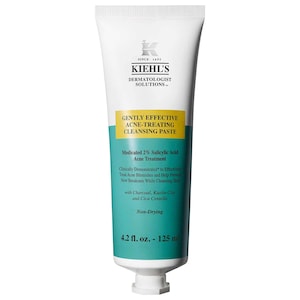 | Cleanse | Kiehl's Salicylic Face Wash | Wash-off salicylic acid for oily or clogged skin |
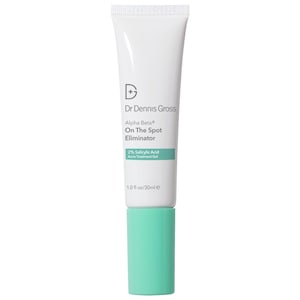 | Treat | Dr. Dennis Gross 2% Salicylic Acid Gel | Targeted treatment for blemish-prone spots |
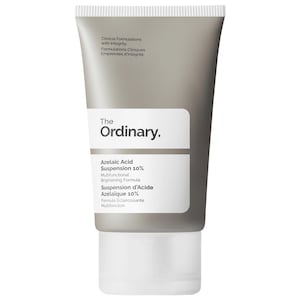 | Calm | The Ordinary Azelaic Acid | Can fit redness and blemish-prone routines when tolerated |
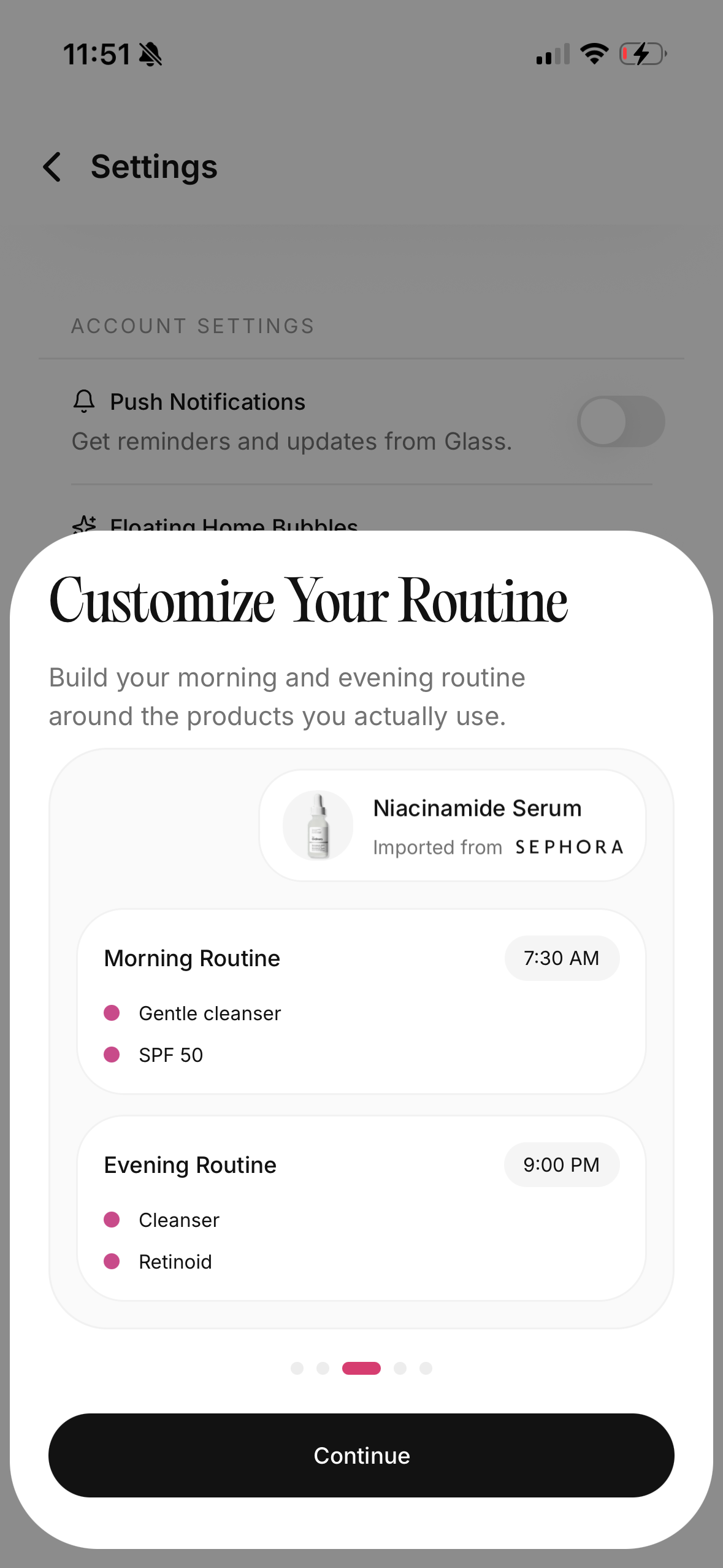 | Track | Glass routine builder | Keeps you from changing six things after one breakout |
First, identify the kind of pimple
Not every bump needs the same response.
Whiteheads and blackheads are clogged-pore acne. Small red pimples are inflamed. Pustules have visible pus. Deep tender bumps may be nodules or cyst-like acne. Itchy uniform bumps around hair follicles may be folliculitis rather than classic acne.
That distinction matters because a surface spot treatment will not fix every deeper problem. A painful lump under the skin is not going to vanish because you scrubbed it harder.
Track the pattern:
- where the pimples appear
- how often they return
- whether they hurt
- whether they itch
- whether they leave marks
- what changed before the flare
The morning routine
Morning should protect the skin.
A good morning routine can be as simple as:
- Gentle cleanse or rinse.
- Lightweight moisturizer.
- Sunscreen.
If your skin is very oily, a salicylic acid cleanser may fit a few mornings a week. If your skin is dry or irritated, do not force an acne cleanser every day.
The sunscreen step matters because pimples often leave dark or red marks. Sun exposure can make those marks more stubborn, especially on deeper skin tones.
The night routine
Night is usually treatment time.
Pick one main lane:
- salicylic acid for clogged pores and oily congestion
- benzoyl peroxide for inflamed acne
- adapalene for comedones and longer-term acne control
- azelaic acid for blemish-prone skin with redness or uneven tone
- prescription treatment for persistent, painful, or scarring acne
Do not start all of them at once.
Use a simple cleanser, apply the treatment as directed, and moisturize. If the treatment stings sharply, burns, or causes major peeling, reduce frequency or stop and ask for help.
Why moisturizer is not optional
People with pimples often skip moisturizer because they are afraid of clogging pores.
That can backfire.
Dry, irritated skin is less tolerant of acne treatment. When the barrier is compromised, every active feels harsher. You may get more redness, more flaking, and more temptation to pick.
Choose a lightweight, non-heavy moisturizer. Skinfix Barrier Gel Cream is a good example of the kind of barrier-support product that makes sense for oily or acne-prone skin.
Spot treating without burning the area
Spot treatment should be targeted.
Apply a small amount to the pimple or breakout zone. Do not create a thick white patch of acid or benzoyl peroxide and leave it there because it feels more serious. More product can burn the surrounding skin while the pimple continues at its own pace.
For a visible whitehead, a hydrocolloid patch can protect it from picking. For a deep painful bump, a patch may prevent touching, but it will not pull out something that is not near the surface.
What to avoid when a pimple appears
The panic routine is predictable.
Avoid:
- scrubbing
- toothpaste
- lemon juice
- repeated squeezing
- stacking multiple acids
- using a drying mask every night
- skipping sunscreen
- adding several new products in one week
Picking is the big one. It turns a temporary bump into a longer-lasting mark. If you cannot stop touching it, cover it with a patch or step away from close mirrors.
When salicylic acid makes sense
Salicylic acid is best when pimples come with oiliness, blackheads, whiteheads, and clogged texture. It can be used as a cleanser, toner, pad, serum, or spot treatment depending on the product.
I prefer starting with the lowest-disruption option.
If your skin is sensitive, a wash-off salicylic cleanser a few times weekly may be easier than a daily leave-on treatment. If only your chin or nose clogs, a targeted gel can make more sense than an all-over acid.
When benzoyl peroxide makes sense
Benzoyl peroxide can be useful for inflamed acne because it helps reduce acne-causing bacteria and inflammation. It can also bleach fabric, towels, pillowcases, and clothing, so use it carefully.
Start low and slow. A wash can be easier to tolerate than a leave-on for some people. If you are using retinoids or acids, ask whether benzoyl peroxide belongs in the same routine or on alternate days.
When to ask about prescriptions
If acne keeps returning, do not treat every pimple as a brand-new emergency. Repeating breakouts may need a prevention plan.
Ask a dermatologist about prescription options if:
- acne is painful
- pimples are leaving scars
- breakouts are widespread
- over-the-counter care has not helped after consistent use
- acne is affecting your confidence or daily life
- you suspect hormonal acne
- you keep getting deep bumps that never come to a head
Prescription care is not a failure. It is often the thing that prevents years of marks and frustration.
Red flags
Get medical care promptly if you have:
- rapidly spreading redness
- severe swelling
- fever
- painful warm skin
- draining lesions
- acne that scars quickly
- sudden severe acne after starting a medication
- painful nodules or cysts
- a bump that bleeds, changes, or does not heal
If you are pregnant, trying to become pregnant, or breastfeeding, ask a clinician before using acne medications.
How Glass can help
Pimple care gets messy because memory is unreliable.
You may think a product caused the breakout because the timing feels obvious. Then you check and realize the flare started before the product, or after travel, or during three nights of poor sleep.
Using Glass to track routines, products, photos, and skin changes can make the pattern easier to see. The point is not to obsess over every pore. It is to stop guessing.
A one-pimple plan for the next 72 hours
When one pimple appears, keep the response small.
Day one:
- cleanse gently
- use a cold compress if it is swollen
- apply one appropriate spot treatment if the skin is not broken
- moisturize
- do not squeeze
Day two:
- keep sunscreen on during the day
- use a patch if it has a surface opening or you keep touching it
- avoid adding a second treatment because you are annoyed
Day three:
- if it is flattening, let it heal
- if it is deeper and more painful, stop pressing it
- if it is rapidly swelling or very painful, call a clinician
This plan sounds almost too plain, but it prevents the usual damage. Most post-pimple marks come from the combination of inflammation, picking, and sun exposure. You cannot control the first part completely. You can control the other two.
If pimples keep coming back
Recurring pimples need prevention, not repeated emergency care.
Look for the pattern:
- same area every time
- same week of the month
- after shaving
- after workouts
- after certain sunscreen or makeup
- after travel
- after starting a new hair product
Once pimples repeat, spot treatment alone is usually not enough. You may need a retinoid, benzoyl peroxide, salicylic acid, hormonal evaluation, or prescription treatment. The right answer depends on lesion type and severity.
If your skin is creating new pimples every week, build the routine around preventing the next one instead of punishing the current one.
What progress should feel like
A good pimple routine does not mean you never get another bump.
Better signs include fewer new pimples, less pain, shorter healing time, fewer dark marks, fewer days of peeling, and less urge to pick. If your skin is “clearer” but constantly burning, that is not success.
Progress should feel more stable, not more fragile.
Bottom line
The best skin care for pimples is calm, consistent, and matched to the type of breakout.
Cleanse gently. Treat with one appropriate active. Moisturize. Use sunscreen. Do not pick. Give the plan time. And if pimples are painful, scarring, deep, or persistent, bring in a dermatologist before the marks pile up.