Blackheads reward patience and punish drama.
That is annoying because blackheads look like something that should be removable in one satisfying moment. You see a dark dot on the nose or chin, squeeze it, maybe get something out, and then the pore fills again. Or the area gets red, flaky, bruised, and still dotted.
Salicylic acid is useful for blackheads because it supports pore maintenance. That word matters. Maintenance is different from emergency removal. The goal is not to rip every pore clean tonight. The goal is to reduce the buildup cycle so blackheads look less obvious and return less aggressively.
Quick answer
Salicylic acid can help blackheads by loosening oil and dead-skin buildup inside pores over time. It works best as a consistent, low-irritation step for oily or congestion-prone zones such as the nose, chin, forehead, chest, and back. It does not permanently shrink pores, erase sebaceous filaments, or replace medical care for painful or scarring acne.
Use one salicylic product, start a few times weekly, moisturize, and avoid turning blackhead care into squeezing, scrubbing, and peeling.
Blackheads are open clogged pores
A blackhead is an open comedone. A pore becomes plugged with oil and dead skin, and the top of that plug is exposed to air. The dark color is not simply dirt sitting on the face.
That detail explains why harsh scrubbing disappoints. You can polish the surface and still leave the deeper clog behind. Worse, you can irritate the surrounding skin and make the pore look more obvious.
Blackheads often appear on:
- nose
- chin
- center forehead
- inner cheeks
- ears
- chest
- back
The pattern is usually oily and recurrent, which is why ongoing pore maintenance matters more than one aggressive extraction.
Blackheads versus sebaceous filaments
Not every dot on the nose is a blackhead.
Sebaceous filaments are normal pore structures that help move oil through the pore. They can look gray, tan, or dark, especially on oily noses. If you extract them, they often seem to come back quickly because they are part of normal skin function.
Blackheads are more plugged and may look darker, larger, or more raised. Many people have both. This matters because salicylic acid can make pores look clearer, but it will not eliminate normal pore anatomy.
If you expect poreless skin, you will overtreat. If you expect cleaner-looking maintenance, salicylic acid makes more sense.
Why salicylic acid fits blackheads
Salicylic acid is a beta hydroxy acid with oil-soluble behavior. In everyday routine terms, it is useful because blackheads form in oily pores.
Used consistently, it can help:
- loosen pore buildup
- reduce new congestion
- smooth bumpy areas
- make blackheads less obvious
- support oily zones without physical scrubbing
It is not a vacuum. It does not pull every plug out overnight. It helps the pore environment become less buildup-prone when the rest of the routine is not clogging or irritating the skin.
Choose area care, not dot care
Blackheads usually need area care.
If your nose has twenty clogged pores, dotting each one with a spot gel is not realistic. A leave-on salicylic product over the nose, chin, or forehead may fit better. For chest or back blackheads, a salicylic wash can be easier.
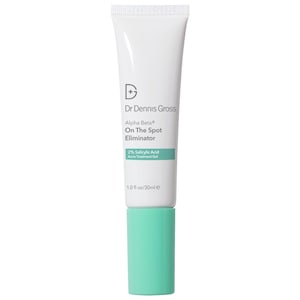
Spot treatment makes more sense for an inflamed pimple. Blackheads are about the whole zone. Treat the zone gently and consistently instead of attacking each dot.
Cleanser versus leave-on
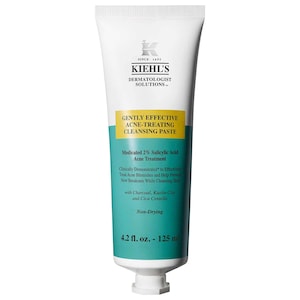
A cleanser is the lower-commitment format. It gives short contact and rinses away. That can be a good start for sensitive skin, dry skin, or people who are already using other active products.
A leave-on serum, liquid, gel, or moisturizer gives more contact. It may work better for stubborn blackhead zones, but it requires more respect for frequency. Daily leave-on acid is too much for many people at the beginning.
| Skin situation | Better starting point | Why |
|---|---|---|
| Sensitive nose and cheeks | Salicylic cleanser | Shorter contact |
| Oily nose and chin | Leave-on two or three nights weekly | Better zone contact |
| Back blackheads | Salicylic body wash | Practical coverage |
| Already using a retinoid | Ask before adding leave-on acid | Irritation can stack |
A realistic blackhead routine
Keep it simple.
Morning:
- Gentle cleanse or rinse.
- Moisturizer if needed.
- Sunscreen.
Night on salicylic days:
- Gentle cleanse.
- Salicylic acid product.
- Moisturizer.
Night on non-salicylic days:
- Gentle cleanse.
- Moisturizer.
That may look too plain, but blackheads often worsen when routines become crowded with heavy creams, oils, scrubs, masks, and multiple exfoliants.
The squeeze cycle
Squeezing feels productive because it gives immediate feedback. The problem is the cost.
Repeated squeezing can cause:
- redness
- broken capillaries
- scabs
- dark marks
- swelling
- tenderness
- larger-looking pores from inflammation
- accidental infection risk
If you do extract, be cautious and clean, and do not keep digging when nothing releases easily. Professional extractions can help some people, but even then, maintenance determines whether the area refills quickly.
What clay masks can and cannot do
Clay masks may temporarily reduce oiliness and make pores look cleaner. They can feel satisfying on a congested T-zone. They are not a replacement for salicylic acid if your goal is blackhead prevention.
Use masks sparingly if you like them. Do not pair a drying mask with salicylic acid, scrub, and retinoid all in the same night. That combination may leave your nose flaky and still dotted.
For blackheads, the boring weekly rhythm usually beats a dramatic Sunday reset.
Retinoids and blackhead prevention
Retinoids are often part of blackhead and comedone care because they support how follicles shed over time. They can be helpful, but they can also irritate, especially when combined with acids.
If you use an over-the-counter retinoid or a prescription retinoid, do not automatically add salicylic acid nightly. Alternate nights, reduce frequency, or ask a clinician how to combine them.
A routine that uses both carefully may work well. A routine that piles them together because blackheads are frustrating often becomes red and flaky.
Moisturizer still matters
People with blackheads sometimes avoid moisturizer because they fear clogging pores. That can backfire if the skin becomes dehydrated and irritated.
Choose a moisturizer that feels light, non-greasy, and comfortable. You do not need a heavy balm on oily areas unless your skin is truly dry. You do need enough barrier support that salicylic acid does not turn into constant stinging.
If every moisturizer seems to clog you, simplify and test one change at a time. Do not change cleanser, acid, moisturizer, sunscreen, and makeup in the same week and then try to guess what happened.
How long to give it
Blackheads need weeks of consistency. Some surface smoothness may appear quickly, but pore maintenance is slower.
Track:
- how often new blackheads appear
- whether the nose looks less congested in steady lighting
- whether you squeeze less often
- whether makeup sits more smoothly
- whether the skin feels comfortable
If you only judge by magnifying mirror inspections, you will probably overtreat. Step back and judge the whole zone.
Makeup, sunscreen, and pore buildup
Blackhead routines often fail because the acid gets blamed for what the rest of the day is doing.
Heavy sunscreen, long-wear foundation, hair oils, helmet straps, and not cleansing thoroughly at night can all keep congestion going. That does not mean you should skip sunscreen or makeup. It means removal and product fit matter.
If blackheads are mostly where makeup sits thickest or where hair products touch the skin, adjust that exposure before increasing salicylic acid. Try a thorough but gentle evening cleanse, keep hair oils away from the forehead, and change one product at a time so you can see what helps.
Why "pore strips only" is not a plan
Pore strips can remove some visible material from the surface. They can also irritate, especially if used often or pulled from sensitive skin. Even when they work, they do not change why the pore filled.
If you like the occasional pore strip and your skin tolerates it, treat it as a rare cosmetic reset, not the main blackhead plan. Salicylic acid, a reasonable cleanser, compatible moisturizer, and less squeezing do more for the repeat cycle.
If a pore strip leaves the area tender or shiny, skip acids that night. Let the skin feel normal before returning to maintenance.
When salicylic acid is not enough
Ask for clinician guidance if blackheads come with painful acne, cyst-like lesions, scarring, sudden severe breakouts, or persistent acne that does not improve. Also ask if the dark dots are not changing at all and you are not sure they are blackheads.
Other options may include retinoids, prescription acne treatments, professional extractions, or a different diagnosis. Salicylic acid is useful, but it is one maintenance tool.
Bottom line
Salicylic acid for blackheads is about pore maintenance, not pore punishment. Use it consistently, choose the right format, avoid squeezing as the main plan, and protect your barrier.
The win is not a poreless face. The win is fewer clogged cycles, less picking, and a routine you can repeat without making the area red and flaky.