Pustules on the face are hard not to stare at.
They look ready.
That little white or yellow tip makes it feel like the obvious answer is to pop, wipe, cover, and move on. But pustules are inflamed lesions, and treating them roughly can turn a short-lived breakout into a longer-lasting mark.
Facial pustules can be acne. They can also be folliculitis, irritation, rosacea-like bumps, perioral dermatitis, or an infection in some cases. The pattern, location, pain, itch, and surrounding skin matter.
Quick answer
Pustules on the face are pus-tipped bumps that often happen with inflammatory acne, but not every pustule-like bump is acne. Do not squeeze aggressively. Use gentle cleansing, one appropriate acne treatment if tolerated, moisturizer, sunscreen, and avoid picking. See a clinician if pustules are widespread, painful, crusting, rapidly worsening, near the eye, associated with fever, or not improving with a careful routine.
Deep, recurrent, or scarring pustular acne may need prescription care.
Facial pustule sorting table
| Pattern | Possible explanation | First move |
|---|---|---|
| Few pus-tipped pimples with clogged pores | Acne pustules | Gentle acne routine and no picking |
| Itchy uniform bumps | Folliculitis or irritation | Pause occlusive products and seek advice if persistent |
| Pustules around mouth with rash | Perioral dermatitis-like pattern | Avoid steroid creams unless prescribed |
| Pustules with flushing | Rosacea-like inflammation | Dermatology evaluation |
| Crusting, spreading, fever, eye swelling | Possible infection | Prompt medical care |
What a pustule is
A pustule is a raised inflamed bump with visible pus. In acne, it usually forms when a clogged follicle becomes inflamed.
The pus does not mean your face is dirty. It is part of the immune response. The follicle environment can include oil, dead skin cells, bacteria that normally live on skin, and inflammation.
Pustules can be small and surface-level, or they can sit near deeper inflamed acne. The deeper and more painful the lesion, the more cautious you should be.
Pustule versus whitehead
People often mix up whiteheads and pustules.
A whitehead is a closed clogged pore. It may look white or skin-colored and may not be very red.
A pustule is inflamed and pus-tipped. It often has redness or discoloration around it and may be tender.
This matters because an inflamed pustule is easier to damage. Squeezing can spread inflammation, cause bleeding, and increase the chance of a dark mark.
Why popping is risky
Popping feels efficient, but it is unpredictable.
Possible consequences:
- more swelling
- broken capillaries
- open wound
- scab
- infection risk
- post-inflammatory hyperpigmentation
- longer healing
- scarring
If a pustule drains on its own while washing, cleanse gently and leave it alone. Do not keep pressing to "empty" it.
What to do instead
Use a calm routine.
Morning:
- Cleanse gently or rinse.
- Apply a lightweight moisturizer.
- Use sunscreen.
- Spot treat only if the product is tolerated.
Night:
- Remove makeup and sunscreen.
- Cleanse without scrubbing.
- Use one acne active if appropriate.
- Moisturize.
If you use a hydrocolloid patch, remember it works best on surface fluid and can help keep your hands off. It is not a cure for deep acne.
Ingredients that may help acne pustules
Acne pustules may respond to:
- benzoyl peroxide
- salicylic acid
- adapalene or other retinoids
- azelaic acid
- sulfur
Use these carefully. More products do not mean faster healing. Stacking a strong cleanser, acid toner, retinoid, benzoyl peroxide, and drying lotion can create irritation that looks like more acne.
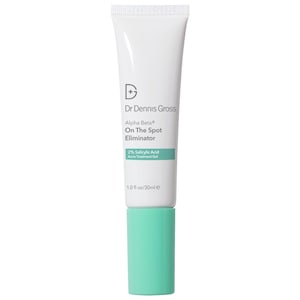
For an example of a targeted acne product, see Dr. Dennis Gross 2% Salicylic Acid Gel. Match any spot treatment to your tolerance.
When pustules may not be acne
Facial pustules can have other causes.
Consider another pattern if:
- bumps are very itchy
- all bumps are the same size
- bumps appeared suddenly after a new product
- the rash burns more than it aches
- pustules cluster around the mouth
- there is flushing or sensitivity
- acne treatment makes everything worse
- there are no clogged pores
Folliculitis, dermatitis, rosacea-like inflammation, medication reactions, and infections can all mimic acne. If the pattern is not behaving like acne, get help.
Pustules around the mouth
Pustules around the mouth can be acne, but they can also resemble perioral dermatitis, especially if there is a rashy, irritated, burning pattern around the mouth, nose, or chin.
Be careful with topical steroid creams around the face unless a clinician prescribed them for that exact issue. Steroids can worsen some face rashes.
If mouth-area pustules persist, burn, or spread, see a dermatologist. The treatment may be different from acne spot care.
Pustules on cheeks and jawline
Cheek and jawline pustules can be acne, product irritation, mask friction, shaving irritation, or part of a cycle-linked flare.
Track:
- makeup
- sunscreen
- phone contact
- pillowcases
- hair products
- shaving
- menstrual cycle timing
- new actives
- stress and sleep shifts
Glass can help connect those details with photos so you are not guessing from memory.
Pustules on forehead
Forehead pustules often make me look at hair products and sweat first.
Possible contributors:
- pomades
- leave-in conditioner
- dry shampoo residue
- hats
- helmets
- thick sunscreen
- workout sweat
- over-exfoliation
If the bumps are tiny, uniform, and itchy, folliculitis may be worth asking about. If they are mixed with whiteheads and blackheads, acne may be more likely.
How long should pustules take to improve?
A single pustule may calm over several days, but the mark can linger longer. A prevention routine usually needs weeks, not days.
Look for:
- fewer new pustules
- shorter healing time
- less pain
- fewer dark marks
- less overall redness
- better tolerance of products
If pustules keep appearing despite a consistent routine, it is time to reassess. The diagnosis, product fit, or treatment strength may need help.
Red flags
Seek medical care promptly if you have:
- fever
- rapidly spreading redness
- warmth and swelling
- severe pain
- honey-colored crusting
- red streaking
- eye swelling
- pustules after a new medication
- widespread sudden pustules
- immune suppression
- deep cyst-like acne
- scarring
Facial infections and eye-area swelling should not be managed with acne products at home.
What not to do
Avoid:
- popping with nails
- using needles
- applying toothpaste
- repeated alcohol or peroxide
- layering multiple drying spot treatments
- skipping moisturizer because skin is oily
- using rough scrubs over pustules
- covering infected-looking lesions with makeup and ignoring them
Inflamed skin needs controlled treatment and barrier support.
A simple 2026 plan
For mild acne pustules:
- Keep cleanser gentle.
- Use one acne active consistently.
- Moisturize.
- Wear sunscreen.
- Avoid picking.
- Track triggers.
- Get help if acne is painful, scarring, or persistent.
If you are pregnant, nursing, trying to conceive, or using other medications, check treatment choices with a clinician.
If pustules leave dark marks
Pustules can leave marks even when they heal normally. Picking, repeated squeezing, and harsh spot treatments make that more likely.
If you are prone to post-inflammatory hyperpigmentation, focus on lowering inflammation early. That means steady acne prevention, sunscreen, and avoiding unnecessary trauma. Azelaic acid may fit some mark-prone acne routines, but it still needs to be introduced carefully.
Marks are not the same as scars. Flat color changes may fade gradually. Indented or raised scars usually need a different conversation with a dermatologist. If active pustules are still appearing, control the acne first before chasing every mark.
What to do before a big event
The safest event plan is boring.
Do not test a new peel, new retinoid, new drying mask, and new spot treatment the night before photos. If a pustule is present, cleanse gently, moisturize, use a tolerated spot treatment if you already know it works for you, and consider a hydrocolloid patch when appropriate.
Makeup is fine if the skin is not infected-looking or open, but remove it gently. If the pustule is painful, swollen, or deep, a dermatologist may have better options than squeezing it in the bathroom.
How to prevent the next cluster
After a pustule cluster heals, look backward.
Did it follow a new sunscreen, heavy makeup, facial oil, shaving, cycle timing, travel, poor sleep, or a skipped cleanse after sweating? Did it appear in the same zone as last time? Did it come with blackheads and whiteheads, or only identical itchy bumps?
Those details decide the next move. A random pustule may need patience. A repeating cluster needs a prevention plan.
Bottom line
Pustules on the face are inflamed bumps, not invitations to dig.
They can be acne, but they can also be folliculitis, irritation, dermatitis, rosacea-like inflammation, or infection. Treat gently, avoid squeezing, support the barrier, and get medical care for spreading, painful, crusting, eye-adjacent, sudden, recurrent, or scarring pustules.
The fastest-looking move is not always the safest one. With pustules, less trauma usually means better healing.
The no-dig rule
For pustules on face skin, I would keep one rule: no digging. A visible white center can make a pustule feel ready, but squeezing can push inflammation wider, break the skin unevenly, and leave a longer mark. If a hydrocolloid patch fits the spot and the skin is not severely irritated, that may help protect it from fingers. If the pustule is large, painful, spreading, or near the eye, I would not try to manage it with pressure. The goal is quiet healing, not a dramatic extraction that creates a second problem.