This is an awkward place to get a bump.
It is also a common place to worry.
Pimples on private parts in male skin can come from shaving, friction, sweat, clogged follicles, ingrown hairs, folliculitis, cysts, or conditions that are not acne at all. Some bumps are harmless. Some need a clinician. Some need STI testing. A blog post cannot diagnose a genital bump, and it should not try.
The useful approach is to separate low-risk patterns from red flags, stop doing things that inflame the area, and get care when the situation is unclear.
Quick answer
Pimple-like bumps on male private parts are often related to hair follicles, shaving, sweat, friction, or ingrown hairs, especially in the pubic area and inner thighs. But bumps on the penis, scrotum, groin folds, or nearby skin can also be infections, cysts, hidradenitis suppurativa, warts, herpes, molluscum, or other conditions. Get medical care for blisters, ulcers, pain, discharge, fever, spreading redness, swollen glands, recurrent painful boils, or any bump after a new sexual exposure.
First, define the exact location
"Private parts" can mean several areas, and location changes the possibilities.
| Location | Common possibilities | Why it matters |
|---|---|---|
| Pubic hair area | Ingrown hairs, folliculitis, shaving bumps | Hair follicles are involved |
| Inner thighs | Friction, folliculitis, chafing | Sweat and rubbing are common |
| Groin folds | Irritation, fungal rash, HS, folliculitis | Moist folds need careful care |
| Scrotum skin | Cysts, irritation, follicle bumps | Skin is sensitive |
| Penis shaft or head | Needs more caution | STI and non-acne conditions must be considered |
| Around anus or buttock crease | Folliculitis, irritation, HS, other issues | Recurrent painful boils need care |
If the bump is on the penis itself, do not assume acne. Acne is follicle-related, and some penile areas do not behave like facial acne.
Why shaving causes bumps
Shaving is one of the most common reasons male pubic-area bumps appear. A close shave can cut hair at an angle, irritate follicles, and create ingrown hairs as the hair grows back into the skin.
Shaving bumps often:
- appear a day or two after shaving
- sit where hair grows
- feel tender or itchy
- have a hair visible in the center
- worsen with close shaving
- repeat in the same zones
If that pattern fits, the solution is not harsher cleansing. It is changing the hair-removal routine.
Folliculitis can look like acne
Folliculitis means inflamed hair follicles. It can look like small red bumps, white-tipped bumps, or tender pimple-like spots. It can happen anywhere hair grows, including the pubic area, thighs, buttocks, and abdomen.
Triggers can include:
- shaving
- tight clothing
- sweat
- hot tubs
- friction
- bacteria
- yeast
- occlusive oils
- shared grooming tools
Because folliculitis can have different causes, persistent or spreading bumps should be checked rather than endlessly treated with acne products.
When it might be hidradenitis suppurativa
Hidradenitis suppurativa, often shortened to HS, is a chronic inflammatory skin condition that can cause recurring painful lumps, boils, tunnels, drainage, and scarring. It often affects areas such as the groin, buttocks, armpits, under breasts, and inner thighs.
Consider clinician care if bumps are:
- deep and painful
- recurring in groin folds
- draining pus or blood
- leaving scars
- forming in the same body-fold areas
- making it painful to walk, sit, or exercise
HS is not a hygiene failure. It needs medical management, and earlier care can reduce long-term damage.
STI red flags
Some genital bumps are sexually transmitted infections or other infections that need testing and treatment.
Get care promptly for:
- blisters
- open sores or ulcers
- burning pain
- painful urination
- penile discharge
- swollen groin glands
- fever
- rapidly spreading bumps
- wart-like growths
- bumps after a new partner
- partner symptoms
Do not apply acne spot treatments to blisters or ulcers. Do not have sex while an undiagnosed genital lesion is active. A clinician can test, diagnose, and treat appropriately.
What to stop doing right away
When bumps show up, irritation control helps.
Stop:
- shaving over bumps
- picking or squeezing
- using fragranced body sprays on the area
- applying tea tree oil undiluted
- using harsh scrubs
- wearing tight sweaty underwear for long periods
- sharing razors or trimmers
- applying facial acne acids to genitals
- trying to pop deep lumps
The skin here is not the forehead. Strong products can burn or inflame sensitive genital skin.
A safer hygiene reset
Keep it plain for one to two weeks unless symptoms require care sooner.
Try:
- Wash with a gentle, fragrance-free cleanser or water.
- Rinse after heavy sweating.
- Dry thoroughly before dressing.
- Wear breathable underwear.
- Change after workouts.
- Avoid tight compression gear when inflamed.
- Pause shaving until bumps settle.
- Use clean towels.
If the area is itchy, scaly, painful, spreading, or not improving, get checked. Fungal rashes, bacterial infections, and inflammatory conditions need different treatment.
If you keep grooming
If you choose to trim or shave later, reduce trauma.
Safer habits include:
- trimming instead of shaving to the skin
- using a clean guarded trimmer
- shaving with the grain
- avoiding dry shaving
- using a fresh blade
- rinsing well
- avoiding immediate tight clothing
- not shaving over active bumps
Hair removal is personal. But if every shave creates painful bumps, the method is not working for your skin.
Can acne products help?
Sometimes, but be careful.
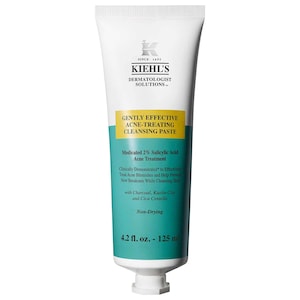
For pubic hair-bearing skin or inner thighs, acne-type ingredients may help some follicle-related bumps. Benzoyl peroxide washes are sometimes used on body folliculitis or acne-prone areas, but they can irritate and bleach fabric. Salicylic acid can also be too harsh near genital skin.
Do not use these on the penis head, open sores, raw skin, or mucous membranes. Do not layer multiple actives. When in doubt, ask a clinician.
For non-genital body acne, Kiehl's Salicylic Face Wash is an example of a salicylic acid cleanser, but that does not make it automatically appropriate for genital areas.
What not to assume
Do not assume every bump is an STI. That can create unnecessary panic.
Do not assume every bump is a pimple. That can delay care.
Do not assume a painful recurring boil is normal.
Do not assume cleanliness is the issue.
Do not assume a partner caused it without testing and medical confirmation.
Genital skin has many possible bump patterns. A short appointment can be more useful than weeks of guessing.
How Glass can help without replacing care
Glass is not a diagnostic tool for genital lesions, and you should not upload intimate photos if that feels unsafe or inappropriate for your situation. But you can still use routine notes for patterns:
- grooming date
- workout friction
- new detergent
- new underwear
- sweating
- shaving method
- recurrence timing
- pain level
- whether bumps drain or scar
That history can make a clinician visit clearer. "This happens after every close shave" and "I get painful draining groin lumps every month" are very different stories.
When to see a clinician
Get medical care if you are unsure, especially for bumps on the penis or scrotum. Seek prompt care for blisters, ulcers, discharge, fever, spreading redness, severe pain, swollen glands, or new sexual-exposure concerns.
See a dermatologist or clinician for recurrent painful groin boils, drainage, scarring, or bumps that do not improve. If it is HS, folliculitis, an infection, or another condition, earlier treatment is better than repeated home experiments.
How to talk about it at the appointment
You do not need perfect language. You need clear facts.
A useful way to explain it:
- where the bump is
- when it started
- whether it hurts, itches, burns, or drains
- whether you shaved, trimmed, waxed, or had friction before it appeared
- whether you have had similar bumps before
- whether there was a new sexual exposure
- whether urination hurts
- whether there is discharge, fever, or swollen glands
- what you already applied
Clinicians see genital skin concerns all the time. A direct description helps them decide whether the next step is reassurance, STI testing, a culture, a prescription, a dermatology referral, or a different exam.
If you feel embarrassed, write the facts in your phone before the visit and read them. That is often easier than trying to remember while anxious.
A realistic home-care boundary
Home care is reasonable only when the bump is mild, clearly in hair-bearing pubic skin, connected to shaving or friction, and improving. Even then, keep the plan short. A week of gentler grooming and less friction can be informative. A month of rotating harsh products is not.
If the bump is on the penis, looks blistered or ulcerated, keeps returning, or comes with pain, discharge, fever, or swollen glands, do not wait for a skincare routine to solve it. That is a medical-care situation.
Bottom line
Pimples on private parts in male skin can be simple shaving bumps or folliculitis, but the location deserves caution. Treat the area gently, stop shaving over active bumps, reduce friction, and avoid harsh facial acne products on genital skin.
If there are STI red flags, severe pain, spreading symptoms, recurrence, drainage, or uncertainty, get checked. The goal is not embarrassment management. It is protecting your skin and your health.