
Pimples on legs are usually not face acne that moved south.
They are often follicle problems.
Leg skin has hair follicles, shaving, waxing, sweat, tight leggings, friction, dry skin, and body products. That creates bumps that can look like pimples but may be folliculitis, ingrown hairs, keratosis pilaris, irritation, bites, or other rashes. The right fix depends on the pattern.
Quick answer
Pimples on legs are commonly caused by folliculitis, ingrown hairs, shaving irritation, friction, sweat, keratosis pilaris, or acne-like body breakouts. Start with gentle cleansing, reducing friction, changing after sweat, and improving shaving habits. Seek medical care if bumps are painful, spreading, hot, draining, associated with fever, very itchy, recurrent, or not improving.
Why legs get pimple-like bumps
Legs are exposed to repeated irritation:
- shaving
- waxing
- tight leggings
- compression gear
- sweat
- dry skin
- fragranced lotions
- sunscreen
- body oils
- friction from walking
- hot tubs or pools
- dirty razors
Unlike the face, leg bumps often center around hair follicles. That makes hair removal and clothing habits especially important.
Folliculitis on legs
Folliculitis means inflamed hair follicles. It can look like red bumps, white-tipped bumps, itchy spots, or tender pimples.
Leg folliculitis can be linked to:
- shaving
- bacteria
- yeast
- sweat
- occlusive clothing
- hot tubs
- friction
- blocked follicles
If many bumps look similar and sit where hair grows, folliculitis is a strong possibility. Mild cases can settle with trigger reduction, but persistent, painful, or spreading cases should be evaluated.
Shaving bumps and ingrowns
Shaving can cause bumps when hair curls back into the skin or when the razor irritates follicles.
Signs include:
- bumps after shaving
- tenderness along shaved areas
- visible trapped hairs
- dark marks after bumps heal
- repeat bumps on thighs, calves, or bikini-adjacent areas
Prevention is mostly technique:
- Use warm water first.
- Use a shave gel or cream.
- Use a clean sharp blade.
- Shave with the grain if ingrown-prone.
- Do not press hard.
- Rinse well.
- Moisturize.
- Avoid tight leggings right after.
If close shaving always creates bumps, trimming may be kinder.
Keratosis pilaris
Keratosis pilaris can create rough dots on thighs and upper arms. On legs, it may look like tiny bumps that never quite become pimples.
KP is usually:
- rough
- dry-feeling
- persistent
- not very painful
- more texture than pus
- worse when skin is dry
KP care is not the same as acne care. Gentle moisturizers and slow use of exfoliating ingredients can help some people, but harsh scrubbing can make redness worse.
Sweat and leggings
Workout clothes can turn mild follicle congestion into a bigger issue. Tight fabric traps sweat and rubs repeatedly.
Reduce the trigger by:
- changing after workouts
- washing leggings between wears
- avoiding long hours in damp compression gear
- choosing breathable fabrics
- showering or rinsing after heavy sweat
- keeping body lotions light under tight clothes
If bumps sit exactly where seams or compression bands hit, acne products are not the main fix.
Itchy leg bumps
Itch changes the conversation. Itchy bumps can be folliculitis, dermatitis, insect bites, hives, eczema, fungal rash, or another irritation pattern.
Pay attention to:
- new detergent
- fragrance
- body wash
- shaving cream
- outdoor exposure
- hot tub exposure
- new leggings
- seasonal dryness
If itching is intense, widespread, blistering, or not improving, get medical care.
What to do first
For mild pimple-like leg bumps:
- Pause shaving over active bumps.
- Cleanse gently.
- Change after sweating.
- Wear looser clothing for a few days.
- Avoid fragranced lotions on bumpy areas.
- Moisturize if dry.
- Do not pick.
- Track the trigger.
This reset is often more useful than immediately adding multiple actives.
Can salicylic acid help?
Salicylic acid can help clogged follicles for some people. It may be useful when bumps are mild, non-infected, and related to congestion. But it can sting freshly shaved or irritated legs.
Start slowly:
- use a wash-off product first
- avoid using right after shaving
- moisturize
- stop if burning or peeling develops
- avoid open skin
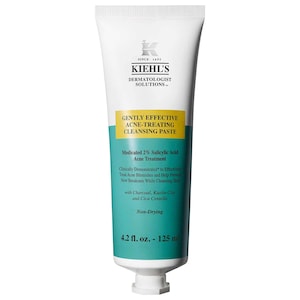
Kiehl's Salicylic Face Wash is one salicylic cleanser example. Even though it is labeled for the face, the ingredient logic is similar; tolerance still matters.
What about benzoyl peroxide?
Benzoyl peroxide can help some inflamed acne or folliculitis-like body breakouts, but it can bleach towels, sheets, and clothing. It can also dry skin.
If you try it:
- use white towels
- rinse thoroughly
- start a few times weekly
- moisturize
- do not combine with too many exfoliants
- stop if irritation gets significant
For painful, pus-filled, spreading, or recurrent folliculitis, see a clinician instead of relying only on over-the-counter washes.
Dark marks after leg bumps
Leg bumps can leave brown, red, or purple marks, especially after picking, shaving over bumps, or inflammation. These marks can take time to fade.
Help prevent marks by:
- not squeezing
- reducing friction
- using sunscreen on exposed legs
- treating inflammation early but gently
- avoiding repeated shaving trauma
- moisturizing the barrier
Azelaic acid can be useful in some routines for blemish-prone skin and tone support. The Ordinary Azelaic Acid is one example, but introduce it slowly and avoid irritated shaved skin.
When bumps are not pimples
Leg bumps can also be:
- insect bites
- hives
- eczema
- contact dermatitis
- fungal rash
- molluscum
- warts
- cellulitis
- cysts
- vasculitis or other medical rashes
That list is not meant to scare you. It is a reminder that "pimple" is a visual description, not a diagnosis.
Red flags
Get medical care if leg bumps are:
- rapidly spreading
- hot and painful
- draining pus
- associated with fever
- surrounded by expanding redness
- extremely itchy
- blistering
- purple and non-blanching
- recurring despite routine changes
- leaving scars
- happening with swelling in the leg
Seek urgent care for signs of serious infection, severe pain, fever, or rapidly spreading redness.
Tracking the pattern
Use Glass or a simple note to track:
- shaving date
- workout clothing
- sweat
- product changes
- itch versus pain
- exact location
- recurrence
- marks after healing
The pattern often points to the fix. Bumps after shaving need a shaving plan. Bumps after workouts need sweat and friction changes. Rough persistent dots need a KP approach.
If bumps appear after hair removal
Hair-removal bumps need a different mindset than acne. The issue is often mechanical: the hair was cut, pulled, or trapped in a way the follicle did not tolerate. Adding strong acne products right after shaving can make the area sting and peel.
Try spacing your steps:
- Hair removal on one day.
- Gentle moisturizer after.
- No strong acids immediately after.
- Loose clothing for the next several hours.
- Exfoliating ingredients only when skin is calm.
If waxing causes repeated inflamed bumps, pause and let the skin recover. If shaving causes dark marks every time, trimming may be the better long-term option.
If bumps appear after workouts
Workout bumps usually show up where sweat, fabric, and friction overlap. Think inner thighs, backs of thighs, calves under tight socks, or areas covered by leggings.
A practical reset:
- change quickly
- rinse sweat
- wear clean leggings each session
- avoid heavy oils before training
- check seam placement
- wash knee sleeves, socks, and compression gear
If the bumps itch or form many similar follicle-centered spots, folliculitis becomes more likely.
Building a leg routine
A simple leg routine does not need many products. Use a gentle wash most days, moisturize dry areas, and add one targeted active only if the pattern supports it. For KP-like roughness, a moisturizing exfoliant may fit. For follicle congestion, a wash-off salicylic or benzoyl peroxide product may fit. For dermatitis, removing the trigger matters more than acne treatment.
The routine should make the skin calmer, not tighter and shinier from irritation.
If marks stay after leg bumps
Leg bumps can leave discoloration for weeks or longer, especially on skin that makes pigment easily after inflammation. This is common after ingrowns, folliculitis, and picking. It does not always mean there is a permanent scar.
Help prevent new marks by:
- not shaving over active bumps
- avoiding picking
- reducing friction
- using sunscreen on exposed legs
- moisturizing dry skin
- treating recurring inflammation earlier
If marks are raised, dented, painful, or paired with ongoing bumps, get a dermatologist's opinion. Texture change and color change are not the same issue.
What a clinician may ask
If you book care for leg bumps, be ready to describe the pattern. Did they start after shaving? Are they itchy? Are they around follicles? Are they on both legs? Did a hot tub, new product, or new medication come before them? Are they painful, draining, or spreading?
Those details can help separate folliculitis, dermatitis, KP, bites, acne-like bumps, and infection. Photos over time can also help, especially if the bumps flare and fade before the appointment.
Bottom line
Pimples on legs are often folliculitis, ingrown hairs, shaving irritation, KP, or friction-related bumps. Start by reducing the trigger instead of treating your legs like your face.
Use gentle cleansing, smarter shaving, breathable clothing, and careful actives if needed. Get medical care for painful, spreading, draining, fever-associated, unusual, or persistent bumps. The right treatment starts with knowing what kind of bump you are actually dealing with.