Not every butt bump is a pimple.
That matters because the buttocks are a high-friction, high-sweat, high-pressure area. Bumps there can come from hair follicles, tight clothing, workouts, sitting, shaving, keratosis pilaris, folliculitis, boils, cysts, dermatitis, or hidradenitis suppurativa. Treating every bump like face acne can miss the real trigger.
The goal is not to stare at your skin and panic. The goal is to notice the pattern: itchy or painful, surface or deep, one bump or many, recurring or new, friction-related or unexplained.
Quick answer
Bumps on buttocks that are not pimples may be folliculitis, keratosis pilaris, ingrown hairs, friction bumps, boils, cysts, dermatitis, fungal irritation, or hidradenitis suppurativa. Reduce friction, change out of sweaty clothing, avoid picking, and use gentle cleansing. Get medical care for deep painful lumps, drainage, fever, spreading redness, recurrent boils, scarring, or bumps near the anus or groin that keep returning.
Why butt bumps are common
The buttocks deal with conditions that follicles dislike:
- sitting pressure
- tight leggings
- sweaty workouts
- synthetic underwear
- friction from walking
- shaving or waxing
- heavy body lotions
- occlusive oils
- heat
- bacteria and yeast imbalance
That does not mean the area is dirty. It means the environment makes irritation easy.
Folliculitis
Folliculitis is one of the most common acne lookalikes on the buttocks. It happens when hair follicles become inflamed. The bumps can look like small pimples and may be red, white-tipped, itchy, sore, or clustered around hairs.
Folliculitis can be triggered by:
- sweat
- friction
- shaving
- tight clothing
- hot tubs
- bacteria
- yeast
- occlusive products
If bumps are similar in size and centered around follicles, folliculitis moves higher on the list. Persistent, painful, or spreading folliculitis should be checked because treatment depends on the cause.
Keratosis pilaris
Keratosis pilaris, often called KP, can create small rough bumps on the buttocks and thighs. It is not acne. It is related to keratin plugging follicles and often feels like rough texture or "chicken skin."
KP bumps are usually:
- small
- rough
- not very painful
- skin-colored, red, or brown
- persistent
- worse with dryness
KP does not need harsh acne spot treatments. Gentle moisturizing and careful exfoliating ingredients can help some people, but aggressive scrubbing often makes it more irritated.
Ingrown hairs
Ingrown hairs can happen after shaving, waxing, or friction. They often look like pimple-like bumps and may have a visible trapped hair.
Reduce them by:
- trimming instead of shaving to the skin
- avoiding dry shaving
- using a clean blade
- shaving with the grain
- not shaving over bumps
- wearing loose clothing after hair removal
- moisturizing lightly
Do not dig with tweezers unless the hair is clearly at the surface and tools are clean. Deep digging creates injury.
Friction bumps
If bumps show up where leggings, underwear seams, bike shorts, or gym equipment rub, friction may be the main trigger.
Friction bumps often improve when you:
- change quickly after sweating
- wear breathable underwear
- rotate tight workout clothes
- avoid staying in damp leggings
- shower or rinse after workouts
- use a barrier product on chafing areas if tolerated
- wash gear and towels regularly
Body acne products cannot fully solve a mechanical problem. Remove the repeated rub first.
Boils and abscesses
A boil is a deeper infected or inflamed lump, often painful and swollen. It can drain pus. A skin abscess can be more serious and may need medical treatment.
Do not squeeze deep buttock lumps. The pressure can worsen inflammation and spread infection.
Get care if a lump is:
- very painful
- rapidly growing
- hot
- soft or fluctuant
- draining pus
- surrounded by spreading redness
- associated with fever
- making sitting difficult
Home acne routines are not enough for a possible abscess.
Hidradenitis suppurativa red flags
Recurring painful bumps in the buttock crease, groin, inner thighs, armpits, or under-breast areas deserve special attention. Hidradenitis suppurativa can cause repeated deep lumps, boils, drainage, tunnels, and scarring in body-fold areas.
Possible HS clues:
- bumps recur in the same areas
- lesions are deep and painful
- drainage happens
- scars or tunnels develop
- flares happen in groin, buttocks, armpits, or inner thighs
- over-the-counter acne care does not help
HS is not caused by being unclean. It needs clinician care. Earlier treatment can reduce pain and scarring.
Contact dermatitis
Sometimes buttock bumps are irritation or allergy rather than follicle inflammation.
Possible triggers include:
- fragranced laundry detergent
- fabric softener
- scented body wash
- wipes
- new underwear fabric
- topical creams
- sweat mixed with fragrance
- adhesive bandages
Dermatitis often itches, burns, or forms rashy patches rather than isolated pimples. Stop new fragranced products and get care if the rash is severe, spreading, or not improving.
What to do first
For mild non-emergency bumps:
- Stop picking.
- Change out of sweaty clothing quickly.
- Use a gentle cleanser.
- Avoid heavy oils on the area.
- Wear breathable underwear.
- Pause shaving or waxing.
- Avoid harsh scrubs.
- Track whether bumps itch, hurt, drain, or recur.
If the bumps are painful, spreading, draining, or recurrent, skip the long experiment and get checked.
Can acne products help?
Sometimes. If the bumps are acne or mild follicle congestion, a benzoyl peroxide wash or salicylic acid cleanser may help. But if the cause is KP, dermatitis, yeast-related folliculitis, HS, or boils, acne products can be incomplete or irritating.
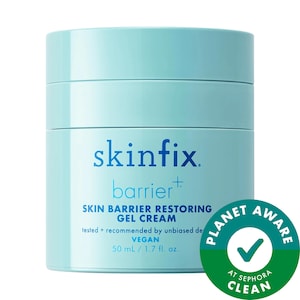
If you use a salicylic product, start slowly. Peace Out 2% Salicylic Acid Acne Gel Moisturizer is one acne-focused example, while Skinfix Barrier Restoring Gel Cream is more barrier-supportive for people who get dry or irritated.
What not to do
Avoid:
- squeezing deep lumps
- scrubbing with rough exfoliating gloves
- applying undiluted tea tree oil
- using facial retinoids aggressively on irritated buttock skin
- covering draining bumps without care instructions
- sitting in sweaty workout clothes for hours
- shaving over inflamed bumps
- ignoring recurring painful boils
The buttocks can scar. Treat the area with the same restraint you would use on your face.
Tracking patterns
Use Glass or a simple log to track:
- workout days
- clothing type
- shaving or waxing
- detergent changes
- itch versus pain
- drainage
- recurrence location
- sitting pressure
- whether marks remain
This helps separate "I got a bump once" from "I have a recurring inflammatory pattern." Those need different responses.
When to get care
See a clinician for:
- fever
- spreading redness
- severe pain
- pus drainage
- repeated boils
- scarring
- tunnels or connected lesions
- bumps near the anus with pain or drainage
- immunosuppression
- diabetes
- symptoms that do not improve
See a dermatologist if bumps keep coming back or if you suspect HS, chronic folliculitis, KP, or dermatitis.
Sitting pressure changes the plan
Buttock bumps have one extra problem: you sit on them. Pressure can keep a tender follicle irritated and can make deeper lumps hurt more. If you can, reduce pressure while the area calms. That might mean looser clothing, shorter sitting blocks, standing breaks, or avoiding cycling until painful bumps settle.
Do not use numbing creams to push through severe pain without knowing what the bump is. Pain is information. A deep painful lump that makes sitting hard deserves medical attention, especially if it is warm, growing, or draining.
Hygiene without over-cleaning
It is easy to respond to buttock bumps by scrubbing more. That can make things worse. The area needs sweat removal and clean clothing, not harsh punishment.
A balanced approach:
- cleanse after sweating
- rinse thoroughly
- dry well before dressing
- avoid rough scrubs
- avoid fragranced products if itchy
- moisturize dry rough skin
- wash towels and workout clothes
If the problem is KP or dermatitis, scrubbing can create more redness. If the problem is folliculitis, over-scrubbing can irritate follicles further.
What improvement should look like
Mild friction or follicle bumps should gradually become less tender, less red, and less raised once triggers are removed. KP may improve slowly and often does not vanish completely. Deep painful recurrent bumps are different; they should not be judged by the same timeline.
If a bump is worse each day, newly draining, or returning in the same fold areas, do not keep extending the home-care trial.
If marks linger after bumps
Buttock bumps often leave dark, red, or purple marks because the area keeps rubbing against clothing and seats while it heals. Marks are more likely after picking, shaving over bumps, or squeezing deep lesions.
To reduce new marks:
- stop reopening healing bumps
- reduce clothing friction
- avoid harsh scrubs
- treat recurring inflammation earlier
- moisturize rough or dry skin
- use sunscreen when the area is exposed
Do not try to bleach or peel irritated buttock skin aggressively. If marks are paired with dents, raised scars, drainage, or repeated painful lumps, a dermatologist should look at the pattern.
Why location matters
Bumps on the outer buttock, buttock crease, inner thigh, and near the anus can have different causes. A rough outer-buttock texture may behave like KP. Recurrent painful lumps in folds raise more concern for HS. Pain or drainage near the anus deserves medical care because it may not be a simple skin pimple.
Location is not a small detail. It is part of the diagnosis conversation.
Bottom line
Bumps on buttocks not pimples can come from follicles, friction, KP, ingrowns, dermatitis, boils, or HS. The location makes acne-like bumps common, but it also makes mislabeling common.
Reduce sweat and friction first. Keep the routine gentle. Do not squeeze deep lumps. Get medical care for painful, draining, spreading, recurrent, or scarring bumps. The right treatment depends on the real cause, not the fact that it looks like a pimple at first glance.