Cheek pimples are hard to hide.
They sit in the center of everything.
They catch light, hold onto marks, and make every routine decision feel more urgent than it probably is. The cheek area is also where people tend to overcorrect: more exfoliation, more spot treatment, more makeup removal, more new products, more pressure.
Sometimes the cheeks need treatment.
Sometimes they need fewer triggers.
The difference matters.
Quick answer
Pimples on cheeks can come from acne, clogged pores, irritating products, makeup, sunscreen residue, phone contact, pillowcases, hair products, masks, shaving, or deeper inflammatory acne. A simple routine with gentle cleansing, one acne active, moisturizer, and sunscreen is the best starting point for most mild cheek acne.
See a dermatologist if cheek pimples are painful, deep, scarring, widespread, sudden, or not improving after consistent care. Mayo Clinic’s acne treatment overview explains that acne care can include topical and oral medicines depending on the pattern and severity.
Cheek acne trigger table
| Image | Trigger area | What to check | Why it matters |
|---|---|---|---|
 | One cheek worse than the other | Phone, sleep side, hand contact | Asymmetry often points to contact triggers |
 | New cheek congestion | Sunscreen, foundation, moisturizer | Product changes can create new clogged patterns |
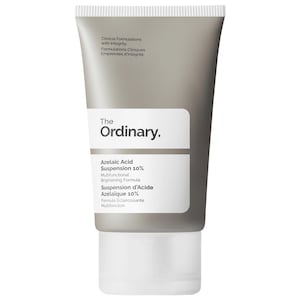 | Red marks and blemish-prone skin | Azelaic acid if tolerated | Can fit some redness and uneven-tone routines |
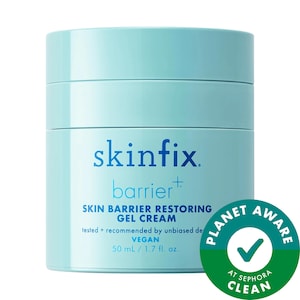 | Irritated acne-prone cheeks | Barrier moisturizer | Treatment works better when the barrier is calm |
Why cheeks break out
Cheeks are exposed to everything.
They touch phones, pillowcases, scarves, masks, hair, makeup brushes, sunscreen, and hands. They also tend to show irritation quickly because the skin can be more reactive than the oilier T-zone.
Cheek pimples may be:
- whiteheads
- blackheads
- inflamed papules
- pustules
- deeper nodules
- irritation bumps
- folliculitis-like bumps
- shaving or hair-removal bumps
The right plan depends on which one you are dealing with.
One cheek versus both cheeks
If one cheek is much worse, think contact.
Look at:
- which side you sleep on
- where your phone touches
- where your hand rests
- whether hair hits that cheek
- mask friction
- helmet straps
- pillowcase detergent
- makeup brush habits
Acne can still be uneven, but strong asymmetry is a clue.
Try cleaning the phone, changing pillowcases more often, washing brushes, and keeping hair products off the cheek. Do not change your entire routine at the same time.
Cheek pimples from products
Cheeks often react to products that are technically “skin care” but not right for your skin.
Common suspects:
- heavy sunscreen
- rich moisturizer
- facial oil
- fragranced serum
- foundation
- primer
- cleansing balm residue
- hair leave-in products
The fix is not always “use oil-free everything.” Some acne-prone skin is also dry. But if a product started shortly before cheek congestion, pause it and watch.
Use Glass product cards to keep a real record. Memory tends to protect the product you wanted to love.
Cheek pimples from irritation
Irritation bumps can look like acne, but the feeling is different.
You may notice:
- burning
- stinging
- tightness
- roughness
- redness
- sudden sensitivity
- breakouts after a new active
If that is the pattern, reduce actives. Do not keep exfoliating because the skin “feels bumpy.” A damaged barrier can create texture that looks like acne but behaves like irritation.
Cheek pimples and masks
Mask friction is still relevant for health care workers, travel, crowded indoor settings, and anyone who wears masks regularly.
The mask zone can trap heat, sweat, and product residue. It can also rub the same spots repeatedly.
Helpful moves:
- use a clean mask
- avoid heavy makeup under masks
- cleanse gently after long wear
- moisturize before friction-heavy days
- avoid applying strong actives right before mask wear
If mask-area bumps are itchy and uniform, ask whether folliculitis or irritation is involved.
A simple routine for cheek pimples
Morning:
- gentle cleanser or rinse
- lightweight moisturizer
- sunscreen
Night:
- gentle cleanser
- one acne treatment on planned nights
- moisturizer
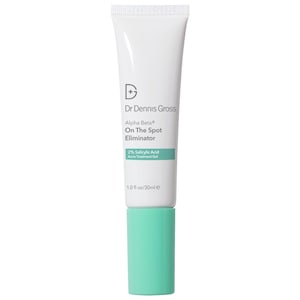
Good treatment lanes include salicylic acid for clogged pores, benzoyl peroxide for inflamed pimples, adapalene for longer-term acne prevention, and azelaic acid for blemish-prone skin with redness or uneven tone.
Pick one lane first.
Salicylic acid for cheek acne
Salicylic acid can help if cheek pimples come with blackheads, whiteheads, and congested texture.
But cheeks may be more sensitive than the nose or forehead. A daily leave-on acid can be too much for some people.
Start a few times weekly. Moisturize. Use sunscreen. Stop if you get burning or persistent peeling.
Benzoyl peroxide for inflamed pimples
Benzoyl peroxide can help inflamed acne, but it can dry and bleach fabric. If cheek acne is red and pimple-like, a low-strength wash or targeted treatment may be useful.
Be careful around sensitive cheeks. If you use it under makeup or masks, irritation can build.
Azelaic acid for marks and redness
Azelaic acid can fit some acne-prone routines, especially where redness, post-acne marks, or uneven tone are part of the problem.
It is not instant. It can also tingle or irritate some skin. Introduce it slowly and avoid stacking it with every other active at once.
The Ordinary Azelaic Acid is a simple example, but the best option depends on tolerance and whether you need prescription strength.
Picking and cheek marks
Cheeks are prone to visible post-acne marks.
Picking increases the risk. So does sun exposure. So does repeated irritation from too many treatments.
If you pick, use a patch when appropriate, cover mirrors during high-stress moments, or make a rule that you only touch your face with clean hands during your routine. It sounds small, but it can prevent months of marks.
When cheek pimples are deeper
Deep tender cheek bumps deserve more caution.
Do not squeeze them. Do not try to lance them. Do not press until they flatten. Deep acne can scar, and cheek scars are hard to ignore.
If you keep getting painful cheek nodules or cyst-like pimples, ask a dermatologist about prevention. Waiting until each bump becomes an emergency is not a strategy.
Red flags
See a clinician if pimples on cheeks are:
- painful and deep
- leaving scars
- rapidly worsening
- crusted or draining
- associated with fever or spreading redness
- sudden after starting medication
- itchy and uniform
- not improving after several months
- a non-healing sore or changing bump
If acne is affecting your mood or confidence, that is also worth bringing up. Skin distress is real.
If cheek marks last longer than pimples
For many people, the pimple is not the longest part of the problem.
The mark is.
Cheek pimples can leave red, purple, brown, or gray marks that linger after the bump is flat. These marks are common, especially after inflammation or picking. They are not always scars, but they can still be frustrating.
The first mark-care step is sunscreen. Without it, discoloration can hang around longer. The second step is avoiding repeated irritation. If you keep exfoliating the mark while the skin is still healing, you may create more redness.
Azelaic acid, retinoids, and other tone-supporting treatments may help some people, but introduce them carefully. If you have deeper skin tone, persistent discoloration, or true indented scars, a dermatologist can help you choose safer options.
If acne is mostly under makeup
Makeup can hide pimples, but it can also complicate the cheek routine.
Check whether bumps appear where foundation, primer, blush, bronzer, or setting spray sit the longest. Wash brushes and sponges. Remove makeup gently but thoroughly. Avoid sleeping in complexion products, even once, if your cheeks clog easily.
If you suspect makeup, pause the newest complexion product first. Do not throw out the whole routine. You want to learn which product or habit matters.
How long to give the plan
Mild cheek acne needs time.
Give a simple routine eight to twelve weeks if your skin is tolerating it. Take photos every two weeks in the same light. Look for fewer new pimples, shorter healing time, less tenderness, and fewer marks.
Change sooner if your skin is clearly getting worse, burning, swelling, or developing painful deep bumps. Patience is useful only when the plan is safe and sensible.
Bottom line
Pimples on cheeks need pattern recognition, not panic.
Check contact triggers, simplify products, use one acne active, moisturize, and protect marks from the sun. If pimples are deep, painful, scarring, or persistent, see a dermatologist. The cheeks are too visible to spend months guessing.
The cheek pattern I would map
Cheek breakouts often look random until you map contact. I would think about phone screens, pillowcases, makeup brushes, blush, sunscreen, masks, hair products, and where your hands rest during the day. I would not assume every cheek pimple means your whole routine is wrong. Sometimes the trigger is one repeated contact point. If both cheeks flare evenly, I would look harder at cleanser, moisturizer, sunscreen, and makeup. If one cheek is worse, I would check the side I sleep on, the phone side, and where hair touches the face. The pattern can save you from changing products that were never the issue.