Pimples on the buttocks are common, annoying, and usually talked about in the least helpful way possible.
People call it butt acne, but many bumps on the butt are not classic acne. They can be inflamed follicles, friction bumps, ingrown hairs, keratosis pilaris, irritation, heat rash, or deeper boils. That matters because the best fix is often less about facial acne routines and more about sweat, pressure, clothing, and follicle irritation.
The good news: mild buttock bumps often improve with practical changes. The caution: painful, recurring, draining, or boil-like bumps deserve medical care.
This guide is educational and conservative. It cannot diagnose your bumps, but it can help you stop making them worse.

Quick answer
Pimples on the buttocks are often folliculitis or friction-related bumps rather than classic facial acne. Sweat, tight clothing, sitting, shaving, occlusion, and bacteria around hair follicles can all contribute.
Start with breathable clothing, showering after sweat, avoiding picking, and using a gentle body routine. Consider benzoyl peroxide, salicylic acid, or sulfur-style cleansers carefully on external skin if tolerated. See a clinician for painful, recurring, spreading, draining, feverish, or scar-forming bumps.
Why butt bumps happen
The buttocks deal with pressure and friction all day. Sitting, workouts, leggings, underwear seams, cycling, sweat, and heat can irritate follicles. Hair follicles can become inflamed, clogged, or infected-looking.
Classic acne is driven by clogged pores, oil, dead skin, and inflammation. Folliculitis centers around hair follicles and can look like small red or pus-tipped bumps. On the buttocks, folliculitis and friction are common suspects.
That is why a face routine copied onto the butt often disappoints.
Common triggers
Look for these patterns:
- tight leggings or compression shorts
- sweaty clothes left on after workouts
- long sitting sessions
- cycling or rowing friction
- shaving or waxing
- heavy body oils or thick lotions
- occlusive underwear
- hot humid environments
- not rinsing body wash fully
- repeated picking or squeezing
If bumps sit exactly where fabric rubs or pressure lands, friction is part of the story.
Butt acne vs folliculitis
Butt acne is a casual phrase. True acne can happen, but folliculitis is often a better fit when bumps are centered on hair follicles, look uniform, itch, or flare after sweat and friction.
A few differences:
| Pattern | More acne-like | More folliculitis-like |
|---|---|---|
| Lesions | blackheads, whiteheads, varied pimples | similar small red or pus bumps |
| Trigger | oil, clogged pores, hormones | sweat, friction, shaving, microbes |
| Feel | tender clogged bumps | itchy, prickly, sore follicles |
| Location | can be broader | often follicle-centered |
The distinction is not always obvious without an exam. If it is painful, recurrent, or draining, get care.
First routine changes
Start with behavior before strong products.
- Change out of sweaty clothes quickly.
- Shower after workouts.
- Wear breathable underwear.
- Rotate out of tight leggings when possible.
- Avoid sitting in damp swimwear.
- Stop picking.
- Use a gentle body wash.
- Wash towels regularly.
- Avoid heavy oils on bump-prone areas.
These changes reduce the conditions that keep follicles irritated.
Where active cleansers fit
Active cleansers can help some buttock bumps, but they need contact time and patience.
Benzoyl peroxide washes can help acne-like and folliculitis-prone areas, but they can bleach towels and fabric. Salicylic acid can help clogged texture. Sulfur cleansers can help oily, blemish-prone skin but can be drying.
Use one active at a time. Apply, let it sit briefly if tolerated, rinse well, then moisturize if skin feels dry.
Do not apply strong acne treatments to broken skin, open sores, or genital mucosa.
Product examples
| Product | Possible use | Caution |
|---|---|---|
| Kate Somerville Sulfur Cleanser | Oily, blemish-prone body areas if tolerated | Can dry or irritate |
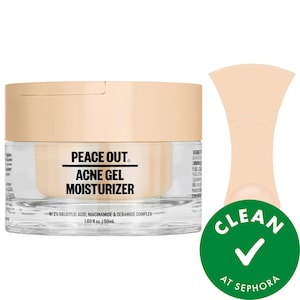
| Peace Out 2% Salicylic Gel Moisturizer | Blemish-prone external skin, not mucosal areas | Avoid freshly shaved or broken skin |
| Dr. Dennis Gross 2% Salicylic Acid Gel | Small external acne-prone zones | Not for widespread irritated skin |
Use Glass product pages to keep ingredient roles clear. More treatments do not automatically mean a better body routine.
Moisturizer still matters
People often skip moisturizer on buttock bumps because they assume all moisture is bad. Dry, irritated skin can get more inflamed, especially when friction is present.
Choose a lightweight, fragrance-free lotion if the area feels dry. Avoid thick greasy layers right before tight clothing or workouts. If bumps are itchy and rough rather than pus-tipped, keratosis pilaris or dermatitis could be part of the picture, and a different moisturizer strategy could help.
Shaving and waxing bumps
Hair removal can cause ingrowns and follicle irritation.
If bumps flare after shaving:
- pause shaving until skin calms
- use a sharp clean razor
- shave with the direction of hair growth
- avoid dry shaving
- do not shave over active bumps
- rinse well
- avoid tight clothing right after
Waxing can also trigger ingrowns. If hair removal keeps causing painful bumps, consider trimming or asking a dermatologist about options.
When it could be hidradenitis suppurativa
Recurring painful boils, deep nodules, drainage, tunnels, or scarring in the buttocks, groin, armpits, or under breasts can fit hidradenitis suppurativa. It is a chronic inflammatory condition and is not a hygiene failure.
HS often needs medical treatment. Do not keep treating recurring boil-like lumps as normal butt acne, especially if they drain or scar.
Red flags for clinician care
See a clinician for:
- severe pain
- rapidly spreading redness
- warmth or swelling
- pus or drainage
- fever
- large deep lumps
- recurrent boils
- scarring
- symptoms in groin folds too
- no improvement after several weeks of careful routine changes
- immune suppression or diabetes
A clinician can decide whether it is folliculitis, acne, cysts, HS, dermatitis, fungal involvement, or another issue.
What not to do
Do not pop buttock bumps. Do not scrub with rough exfoliating gloves. Do not use multiple acids daily. Do not sit in sweaty clothes to “dry out” the area. Do not apply facial retinoids over large body areas without guidance.
Avoid using occlusive bandages over widespread bumps unless directed. Trapped moisture and friction can worsen some patterns.
Tracking the pattern
Use a simple log:
- workout days
- clothing type
- shaving or waxing
- products used
- sitting or cycling time
- pain level
- drainage or no drainage
- improvement or worsening
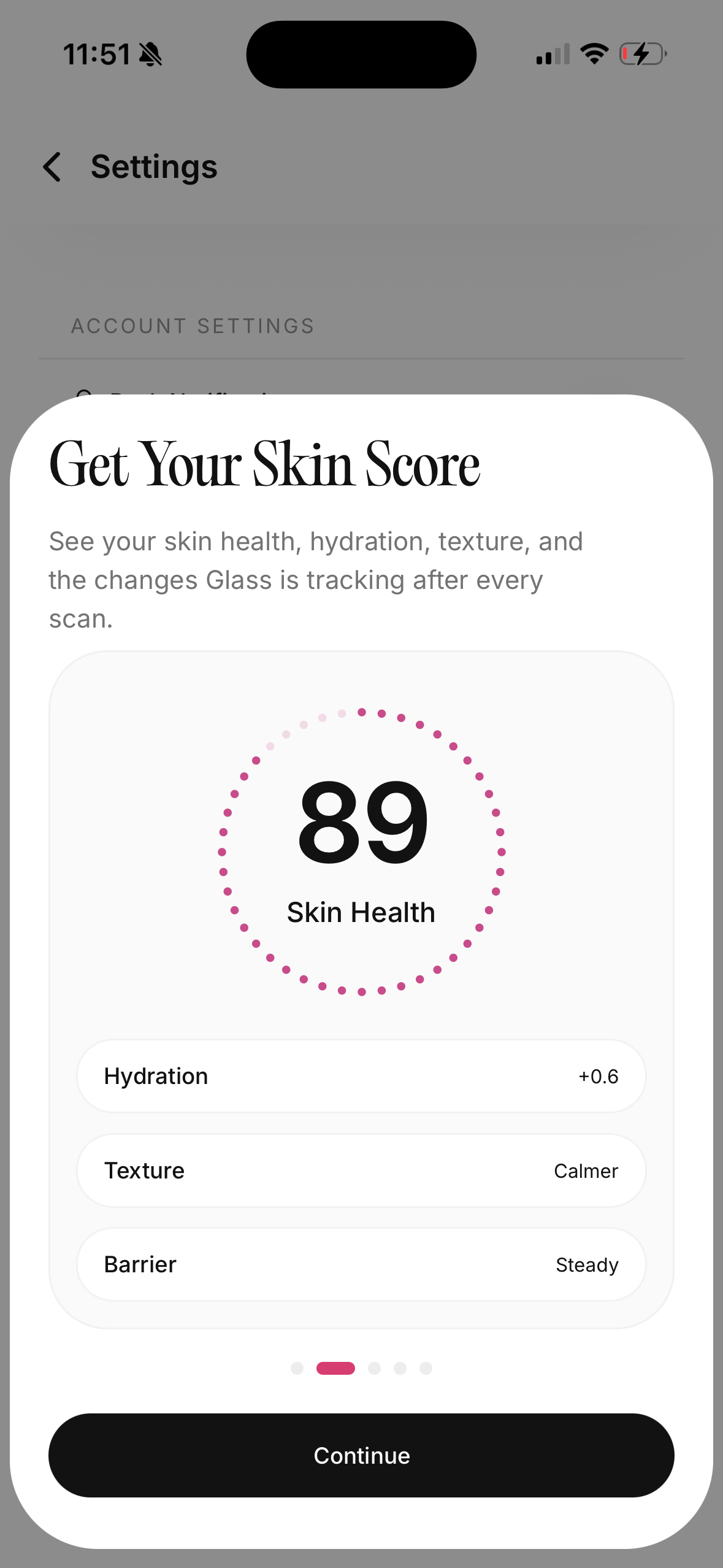
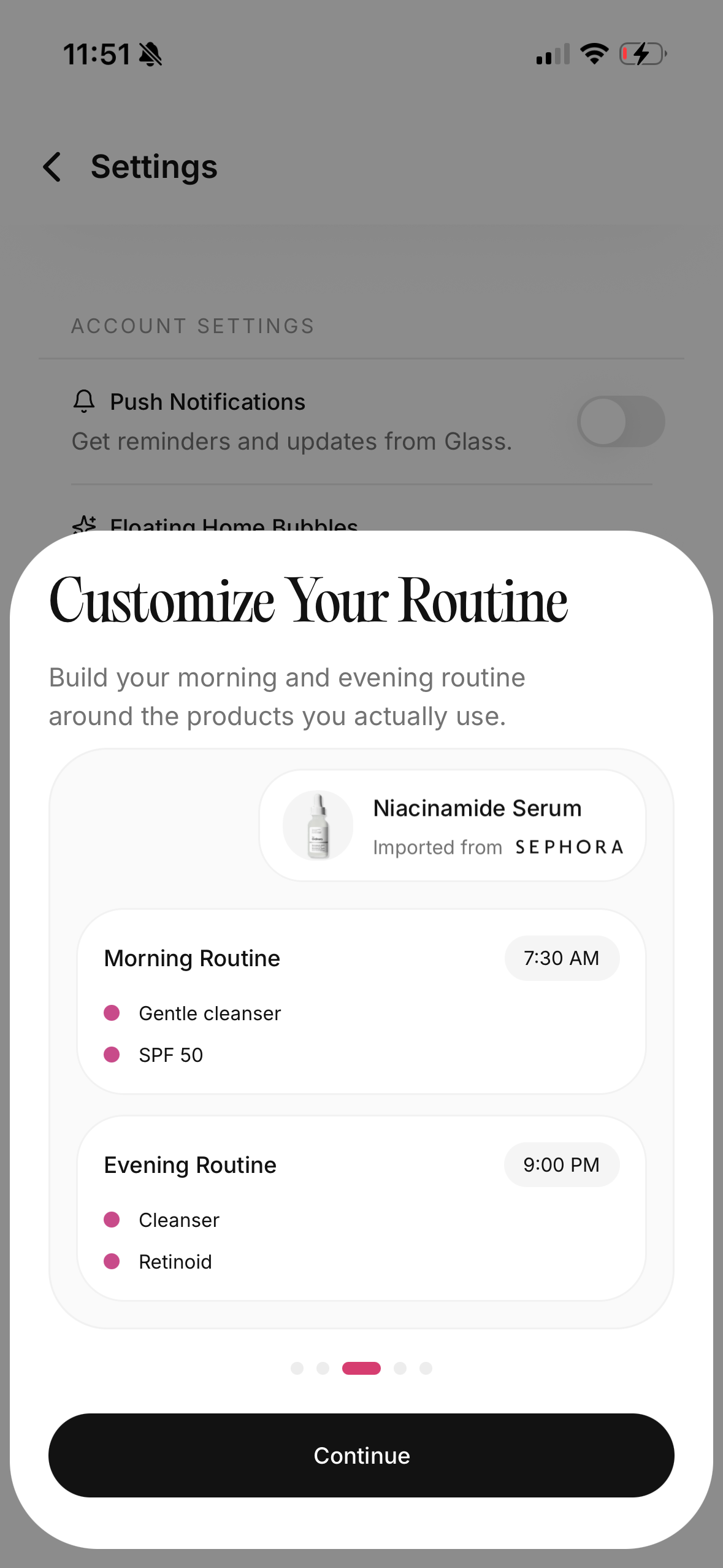
The Glass routine builder can help you keep product changes organized, but habits matter as much as products for body breakouts.
A realistic four-week reset
For four weeks, keep the plan consistent enough to learn from it.
Week one is friction control: breathable underwear, quick post-workout changes, no picking, and no shaving over bumps.
Week two is cleansing consistency: gentle body wash daily, active cleanser two or three times weekly if tolerated, and thorough rinsing.
Week three is fabric and pressure awareness: rotate workout gear, avoid sitting in damp clothes, and notice whether cycling, rowing, or long desk days flare the same areas.
Week four is review: fewer new bumps, less tenderness, and faster healing mean the plan is helping. More pain, drainage, or deep lumps mean it is time for medical guidance.
Why marks linger after bumps flatten
Buttock bumps often leave dark or red marks after the raised part settles. That does not always mean the breakout is still active. Post-inflammatory marks can last longer than the bump, especially when there was picking, friction, or deeper inflammation.
The best mark prevention is preventing new inflammation: less squeezing, less rubbing, and fewer irritated follicles. Sunscreen is not always practical under clothing, but reducing friction and picking still matters.
Do not attack marks with strong peels while bumps are active. Calm skin first, then consider tone-focused body care if needed.
Sitting, workouts, and daily life
You do not need to stop exercising or sitting. You need better transitions. Change quickly after sweat, shower when possible, and avoid rewearing tight sweaty gear.
For desk days, breathable clothing can help. For cycling, check saddle fit and clothing seams. For lifting or studio classes, notice whether certain leggings trap heat. The goal is not perfection; it is fewer repeated irritants on the same follicles.
If bumps itch more than hurt
Itchy buttock bumps can still be follicle irritation, but itch also raises the possibility of dermatitis, yeast-related irritation, heat rash, or fabric sensitivity. Do not keep adding acne acids if the main symptom is burning or itching across a broader patch.
Look at detergents, fabric softener, synthetic tight clothing, sweaty gear, and body fragrance. If the area is rashy, spreading, or intensely itchy, a clinician can help sort out whether acne treatment is even the right lane.
If bumps are deep and boil-like
Deep painful lumps are different from small surface bumps. If they recur, drain, scar, or appear in skin-fold areas, get medical care. Recurrent boil-like lesions can need a diagnosis-specific plan, and early treatment can reduce scarring.
Bottom line
Pimples on the buttocks are often about follicles, friction, sweat, and pressure. Start with cleaner contact habits, breathable clothing, showering after sweat, and fewer irritants.
Active body products can help, but use one at a time and avoid broken or sensitive tissue.
Painful, recurring, draining, spreading, feverish, or scar-forming bumps deserve clinician care. Butt bumps are common. They still deserve careful treatment.