Period pimples can feel unfairly punctual.
Your skin is calm.
Then the same chin spot, jawline bump, or tender cheek pimple appears right before bleeding starts. You treat it like a random breakout, but the timing keeps repeating. That pattern matters.
Period pimples are usually not about dirty skin. They are more often a mix of hormone shifts, oilier follicles, inflammation, stress, sleep changes, product choices, and the way your skin responds in the late cycle. The goal is not to punish your face once a month. The goal is to notice the pattern early enough that your routine can support your skin before the flare peaks.
Quick answer
Period pimples are breakouts that flare around the menstrual cycle, often in the week before a period. They commonly show up on the chin, jawline, lower cheeks, neck, chest, or back, but they can happen anywhere acne-prone follicles are already reactive.
The most useful 2026 approach is prevention timing: keep the barrier steady all month, track when pimples start, avoid last-minute over-treatment, and discuss persistent, painful, scarring, or irregular-cycle-related acne with a clinician. If acne is severe or tied to symptoms like irregular periods, excess facial hair, sudden changes, or deep cysts, it deserves medical evaluation.
Period pimple planning table
| Pattern | What it can mean | First move |
|---|---|---|
| Same chin bumps before bleeding | Cycle-linked acne pattern | Track timing for two to three cycles |
| Deep tender jawline lumps | Inflammatory acne that may scar | Avoid squeezing and consider dermatologist care |
| Small surface whiteheads | Clogged pores plus oil shift | Use gentle acne care before the usual flare window |
| Burning, peeling, tightness | Barrier irritation from over-treatment | Reduce actives and rebuild comfort |
| Sudden severe acne | Possible medication, hormone, or health change | Book clinician evaluation |
Why period pimples happen
Acne forms when follicles become clogged with oil and dead skin cells, then inflammation develops. Bacteria that normally live on skin can contribute, but acne is not simply a hygiene problem.
Around a menstrual cycle, hormone changes can influence oil production and inflammation. Some people notice more shine, heavier-feeling pores, or tender bumps before their period. Others only see a few whiteheads. The same hormone shift can look different on different faces because genetics, stress, sleep, products, and skin barrier health all change the final result.
That is why two people can have the same cycle timing and completely different acne patterns. One gets one sore chin pimple. Another gets clustered pustules. Another gets deep nodules that need prescription care.
Where period pimples usually show up
The lower face gets most of the attention, but period pimples are not limited to the jawline.
Common areas include:
- chin
- jawline
- lower cheeks
- neck
- hairline
- chest
- shoulders
- upper back
Location alone does not prove a hormonal cause. A chin pimple can come from acne, a lip balm, mask friction, picking, or a heavy moisturizer. But when the same location flares on the same cycle schedule, the timing becomes useful evidence.
What I track before changing products
I would not start by buying five new treatments. I would start by tracking the pattern.
For each flare, note:
- the day bumps first appear
- where they show up
- whether they are deep, itchy, painful, or surface-level
- whether they leave dark marks
- what products changed in the week before
- sleep, stress, travel, and workouts
- whether the cycle was early, late, or unusual
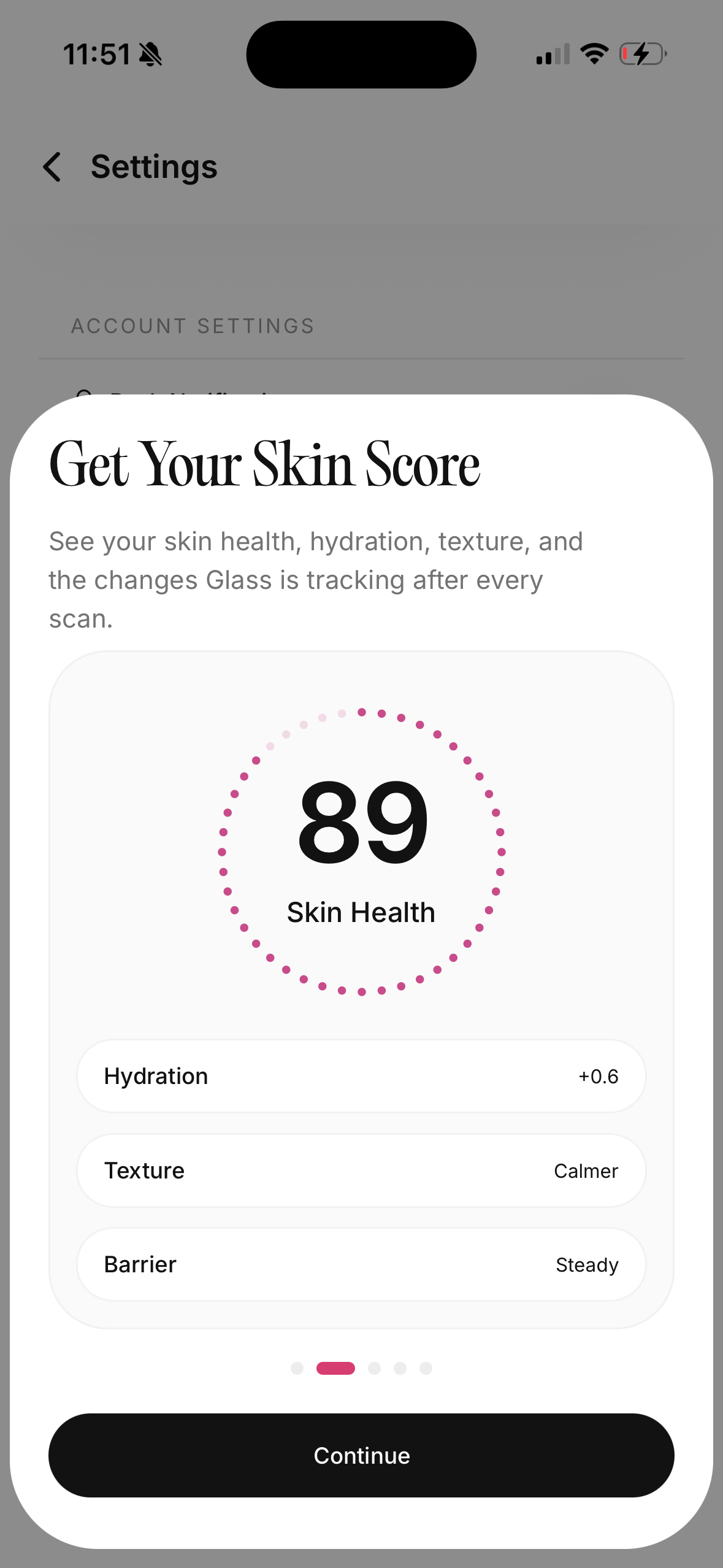
This is where a routine tracker helps. Glass can keep product changes, skin photos, and routine timing in one place, so the pimple does not get treated as a mystery every month. A single month can mislead you. Two or three cycles are more useful.
Build the routine before the flare
The mistake I see with period pimples is waiting until the bump is already swollen, then attacking it.
A better plan is to prepare gently before the usual flare window. If pimples usually begin five days before bleeding, make the routine boring and consistent seven to ten days before. That does not mean using harsher products. It means removing chaos.
Keep the basics steady:
- gentle cleanser
- lightweight non-comedogenic moisturizer
- daily sunscreen
- one acne-supporting active if your skin tolerates it
- fewer experimental masks, scrubs, oils, and strong acids
If you already use a prescription, follow the directions from your clinician. Do not double it without guidance just because your period is coming.
Ingredients that may help
Over-the-counter acne ingredients can help some period pimples, especially when used consistently and tolerated well.
Options people often discuss with acne-prone skin include:
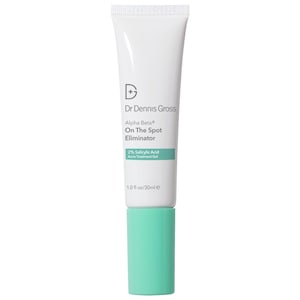
- salicylic acid for oilier clogged pores
- benzoyl peroxide for inflamed acne-prone areas
- adapalene for comedones and prevention
- azelaic acid for redness-prone or mark-prone skin
- sulfur as a short-contact option for oily areas
These are not instant fixes. They can also irritate skin if stacked too aggressively. If your skin is sensitive, start lower and slower. If you are pregnant, trying to become pregnant, nursing, or using prescription medications, check with a clinician before using retinoids or stronger acne treatments.
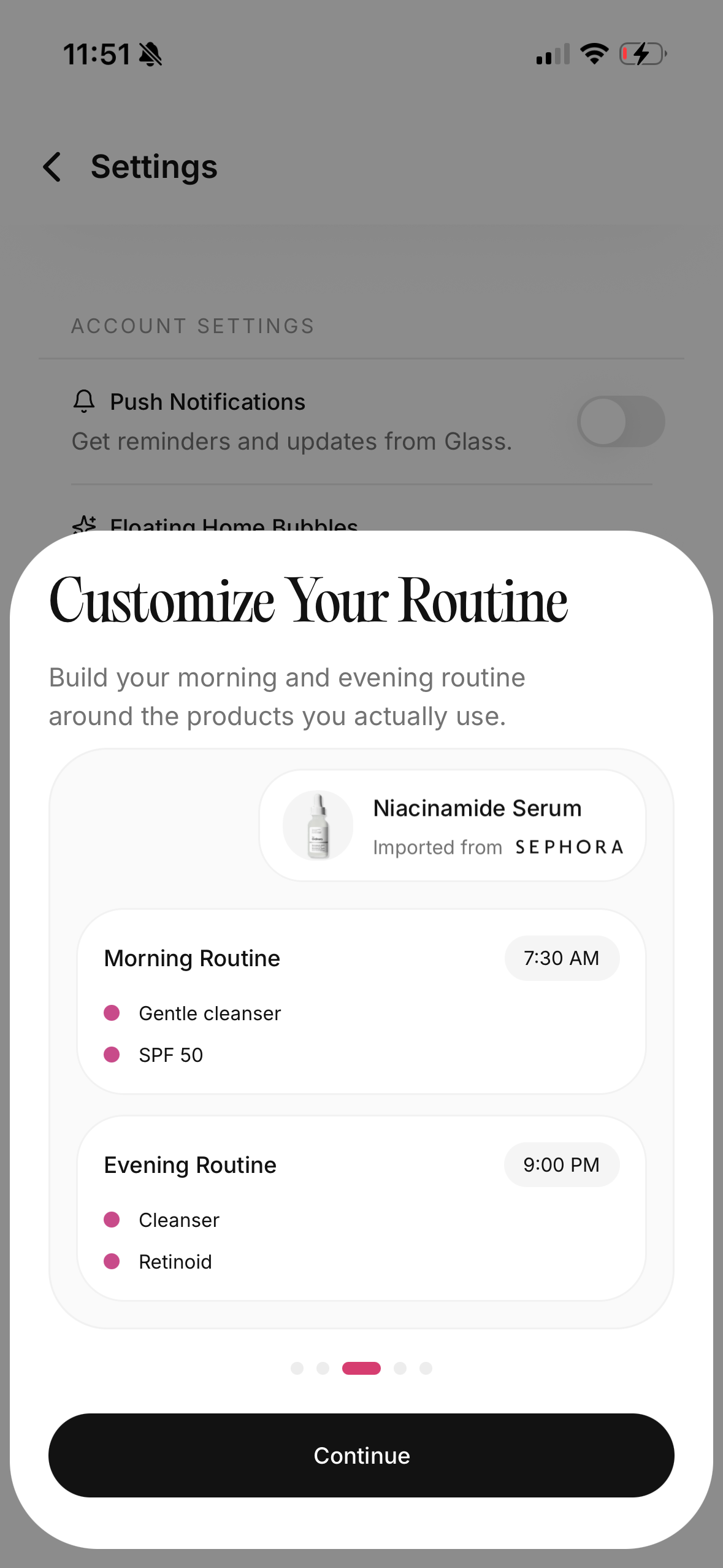
For a simple product comparison workflow, the Glass product card format can help you look at ingredients and fit before adding another active.
Spot treatment without making it worse
When a period pimple appears, the first question is whether it is a surface pimple or a deep lump.
For a surface pustule or clogged pore, a small amount of a tolerated acne treatment may help. For a deep tender bump, repeated spot treatment may only dry the surface while the inflammation stays underneath.
Useful rules:
- apply treatment only where needed
- avoid layering multiple drying products on the same spot
- moisturize the surrounding skin
- stop if burning, swelling, or rash develops
- do not pick until it bleeds
If the pimple is deep and painful, a dermatologist may offer options that work faster and with less scarring risk than bathroom squeezing.
What not to do
Do not scrub harder because the breakout arrived on schedule.
Do not use an exfoliating toner, a clay mask, a retinoid, a benzoyl peroxide wash, and a drying spot treatment all at once if your skin is not used to that. Irritated skin can look more red, more bumpy, and more inflamed, which makes the flare feel worse.
Also avoid using toothpaste, rubbing alcohol, lemon juice, or other harsh home fixes. They can burn or irritate the skin without addressing the acne process.
Period pimples are already inflamed. Your routine should lower friction, not add more.
When it might be more than normal cycle acne
Cycle-linked pimples are common, but some patterns deserve medical care.
Book a clinician or dermatologist visit if you have:
- deep painful nodules or cyst-like bumps
- acne that scars or leaves persistent marks
- sudden severe acne
- acne with irregular periods
- acne with new facial hair growth or scalp hair thinning
- acne that began after a new medication
- widespread chest or back acne
- painful boils in skin folds
- signs of infection, such as rapidly spreading redness, fever, warmth, or drainage
Hormonal acne can overlap with broader health patterns. A clinician can decide whether prescriptions, hormone evaluation, or another diagnosis should be considered.
Period pimples versus other bumps
Not every recurring bump is acne.
Around the cycle, some people also notice:
- folliculitis after workouts or tight clothing
- irritation from pads, liners, or adhesives
- perioral dermatitis around the mouth
- cold sores near the lip
- ingrown hairs from waxing or shaving
- hidradenitis suppurativa in skin folds
If bumps are itchy, very uniform, blistered, ulcerated, or located in skin folds with draining tunnels, do not force an acne routine onto them. Get medical advice.
Makeup and sunscreen during a flare
You do not have to stop makeup when period pimples appear, but product texture matters.
Choose lighter, non-comedogenic formulas when you can. Remove makeup gently at night. Avoid repeatedly touching concealer wands to inflamed pimples, and wash brushes or sponges regularly.
Sunscreen still matters, especially if pimples leave dark marks. Darker marks can hang around longer when inflammation and sun exposure stack together. If sunscreen stings during a flare, switch to a gentler formula rather than skipping it entirely.
Food, stress, and sleep
Food does not cause every period pimple, and blaming one snack rarely helps.
Still, the late-cycle window can come with cravings, less sleep, more stress, and more inflammation. Some people notice acne changes with high-glycemic eating patterns or certain dairy intake. Others notice no clear connection.
The most practical approach is observation, not obsession. If a pattern is obvious across several cycles, adjust gently. If tracking food makes you anxious or restrictive, step back and focus on routine consistency, sleep, and clinician guidance.
A simple 2026 routine map
Here is a conservative plan I would use as a starting structure, not a prescription.
Morning:
- Gentle cleanse or rinse.
- Lightweight moisturizer.
- Sunscreen.
- Optional acne active only if already tolerated.
Night:
- Remove makeup and sunscreen gently.
- Cleanse.
- Use the acne treatment you already tolerate.
- Moisturize.
Before usual flare window:
- Avoid new experiments.
- Keep pillowcases and phone surfaces clean.
- Use acne actives consistently, not aggressively.
- Track changes in Glass so you can compare the next cycle.
How long to give a plan
One cycle is information. It is not a final verdict.
Many acne routines need eight to twelve weeks to show meaningful prevention, and prescription plans can take time too. Period pimples can still appear while the overall pattern improves. The useful question is whether bumps are fewer, smaller, less painful, shorter-lived, or leaving fewer marks.
If the answer is no after a fair trial, or if the acne is painful and scarring, do not keep escalating over-the-counter products forever. That is a good moment to involve a dermatologist.
Bottom line
Period pimples are real, but they are not random punishment and they are not a sign that your skin is dirty.
Track the timing. Keep the barrier steady. Treat early, gently, and consistently. Avoid picking deep bumps. Get medical care for painful, scarring, sudden, infected, or hormone-symptom-linked acne.
The win is not perfect skin every cycle. The win is knowing your pattern well enough that you stop panicking and start planning.