These two look closer than they feel.
Origins A Perfect World SPF 40 Age-Defense Moisturizer with White Tea and Biossance Daily Hydration Mineral Face Sunscreen SPF 50 + Squalane both sit in the “I want sunscreen that feels like skincare” lane. Both are more interesting than a chalky beach sunscreen. Both are trying to make daily protection easier to repeat.
But I would not shop them as simple substitutes.
Origins is the more classic moisturizer-with-SPF choice. It is oil-free, antioxidant-led, and built around a soft daily moisturizer idea with chemical UV filters. Biossance is the more modern mineral sunscreen choice. It uses zinc oxide and titanium dioxide, adds hyaluronic acid, phytoglycogen, allantoin, and squalane, and feels more like a dedicated face sunscreen that also wants to hydrate.
That makes the real decision pretty clear: choose Origins if you want a moisturizer that happens to bring SPF 40 into a familiar morning cream step. Choose Biossance if you want a dedicated mineral SPF 50 that still feels comfortable enough for dry or normal skin.
Product pages: Origins A Perfect World SPF 40 Age-Defense Moisturizer with White Tea and Biossance Daily Hydration Mineral Face Sunscreen SPF 50 + Squalane.
| Product | Image | My read |
|---|---|---|
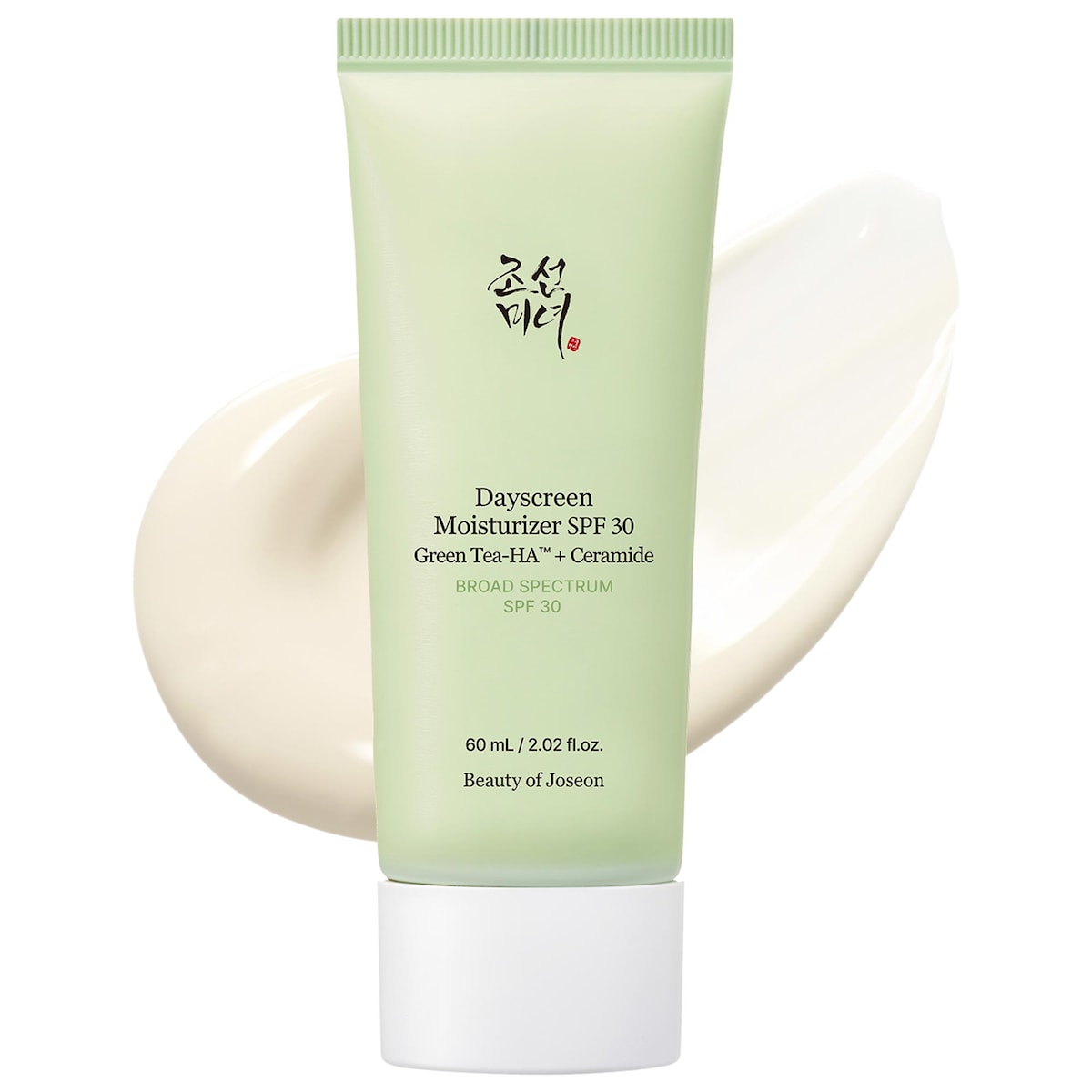
| Origins A Perfect World SPF 40 Age-Defense Moisturizer with White Tea | 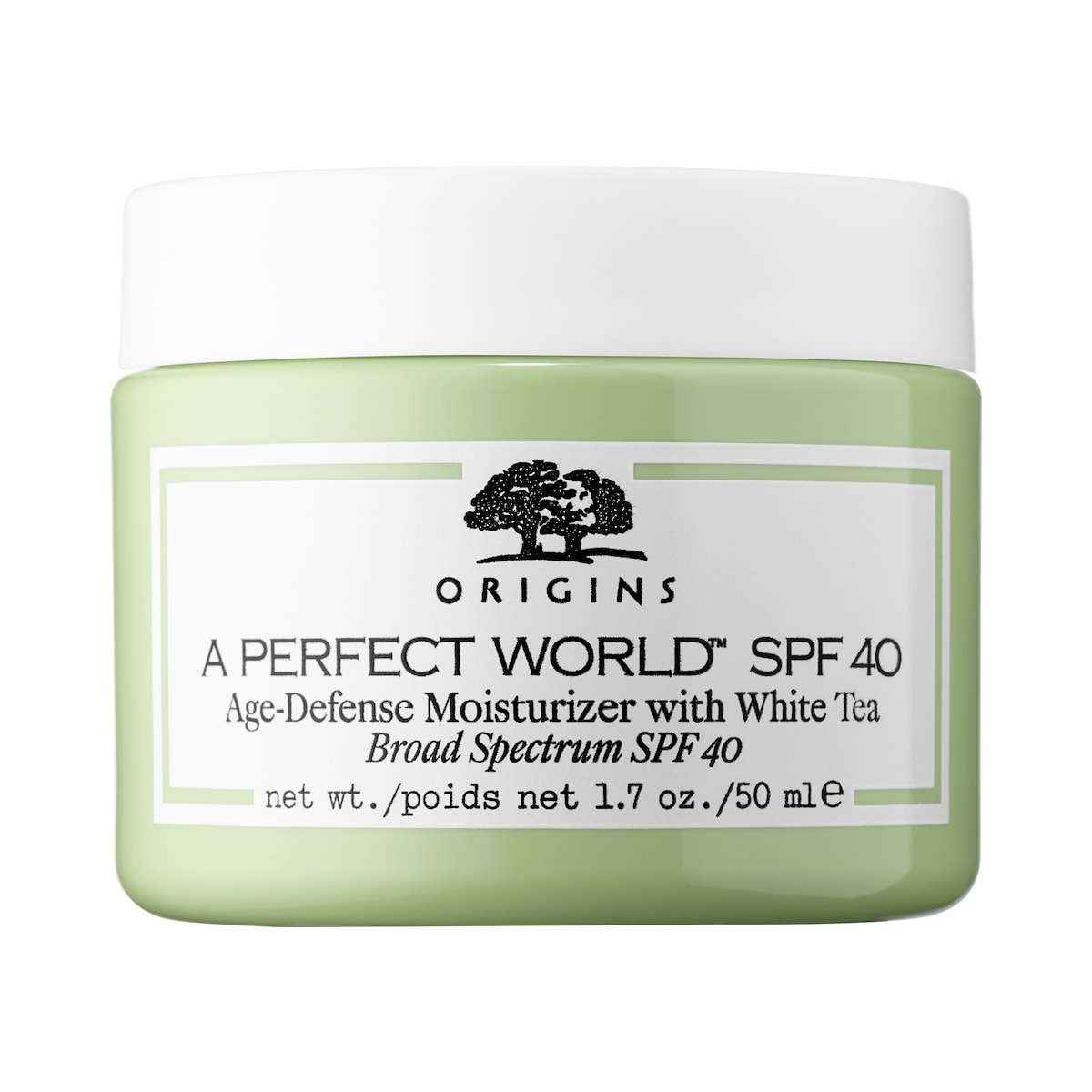 | The classic antioxidant moisturizer-SPF for people who want one polished morning cream. |
| Biossance Daily Hydration Mineral Face Sunscreen SPF 50 + Squalane | 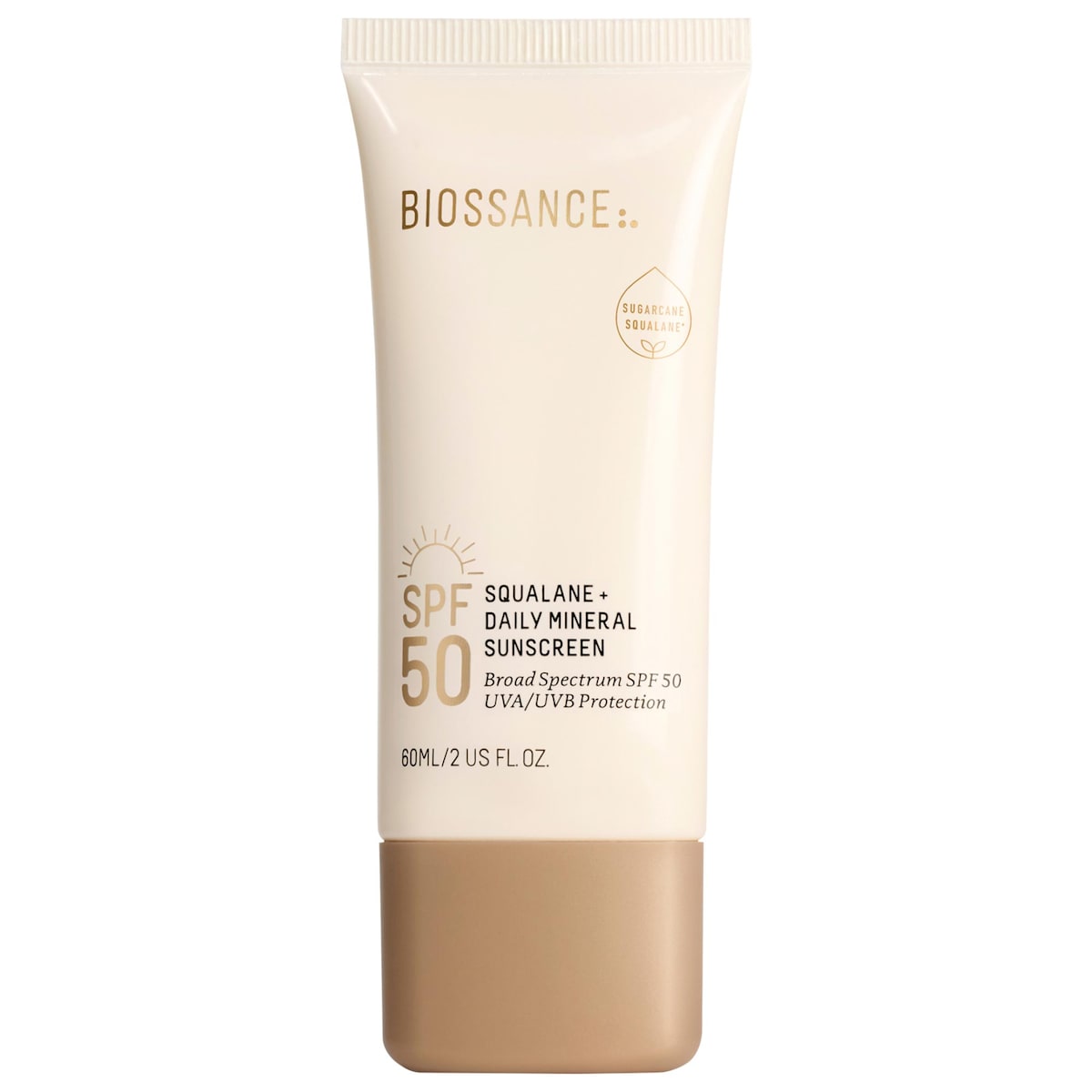 | The dedicated mineral SPF 50 for people who want hydration, comfort, and a more sunscreen-first product. |
Fast answer
I would choose Origins A Perfect World SPF 40 if my morning routine already feels too long and I want one cream that hydrates, gives antioxidant support, and gets me into SPF without another separate step. It makes the most sense for normal, combination, and dry skin that likes an oil-free moisturizer feel and does not mind fragrance or essential-oil notes.
I would choose Biossance Daily Hydration Mineral SPF 50 if my priority is a dedicated mineral sunscreen with a higher SPF number and a more modern hydration story. It makes more sense if I care about zinc and titanium filters, want a face sunscreen that can sit over moisturizer, or know my skin prefers squalane and soothing ingredients.
If I were buying for a low-friction office morning, I would look at Origins first. If I were buying for a real sunscreen slot, especially with more outdoor time, I would look at Biossance first.
The biggest split is moisturizer-first versus sunscreen-first
Origins reads like a moisturizer first.
That is not an insult. It is the reason someone would buy it. The product name leads with “Age-Defense Moisturizer,” not invisible sunscreen, mineral shield, or sport protection. It is trying to make the SPF step feel like skincare, especially for people who want brightness, environmental protection, and a smoother morning routine.
Biossance reads like a sunscreen first.
The SPF 50 is right there. The mineral filter story is clear. The formula still has hydrating ingredients, but the product’s identity is more protective than decorative. I would expect the buyer to be more sunscreen-literate: someone who cares about filter type, outdoor exposure, and whether the product is really doing the SPF job.
That distinction matters because the biggest sunscreen mistake is not buying the “wrong” formula. It is asking one formula to do the wrong job.
Filter type changes the whole experience
Origins uses chemical sunscreen filters including avobenzone, homosalate, octinoxate, octisalate, and octocrylene. In practice, that usually means a more transparent finish and less mineral cast risk. It can feel more like a regular moisturizer because the UV filters are not visible mineral powders sitting on the skin.
Biossance uses mineral filters: zinc oxide and titanium dioxide. Mineral sunscreens can be more appealing if you prefer that filter category, but they can also be trickier on deeper skin tones or around facial hair depending on how the formula disperses. Biossance is clearly trying to make that mineral experience feel smoother and more hydrating, but it is still a mineral SPF.
So the filter decision is partly practical.
If white cast is your top fear, Origins has the safer formula logic. If mineral filters are the point, Biossance is the only real option between these two.
Texture and finish
Origins sounds like it should feel like an oil-free moisturizer with a polished sunscreen finish. I would expect more of a cream-lotion feel than a serum-light sunscreen. The presence of glycerin and butylene glycol supports the moisture angle, while the oil-free positioning keeps it from sounding like a heavy balm.
Biossance sounds more like a weightless sunscreen cream. The brand describes it around hydration, hyaluronic acid, phytoglycogen, allantoin, and squalane, which puts it in that comfortable mineral SPF lane rather than a matte, drying one.
The key is what finish you are trying to avoid.
If you hate sunscreen that looks chalky, Origins has the simpler path. If you hate sunscreen that feels dry or flat, Biossance has a better ingredient story. If you hate anything that feels like another layer, neither may be perfect, and you may want something closer to Supergoop Unseen or a watery Korean sunscreen.
Under makeup
Origins is the one I would test first under light makeup if I wanted fewer steps. It can behave like the morning cream, then makeup goes over it. That makes sense with concealer, skin tint, cream blush, and a softer everyday base.
Biossance can also work under makeup, but I would treat it as sunscreen over skincare, not the moisturizer replacement by default. If your skin is dry, I would still use a light moisturizer underneath, let it settle, then apply Biossance generously enough to count as sunscreen.
The danger with moisturizer-SPF products is underapplying. People use a moisturizer amount because the product feels like moisturizer. That is not enough for real sunscreen behavior. If I were using Origins under makeup, I would be careful to apply a proper amount and let it settle before judging the finish.
For makeup days, my split would be:
- Origins if I want a shorter, more polished routine.
- Biossance if SPF performance and mineral filters matter more than speed.
For dry skin
Dry skin may like both, but for different reasons.
Origins can work if dry skin wants a cream step and does not want a separate sunscreen. The formula is oil-free, though, so I would not assume it is enough for very dry or compromised skin. It may be more “comfortable daily moisturizer” than “winter rescue cream.”
Biossance has the stronger dry-skin sunscreen story because it includes squalane, hyaluronic acid, phytoglycogen, and allantoin. Those are all comfort cues. It is still sunscreen, not a night cream, but it sounds better built for skin that wants cushion from the SPF step.
If my skin were dry from retinoids or weather, I would put a gentle moisturizer under Biossance. If my skin were just normal-dry and I wanted the morning routine shorter, I would test Origins by itself first.
For oily and combination skin
Origins being oil-free makes it more interesting for combination skin. It gives you a moisturizer-SPF format without sounding heavy. If your cheeks need moisture but your T-zone gets shiny, this could be the kind of product that keeps the morning routine simple without adding a rich cream.
Biossance may still work for combination skin, but squalane plus mineral filters can feel like more product. Some people will love that comfortable finish. Others will feel it by noon.
For oily skin, I would be more cautious with both. Origins is oil-free, so it gets the first test if you want one step. Biossance gets the first test only if you specifically want mineral SPF and know your skin handles hydrating sunscreens well.
Fragrance and sensitivity
This is where Origins becomes more specific.
The Origins ingredient list includes fragrant essential oil components like bergamot, lemon peel, orange, camphor, and mint-related ingredients. Some people enjoy that sensorial Origins feel. Some people absolutely do not. If your skin is reactive, easily flushed, or currently barrier-damaged, I would not ignore that.
Biossance reads calmer for sensitivity because the product is positioned around mineral filters, hydration, and soothing support. That does not guarantee your skin will love it, but it gives me more confidence for someone who wants less fragrance drama.
If you already know fragrance is a problem, Biossance is the safer direction.
Price and value
Origins is listed at $58 in the local product data. Biossance is listed at $36.
That makes the value conversation surprisingly direct. Origins has to win because you love the moisturizer-SPF experience and will actually use it. Biossance is less expensive, has SPF 50, and brings a strong hydration/mineral sunscreen pitch.
I do not think the cheaper product automatically wins, but Biossance has a cleaner value argument if your main goal is sunscreen. Origins has a cleaner value argument only if it replaces a separate daytime moisturizer and makes the routine easier to repeat.
The real waste is buying the one that sounds more impressive and then applying too little, disliking the finish, or skipping it whenever you are rushed.
How I would use each one
With Origins, I would keep the morning routine simple:
- Gentle cleanse or rinse.
- Hydrating serum only if needed.
- Origins A Perfect World SPF 40 in a generous sunscreen amount.
- Makeup after it settles.
With Biossance, I would build around the sunscreen:
- Gentle cleanse or rinse.
- Light moisturizer if the skin needs comfort.
- Biossance SPF 50 as the dedicated sunscreen layer.
- Makeup only after the mineral finish settles.
I would not layer both. That is not a better routine. That is just more product.
Choose Origins if
Choose Origins A Perfect World SPF 40 if:
- You want one morning moisturizer-SPF step.
- You prefer chemical sunscreen filters for a more transparent finish.
- You like an oil-free moisturizer feel.
- You want antioxidant skincare energy in your SPF step.
- You are not sensitive to fragrance or essential oils.
- You mostly need an everyday workday sunscreen habit.
This is the more classic, polished, routine-shortening option.
Choose Biossance if
Choose Biossance Daily Hydration Mineral SPF 50 if:
- You want a dedicated face sunscreen.
- You prefer mineral filters.
- You want SPF 50 instead of SPF 40.
- Your skin likes squalane and hydrating support.
- You are trying to avoid fragrance-heavy sunscreen moisturizers.
- You want better value for a sunscreen-first product.
This is the more practical sunscreen-first option.
Bottom line
Origins A Perfect World SPF 40 Age-Defense Moisturizer with White Tea is better if you want sunscreen to feel like a polished moisturizer and you know you will use it generously enough. It is the easier one-step morning product.
Biossance Daily Hydration Mineral Face Sunscreen SPF 50 + Squalane is better if you want a dedicated mineral sunscreen with more comfort than the average mineral SPF. It is the stronger sunscreen-first buy, especially for the price.
My personal rule is simple. If I am solving morning routine friction, I look at Origins. If I am solving sunscreen performance and comfort, I look at Biossance.
FAQ
Is Origins A Perfect World SPF 40 a sunscreen or moisturizer?
It is best understood as a moisturizer with SPF. I would still apply it like sunscreen, meaning enough product and reapplication when needed.
Is Biossance better for sensitive skin?
I would test Biossance first for fragrance-sensitive skin because the Origins formula has more fragrant essential-oil cues. Sensitive skin still needs a patch test either way.
Which one is better for outdoor days?
Biossance is the stronger outdoor-day pick because it is a dedicated SPF 50 sunscreen. Origins makes more sense for lower-friction daily mornings.