
The mistake is using it like a tiny moisturizer.
Origins A Perfect World SPF 40 Age-Defense Moisturizer with White Tea only makes sense if you let it be the morning step. Not one of six morning steps. Not a little dab after serum, cream, primer, and wishful thinking. The step.
That is where moisturizer-SPF products either become useful or disappointing.
If you apply too little, you are not getting the sunscreen logic you bought it for. If you layer too much underneath, it can feel heavy or start to pill. If you treat it like a night cream, you miss the point entirely.
The better way is simpler: build the routine around it.
| Product | Image | Best routine role |
|---|---|---|
| Origins A Perfect World SPF 40 Age-Defense Moisturizer with White Tea | 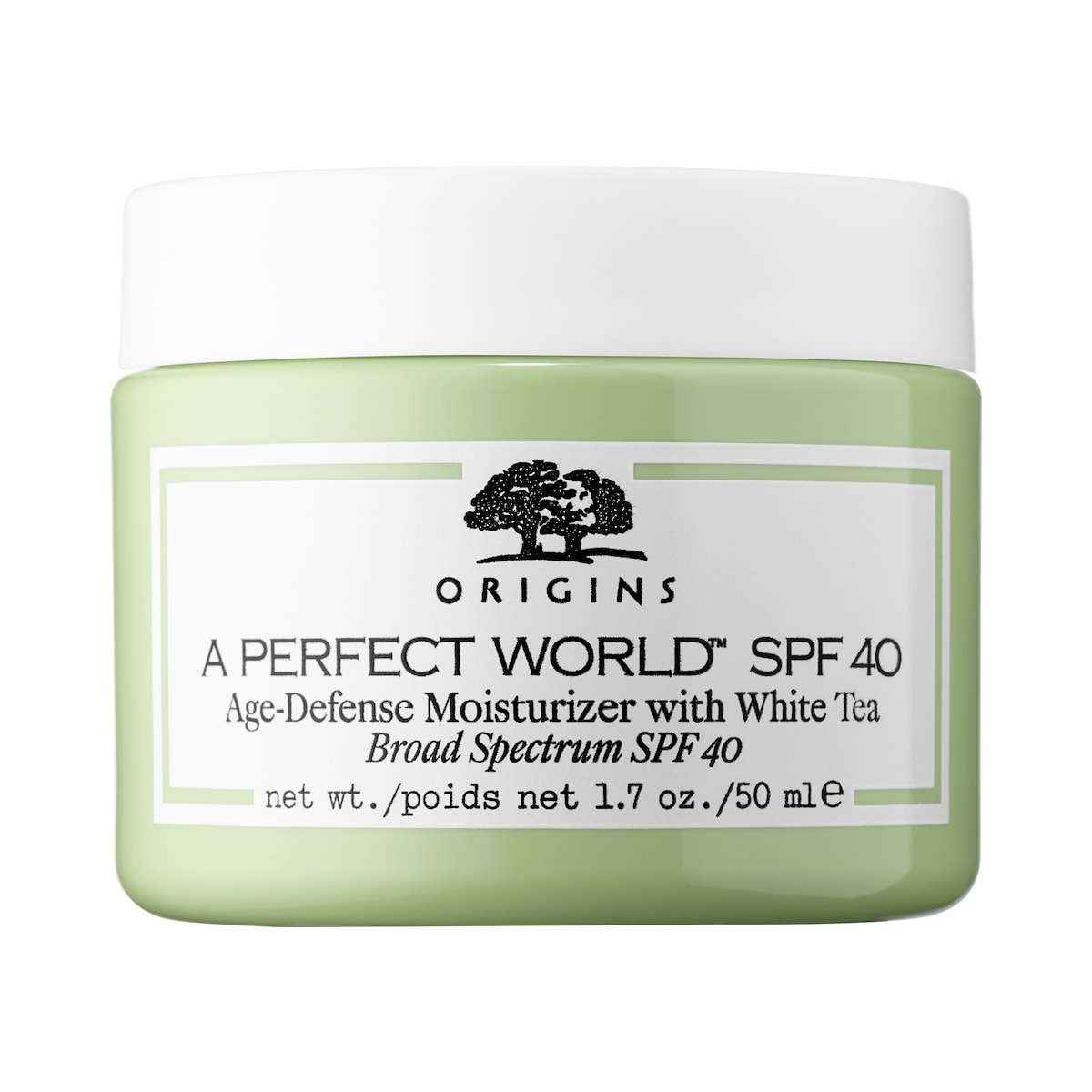 | Last morning skincare step when you want moisturizer and SPF in one oil-free cream. |
Fast answer
I would use Origins A Perfect World SPF 40 after a gentle cleanse and, at most, one lightweight hydrating serum. I would skip a separate rich moisturizer unless my skin truly needs it, apply enough of the Origins to count as sunscreen, give it time to settle, then put makeup on top if needed.
The routine should feel boring:
- Cleanse or rinse.
- Optional light serum.
- Origins SPF 40.
- Makeup.
That is the whole point. If the routine becomes more complicated than that, I would rather use a separate moisturizer and dedicated sunscreen.
Why pilling happens
Pilling usually happens when too many layers compete on the surface of the skin. It is not always one product’s fault.
With a moisturizer-SPF, the risk goes up because the product is already doing multiple jobs. It has moisturizing ingredients, sunscreen filters, texture ingredients, and a finish. If you put it over a sticky serum, a heavy cream, and a silicone primer, you are asking a lot from one final layer.
The skin can only hold so much product before the top layer starts rolling up.
That is why I would not judge Origins from a messy routine. I would test it in a clean routine first.
Start with less underneath
The easiest fix is to remove one layer before blaming the SPF.
If you normally use toner, essence, serum, moisturizer, SPF, and primer, I would cut that down for the first test:
- cleanser or water rinse
- one serum if needed
- Origins
That gives you a cleaner read. If the product works there, you can add one layer back later. If it pills even in a simple routine, then you know the formula may not match your skin or makeup.
I would especially avoid heavy gel moisturizers underneath. Some gels feel light but leave a film that does not play well with cream SPF.
Use enough, but apply it in sections
The hard part with moisturizer-SPF is amount.
You need enough product for the SPF step to matter, but a large amount of cream applied all at once can feel like too much. I would apply it in sections instead of smearing one big blob across the whole face.
My approach:
- Apply a generous amount to cheeks first.
- Add product to forehead and nose.
- Finish around jaw, neck, and hairline.
- Press lightly instead of rubbing forever.
Rubbing too long can make pilling worse. Once the product is spread evenly, stop touching it.
Give it time
This sounds annoying because nobody wants another morning rule, but it matters.
Let the product settle before makeup. Even two or three minutes can change the way foundation sits. If you apply makeup immediately over a still-moving SPF moisturizer, you may create streaking, separation, or little rolled-up bits around the cheeks and nose.
I usually think of this as the toothbrush window. Apply the SPF, brush teeth, do hair, get dressed, then come back to makeup. The product does not need a ceremony. It just needs not to be disturbed immediately.
Do not stack it with a heavy primer
Origins A Perfect World SPF 40 already has a finished daytime-cream purpose. If you add a thick primer over it, you may be creating the exact texture problem you are trying to avoid.
If you want to wear primer, use the thinnest amount and test it on a normal day first. Do not do the full SPF-plus-primer-plus-foundation experiment before an event.
For many people, the better move is to skip primer and use a lighter base. Let the moisturizer-SPF do the skin-prep job it was bought to do.
If your skin is dry
If your skin is dry, I would not automatically add a rich cream underneath. I would start with a hydrating serum first.
Something water-based and simple can give the skin more comfort without adding too much occlusive weight. Then Origins can sit as the cream-SPF layer. If that is still not enough, use a thin moisturizer only on dry zones like cheeks or around the mouth.
The key is targeted layering. Full-face heavy moisturizer under full-face SPF moisturizer can turn into too much product fast.
For very dry or barrier-damaged skin, I might choose a separate moisturizer and a dedicated sunscreen instead. Sometimes two specialized products work better than one hybrid.
If your skin is oily
If your skin is oily, the appeal is obvious: oil-free moisturizer plus SPF in one step.
I would keep the routine extremely lean:
- Gentle cleanse.
- Maybe a light niacinamide serum if you already tolerate it.
- Origins SPF 40.
No extra moisturizer. No heavy essence. No oil underneath.
Then watch how it behaves through the T-zone. Does it stay comfortable, or does it get shiny fast? Oil-free does not always mean matte, so the midday test matters more than the first five minutes.
If it gets shiny but still feels good, powder may be enough. If it feels heavy, the product may simply not be your sunscreen lane.
If you wear makeup
I would pair Origins with lighter makeup first.
Skin tint, concealer, cream blush, and a little powder make more sense than a heavy foundation stack when you are testing a moisturizer-SPF. Heavy foundation can make any sunscreen flaw look bigger.
Use less base than usual. A product like Origins is already giving the skin a moisturized finish, so you may not need as much complexion product.
If foundation pills, try changing only one thing the next day:
- wait longer before makeup
- skip primer
- use less serum
- apply foundation with a damp sponge instead of rubbing with fingers
- powder only the T-zone
Changing everything at once teaches you nothing.
If you use vitamin C or actives
This product already has antioxidant positioning, but that does not mean it conflicts with every vitamin C serum. The issue is texture and irritation, not the idea of antioxidants.
If you use vitamin C in the morning, I would keep it lightweight. Let it dry down before applying Origins. If the combination stings, pills, or feels too active, simplify.
If you use retinoids or exfoliating acids at night and your skin is irritated in the morning, I would be more careful. Origins has fragrance and essential-oil cues, so it may not be the best SPF moisturizer on a compromised barrier day.
On those days, a plainer moisturizer plus a calmer sunscreen may be smarter.
The reapplication problem
Reapplying moisturizer-SPF over makeup is awkward.
That is not unique to Origins. It is true of most cream sunscreens. If you are wearing makeup and need serious reapplication, I would use a separate sunscreen format for that second layer: a mist, powder, stick, or a makeup-friendly sunscreen you already trust.
If you are not wearing makeup, reapplying Origins is easier. Blot if needed, then apply another layer. Still, I would not pretend reapplication is effortless. Cream SPF reapplication takes more patience than a first morning application.
This is another reason I see Origins as an everyday habit product, not necessarily a beach-day strategy.
What to do if it feels heavy
If Origins feels heavy, do not immediately throw it away. First check the routine.
Try:
- skipping moisturizer underneath
- using less serum
- applying to slightly drier skin
- waiting longer before makeup
- using it only on cheeks and a lighter SPF elsewhere
- saving it for cooler months
Season matters. A cream that feels perfect in January can feel like too much in July.
If it still feels heavy in the simplest routine, then the product is not wrong. It is just wrong for your skin’s preferred finish.
What to do if it stings
If it stings, stop trying to force it.
The formula has fragrant botanical components, and some skin types do not tolerate that well. Stinging is especially common when the barrier is already stressed from exfoliation, retinoids, over-cleansing, or weather.
I would rinse it off if the sting persists, go back to a basic routine, and avoid testing it again until the skin feels calm. If it stings again on calm skin, it is not your product.
Skincare gets easier when you stop negotiating with formulas your face clearly dislikes.
My ideal routine with Origins
This is the cleanest way I would use it:
Morning
- Rinse or gentle cleanse.
- Hydrating serum only if skin feels tight.
- Origins A Perfect World SPF 40, applied generously.
- Wait a few minutes.
- Light makeup or powder if needed.
Night
- Cleanse thoroughly.
- Treatment if tolerated.
- Plain moisturizer.
That gives the product a clear job: morning hydration plus sun protection. It does not ask it to be your entire skin-health strategy.
Bottom line
Origins A Perfect World SPF 40 works best when the routine around it is restrained. It is a moisturizer-SPF, so let it replace steps instead of adding it on top of too many steps.
Use enough. Use less underneath. Wait before makeup. Avoid heavy primer. Pay attention to fragrance sensitivity. Reapply when exposure requires it.
That is how this product earns its place. Not by being the most advanced sunscreen at Sephora, but by making a real morning routine easier to complete.
FAQ
Can I use moisturizer under Origins A Perfect World SPF 40?
Yes, but start without one first. If your skin still feels dry, add a lightweight moisturizer only where needed.
Why does it pill under makeup?
Usually too many layers, not enough dry-down time, or rubbing foundation over the SPF too aggressively. Simplify the layers and wait before applying makeup.
Is it enough sunscreen for daily use?
It can be for ordinary daily use if you apply enough and reapply when needed. For heavy outdoor exposure, I would consider a dedicated sunscreen plan.