
The scan is not the hard part.
That surprised me.
I expected the best AI skin scanner app to be the one with the cleanest face score, the sharpest skin categories, or the most impressive instant routine. Those things matter. But after comparing the way these apps talk about skin analysis, product scans, progress photos, reminders, and routine tracking in May 2026, I kept coming back to a simpler question.
Would this app help me make a better decision two weeks from now?
Not today. Not five minutes after the first selfie. Two weeks from now, when my skin is a little red, I changed sunscreen, slept badly, skipped cleansing twice, used retinoid too close to an exfoliant, and cannot remember what actually happened.
That is where most skin scanner apps either become useful or become another pretty dashboard.
The quick answer
If you want an AI skin scanner in May 2026, I would choose Glass first if your real problem is connecting skin changes to your routine, products, reminders, photos, and weekly patterns.
I would look at Lume Skin if you want a scan-first app with product safety checks and a broad AI assistant feel. I would look at Skin Bliss if ingredient matching and a large product database matter most. I would look at SkinPal, Dermaday, or SkinCircle if the appeal is repeated skin scoring and visible progress charts.
The best app is not always the one with the loudest scan. It is the one that keeps the scan attached to what you actually did.
| App | Image | Best for | Where it feels strongest | Where I would be careful |
|---|---|---|---|---|
| Glass | 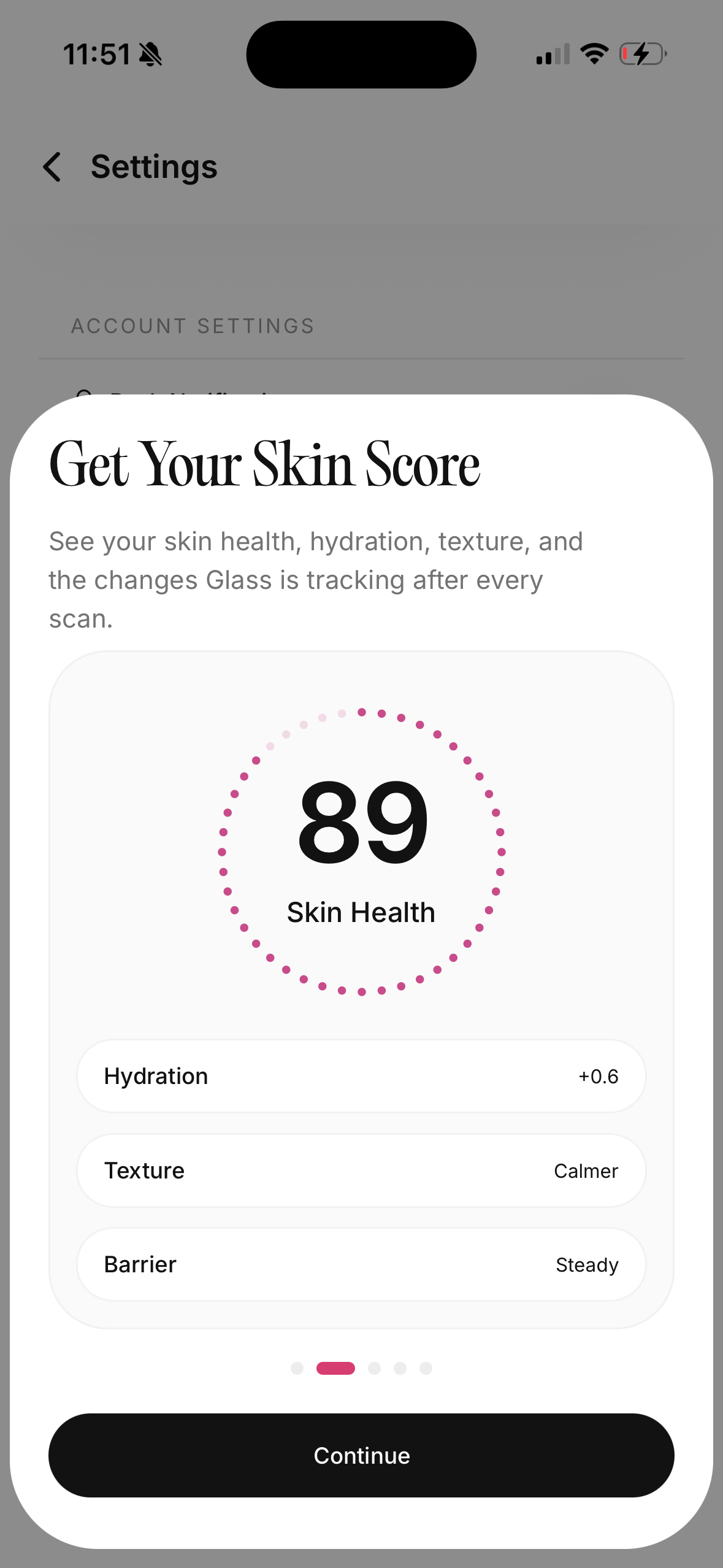 | People who want scans tied to routines, products, reminders, and reports | Turning skin photos into a daily routine loop | It works best when you actually log consistently |
| Lume Skin | 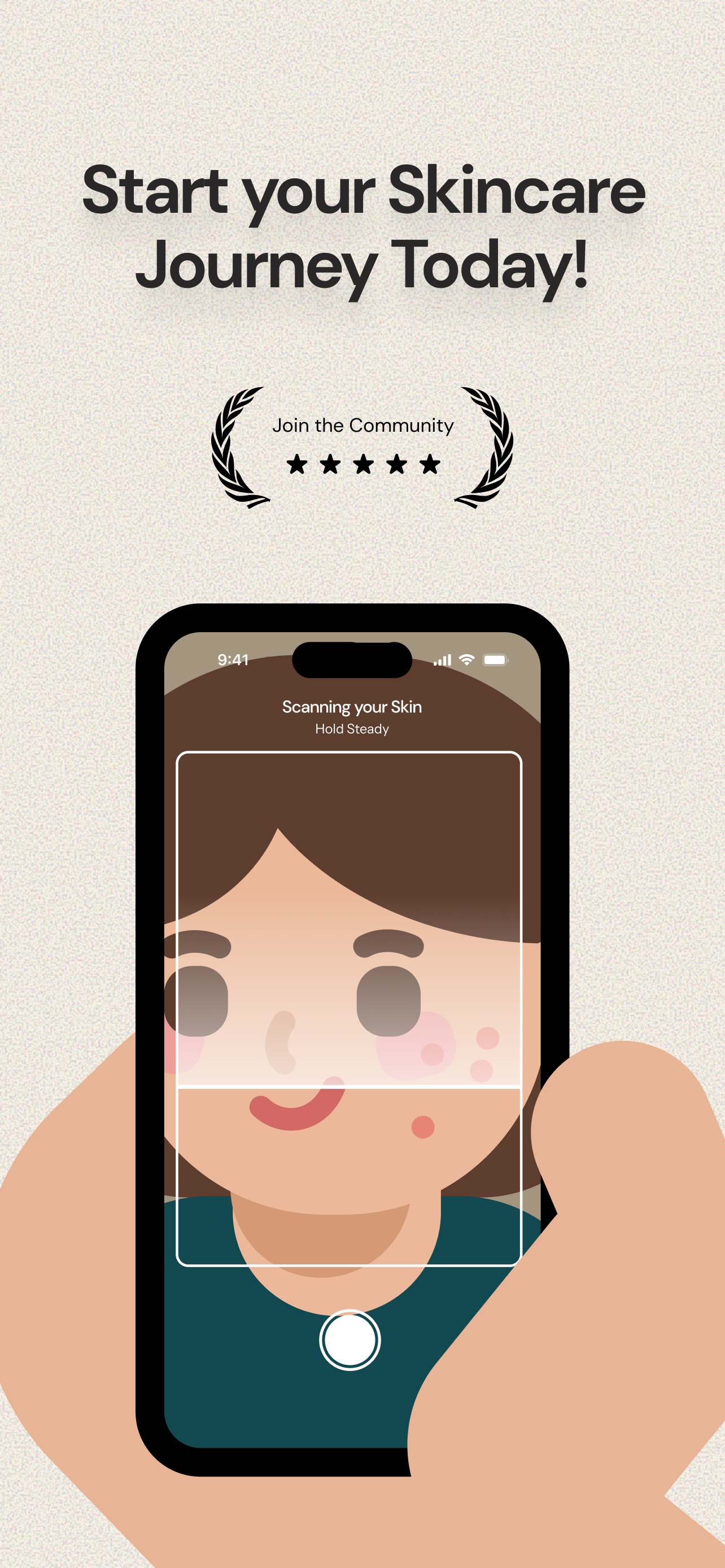 | People who want a broad AI skin scanner and product checker | Fast scan-first positioning, product checks, chat, reminders | Medical-sounding language needs realistic expectations |
| Skin Bliss | 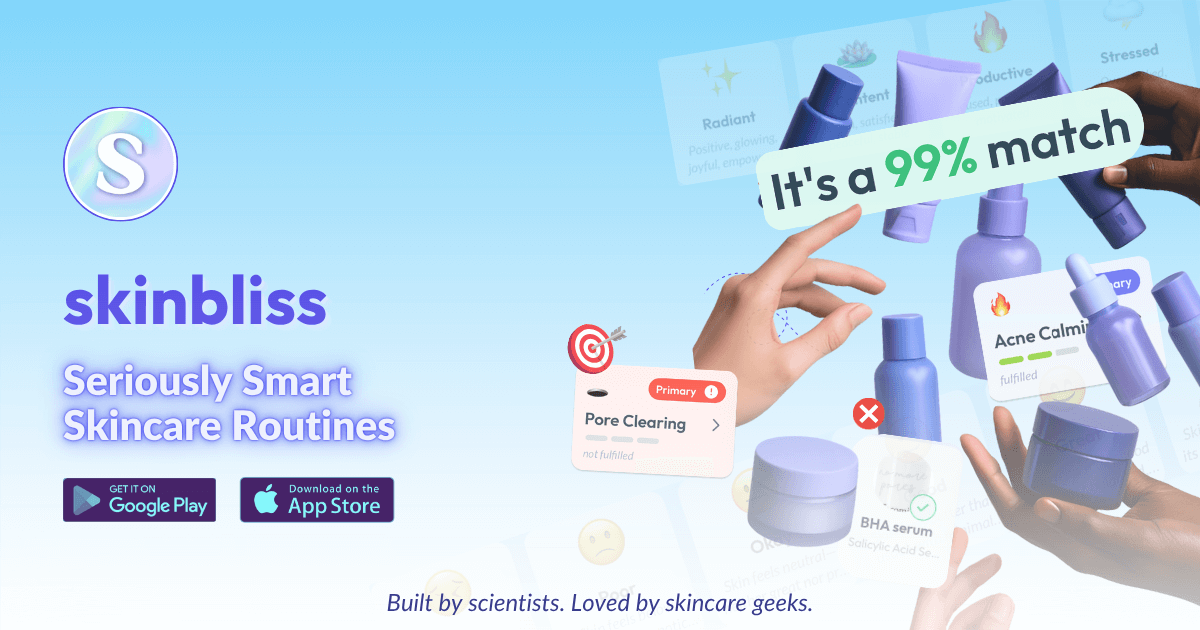 | People who care about ingredient matching and product compatibility | Large product context, routine building, shelf analysis | Product matching can still feel overwhelming if you already over-shop |
| SkinPal | 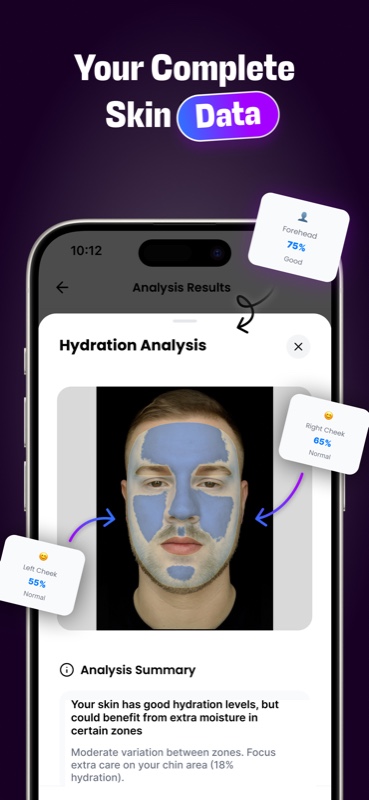 | People who like daily scans and metric-by-metric tracking | Zone analysis, repeated scans, progress charts | Daily scoring can become stressful if you over-check |
| Dermaday |  | People who want a simple selfie score and before-after view | Clear daily score, six dimensions, visual comparison | A score is only useful if it changes your behavior calmly |
| SkinCircle | 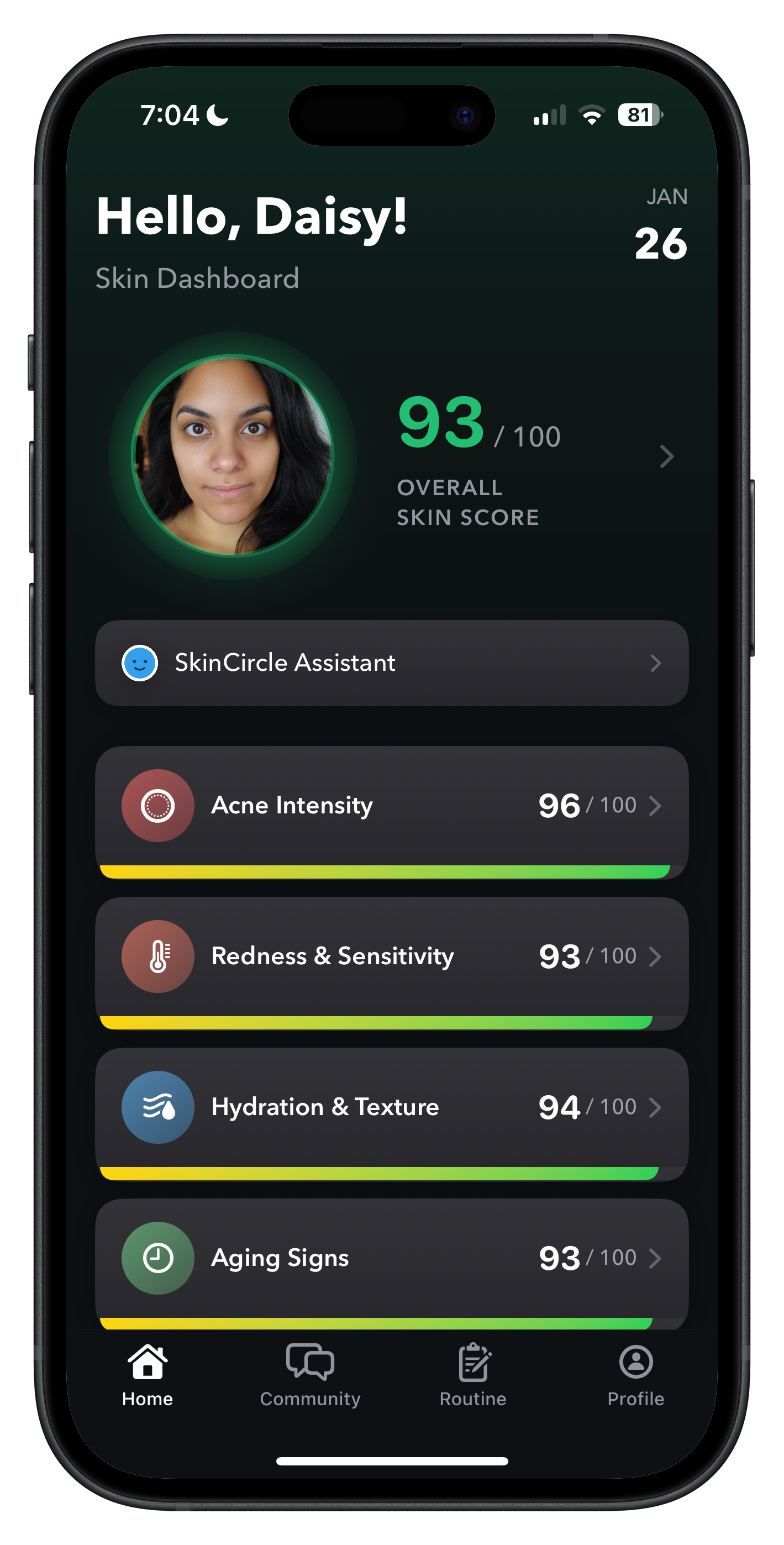 | People who want routine correlation and data ownership | Product-to-score correlation, export framing, tracking control | It may appeal more to data-minded users than casual routine builders |
My pick is Glass because it does the least glamorous job better: it gives the scan somewhere to live after the novelty wears off.
What I actually want the scanner to answer
I do not need an app to tell me my skin is imperfect.
I have a mirror. I have bathroom lighting. I have the one front-camera angle that makes every pore look like a life decision.
What I need is context.
When a scan says my texture is worse, I want to know whether I changed exfoliation frequency. When redness climbs, I want to know whether I layered actives badly. When a breakout shows up on my chin, I want to know whether it followed a new moisturizer, missed cleansing, a cycle shift, or just a stressful week.
A skin scan without routine memory can make you react too fast.
Routine memory slows you down.
That matters because skincare punishes panic. If you change five things every time your skin has a bad morning, you never learn which thing mattered. You just keep resetting the experiment.
The first scan is mostly a baseline
The first scan feels important because it gives you categories.
Acne. Texture. Oil. Hydration. Dark spots. Redness. Pores. Evenness. Fine lines.
Those categories can be helpful, but the first scan is not the answer. It is the starting line. Skin apps become more useful when they help you compare like with like: similar lighting, similar angle, similar timing, and enough days between photos that you are not emotionally reacting to one random morning.
I would treat the first scan as a baseline, not a verdict.
That sounds small. It changes the whole experience.
Instead of asking, "Is my skin good or bad?" ask, "What should I track from here?"
For acne, track new inflamed spots and healing time. For dark marks, track whether new marks are forming. For dryness, track tightness, flaking, stinging, and whether moisturizer fixes it. For oil, track shine by time of day, not just how the skin looks right after cleansing.
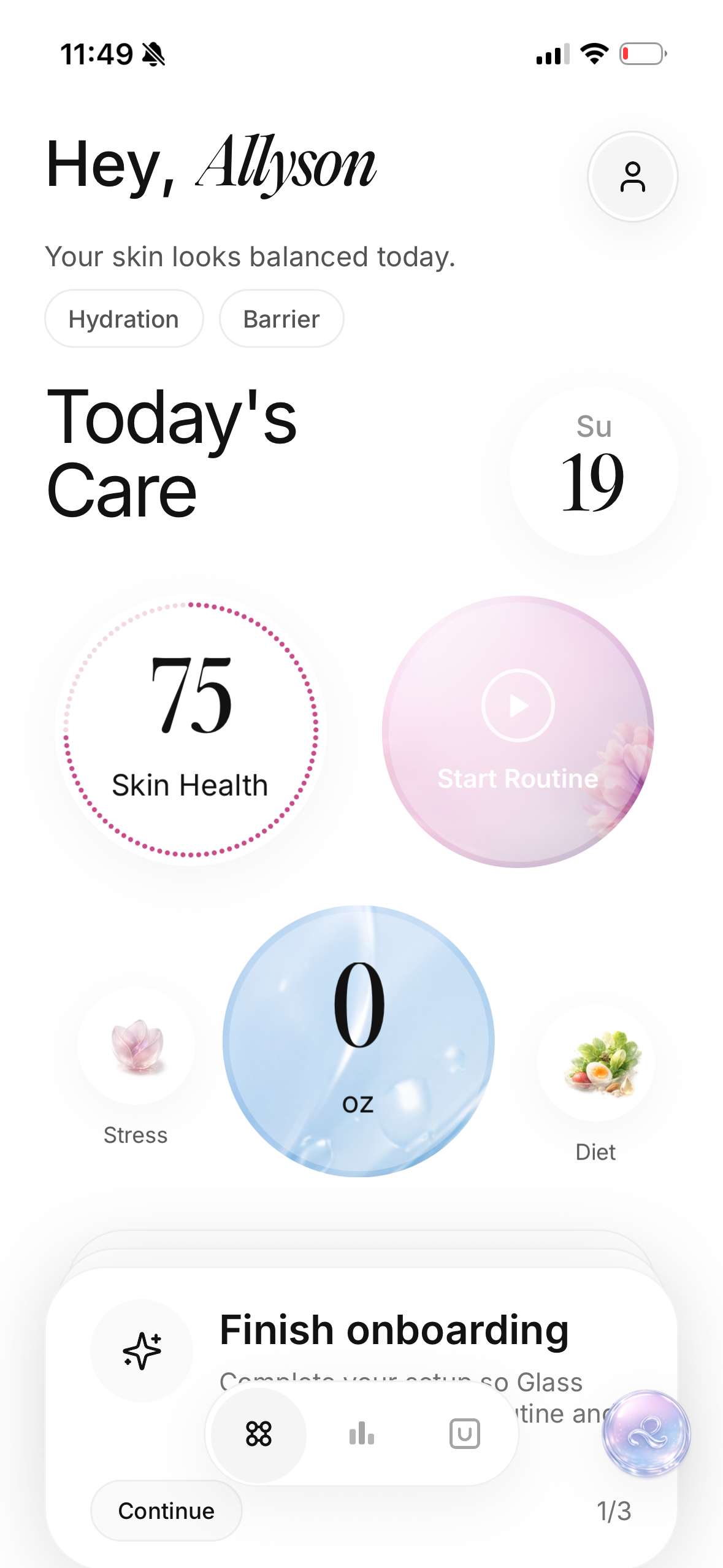
That is where Glass makes sense to me. The scan can sit next to the routine, product log, reminders, and reports. It does not have to carry the whole job alone.
The feature that matters more than the score
The score is tempting.
It makes skin feel measurable. It gives you a number to chase. It turns a messy face into a clean dashboard.
But a skin score can also make you weird.
If the number drops, you may start blaming the last product you used. If the number rises, you may over-credit the newest serum. If you scan too often, normal lighting differences can feel like a setback.
The feature I care about more is the note beside the score.
What did I use? Did I cleanse? Did I wear sunscreen? Did I add a new product? Did I sleep enough? Did I pick at my skin? Did I use retinoid? Did I use an acid? Did I do both too close together?
That is the missing piece in a lot of skin tracking.
Not more analysis. Better memory.
When Lume Skin makes sense
Lume Skin has the clearest broad promise.
It positions itself around instant skin analysis, ingredient scanning, personalized routines, progress tracking, AI chat, and reminders. That is a strong first impression because it lines up with the exact things people want when they feel lost.
If you want to scan your face, check a product, ask a quick skin question, and get a routine suggestion, I understand the pull.
The product safety scanner is the part I would use most carefully. Ingredient lists are hard to read. A scanner can help you avoid known triggers, notice overlap, and pause before buying another active that does the same job as something you already own.
The caution is the "AI dermatologist" feeling.
I do not mind an app helping with skin awareness. I do mind when someone starts treating a phone result like a medical clearance. If a spot is changing, bleeding, painful, infected, spreading, scarring, or not acting like normal acne, the app should not be the final stop.
Lume can be useful as a skin assistant.
I would not use it as a reason to skip care.
Where Skin Bliss fits
Skin Bliss feels strongest when the question is less "what does my face look like today?" and more "what is happening with the products I own?"
That is a real problem.
Most people do not fail at skincare because they own nothing. They fail because they own too many products with overlapping jobs. A cleanser for acne. A toner for glow. A serum for pores. A second serum for dark spots. A moisturizer that also has actives. A sunscreen that breaks them out. A mask they use when they panic.
Then the skin gets irritated and the routine becomes impossible to read.
Skin Bliss leans into product understanding, routine building, ingredient checks, and compatibility. That can be useful if your shelf is the confusing part.
My only warning is that ingredient intelligence can become another form of overthinking. You still need a routine that is simple enough to repeat. A product database can help you choose better, but it cannot make you patient after three nights.
Where SkinPal, Dermaday, and SkinCircle fit
These apps all make sense for people who like visible tracking.
SkinPal emphasizes repeated scans, six key metrics, zone-by-zone analysis, and progress charts. Dermaday keeps the promise simple: take a selfie, get a score across six dimensions, and compare over time. SkinCircle adds a more data-minded angle by connecting routine logs with skin scores and talking about ownership and export.
I like that direction.
Skin changes slowly enough that your memory can lie. A chart can show you that a bad morning is not a trend. A before-after comparison can show progress you stopped noticing. A product-to-score view can help you ask better questions.
The danger is scanning too often.
Daily tracking can work for some people. For many, weekly is calmer. Skin is affected by sleep, salt, hormones, lighting, stress, sweating, shaving, makeup, weather, and camera angle. If you scan every morning and treat every number like a command, you can turn a helpful app into a stress machine.
My rule would be simple: scan often enough to notice patterns, not so often that the app starts managing your mood.
The real test: can it help with a messy week?
A perfect routine week is easy to track.
Real weeks are not perfect.
You travel. You forget sunscreen. You run out of cleanser. You use a hotel face wash. You start a new moisturizer because the old one felt boring. You skip the night routine. You get a breakout and want to attack it with everything.
That is when the app has to earn its spot.
The best app should help you reconstruct the week without shame. It should show what changed, what stayed stable, and what is too early to judge. It should make it easier to keep the next step boring.
For me, that means an app needs four layers:
- A scan or photo baseline
- A routine log
- Product history
- A way to see progress over weeks
If one of those layers is missing, the app can still be useful, but it becomes more limited.
How I would use Glass for a four-week test
I would start with a stable routine, not a shopping spree.
Morning: gentle cleanse or rinse, moisturizer if needed, sunscreen.
Night: gentle cleanser, one treatment if already tolerated, moisturizer.
That is enough.
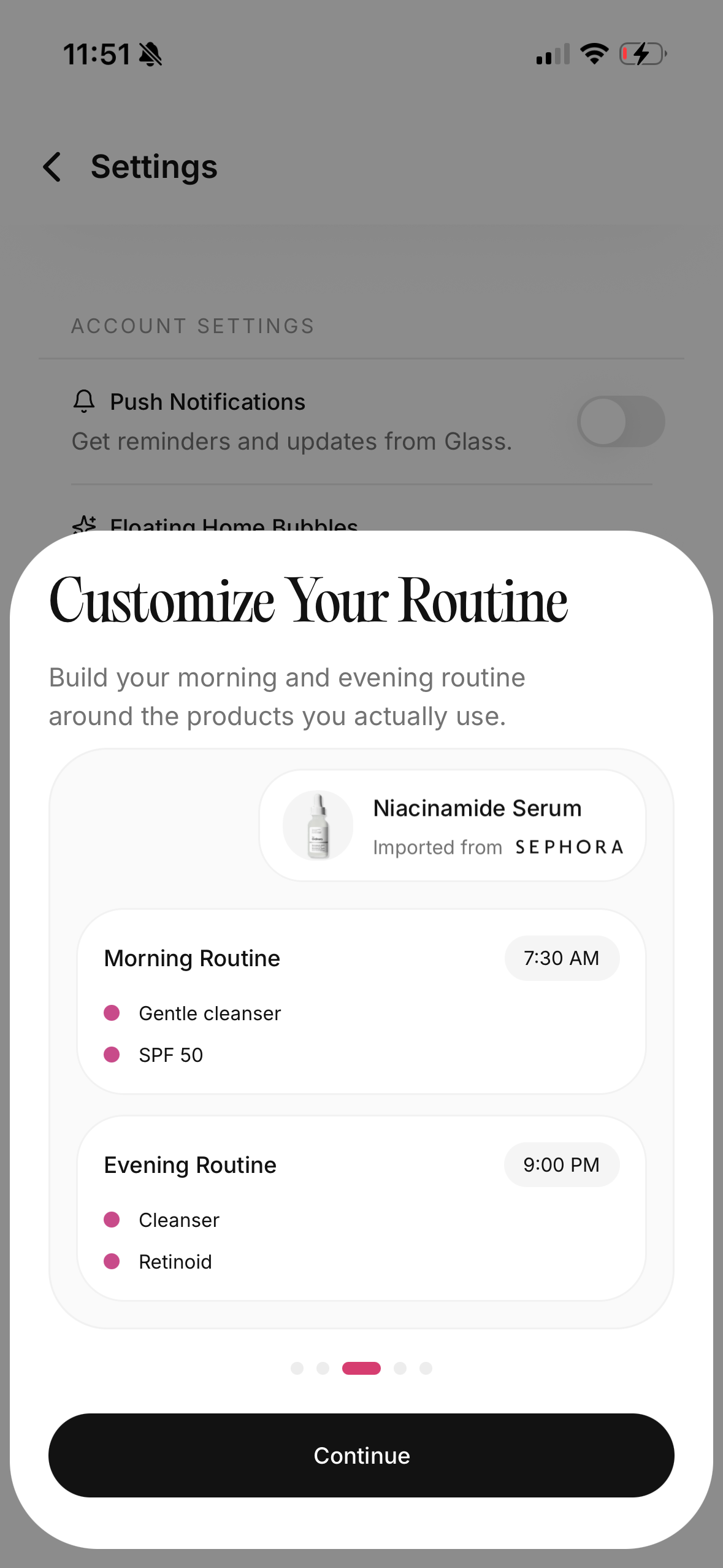
Then I would scan once at the start and once each week. I would log the routine honestly, especially skipped nights, new products, irritation, and any actives. I would avoid adding more than one new product at a time. If I did add something, I would give it a clear start date instead of pretending I would remember.
Glass fits that experiment because it can hold the routine and the skin check together.
The goal is not to prove that one product changed everything. The goal is to avoid fooling yourself.
After four weeks, I would ask:
- Did I actually follow the routine?
- Did I introduce anything new?
- Did irritation line up with an active?
- Did breakouts cluster after a specific product or habit?
- Did the photos look comparable?
- Did the app help me stay calmer?
That last question matters more than people admit.
Good tracking should reduce frantic decisions.
What to ignore when choosing an AI skin scanner
Ignore the app that makes the biggest promise.
Look for the app that makes the clearest daily job.
I would not choose based only on:
- the prettiest score screen
- the biggest list of skin concerns
- a promise that sounds like a clinic visit
- a routine generated after one selfie
- product warnings with no context
- before-after photos without comparable lighting
I would choose based on what happens after the first scan.
Can you log the products? Can you separate morning and night? Can you see changes over time? Can you use the app without feeling worse about your face? Can you tell when the app is offering a suggestion versus when your skin needs a professional?
That is the real comparison.
When no app is enough
Some skin issues should not be handled by an app alone.
If a spot changes quickly, bleeds, crusts, hurts, spreads, becomes hot, looks infected, scars aggressively, or does not behave like your normal skin, get medical care. If acne is painful, cystic, or leaving scars, a dermatologist conversation is more useful than another product recommendation. If your skin is burning from everything, stop chasing actives and focus on barrier recovery.
An app can organize observations.
It cannot examine your skin, review your full medical history, or rule out something serious.
That boundary makes the app more useful, not less. Once you stop asking it to be a doctor, you can let it do the job it is actually good at: pattern tracking, routine memory, progress comparison, and better questions.
My May 2026 pick
I would start with Glass.
Not because every person needs the same app. They do not.
I would start there because most skincare confusion is not caused by a lack of analysis. It is caused by unstable routines, scattered products, inconsistent photos, and memory gaps. Glass is built around that whole loop.
If I wanted a scan-first assistant, I would compare Lume Skin. If I wanted product matching and ingredient context, I would compare Skin Bliss. If I wanted daily score charts, I would compare SkinPal, Dermaday, and SkinCircle.
But if I were trying to understand whether my skincare is actually working, I would want the scan, the routine, and the product history in one place.
That is the missing piece.
The app should not make skin feel more dramatic.
It should make the next decision clearer.
Useful references: American Academy of Dermatology guidance on health apps, AAD tips for taking skin photos, Lume Skin, Skin Bliss, SkinPal, Dermaday, and SkinCircle.