I wanted this to be simple.
A night cream should not need a philosophy.
You wash your face. You put something comfortable on. You wake up with skin that feels less tight, less dull, less annoyed.
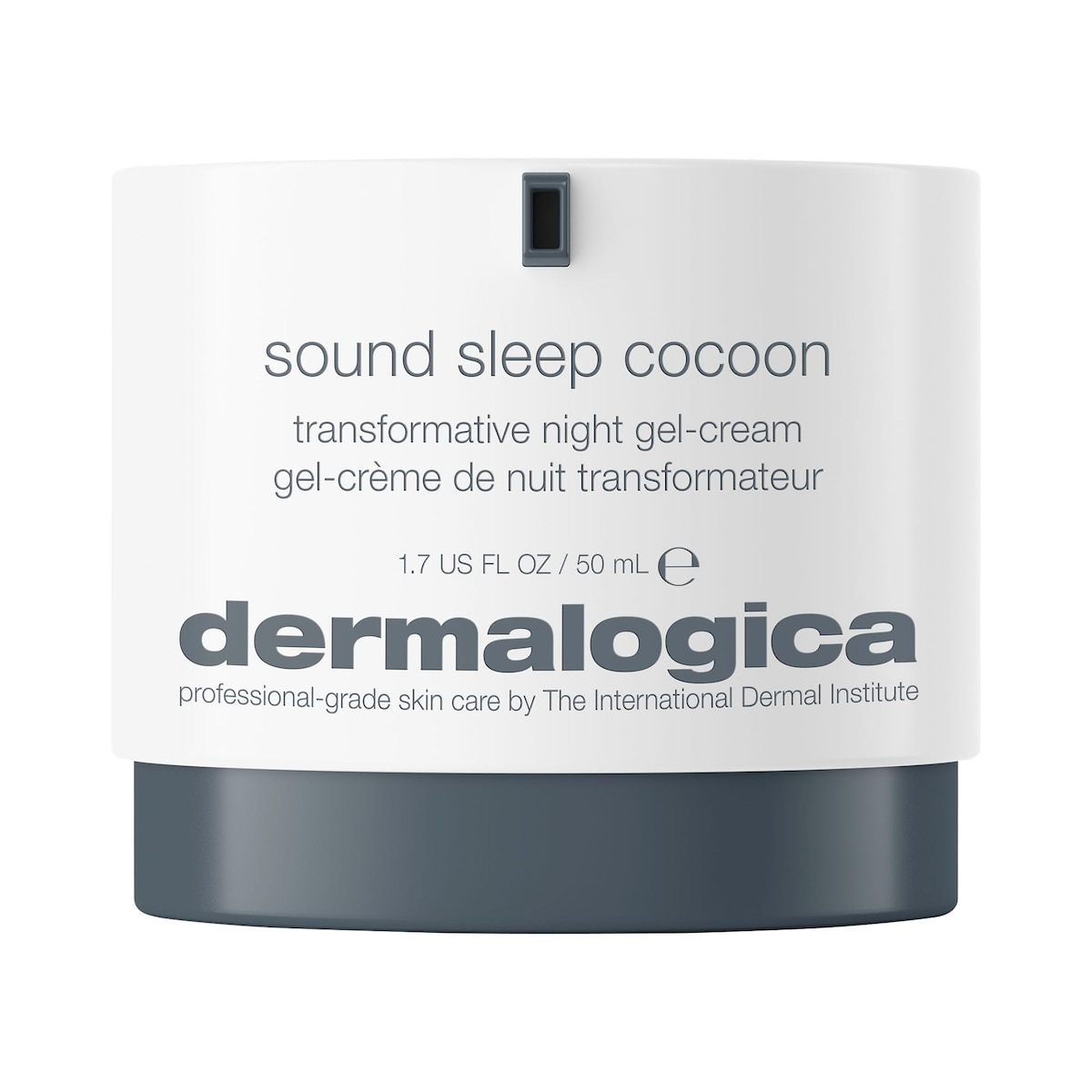
But Dermalogica Sound Sleep Cocoon Night Gel-Cream is not priced like a casual moisturizer. As of May 2026, the full size is about $89, with a smaller travel size around $22.50 on Dermalogica's own site. In the Glass product catalog, it shows a rating around 4.17 from more than 180 reviews, while Sephora lists 185 reviews and calls out radiance, scent, and texture as customer themes.
That tells me two things at once.
People like the experience. The experience is also exactly where the risk lives.
My short answer: I would consider Sound Sleep Cocoon if my skin is normal, combination, oily, or slightly dry, and I want a lightweight nighttime gel-cream that feels more comforting than a plain water cream. I would be careful if my skin reacts to fragrant formulas, essential oils, lavender-type scents, or bedtime products that feel too sensory. I would skip it if I need a rich barrier cream, a fragrance-free recovery step, or a heavy occlusive layer over retinoids.
The quick read
| Detail | My read |
|---|---|
| Product | Dermalogica Sound Sleep Cocoon Night Gel-Cream |
| Price signal | About $89 full size in May 2026 |
| Format | Lightweight night gel-cream |
| Best fit | Skin that wants soft overnight moisture without a heavy cream feel |
| Main ingredients I notice | Dimethicone, glycerin, propanediol, vitamin E, tamarind seed polysaccharide, Persian silk tree extract, Wu-Zhu-Yu extract |
| Main caution | The formula includes aromatic plant oils and listed fragrance allergens like limonene and linalool |
| What it will not do | Replace retinoids, fix deep wrinkles, rebuild a damaged barrier, or treat medical sleep issues |
The product makes the most sense when you want a polished final nighttime step.
It makes less sense when your skin is already inflamed and begging for quiet.
What this product is actually trying to be
Sound Sleep Cocoon is not a thick night cream.
It is a gel-cream treatment that tries to sit between a moisturizer and a bedtime ritual. Dermalogica positions it for all skin types, especially dryness and dehydration, and says to use it as the last step of a nighttime routine over toners and targeted treatments.
That last-step detail matters.
This is not the product I would use as my active step. It is not the exfoliant. It is not the retinoid. It is not the dark-spot serum. It is the thing that goes on after those steps, when you want the routine to feel finished.
The texture is the reason someone would like it. The base includes dimethicone, glycerin, propanediol, and flexible polymers, so I would expect a smooth, cushiony slip rather than a greasy balm. That is useful if you hate sleeping in heavy cream but still wake up dry when you use something too thin.
The scent is the reason someone might regret it.
The scent is not a side note
I would not treat the scent like decoration here.
Dermalogica describes the formula around lavender, sandalwood, and patchouli, and the ingredient list includes lavender-related components, Fusanus spicatus wood oil, Pogostemon cablin leaf oil, limonene, and linalool. Some people love that kind of aromatic bedtime feel. Some people find it calming. Some people buy the product because the scent makes the routine feel expensive and complete.
I understand the appeal.
But scented skincare is not neutral for everyone. If you already know your face gets warm, itchy, red, bumpy, or stingy from fragrant formulas, this is not the place to pretend your skin has changed personalities. The fact that a product feels luxurious does not make it low risk.
My rule is simple: the more reactive your skin is, the less romantic I get about scent.
If you tolerate aromatic skincare well, Sound Sleep Cocoon may feel like a small nightly reset. If you do not, the same feature that makes the product memorable may become the reason you stop using it.
The ingredient story
The formula is more practical than the name makes it sound.
Under the sleep language, the base starts with familiar moisturizer architecture: water, dimethicone, glycerin, propanediol, and texture-supporting ingredients. That is the part that can help skin feel smoother by morning.
Then you get the more brand-specific story: Persian silk tree bark extract, Wu-Zhu-Yu fruit extract, tamarind seed polysaccharide, vitamin E derivatives, Kakadu plum, lavender, sandalwood, and patchouli. I read those as a blend of skin-conditioning, antioxidant, sensory, and texture-supporting ingredients rather than a reason to expect a dramatic skin transformation.
That distinction keeps expectations sane.
Moisturizers can make tired skin look better because hydrated skin reflects light better, flakes less, and feels more flexible. A good night cream can also help you stop over-layering random products because the routine finally feels complete.
That does not mean a gel-cream can replace sleep, repair years of damage overnight, or erase texture that needs a different treatment plan.
Who I think will like it
The best buyer is someone who wants a night cream but hates the weight of a classic night cream.
You might like it if:
- your skin feels dehydrated, not deeply cracked
- heavy creams make you shiny or uncomfortable
- you want a final step over serum that does not feel like petroleum jelly
- you enjoy a calming aromatic skincare moment
- you use actives but still want the last step to feel soft and smooth
- your skin is not easily triggered by fragrant botanical formulas
That is the clean lane.
It is also why I would not compare this only to barrier creams. A barrier cream is usually trying to be boring in the best way. Sound Sleep Cocoon is trying to be elegant, light, sensory, and moisturizing at the same time.
Those are different jobs.
Who should skip it
I would skip it if my skin barrier were actively angry.
By angry, I mean burning after water, stinging when you apply bland moisturizer, peeling from over-exfoliation, rawness around the nose or mouth, or sudden sensitivity after retinoids. In that state, I do not want my moisturizer to have a spa personality. I want it to be plain, steady, and unlikely to start a fight.
I would also skip it if fragrance tends to bother your face. The product may be beautiful, but that does not matter if your skin dislikes the aroma compounds.
And I would skip it if you need a rich cream for very dry skin. This is a gel-cream. It can cushion. It can soften. It can make skin feel smooth. But if your skin drinks up moisturizers in twenty minutes and still feels tight, you may need more lipid weight than this formula is designed to give.
How I would use it
I would use it only at night.
Dermalogica says to smooth it over the face and neck as the last step of a nighttime regimen, over toners and targeted treatments. That is how I would treat it too.
My routine would look like this:
- Cleanse without stripping.
- Apply a simple hydrating serum if needed.
- Use a treatment step only if my skin is already tolerating it.
- Apply Sound Sleep Cocoon as the last face and neck step.
- Stop there unless my skin still feels dry.
I would not combine it with a brand-new retinoid, new exfoliating acid, new vitamin C, and a new cleanser in the same week. That is how people end up blaming the wrong product.
Give it a boring test. Keep the rest of the routine stable. Watch how your skin feels in the morning, not five minutes after application.
The retinoid question
This is where I would be careful.
Sound Sleep Cocoon can sit over treatments, but that does not automatically make it the best partner for every retinoid routine.
If your skin already tolerates retinol or tretinoin well, a lightweight final moisturizer may be fine. If your skin is peeling, tight, flushed, or tender from retinoids, I would use a plainer barrier moisturizer until your skin calms down.
The issue is not that this formula is "bad" with retinoids. The issue is that irritated skin has less patience.
When I use a strong active, I want the supporting products to be as predictable as possible. That usually means fewer fragrant components and fewer variables. Once the skin is stable, you can experiment more.
The makeup and morning-after test
The best way to judge this product is not by how fancy it feels at bedtime.
Judge it the next morning.
I would look for four things:
| Morning check | Good sign | Bad sign |
|---|---|---|
| Tightness | Skin feels flexible after rinsing | Skin feels dry or stretched |
| Texture | Makeup or sunscreen sits smoother | Pilling, film, or rough patches |
| Redness | Skin looks calm and even | New flushing, itch, or bumps |
| Breakouts | No new congestion after repeated use | Small bumps in areas that usually clog |
One night is not enough. I would give it several uses unless there is obvious irritation.
But I would not force it for weeks if the pattern is clear. A good moisturizer should make the routine calmer, not turn your face into a mystery.
How it compares to nearby night moisturizers
Sound Sleep Cocoon is not the only way to make a night routine feel finished.
| Product | Image | Better fit | Where it disappoints |
|---|---|---|---|
| Dermalogica Sound Sleep Cocoon | 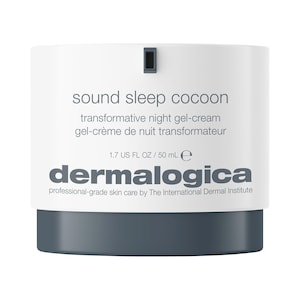 | Lightweight nighttime moisture with a sensory, spa-like feel | Not my first pick for fragrance-sensitive or barrier-damaged skin |
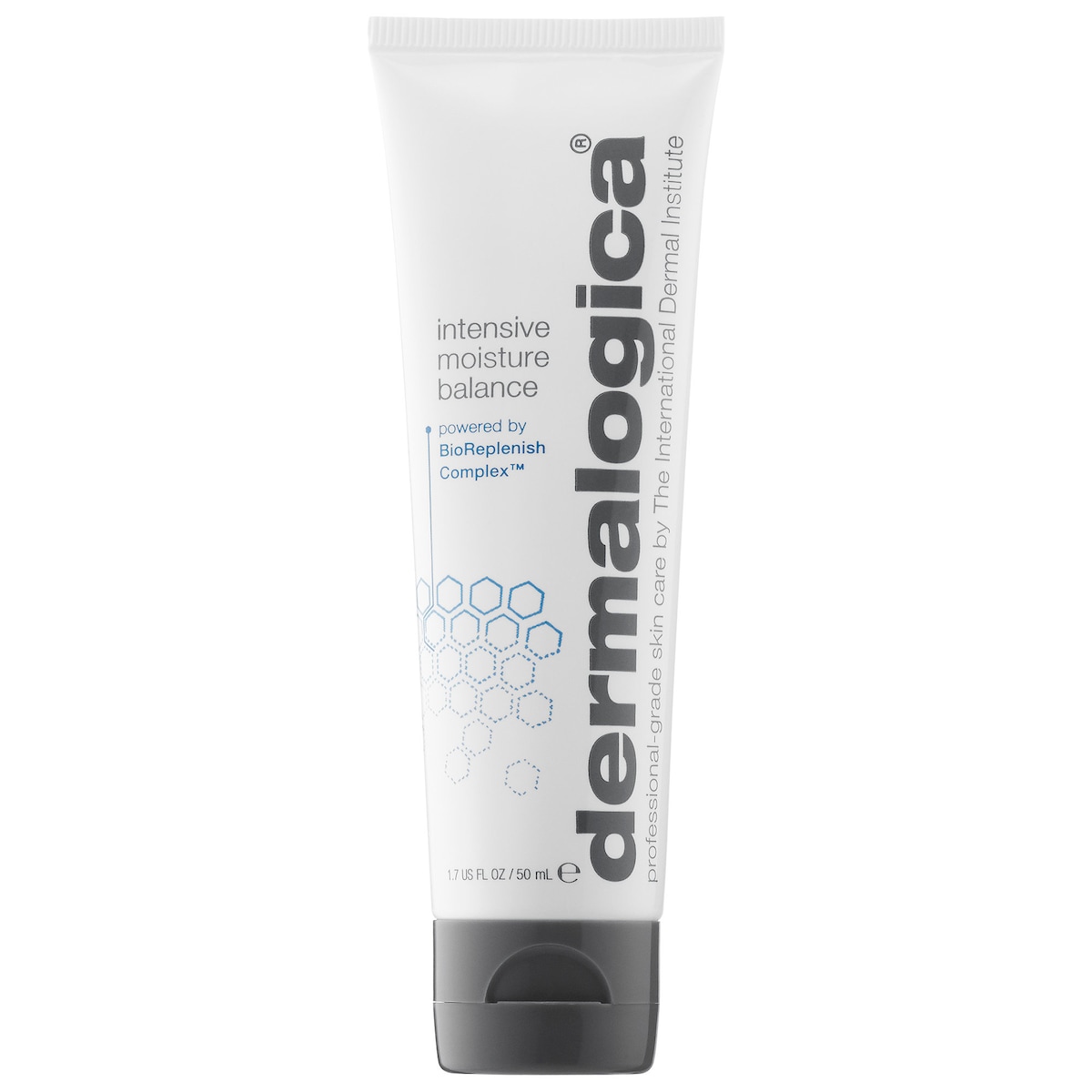
| Dermalogica Intensive Moisture Balance | 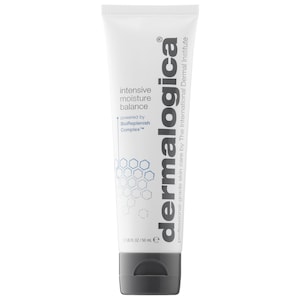 | Drier skin that wants a more traditional moisturizing cream | Less of the bedtime ritual feel |
| Kiehl's Midnight Recovery Omega-Rich Cloud Cream | 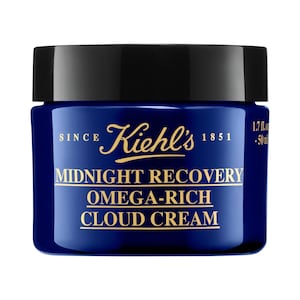 | Someone who wants a softer, richer night-cream cushion | Can be too much if you prefer gel textures |
| LANEIGE Water Bank Blue Hyaluronic Cream | 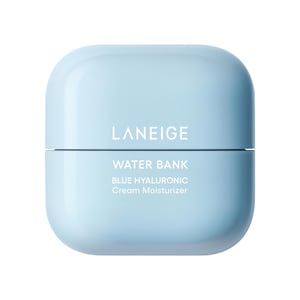 | Everyday moisture barrier support at a lower price point | Less targeted toward a night-only sensory routine |
| Skinfix Triple Lipid-Peptide Cream |  | Barrier support, dryness, and comfort-first routines | Heavier and less elegant if you want a light gel finish |
That is the decision.
If you want a light, aromatic, night-only gel-cream, Sound Sleep Cocoon has a clear identity. If you want maximum barrier recovery, I would look elsewhere.
The price question
$89 is not casual.
At that price, I would not buy Sound Sleep Cocoon just because my skin feels a little dry one week. I would buy it only if I knew I liked lightweight gel-cream textures, I enjoyed scented skincare, and I wanted the routine to feel more luxurious without becoming heavy.
The smaller size helps. I would rather test the travel size first than convince myself the full size has to work because I already spent the money.
The worst way to buy expensive skincare is under pressure. You see a beautiful bottle, read a few glowing notes, imagine waking up with calmer skin, and skip the boring question: is this actually the texture and risk profile my skin likes?
For Sound Sleep Cocoon, that boring question matters.
The breakout question
I would not call this an acne treatment.
It may work well for some oily or combination skin because the texture is lighter than a rich cream. But if your main concern is clogged pores, inflamed breakouts, or acne that changes quickly, I would judge it carefully.
The formula includes silicones and humectants, which many acne-prone people tolerate well. It also includes aromatic plant oils, which some people do not love. That does not make it universally pore-clogging or universally safe. It means you should test it like a real product, not like a promise.
Use it on a stable week. Do not add three new products with it. If bumps appear in your usual clog-prone areas after repeated use, step back.
Your skin's pattern matters more than the product's marketing lane.
My final take
I understand why people like Sound Sleep Cocoon.
It looks polished. It has a clear bedtime identity. It is lighter than a classic night cream. It can make a routine feel softer, smoother, and more finished.
I also think it is easy to buy for the wrong reason.
This is not the product I would choose for a damaged barrier, highly reactive skin, fragrance sensitivity, or very dry skin that needs a heavy cream. It is not a magic overnight repair product. It is a lightweight, aromatic, expensive night gel-cream with a pretty specific best buyer.
If that buyer is you, the small size is the smarter first move.
If you are not sure, I would spend the first week making your routine calmer before spending $89 on the final step.
FAQ
Is Dermalogica Sound Sleep Cocoon worth it?
It can be worth it if you already like lightweight night moisturizers, tolerate aromatic skincare, and want a polished final step that feels more special than a basic gel cream. I would not call it worth it for very sensitive skin, fragrance-reactive skin, or anyone who needs a rich barrier-repair cream.
Can you use Sound Sleep Cocoon every night?
Yes, many people use it as a nightly final step. I would still start slowly if your skin is reactive or if you are already using retinoids, exfoliating acids, or acne treatments at night.
Is Sound Sleep Cocoon good for dry skin?
It can help with mild dryness or dehydration, especially if you dislike heavy creams. For very dry, flaky, or barrier-damaged skin, I would usually choose a richer and quieter moisturizer first.
Does Sound Sleep Cocoon have fragrance?
The product has an aromatic profile built around botanical oils and scent-associated components. If fragrance or essential oils usually bother your skin, patch test carefully or skip it.
Can I use Sound Sleep Cocoon with retinol?
You can layer it as the final moisturizer if your skin already tolerates retinol well. If retinol is making your skin sting, peel, or burn, use a simpler barrier moisturizer until your skin calms down.
Is it better than a regular night cream?
It is better only if you want a lighter gel-cream texture and enjoy the sensory bedtime feel. If you want richness, barrier support, or fragrance-free simplicity, a regular night cream may be the better choice.
Useful product references: Dermalogica Sound Sleep Cocoon, Sephora Sound Sleep Cocoon listing, Ulta Sound Sleep Cocoon listing, Influenster review snapshot, and SkinSort ingredient page.