
The whole point of Sunday Riley Mini C.E.O. Afterglow is morning practicality.
At least, that is how I would use it.
Sunday Riley Mini C.E.O. Afterglow Brightening Vitamin C Moisturizer is a vitamin C moisturizer with THD ascorbate, sodium hyaluronate, lutein, and a non-greasy satin-skin finish. It can be used morning or night, but the most interesting use case is under sunscreen, where a moisturizer has to do more than sound impressive.
It has to layer.
It has to settle.
It has to leave skin comfortable without making SPF slide around.
As of May 2026, I would treat the mini as a travel-friendly or trial-friendly morning cream for dull skin that needs a little moisture and polish before sunscreen. I would not treat it as sunscreen. I would not treat it as a full dark-spot plan. I would treat it as the cream step that can make the morning routine feel more finished.
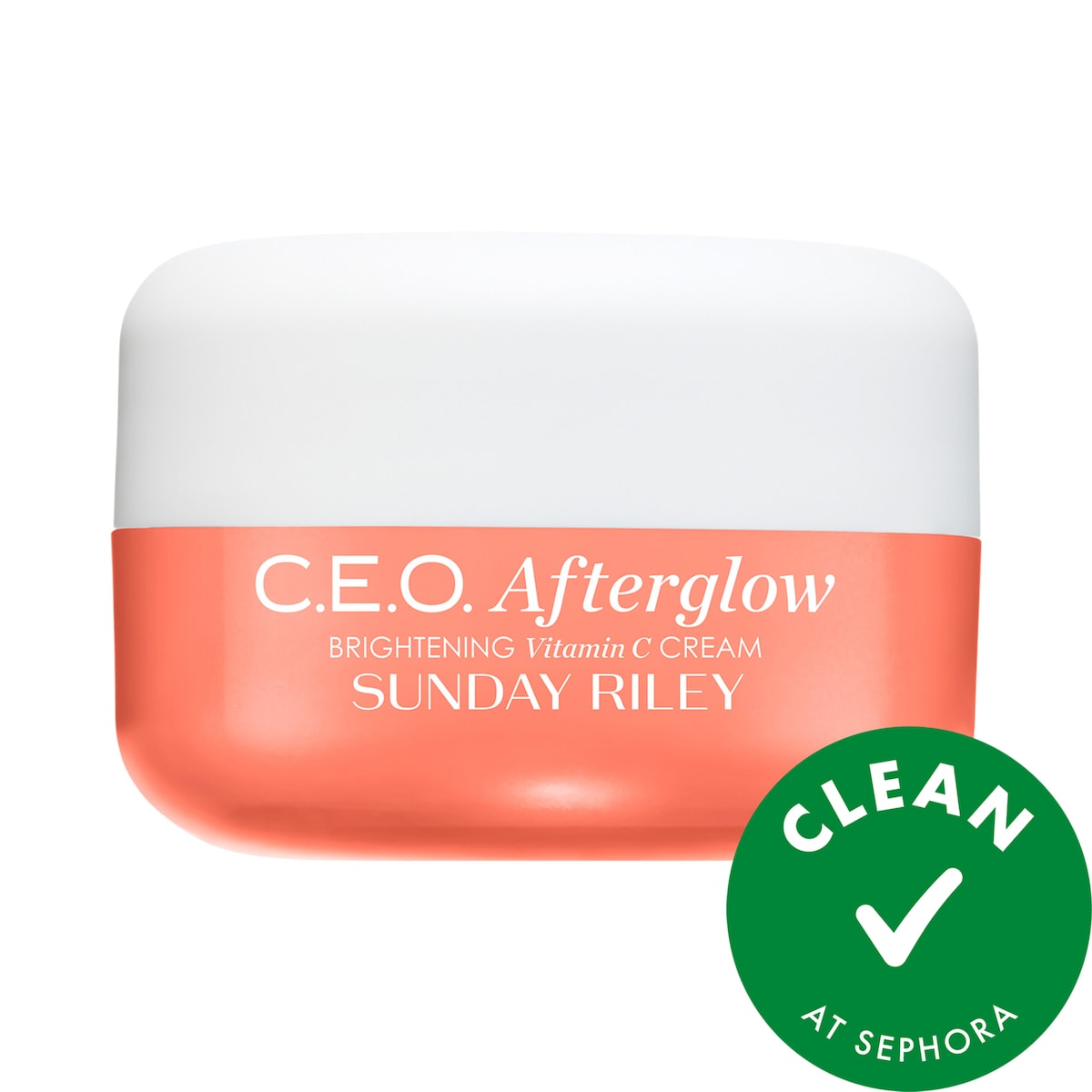
The Short Version
The cleanest way to use Afterglow under SPF is:
- Cleanse or rinse.
- Apply a thin layer of Afterglow.
- Let it settle.
- Apply sunscreen.
- Add makeup only after SPF sets.
That is it.
| Morning question | My answer |
|---|---|
| Does Afterglow replace sunscreen? | No |
| Does it go before SPF? | Yes |
| Should I use a lot? | Start with a thin layer |
| Can it replace moisturizer? | Yes, if your skin feels comfortable |
| Can I layer a vitamin C serum under it? | Maybe later, not as the first test |
| What if SPF pills? | Use less Afterglow and wait longer |
The routine should feel easier after adding it. If it creates more layering problems, it is not the right morning product for that slot.
Why This Product Belongs Under SPF
Vitamin C products are often used in the morning because they fit naturally before sunscreen. That does not mean every vitamin C product behaves the same way.
Afterglow is not a watery serum. It is a moisturizer. That changes the order.
If you use it in a simple routine, it goes after cleansing and before SPF. If you use a separate hydrating serum, the serum goes first, then Afterglow, then SPF. If you use a separate vitamin C serum too, I would introduce the products one at a time so the routine does not become redundant or irritating.
The sunscreen step still has to be last. A glow moisturizer cannot take over that job.
The Amount I Would Start With
I would start with less than I think I need.
That is the rule for almost every moisturizer under SPF. A product can be beautiful on bare skin and still pill if you apply too much before sunscreen. It can feel non-greasy in a thin layer and too shiny in a thick layer.
For the first week, I would apply a small amount across the face and neck, then add a tiny bit more only where skin feels dry. Cheeks often need more than the T-zone. The forehead may need less. The sides of the nose may need less if sunscreen tends to gather there.
The face does not need one equal coat everywhere.
The Wait Time Matters
Afterglow has a satin-finish texture, and satin textures need a little time before SPF.
I would give it at least a minute before sunscreen. More if the skin still feels slippery. That is not because the product is hard to use. It is because layers behave better when they are not rushed.
If sunscreen pills, I would troubleshoot in this order:
- Use less Afterglow.
- Wait longer before SPF.
- Use less rubbing and more gentle spreading.
- Skip extra primer.
- Test with a different sunscreen texture.
I would not immediately blame the cream. Pilling is often a layer mismatch, not one product failing alone.
The Best SPF Pairing
The best sunscreen pairing depends on your skin type.
For dry skin, Afterglow can sit under a comfortable broad-spectrum sunscreen and make the whole routine feel less flat. If your sunscreen is drying, this is where the product makes the most sense.
For combination skin, I would pair it with a lighter sunscreen and keep the Afterglow layer thin through the T-zone.
For oily skin, I would use the smallest amount and choose a sunscreen that already dries down cleanly. If the pairing feels too rich, Afterglow may be better at night or on dry zones only.
The goal is not maximum glow. The goal is skin that looks alive without feeling greasy by noon.
Under Makeup
Afterglow can make sense under makeup if your base usually catches on dry texture.
The order I would use:
- Afterglow.
- Wait.
- Sunscreen.
- Wait.
- Makeup.
This is where people rush and then blame the wrong product. A moisturizer, SPF, primer, foundation, and powder all have film-forming behavior. If you rub them together too fast, pilling and patchiness are more likely.
I would skip primer for the first test. Let Afterglow and sunscreen be the prep. If makeup sits well, good. If makeup slides, use less moisturizer next time or keep Afterglow to dry patches.
If Your Skin Looks Dull
Dullness is the reason this product is tempting.
But dullness is not one problem. It can come from dryness, dehydration, uneven tone, lack of sleep, old breakouts, over-exfoliation, sunscreen skipping, or a moisturizer that leaves the skin too matte.
Afterglow is best when dullness is partly a finish problem. That means skin looks better when it has more moisture, smoother texture, and a satin glow. If the problem is stubborn discoloration, I would not expect one moisturizer to do the whole job.
The mini is useful because it lets you ask a narrow question: does this cream make my morning skin look less flat?
That is a fair test.
If You Already Use Vitamin C Serum
I would not start by layering a vitamin C serum under a vitamin C moisturizer.
That may work for some routines, but it is not the first test I would run. The first test is simpler:
- Use your regular cleanser.
- Use Afterglow as the only vitamin C product.
- Use sunscreen.
- Watch finish and comfort.
If you later decide you need a more targeted brightening serum, add it on separate mornings or introduce it slowly. Duplicate vitamin C steps are not automatically better.
If you are choosing between a serum and a moisturizer, the existing Glass comparison Sephora Collection Glow Serum vs Sunday Riley C.E.O. Afterglow Moisturizer lays out the cleaner split.
If You Travel With The Mini
The mini size is a strong travel use case.
Travel routines fail because they get too bulky or too experimental. A vitamin C moisturizer can simplify the bag if it replaces a separate day cream and still gives skin a more awake finish.
The travel routine I would pack:
| Step | Product type |
|---|---|
| Cleanse | Gentle cleanser or rinse depending on the trip |
| Moisturize | Sunday Riley Mini C.E.O. Afterglow |
| Protect | Sunscreen |
| Night | Cleanser plus a plain moisturizer if Afterglow is not enough |
I would not rely on a new travel product for the first time during travel. Test it at home first. Airplanes, hotel air, climate shifts, and extra sun exposure already make skin weird. Do not add uncertainty.
Morning Or Night?
I would use Afterglow in the morning first.
That is where the satin finish and vitamin C moisturizer role make the most sense. The product can also be used at night, but if I am buying it for glow, I want to see how it behaves during the day under SPF.
Night use makes sense if:
- it feels too rich under sunscreen
- you like the finish but not under makeup
- your skin wants a lighter morning moisturizer
- you want to use it up without wasting it
The product does not fail if it becomes a night cream. But the best test is still morning.
What I Would Not Pair It With At First
I would avoid starting Afterglow at the same time as:
- a new vitamin C serum
- a new acid toner
- a new retinoid
- a new sunscreen
- a new foundation
- a new cleanser
- a new exfoliating mask
The reason is simple. If the routine pills, stings, gets greasy, or breaks out, you need to know what changed.
One new product at a time is not slow. It is how you get usable information.
What To Watch For
During the first week, I would watch:
- sunscreen pilling
- midday shine
- cheek comfort
- new bumps
- redness
- stinging
- scent sensitivity
- makeup texture
- whether skin feels dry again by lunch
I would not judge long-term brightening in one week. I would judge fit.
Fit is the part that decides whether you will actually use the product long enough for anything else to matter.
Where Glass Fits
This is a clean Glass tracking use case.
Add Afterglow as your moisturizer. Log whether you used it under SPF, at night, on cheeks only, or across the whole face. Track the sunscreen pairing. Note whether pilling happened. Note whether the finish looked satin, greasy, dry, or smooth by midday.
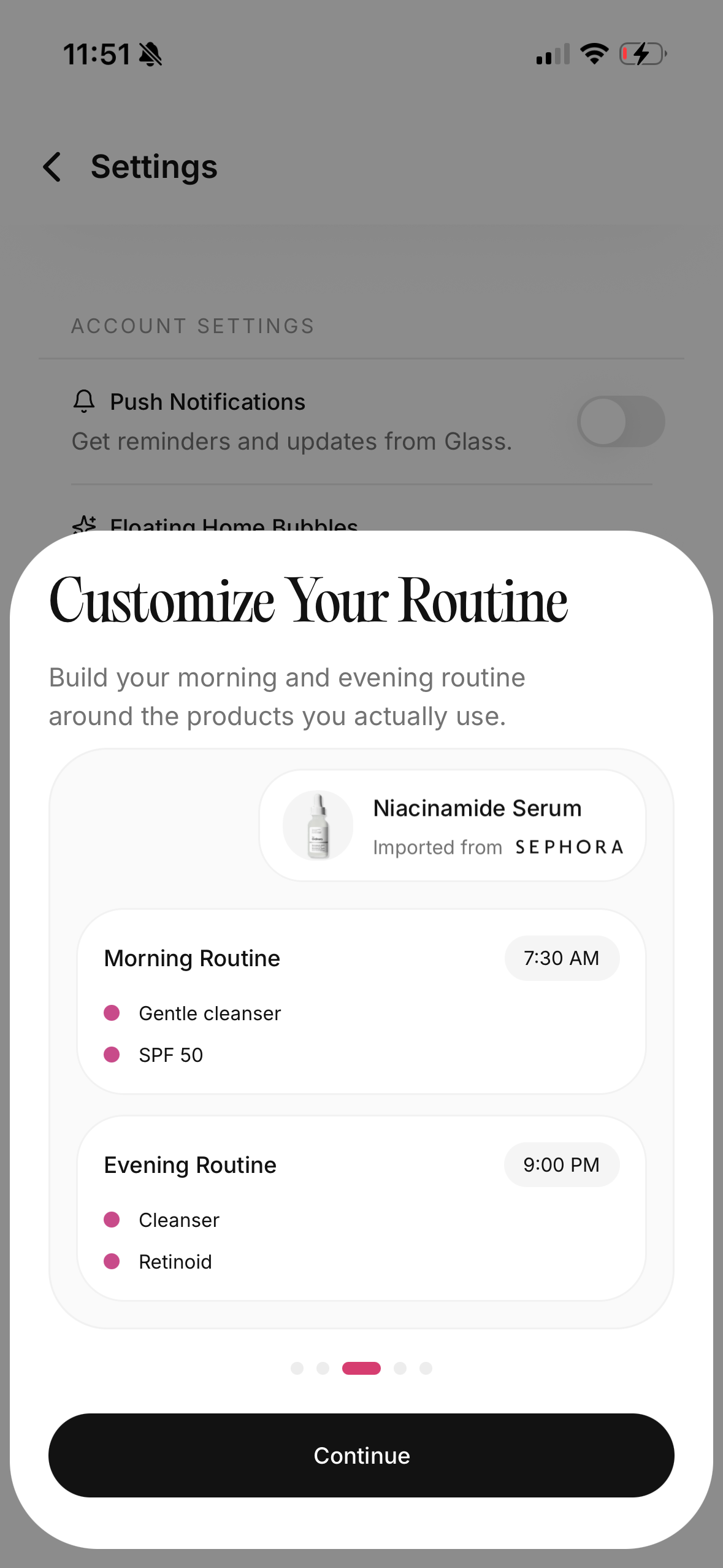
That turns the mini into a real trial instead of a vague impression.
If routine consistency is the real blocker, how to build a skincare routine you will actually follow is a better starting point than buying another glow product.
My Bottom Line
I would use Sunday Riley Mini C.E.O. Afterglow under SPF as a moisturizer first and a vitamin C product second.
The best version of the routine is simple: cleanse, thin layer of Afterglow, sunscreen. If skin needs more hydration, add one light serum before it. If sunscreen pills, use less and wait longer. If the T-zone gets shiny, use it on cheeks or move it to night.
The mini is worth considering if your morning routine feels visually flat and your moisturizer slot is the weak link. It is less compelling if you already have a perfect moisturizer and only need a focused brightening serum.
The product should make sunscreen easier to wear, not harder. That is the standard I would hold it to.
FAQ
Does Sunday Riley Afterglow go before or after sunscreen?
It goes before sunscreen. Use it as the moisturizer step, then apply sunscreen as the final morning skincare step.
Can I use it under makeup?
Yes, but I would use a thin layer, let it settle, then apply sunscreen and let that settle before makeup. Skip extra primer for the first test.
Can it replace moisturizer?
Yes, if your skin feels comfortable. It is a moisturizer, so it can replace your normal cream in the morning or evening.
Should I use vitamin C serum under it?
Not at first. Test Afterglow alone as your vitamin C moisturizer, then add a separate serum later only if the routine still needs that targeted step.