
Sephora Collection Glow Super Brightening Serum with Vitamin C + Vitamin E vs Sunday Riley Mini C.E.O. Afterglow Brightening Vitamin C Moisturizer is not really a battle between two versions of the same step. It is a decision about where you want vitamin C to live in your routine.
If I were choosing for a simple morning routine, I would treat Sephora Collection Glow as the dedicated brightening step and Sunday Riley Afterglow as the glow moisturizer step. The Sephora serum belongs before moisturizer. Sunday Riley Afterglow can be the moisturizer, especially if you want the finish to look a little more plush and polished without adding another serum.
The short version: choose Sephora Collection Glow if you want a separate, approachable brightening serum that lets you pick your own moisturizer. Choose Sunday Riley Afterglow if you want your moisturizer to carry the glow job and you do not want another treatment layer.
| Product image | Product | Local product page | Sephora page | Best role | Better fit |
|---|---|---|---|---|---|
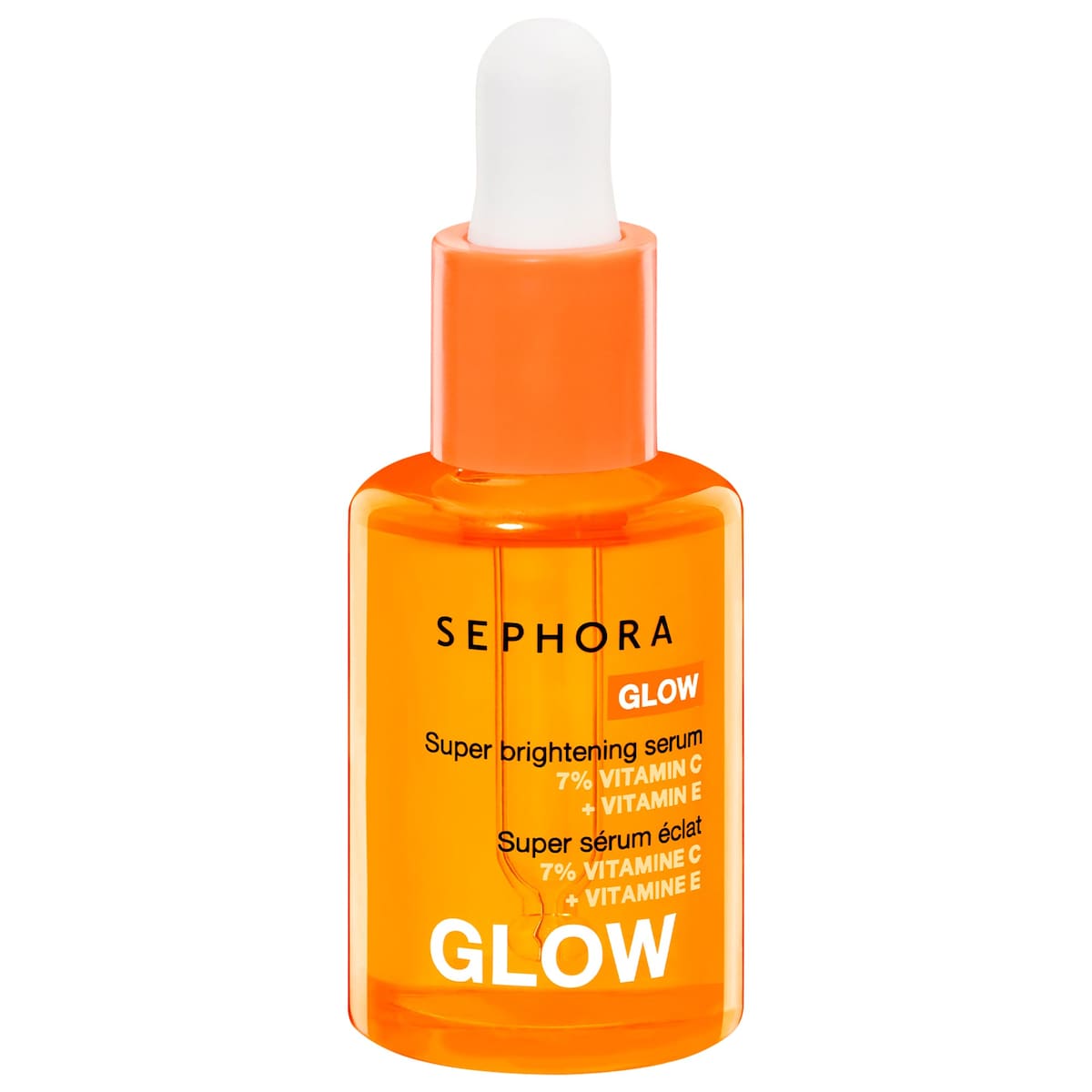 | Sephora Collection Glow Super Brightening Serum with Vitamin C + Vitamin E | View in Glass | Sephora | Dedicated brightening serum | People who want a low-cost vitamin C step before moisturizer |
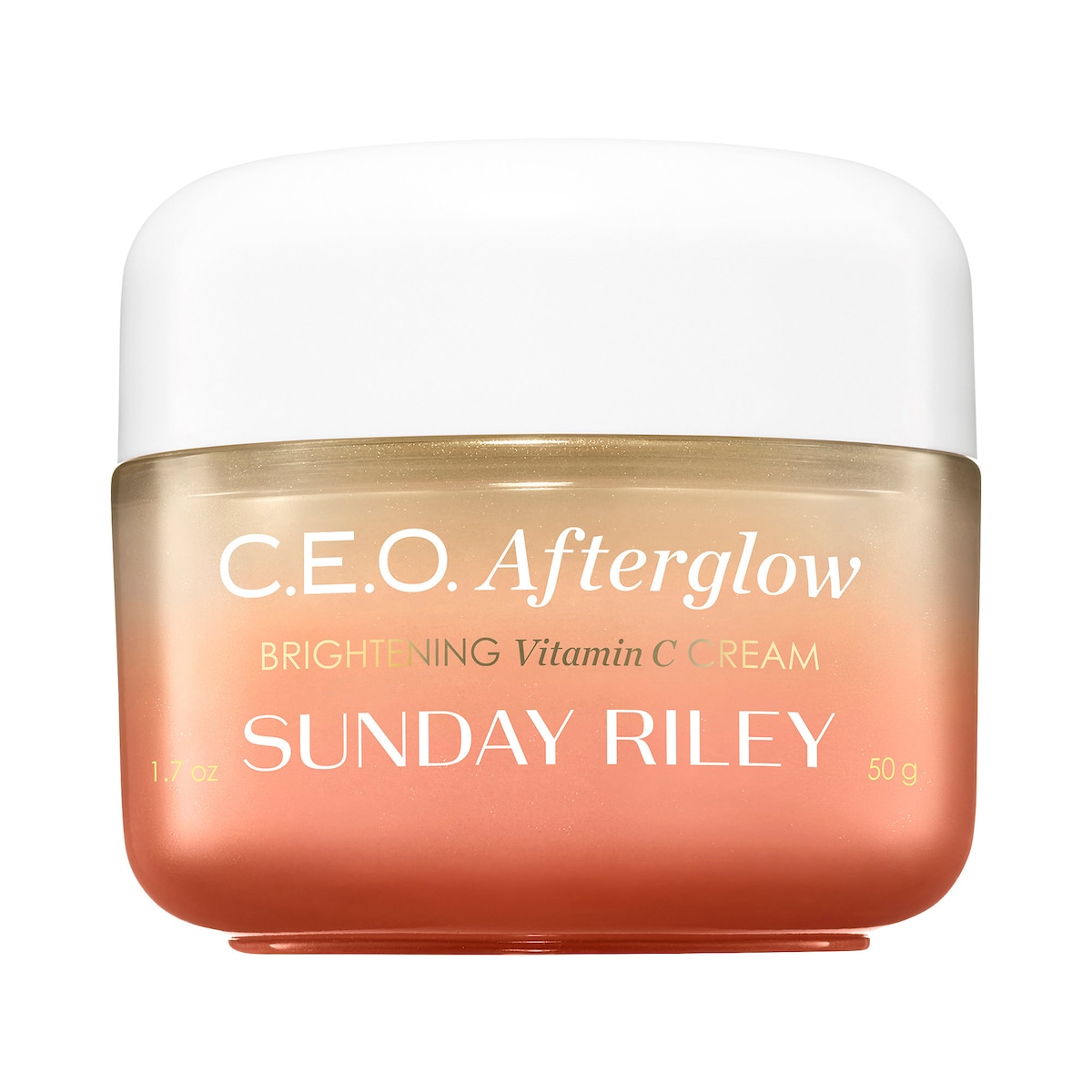 | Sunday Riley Mini C.E.O. Afterglow Brightening Vitamin C Moisturizer | View in Glass | Sephora | Moisturizer-with-vitamin-C glow step | People who want radiance and moisture in one cream step |
Quick verdict
I would pick Sephora Collection Glow when the routine already has a moisturizer I like. That is the cleanest use case. The serum gives me a vitamin C and vitamin E step, then I can seal it with whatever cream or gel fits my skin that day. It is also the easier choice if I am trying to keep the purchase practical. The product data shows a Sephora price label of $22.00 - $32.00, so it makes sense as a lower-risk brightening experiment.
I would pick Sunday Riley Afterglow when the problem is not just dullness, but dullness plus a flat, under-moisturized finish. It is not a classic serum slot. It is a cream step with vitamin C positioning, so it makes more sense when I want the final moisturizing layer to make skin look better immediately while still giving the routine an antioxidant-brightening angle.
That distinction matters because a lot of routines fail from role confusion. If I buy Afterglow expecting it to replace a dedicated serum, I may be disappointed by how moisturizer-like it is. If I buy the Sephora serum expecting it to replace a moisturizer, I am asking the wrong product to do the wrong job.
The real difference is the routine slot
The Sephora Collection product is a serum. Its own usage notes put it after cleansing and before moisturizing cream, and the Glass product data categorizes it as a Treat step. That is how I would use it: cleanse, apply a few drops, moisturize, then finish with sunscreen in the morning.
Sunday Riley Afterglow is a moisturizer. The product name matters here. It is not just “vitamin C.” It is “brightening vitamin C moisturizer.” In a routine, that means it has to be judged on comfort, finish, and whether it gives enough moisture, not just whether it sounds active.
This is why I do not see these two as direct substitutes. They can overlap on brightening, but they sit in different places:
- Sephora Collection Glow is the treatment layer.
- Sunday Riley Afterglow is the cream layer.
- Sephora Collection Glow lets the moisturizer be flexible.
- Sunday Riley Afterglow makes the moisturizer part of the brightening plan.
If I had to build the smallest routine with one of them, the Sunday Riley route is cleanser, Afterglow, sunscreen. The Sephora route is cleanser, Glow serum, moisturizer, sunscreen. Neither is automatically better. One is more modular. The other is more bundled.
Ingredient direction
Sephora Collection Glow is built around vitamin C and vitamin E, with the product data calling out sodium ascorbyl phosphate, 3-O-ethyl ascorbic acid, ascorbyl glucoside, and tocopherol. That reads like an approachable vitamin C serum because it uses derivative forms rather than presenting itself as the most intense acid-style vitamin C treatment on the shelf.
That is a good thing for a lot of people. Not every brightening routine needs to start with the strongest formula possible. If the goal is a more even, less tired-looking face and the rest of the routine is still being built, a moderate-feeling vitamin C serum can be easier to keep.
Sunday Riley Afterglow, from the product data available in the Glass generation output, centers the moisturizer around THD ascorbate, a stable oil-soluble vitamin C derivative, plus a creamier supporting structure. It also includes moisturizing and smoothing ingredients, with the generated analysis noting glycerin, safflower seed oil, silicones, and other texture-supporting components. It is also a scented-leaning formula in the generated ingredient breakdown because citrus and neroli oils are present, which matters if fragrance-like components usually bother your skin.
So the ingredient split is fairly simple:
- Sephora Collection Glow is the easier vitamin C serum lane.
- Sunday Riley Afterglow is the vitamin C moisturizer lane.
- Sephora Collection leans more flexible.
- Sunday Riley leans more sensorial and cushiony.
Texture and finish
This is where I would make the decision if both products sounded equally tempting.
The Sephora serum should feel like a serum step: a few drops, spread across clean skin, then covered with moisturizer. Because it is separate from the cream step, the final finish depends heavily on what you apply after it. That can be a strength. If your skin is oily, you can pair it with a light gel cream. If your skin is dry, you can pair it with something richer.
Sunday Riley Afterglow is more opinionated because it is the moisturizer. The point of a product like this is not just delayed brightness. It is the immediate look of a glow cream: more cushion, more softness, more of a finished-skin effect before sunscreen.
I would not choose Sunday Riley Afterglow if I wanted the lightest possible routine. I would choose it if I wanted my moisturizer to feel like the visible glow step. That is a different shopping mood.
Skin type fit
For normal, dry, and combination skin, the Sephora serum is easy to place because the moisturizer can do the skin-type customization. The product data lists normal, dry, and combination targets, and that makes sense. A separate serum does not have to solve every comfort problem by itself.
For oily skin, I would be more cautious with Sunday Riley Afterglow unless you already know you like richer glow creams. It may still work, but a moisturizer-with-vitamin-C can become too much if you prefer a bare, fast-dry finish. The Sephora serum with a lightweight moisturizer gives you more control.
For dry skin, Sunday Riley Afterglow has a clearer appeal. If your skin looks dull because it is also under-moisturized, a cream step can make the face look fresher faster than a serum alone. The Sephora serum can still work, but only if the moisturizer after it is doing enough.
For sensitive or easily reactive skin, I would start more conservatively. Sephora Collection Glow is marked fragrance-free in the generated product strengths, but it still contains vitamin C derivatives and other active-supporting ingredients, so patch testing still matters. Sunday Riley Afterglow has a more complex cream experience and includes fragrance-like botanical oils in the generated ingredient notes, so I would be slower with it if my skin reacts to scent.
Morning routine choice
Both make the most sense in a morning routine, but for different reasons.
Sephora Collection Glow is the more classic morning antioxidant step. I would use it after cleansing, then moisturize, then apply sunscreen. It is the product I would choose if I want to keep my treatment slot separate from hydration and protection.
Sunday Riley Afterglow is the more streamlined morning glow step. I would use it after cleansing or after a hydrating serum, then apply sunscreen. It is the better fit if I want to remove one decision from the routine because the moisturizer already has the brightening story built in.
The mistake would be stacking both every morning without a reason. A dedicated vitamin C serum plus a vitamin C moisturizer can be redundant, especially if your skin is not asking for that much. I would only combine them if I already tolerate vitamin C well and I am intentionally building a brighter, richer morning stack. Even then, I would introduce one at a time.
Price and repurchase logic
The Sephora serum is the practical buy. The Glass product data has it at $22.00 - $32.00, and that matters because brightening products need consistency. A serum you can comfortably repurchase is usually more useful than a product you ration because it feels expensive.
Sunday Riley Afterglow is the splurge-style decision, even in the mini format named in this comparison. I would judge it less as a treatment value and more as a moisturizer value. If it replaces your regular cream and gives you the finish you want, the cost can make more sense. If it sits next to a moisturizer you still have to use anyway, the value gets weaker.
That is my main buying rule here: if I need a vitamin C step, Sephora Collection Glow is cleaner. If I need a moisturizer and want vitamin C glow included, Sunday Riley Afterglow is cleaner.
Which one fits a beginner?
I would usually point a beginner toward Sephora Collection Glow, with one caveat: only if they already have a basic moisturizer and sunscreen. A separate serum teaches the routine structure better. It makes it obvious what the brightening step is and what the moisturizing step is.
Sunday Riley Afterglow is beginner-friendly in a different way because it can reduce steps. But I think it is easier to overestimate what it replaces. It replaces moisturizer. It does not replace sunscreen, and it does not necessarily replace every kind of targeted brightening serum.
If the routine is already confusing, I would rather see someone start with cleanser, moisturizer, sunscreen, then add the Sephora serum once the basics are stable. If the routine is already stable but feels visually flat, Afterglow becomes more tempting.
When I would choose Sephora Collection Glow
I would choose Sephora Collection Glow if I wanted an affordable, dedicated brightening layer that does not force me into a specific moisturizer texture.
It is the better choice when:
- You want vitamin C and vitamin E in a treatment step.
- You already own a moisturizer you like.
- You want more control over the final finish.
- You are testing whether vitamin C belongs in your routine.
- You prefer a lower-cost product before committing to a pricier brightening cream.
The real advantage is flexibility. If the serum works but your skin needs more moisture, you change the moisturizer. If the serum works but summer humidity makes your face shiny, you change the moisturizer. The brightening step can stay the same.
When I would choose Sunday Riley Afterglow
I would choose Sunday Riley Afterglow if the moisturizer slot is the slot I actually want to upgrade.
It is the better choice when:
- You want a glow cream, not another serum.
- Your skin looks dull and a bit dry or flat.
- You like a richer, more finished moisturizer feel.
- You want fewer separate morning steps.
- You are comfortable with a more sensorial cream formula.
The advantage is simplicity. Instead of adding a serum and then asking another product to create the glow, Afterglow makes the cream itself feel like the glow step.
Can you use both?
You can, but I would not start that way. I would pick one product, use it consistently, and watch how the skin behaves for a few weeks.
If you start with Sephora Collection Glow and still want more cushion, you could later use a richer moisturizer. That moisturizer does not have to be another vitamin C product. If you start with Sunday Riley Afterglow and still want a more targeted brightening step, you could add a serum on alternate mornings, but I would move slowly.
The cleaner approach is to avoid duplicate jobs. A routine does not get better just because every step says glow.
Bottom line
Sephora Collection Glow Super Brightening Serum is the better pick if you want a dedicated brightening serum. It is more modular, more affordable, and easier to pair with whatever moisturizer already works for your skin.
Sunday Riley Mini C.E.O. Afterglow Brightening Vitamin C Moisturizer is the better pick if you want your moisturizer to be the glow step. It is less about building a separate treatment layer and more about making the cream stage feel brighter, richer, and more polished.
My practical answer is this: choose Sephora Collection Glow when you are shopping for a serum. Choose Sunday Riley Afterglow when you are shopping for a moisturizer.
FAQ
Is Sephora Collection Glow a moisturizer?
No. I would treat it as a serum before moisturizer. The product data places it in the treatment step, and the usage notes say to apply it after cleansing and before moisturizing cream.
Is Sunday Riley Afterglow a serum?
No. It is a moisturizer with vitamin C positioning. That means it should be judged on moisture, comfort, and finish as much as brightening.
Which one is better for dark spots?
I would start with Sephora Collection Glow if the goal is a dedicated brightening step. If dark spots are the main concern, sunscreen consistency still matters more than choosing between these two.
Which one is better under sunscreen?
Sephora Collection Glow gives you more control because you choose the moisturizer after it. Sunday Riley Afterglow can be easier if you like creamier moisturizers under SPF.
Which one should I buy first?
Buy Sephora Collection Glow first if you already have a moisturizer. Buy Sunday Riley Afterglow first if you are replacing your moisturizer and want the cream step to look glowier.