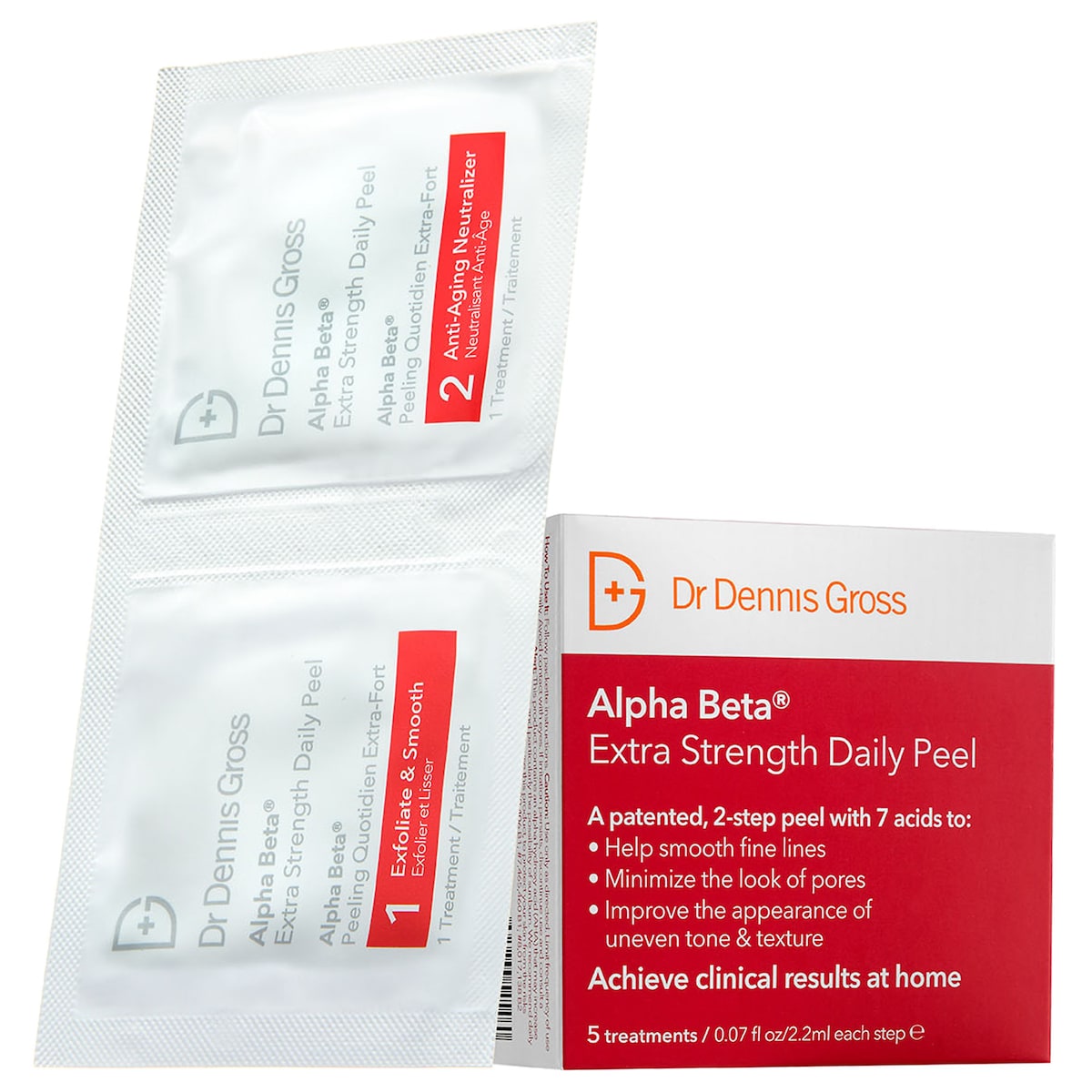
The hardest part of Dr. Dennis Gross Mini Alpha Beta Extra Strength Daily Peel Pads is not the two-step process.
It is restraint.
The product is clear enough: Step 1, wait two minutes, Step 2, do not rinse. The mini format gives you five treatments. The concern lane is fine lines, uneven texture, acne, and blemishes. The ingredients include glycolic acid, mandelic acid, salicylic acid, resveratrol, and green tea.
The real problem is what happens after the first good morning.
Skin looks smoother. Makeup sits better. The rough patch near the chin feels less obvious. Now the brain starts negotiating. Maybe every other night. Maybe daily. Maybe use it with retinol because the skin seems fine. Maybe add a brightening serum too.
That is how a useful peel pad becomes an over-exfoliation problem.
As of May 2026, I would use Dr. Dennis Gross Mini Alpha Beta Extra Strength Daily Peel Pads like a planned exfoliation-night tool, not a daily reflex. The product can be useful for texture, clogged-looking pores, dullness, and post-breakout roughness, but only if the rest of the week leaves room for recovery.
The Short Version
If I were using the mini peel pads carefully, I would start with one pad on one calm night, then wait several days before the next treatment. I would not use retinol, benzoyl peroxide, another exfoliating acid, a scrub, or a new brightening serum on the same night.
| Routine question | My answer |
|---|---|
| Best time | Night |
| First-use pace | One treatment, then wait several days |
| Same night as retinol | I would separate them |
| Same night as benzoyl peroxide | I would separate them |
| Same night as another acid | No |
| Next morning | Gentle routine plus sunscreen |
| Stop signs | Burning, tight shine, peeling, unusual redness, moisturizer stinging |
The peel pad should make the routine cleaner, not more chaotic.
Why Over-Exfoliation Happens So Fast
Exfoliation gives quick feedback.
That is the trap. A moisturizer may take a week to prove itself. Sunscreen value is mostly long-term. A peel pad can make skin feel smoother quickly, so it starts to feel like the answer to every bad skin morning.
But dullness is not always a dead-skin problem.
Dullness can be dehydration, irritation, poor sleep, an incompatible cleanser, skipped moisturizer, weather, over-cleansing, or too many actives. If you exfoliate every time skin looks flat, you may polish skin that actually needs rest.
The American Academy of Dermatology's at-home exfoliation guidance is practical here: consider the products you already use, because retinol, benzoyl peroxide, and other products can make skin more sensitive or peel. That is the whole issue with peel pads. They do not live alone. They live inside a week.
The First Pad
I would use the first pad on a boring night.
Not the night before a big event. Not the night after sun exposure. Not the night my skin already feels tight. Not the night I also want to use retinol.
The first pad routine:
- Cleanse gently.
- Dry skin fully.
- Use Step 1 on face, neck, and chest only if those areas already tolerate actives.
- Wait two minutes.
- Use Step 2.
- Do not rinse.
- Apply a plain moisturizer.
- Stop.
I would keep the eye area, lips, broken skin, picked pimples, and irritated patches out of it.
The next morning tells me more than the first ten minutes. Some tingling can happen with acid products, but I care about the after-effect: comfort, redness, tightness, moisturizer tolerance, and whether sunscreen burns.
A Five-Pad Schedule That Makes Sense
The mini box is perfect for a slow schedule.
Here is how I would use five treatments if I wanted to learn instead of rush:
| Pad | Timing | Goal |
|---|---|---|
| 1 | Week 1, one calm night | Learn basic tolerance |
| 2 | Four to seven days later | Confirm the skin can repeat it |
| 3 | Week 2 or 3 | Watch texture without stacking actives |
| 4 | Only if skin stayed calm | Decide whether it earns a monthly or weekly slot |
| 5 | Save for a planned texture night | Avoid panic-use when skin looks dull |
If the skin gets irritated after pad one, I would not use pad two just because it is in the box.
Unused product is less expensive than a damaged barrier.
Texture Without The Spiral
Texture is the best use case for these pads.
I would look for surface-level problems: roughness, makeup catching, small clogged-looking areas, dull skin that still feels calm, or unevenness after breakouts. That is where an AHA/BHA pad can make sense.
I would not use the pads as a response to deep cysts, raw pimples, open skin, or active picking. Salicylic acid can support clogged pores, but a two-step peel pad is not a spot treatment for inflamed skin.
If the acne problem is active, painful, or worsening, a simple acne plan matters more than stronger exfoliation. Adult acne treatment guidance from dermatology groups consistently puts acne care in a structured treatment lane, not a random peel-pad lane.
That is how I would keep the expectation clean: use peel pads for texture and surface congestion, not as punishment for active acne.
Post-Breakout Marks
Post-breakout marks are where people often overdo acids.
You see a red, pink, brown, or purple mark after a pimple clears, and it feels like exfoliation should speed everything up. Sometimes exfoliation can help the skin look smoother and more even. Sometimes it makes the mark look angrier because the skin is irritated.
The safer sequence is:
- Stop picking.
- Keep sunscreen consistent.
- Keep acne from repeating in the same area.
- Use exfoliation only when the skin is calm.
- Avoid stacking multiple brightening and acid steps at once.
The American Academy of Dermatology notes that flat post-acne discoloration is different from true scarring and can fade over time. That matters because a peel pad may help the surface look better, but it will not refill a pitted scar.
If your post-breakout marks are the main issue, track whether they get calmer over weeks, not whether they look different the morning after one pad.
Retinol Nights Stay Separate
I would not use these pads on the same night as retinol while building tolerance.
Could some experienced routines handle both? Maybe. That is not the starting point I would choose.
A cleaner week looks like this:
| Night | Routine lane |
|---|---|
| Monday | Recovery |
| Tuesday | Retinol |
| Wednesday | Recovery |
| Thursday | Peel pad |
| Friday | Recovery |
| Saturday | Moisturizer-only or hydrating routine |
| Sunday | Decide based on skin, not the calendar |
The point is spacing. Retinol gets room. Exfoliation gets room. Recovery gets respect.
If you need a broader night-routine map, I moved my nighttime skincare routine earlier has a clear retinol, exfoliation, and recovery rhythm.
Benzoyl Peroxide And Acne Treatments
Benzoyl peroxide can dry and irritate skin. So can exfoliating acids.
That does not mean either ingredient is bad. It means stacking them casually is a common way to end up tight, flaky, or burning. If acne care is already in the routine, I would keep peel pads on separate nights and make recovery non-negotiable.
For example:
- Benzoyl peroxide wash in the morning, peel pad at night: still watch carefully.
- Benzoyl peroxide leave-on and peel pad same night: I would not start there.
- Salicylic cleanser plus peel pad: count both as acid exposure.
- Retinoid plus peel pad: separate while building tolerance.
The face does not care that products came from different categories. It only feels the total load.
Morning After Care
The morning after a peel pad should be plain.
I would use:
- Gentle rinse or cleanser.
- Moisturizer if needed.
- Broad-spectrum sunscreen.
No scrub. No acid toner. No aggressive vitamin C if the skin feels tender. No trying to extend the glow with more exfoliation.
If sunscreen stings, I would take that seriously. It may mean the skin is more sensitive than usual. Pause actives and simplify.
If the skin looks smooth and comfortable, good. Do not immediately spend that comfort on another active.
The Stop Signs
These are the signs I would treat as a pause:
- skin feels hot
- moisturizer stings
- sunscreen burns
- cheeks look unusually red
- mouth or nose starts peeling
- skin looks shiny but feels tight
- breakouts look more inflamed
- usual products suddenly feel harsh
When that happens, the next move is recovery:
- Gentle cleanse.
- Plain moisturizer.
- Sunscreen in the morning.
- No peel pads until skin feels normal again.
If irritation is severe, persistent, swollen, painful, or spreading, get medical advice.
How To Pair A Moisturizer
After Step 2, I would keep moisturizer boring.
This is not the night for a fragranced mask, a new oil, or a strong active cream. A simple barrier-support moisturizer is enough. If skin is oily, use a lighter gel cream. If skin is dry, use a richer cream. If skin is reactive, use the moisturizer your face already trusts.
The goal is not to smother the peel. The goal is to keep the skin comfortable after exfoliation.
If your moisturizer burns after the peel, that is useful information. The skin may not be ready for that frequency or product strength.
Where Glass Fits
Peel pads are easy to misremember.
You think you used one last week, but it was three nights ago. You think you skipped retinol, but you used it yesterday. You think your skin is breaking out from moisturizer, but the bumps started after two acid nights too close together.
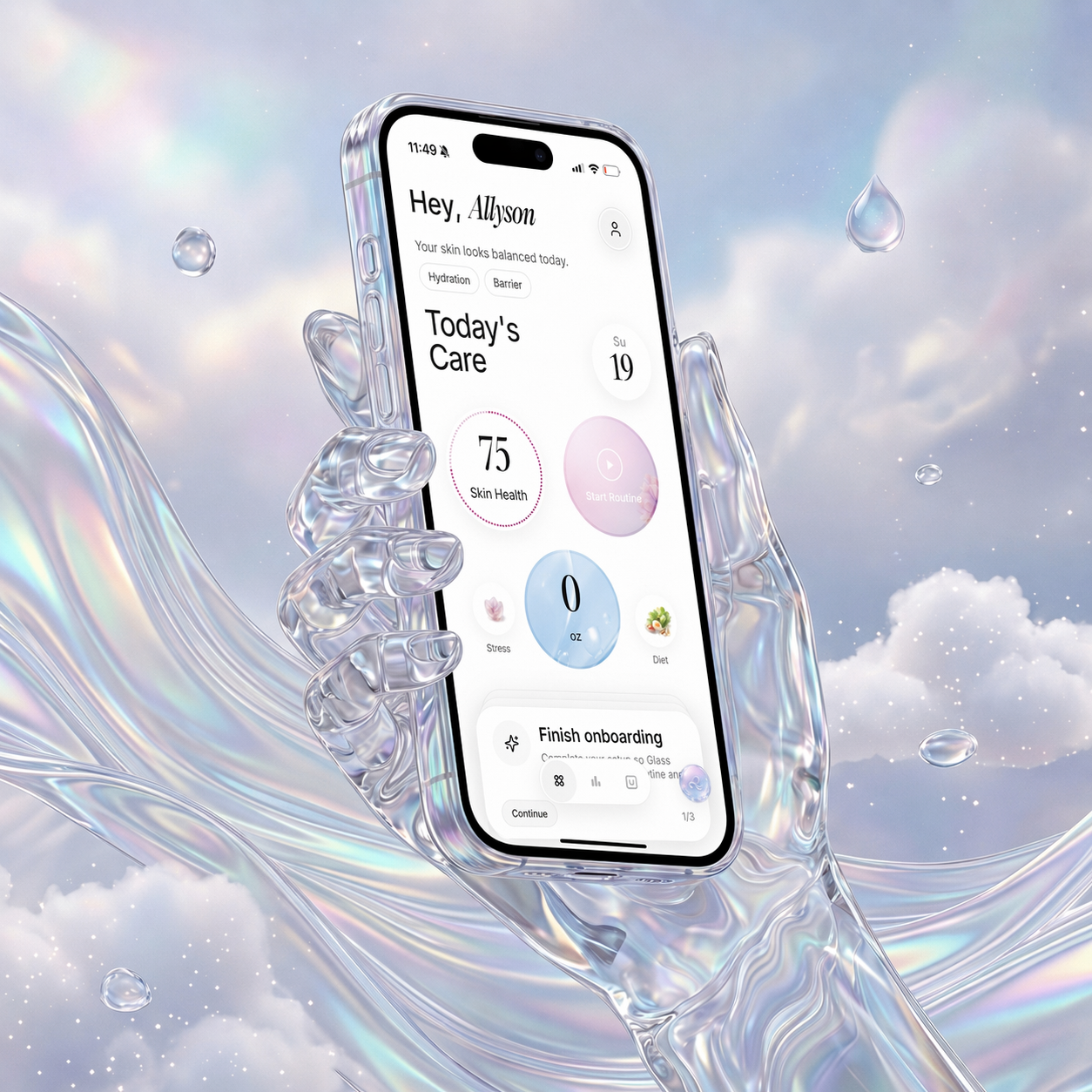
That is why I would log this in Glass.
Add the peel pads, mark them as an exfoliation step, and track the date used. Note if the next morning felt smoother, tighter, redder, or calmer. That turns a strong mini product into a controlled experiment instead of a habit you accidentally overdo.
If your skin is already sensitive, I used a three-night sensitive-skin routine is the safer framework before you add stronger exfoliation.
My Bottom Line
I would use Dr. Dennis Gross Mini Alpha Beta Extra Strength Daily Peel Pads as an occasional exfoliation-night product for calm skin, not as a daily challenge.
They make sense for texture, dullness, clogged-looking pores, and post-breakout unevenness when the rest of the routine is stable. They do not make sense on irritated skin, open breakouts, active peeling, or weeks where retinol and acne treatments are already pushing the barrier.
The best way to use the mini is to let each packet teach you something. Use one. Wait. Track. Recover. Then decide.
That is how a strong peel pad becomes useful instead of becoming the reason your moisturizer starts burning.
FAQ
How often would I use the mini peel pads at first?
I would start with one treatment, then wait several days. If skin stays calm, use another the next week or after four to seven days. Daily use is not where I would start.
Can I use Dr. Dennis Gross peel pads with retinol?
I would keep them on separate nights while building tolerance. If your dermatologist has given you a different plan, follow that plan.
Can they help post-breakout marks?
They may help surface texture and overall brightness when skin is calm, but they are not a complete dark-mark or scar treatment. Sunscreen and acne control matter more for the full plan.
What should I do if my skin feels tight after using one?
Pause exfoliation, keep the routine gentle, use a plain moisturizer, and wear sunscreen. Do not use another pad until the skin feels normal again.