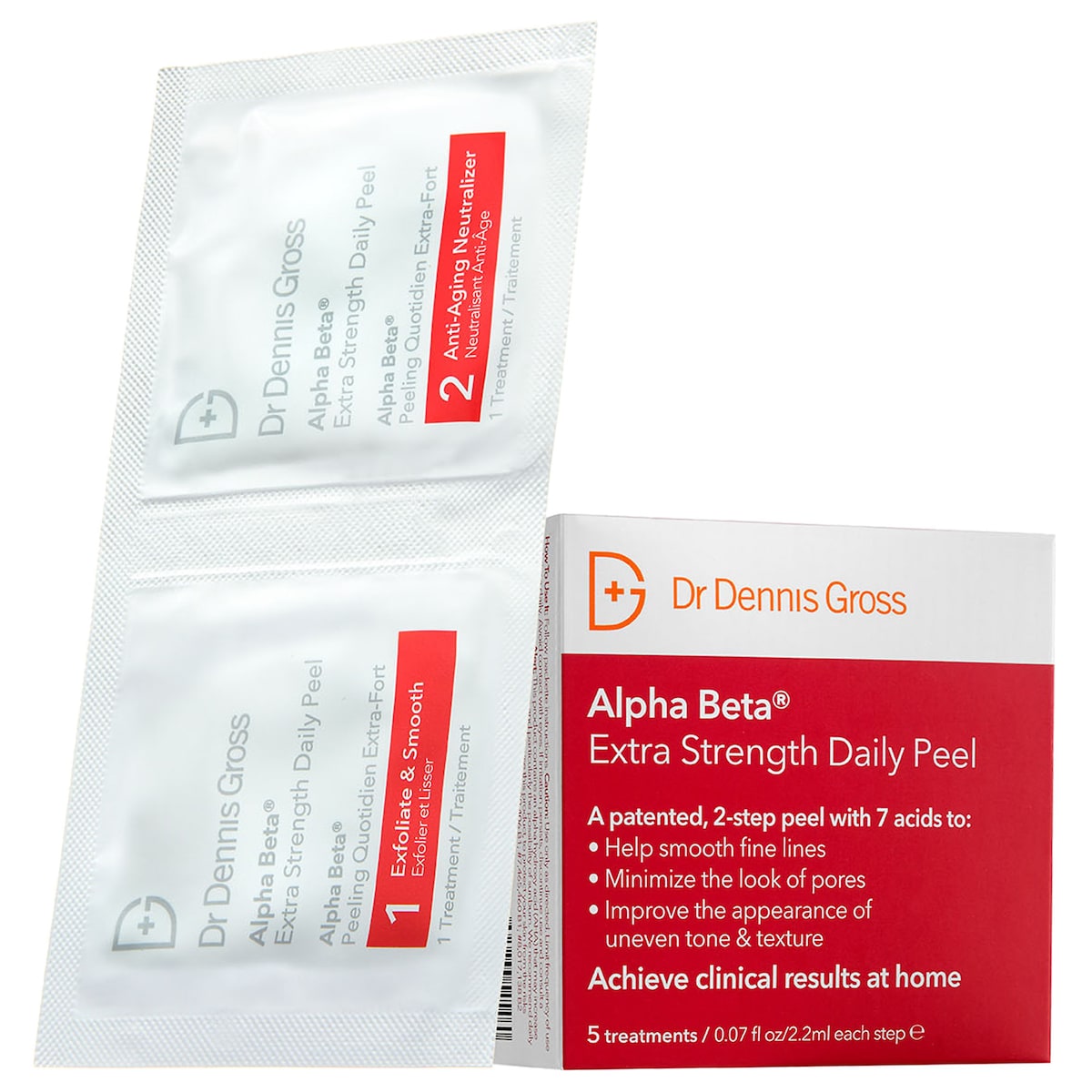
The base for most skincare formulations.
Usually helps with
Hydration
A highly effective alpha hydroxy acid (AHA) that exfoliates the skin's surface, helping to improve texture, tone, and reduce the appearance of fine lines and wrinkles. Its small molecular size allows for deep penetration.
Usually helps with
Exfoliation, fine lines, wrinkles, uneven tone
Watch for
Can cause stinging or redness, especially on sensitive skin or if overused. Not recommended for compromised skin barriers.
pH Adjuster
Potassium Hydroxide
Used to adjust the pH of the formula, often to optimize the efficacy of the exfoliating acids.
Usually helps with
Formula stability
Watch for
Can be irritating in high concentrations.
Astringent
Hamamelis Virginiana (Witch Hazel) Water
A natural astringent that can help to temporarily tighten pores and reduce oiliness. It also has anti-inflammatory properties.
Usually helps with
Oil control, pore appearance
Watch for
Can be drying for some skin types due to its alcohol content (though this specific ingredient is often alcohol-free, the overall formulation may contain alcohol).
A beta hydroxy acid (BHA) that is oil-soluble, allowing it to penetrate pores and exfoliate from within. It's excellent for clearing congestion, blackheads, and blemishes.
Usually helps with
Acne, blackheads, pore congestion, oily skin
Watch for
Can be drying or irritating if overused. Not ideal for very dry or sensitive skin.
Helps to mix oil and water-based ingredients, creating a stable emulsion.
Usually helps with
Formula texture
An alpha hydroxy acid (AHA) that exfoliates the skin's surface while also providing hydration. It's known for its gentler exfoliating action compared to glycolic acid and can help improve skin texture and radiance.
Usually helps with
Exfoliation, hydration, uneven tone
Watch for
Can cause mild irritation or sensitivity.
An alpha hydroxy acid (AHA) with a larger molecular size than glycolic or lactic acid, meaning it exfoliates more superficially and gently. It's particularly good for improving skin texture and tone, and is often better tolerated by sensitive skin.
Usually helps with
Gentle exfoliation, uneven texture, hyperpigmentation
Watch for
Less potent than smaller AHAs, may not be sufficient for deep exfoliation needs.
An alpha hydroxy acid (AHA) derived from apples. It offers gentle exfoliation and can help improve skin hydration and smoothness.
Usually helps with
Gentle exfoliation, hydration
Watch for
Mild potential for irritation.
An alpha hydroxy acid (AHA) often used for its exfoliating and antioxidant properties. It can help to brighten the skin and improve texture.
Usually helps with
Exfoliation, brightening
Watch for
Can cause mild irritation.
Soothing Agent
Salix Alba (Willow) Bark Extract
A natural source of salicylates, it has anti-inflammatory and soothing properties. It can also offer mild exfoliation.
Usually helps with
Soothing, anti-inflammatory
Antioxidant
Camellia Sinensis Leaf Extract
Green tea extract is rich in antioxidants that help protect the skin from free radical damage caused by environmental stressors. It also has anti-inflammatory properties.
Usually helps with
Antioxidant protection, soothing
Soothing Agent
Achillea Millefolium Extract
Yarrow extract is known for its anti-inflammatory and wound-healing properties, helping to calm the skin.
Usually helps with
Soothing, anti-inflammatory
Soothing Agent
Chamomilla Recutita (Matricaria) Flower Extract
Known for its calming and anti-inflammatory properties, it helps to soothe irritated skin.
Usually helps with
Soothing, anti-inflammatory
Antioxidant
Soy Isoflavones
Plant-derived compounds with antioxidant properties that can help protect the skin and potentially improve skin firmness.
Usually helps with
Antioxidant protection, anti-aging
Watch for
Some individuals may have sensitivities to soy.
Soothing Agent
Anthemis Nobilis Flower Extract
A form of chamomile extract known for its soothing and calming properties.
Usually helps with
Soothing, anti-inflammatory
A common humectant that draws moisture from the air into the skin, helping to keep it hydrated and soft.
Usually helps with
Hydration
Skin Conditioning Agent
Copper PCA
A mineral compound that plays a role in skin health and repair. It can help with collagen production and wound healing.
Usually helps with
Skin repair, anti-aging
Watch for
Can be irritating for some.
Skin Conditioning Agent
Zinc PCA
A derivative of zinc that helps to regulate sebum production and has anti-inflammatory properties. It's often used for oily and acne-prone skin.
Usually helps with
Oil control, anti-inflammatory
Watch for
Can be drying for some.
A phospholipid that acts as an emulsifier and skin-conditioning agent, helping to stabilize the formula and improve skin texture.
Usually helps with
Formula texture, skin conditioning
Used as a solvent and to help ingredients penetrate the skin. However, it can be drying and potentially irritating, especially in higher concentrations or for sensitive skin types.
Usually helps with
Product preservation, ingredient penetration
Watch for
Can cause dryness, redness, and irritation. Not ideal for dry or sensitive skin.
Helps to blend oil and water ingredients.
Usually helps with
Formula texture
Chelating Agent
Disodium EDTA
Helps to improve the stability and performance of the product by binding to metal ions.
Usually helps with
Formula stability
Cooling Agent
Menthone Glycerin Acetal
Provides a cooling sensation on the skin, often used for a refreshing feel.
Usually helps with
Refreshing sensation
Watch for
Can be irritating for very sensitive skin.
Fragrance
Fragrance (Parfum)
Adds a scent to the product. Many people are sensitive to fragrance, which can cause irritation, redness, or allergic reactions.
Usually helps with
Product scent
Watch for
Potential for irritation, redness, and allergic reactions in sensitive individuals.
Preservative
Phenoxyethanol
A common preservative used to prevent microbial growth in cosmetic products.
Usually helps with
Product preservation
Watch for
Can cause skin irritation or allergic reactions in some individuals.
A preservative that helps prevent the growth of bacteria and fungi in the product.
Usually helps with
Product preservation
Preservative
Sodium Benzoate
A preservative that helps prevent the growth of bacteria and fungi in the product.
Usually helps with
Product preservation
Preservative
Potassium Sorbate
A preservative used to inhibit the growth of mold, yeast, and bacteria.
Usually helps with
Product preservation