
You do not get glass skin by trying harder.
You get closer to it by making your skin do less recovery work.
That is the shift most people miss.
The best-looking skin usually does not come from the longest routine, the strongest active, or the newest thing in your cart. It usually comes from a calmer pattern: less stripping, less guessing, better hydration, better barrier support, and a routine you can repeat when life is normal, not just when you are feeling disciplined.
The basics usually come back to the same things:
- hydrate well
- protect your barrier
- exfoliate carefully
- wear sunscreen every day
- stay consistent
The gap is what to do when your skin is tight, oily, reactive, textured, over-layered, or simply tired of being messed with.
That is where most routines break.
The short answer
If you want the cleanest answer first, this is what actually helps most people get closer to glass skin:
- wash with a cleanser that does not leave your face tight
- add one true hydration layer before treatment products
- use one serum for the job you actually need, not three
- seal that hydration in with moisturizer
- wear sunscreen every morning
- stop over-exfoliating and stop changing products too fast
That is the core of it.
Not 10 steps. Not a shelf that looks impressive. Not glow for one night.
Glass skin is really the visual result of smoother texture, steadier hydration, calmer inflammation, and enough barrier support that light reflects more evenly off the skin. If your face is shiny but rough, irritated, or flaky, that is not the same result.
What people usually get wrong
One person said achieving glass skin felt like it was “locked behind a paywall.” Another said bluntly that real glass skin does not exist the way social media sells it. Both points are fair. A lot of people are chasing filtered skin, procedure-level skin, or somebody else’s genetics with a random pile of skincare products.
That is why I think it helps to use a more honest goal:
Aim for skin that looks clearer, smoother, more hydrated, and more even in normal lighting.
That goal is more realistic, and it usually leads to better decisions:
- you stop buying every “glow” product you see
- you stop mistaking irritation for exfoliation progress
- you stop expecting a serum to undo poor sleep, too much picking, skipped sunscreen, and a stripped barrier all at once
If your skin already stings, burns, peels, or suddenly hates everything, do not chase glass skin yet. Start with skin barrier repair routine: what to do when everything suddenly stings.
The products I would build around
The routine below works because each product has one job. That keeps the stack simple and easier to troubleshoot.
| Image | Step | Product | Best for | Why it helps |
|---|---|---|---|---|
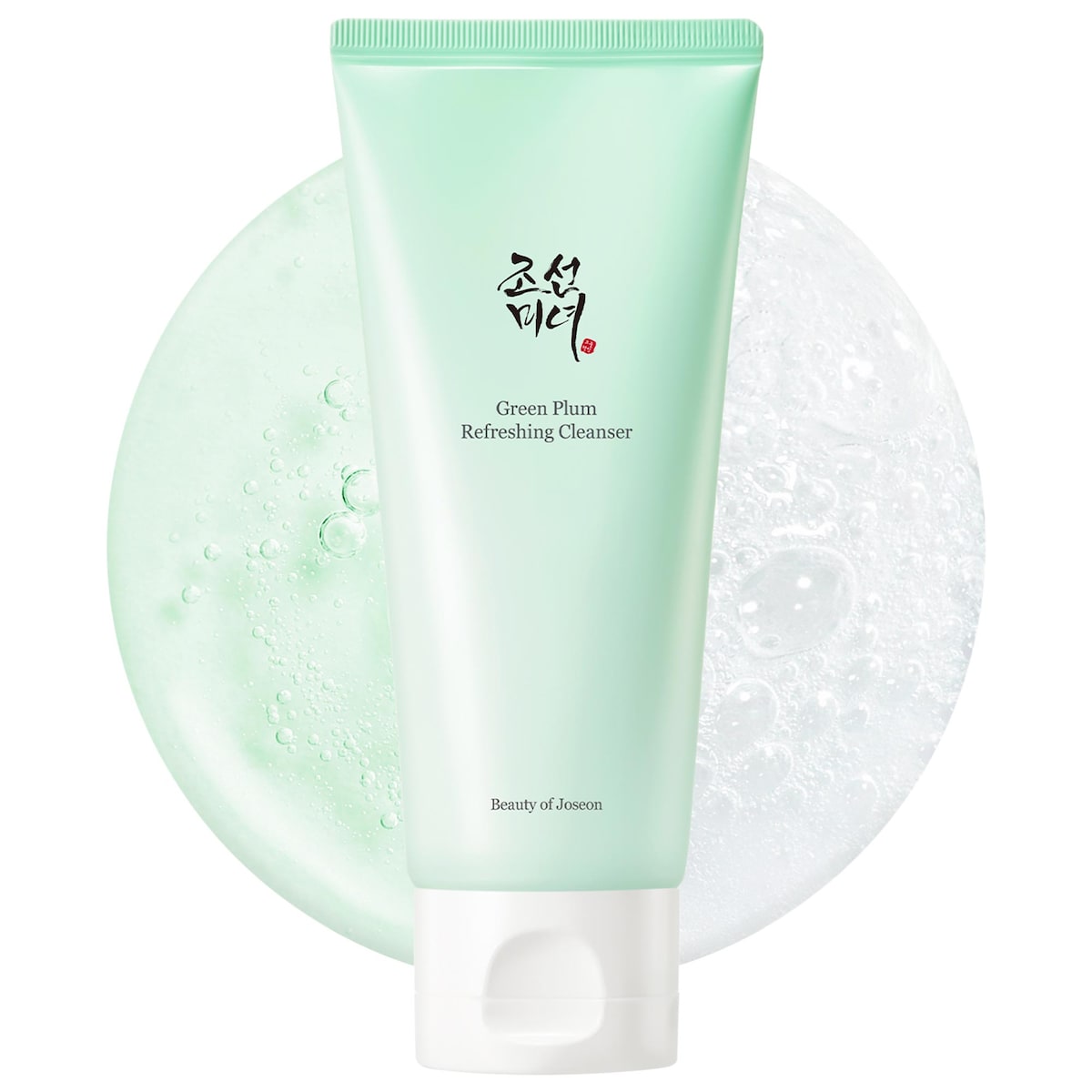
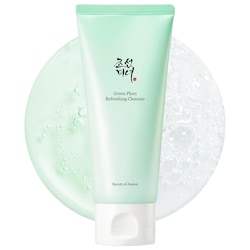 | Cleanser | Beauty of Joseon Green Plum Refreshing Cleanser for Gentle Daily Wash | Skin that feels tight after washing | Gives you a cleaner starting point without that stripped finish |
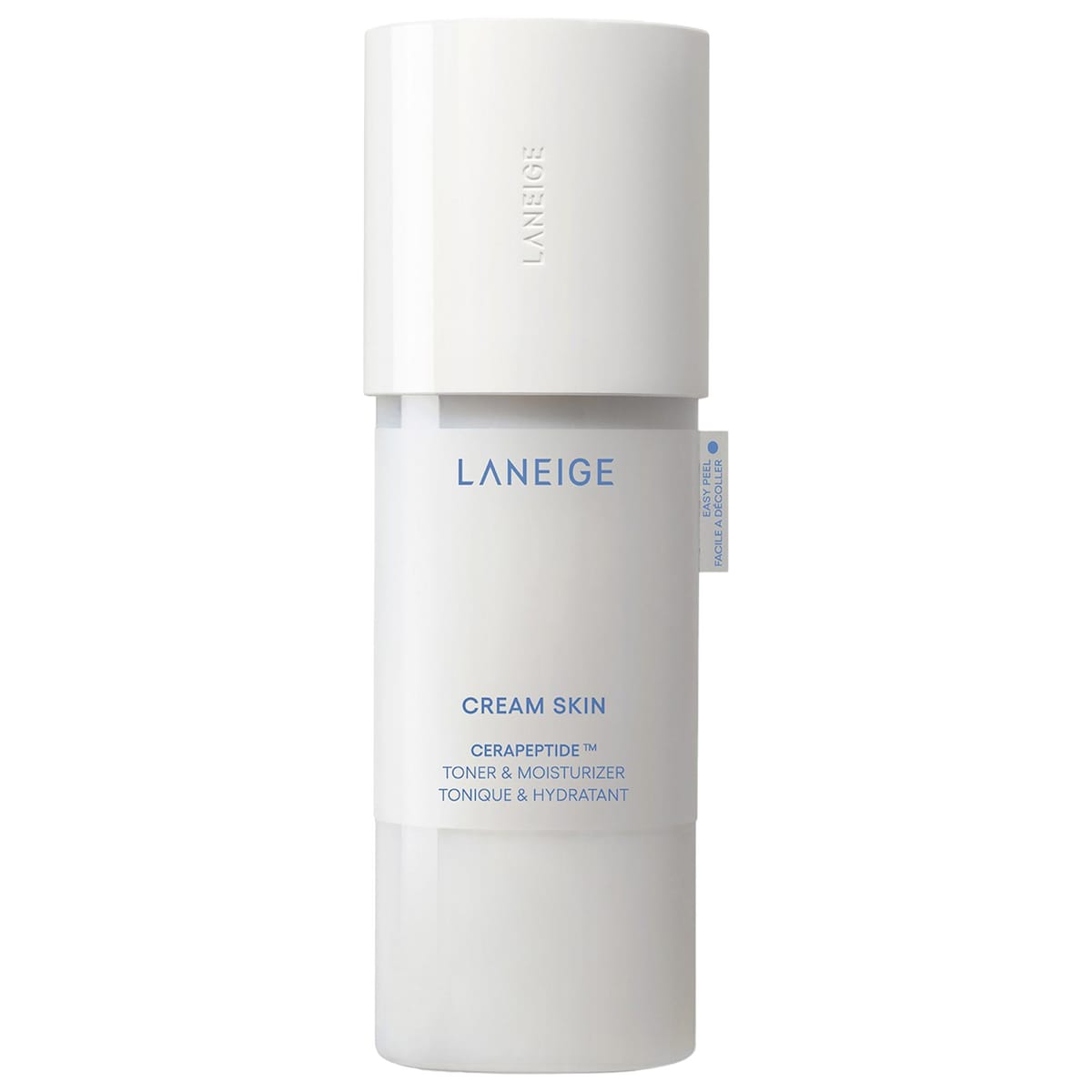
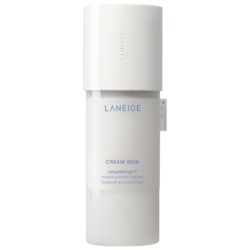 | Hydration prep | LANEIGE Cream Skin Refillable Milky Toner with Ceramides and Peptides | Dry, dull, or dehydrated skin | Adds cushion fast and makes the rest of the routine feel easier |
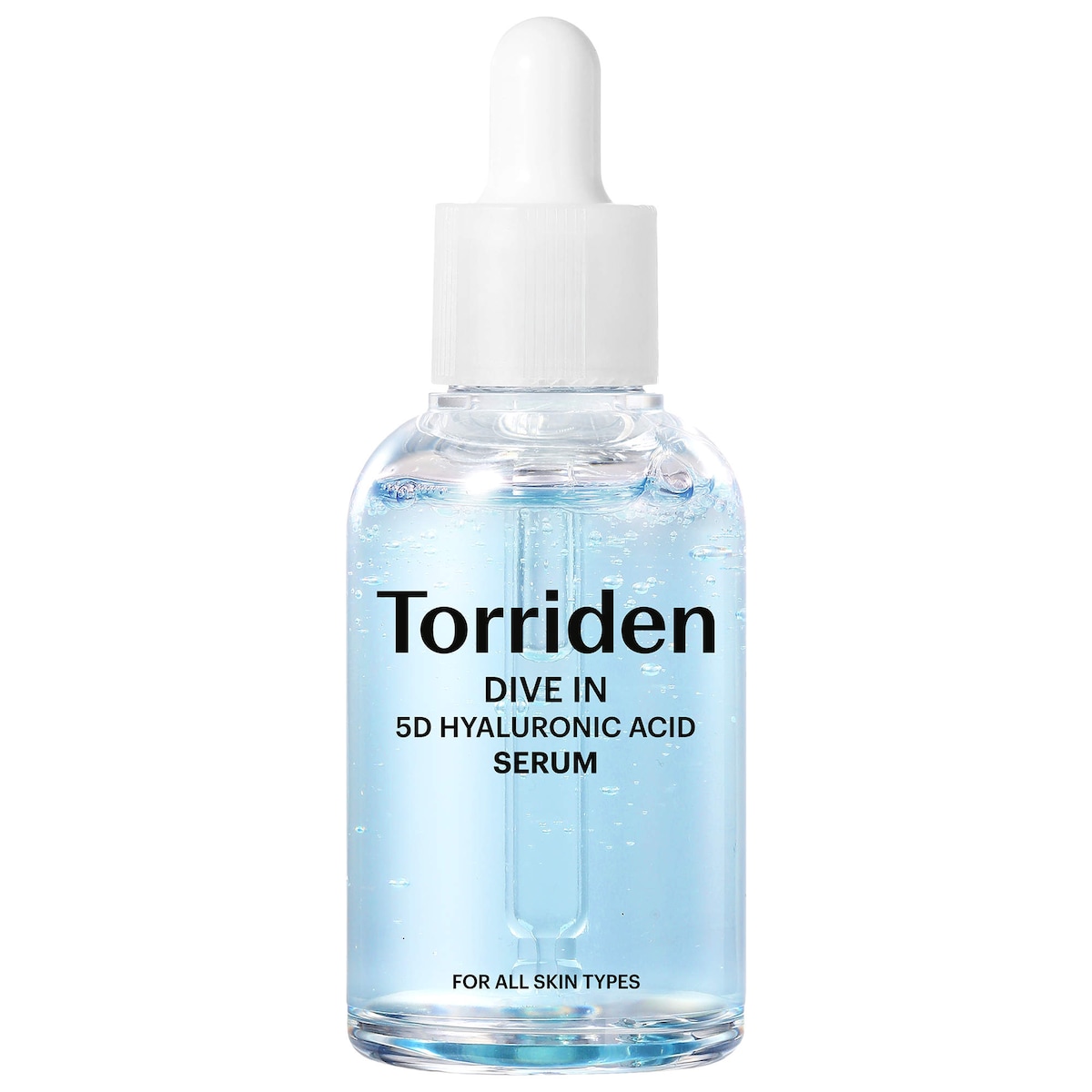
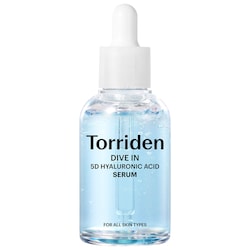 | Hydrating serum | Torriden DIVE IN 5D Hyaluronic Acid Ultra Hydrating Serum for Plump & Glow Skin | Bounce, plumpness, soft texture | Helps skin look fuller and less flat without making the routine heavy |
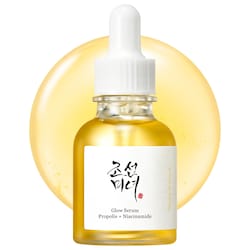 | Balancing serum | Beauty of Joseon Glow Serum for Oil Control with Niacinamide | Uneven tone, oily T-zone, post-breakout marks | Better when your problem is imbalance, not lack of shine |
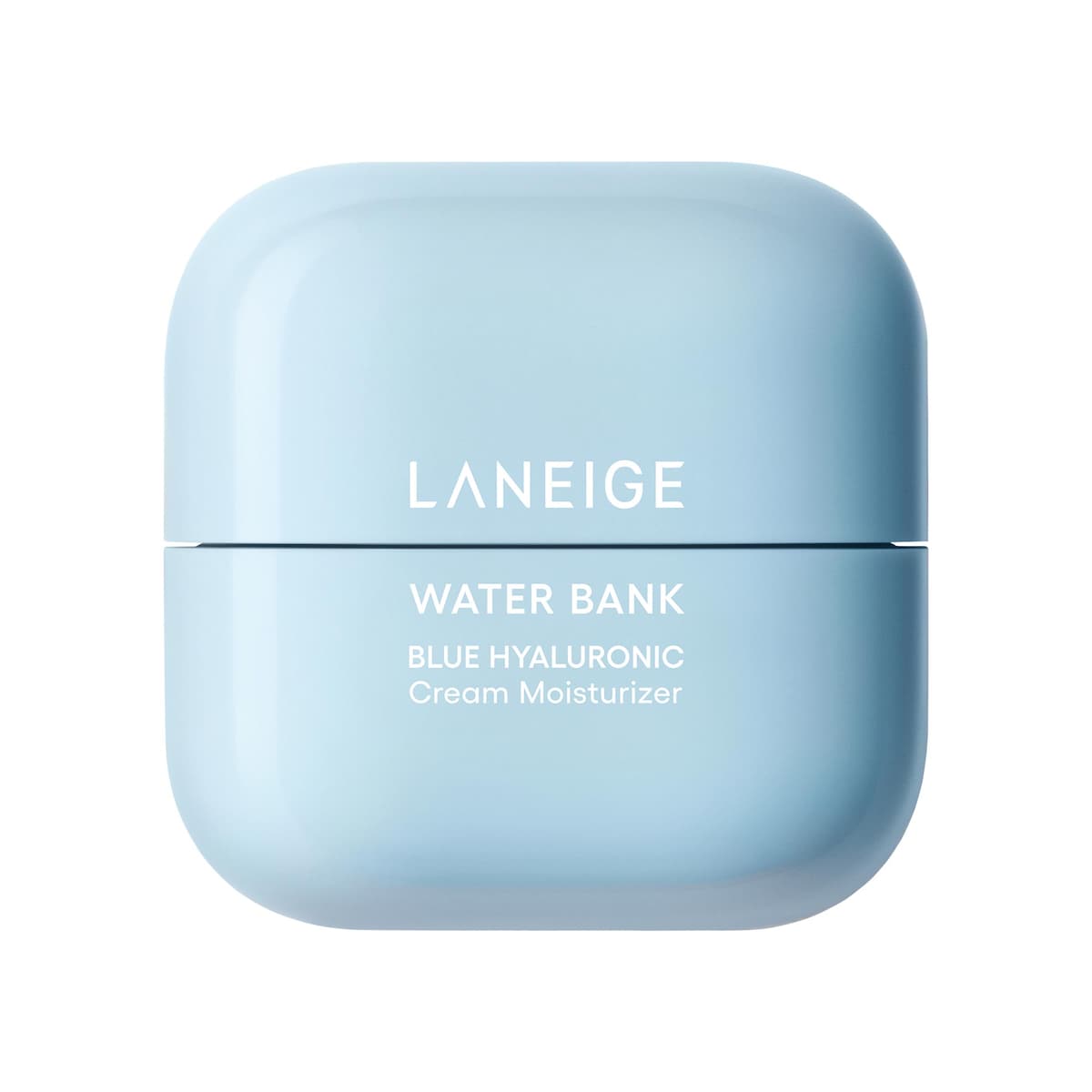
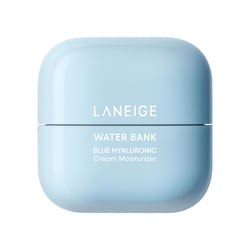 | Moisturizer | LANEIGE Water Bank Blue Hyaluronic Cream Moisturizer for Moisture Barrier Repair | Smooth, comfortable moisture | Seals hydration in without turning glossy into greasy |
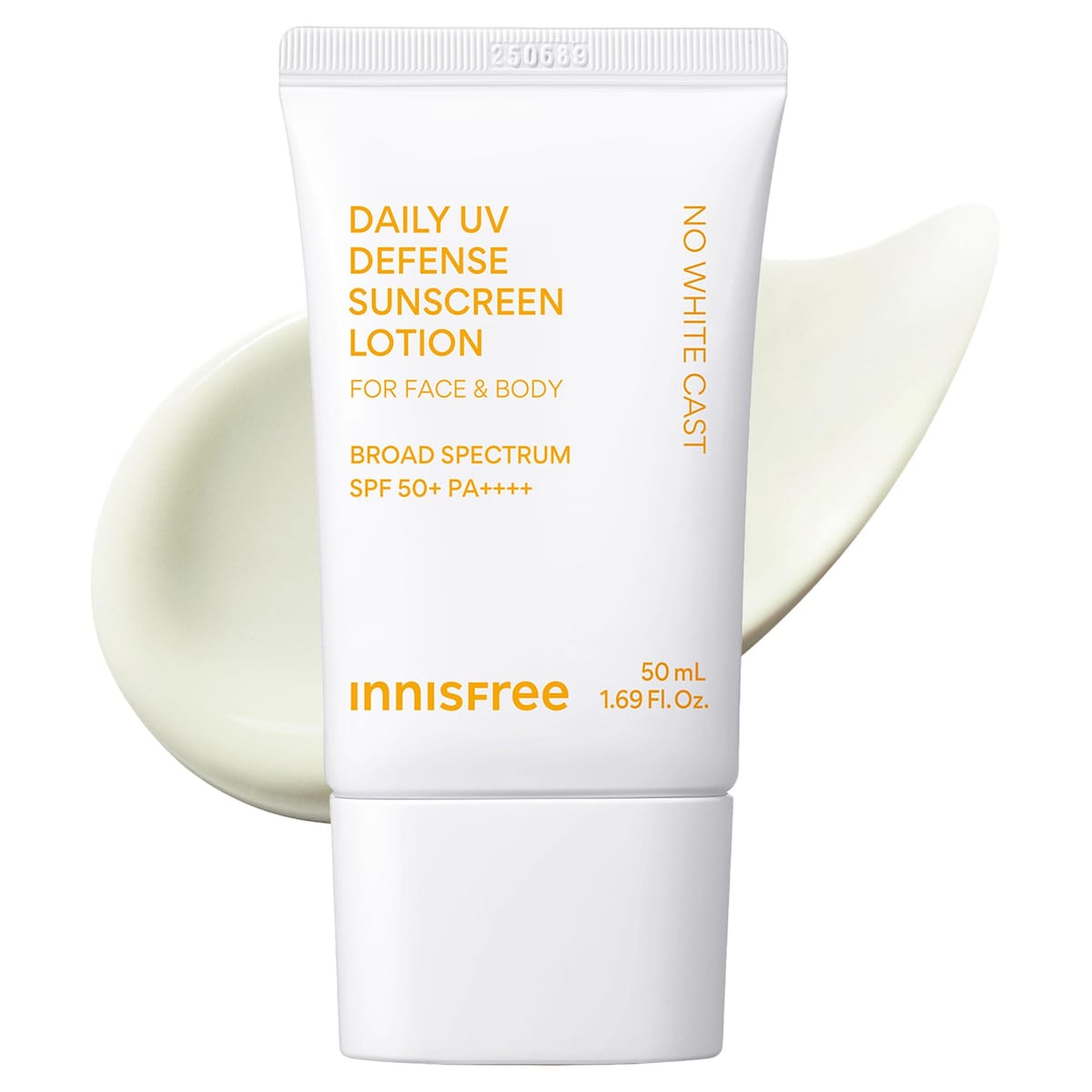
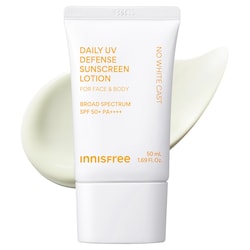 | Sunscreen | innisfree Daily UV Defense Invisible Korean Sunscreen Lotion Broad Spectrum SPF 50+ PA++++ | Daily wear | Easy-enough finish that you are more likely to keep using it |
If you want a bigger shopping list after this, best products for glass skin (April 2026) is the broader roundup.
The routine that actually gets you there
1. Cleanse in a way that does not create the next problem
This is the first place I would tighten the routine.
The AAD still recommends gentle face washing with lukewarm water and no scrubbing. That advice sounds basic because it is basic, but it matters more than people want it to. A harsh cleanse can make every step after it feel necessary when the real problem was step one.
If your face feels squeaky, hot, or tight after washing, your routine is already leaning in the wrong direction.
That is why a cleanser like Beauty of Joseon Green Plum Refreshing Cleanser earns its spot. It is not there to wow you. It is there to stop the cycle where you strip your skin, panic, then try to compensate with richer and richer layers.
At night, cleanse thoroughly enough to remove sunscreen and the day. In the morning, many people do better with a lighter cleanse. If your skin is dry or reactive, that simple shift alone can make your face look better within a week.
2. Add hydration before you chase correction
This is where a lot of “glass skin” routines become smarter.
Hydration layering matters because skin usually looks more reflective when it is well hydrated and calm, not when it is aggressively treated.
I like starting with a milky hydration step because it solves the most common complaint fast: “My skin still looks flat even when I use serum.”
That is usually because the skin is thirsty first.
LANEIGE Cream Skin makes sense here because it gives you that first layer of comfort without forcing you into a whole essence-toner-mist-ampoule ritual. One light layer is enough for oily or combination skin. Two thin layers can work well when your skin is dry, dehydrated, or recovering from weather, travel, or overuse of actives.
3. Pick one serum lane
The fastest way to make your routine harder is to ask one face to handle too many goals at once.
That is why I would choose between these two serum lanes instead of stacking both every day:
- Hydration lane: use Torriden DIVE IN 5D Hyaluronic Acid Serum if your skin looks dull, tight, papery, or textured from dehydration.
- Balancing lane: use Beauty of Joseon Glow Serum if your skin is more oily-combination, uneven, or dealing with leftover marks and congestion.
Most people need one lane more than the other.
If your skin feels dry and looks shiny at the same time, start with hydration first. That shiny-but-tired look is often dehydration plus imbalance, not proof that you need stronger oil control.
If you are stuck between the two, read niacinamide vs hyaluronic acid for glass skin next.
4. Use moisturizer to finish the job, not smother the skin
This is another place people overcorrect.
When the skin looks dull, the instinct is often to add something richer. Sometimes that works. Often it just leaves the face coated.
What you want is a moisturizer that keeps the skin comfortable long enough for hydration to stay put. LANEIGE Water Bank Blue Hyaluronic Cream fits that role well because it smooths the finish without making the whole routine feel slippery or overfed.
If your skin is very oily, use less. If your skin is dry, use a fuller layer at night. The goal is not maximum product. The goal is to wake up looking rested instead of either flaky or greasy.
5. Treat sunscreen like part of the glow
AAD guidance is still clear here: broad-spectrum, SPF 30 or higher, and water resistance when appropriate.
That is not the glamorous part of the routine, but it is the part that stops your progress from getting dragged backward. Uneven tone, lingering post-breakout marks, and rougher texture all get harder to improve when you are inconsistent with sun protection.
I keep seeing people treat sunscreen like the extra step that ruins the look. Usually that means the sunscreen is the wrong sunscreen for their routine. innisfree Daily UV Defense SPF 50+ earns a place because it is easier to wear daily, which matters more than owning a “perfect” sunscreen you keep avoiding.
If sunscreen is where your routine keeps breaking, best sunscreens at Sephora under makeup is the next useful read.
The step that should stay limited: exfoliation
This is where a lot of glass-skin advice turns messy.
Yes, smoother texture reflects light better. Yes, exfoliation can help. But the AAD’s current guidance is more important than hype here: exfoliation is not for everybody, it should match your skin type, and overdoing it can lead to more redness, dryness, and breakouts.
That matches what I kept seeing in the weaker advice online. A lot of articles treat exfoliation like the shortcut. It is not a shortcut if it makes your skin angry.
A better rule:
- if your skin is sensitive, dry, or acne-prone, stay gentle and infrequent
- if you already use retinol, benzoyl peroxide, or prescription actives, be even more careful
- if your skin is already irritated, skip exfoliation until it feels normal again
Done well, exfoliation can help. Done casually, it is one of the fastest ways to turn “glow” into inflammation.
What I would stop doing first
Sometimes the best progress comes from subtraction.
If you want your skin to look smoother and more reflective, I would stop these before buying anything else:
- cleansing until the skin feels squeaky
- rotating products every few days
- layering multiple actives because you feel behind
- using “glow” products when the real issue is dehydration
- trying to exfoliate your way out of barrier damage
- skipping sunscreen because it feels heavy over the rest of the routine
This is also why the people-first version of glass skin is more useful than the fantasy version. It tells you what to ignore.
How to adjust this if your skin is different
If your skin is dry
Keep the routine soft. Two thin hydration layers are usually smarter than adding random oils. Focus on comfort, not shine.
Start here too: glass skin routine for dry skin.
If your skin is oily or combination
Do not strip it. Use one hydration layer, then choose the balancing-serum lane if you need it. Many oily routines fail because they remove so much that the skin never looks settled.
If your skin is sensitive
Keep the routine extremely small. Gentle cleanse, hydration, moisturizer, sunscreen. That is enough while the skin calms down.
If you are dealing with acne, rosacea, or stubborn irritation
Glass skin may not be the best first goal. Getting medically guided control over the condition usually matters more than forcing a trend outcome. If your skin is persistently inflamed or painful, a board-certified dermatologist is the right move.
The timeline people should expect
This is another place where honesty helps.
You may notice your skin look a little more comfortable and reflective in a week if your current routine is too harsh and you simplify it. More visible changes in texture, evenness, and overall clarity usually take longer. One product or one weekend is not going to produce permanent glass skin.
That is right.
The better expectation is steady improvement, not instant transformation.
When a routine is working, the changes usually look like this:
- your face feels less tight after cleansing
- products sting less
- midday skin looks less tired
- rough patches soften
- makeup or sunscreen sits better
- tone starts looking more even in normal light
That is real progress, even if it is not dramatic enough for a viral before-and-after.
FAQ
Is glass skin actually achievable?
You can absolutely get closer to smoother, clearer, more hydrated-looking skin. What is not realistic is expecting filter-level poreless perfection in every light. The useful goal is healthier-looking skin, not artificial flawlessness.
Do I need a 10-step routine to achieve glass skin?
No. The core ideas stay the same: cleanse gently, hydrate well, protect the barrier, exfoliate carefully, and wear sunscreen. Most people do better with fewer products that fit.
What is the best routine order?
Cleanser, hydration prep, serum, moisturizer, sunscreen in the morning. At night, use the same skeleton and adjust based on whether your skin needs more comfort or a treatment step.
What if my skin is shiny but still looks rough?
That usually points to dehydration, irritation, congestion, or all three. More shine is not the same thing as better glow.
The version of glass skin worth chasing
The best answer to how to achieve glass skin in April 2026 is not to build a routine that looks advanced.
It is to build one that leaves your skin calmer than it was before.
That means gentler cleansing. Better hydration. Smarter product selection. Less panic-buying. Less over-exfoliation. More repetition.
That version works better because it respects how skin actually improves.
If you want the next step after this, go to glass skin care routine (April 2026), how to get glass skin naturally (April 2026), and best products for glass skin (April 2026).