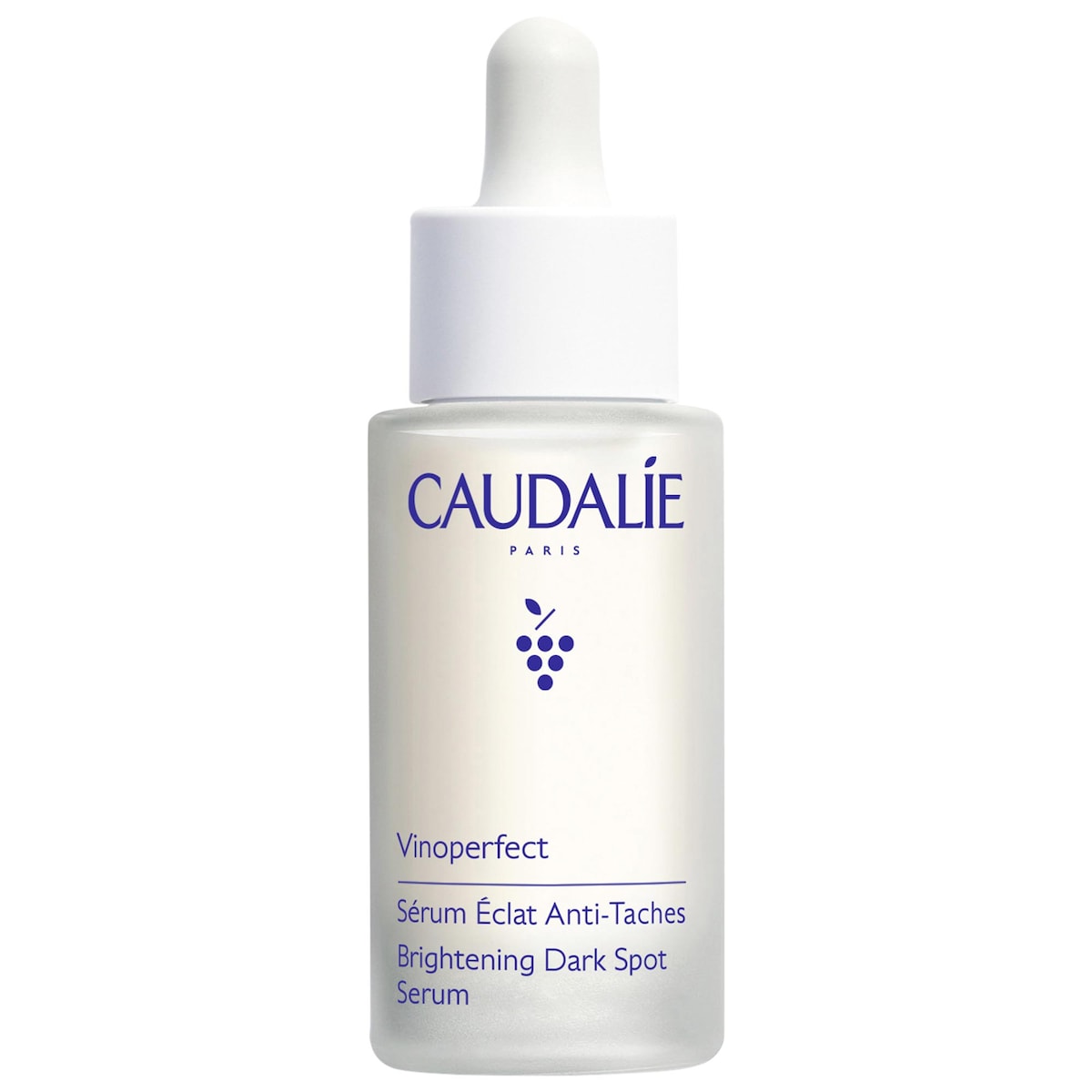
If you have combination skin, most glass-skin advice feels a little too neat for real life.
You are told to hydrate more, layer more, and chase that smooth reflective finish with the same routine all over your face. But combination skin usually has a different problem. Your T-zone can look shiny before lunch, your cheeks can still feel dry after cleansing, and one wrong product can make your whole routine feel greasy in one area and insufficient in another.
That is the real question behind this topic.
People are not just asking what glass skin is. They are asking how to get closer to that smooth, hydrated, healthy-looking glow when their skin acts like it wants two different routines at once.
To shape this guide, I reviewed published guides on April 18, 2026, including Healthline's how to get glass skin guide, Kiehl's 6-step glass skin routine, Glowette's glass skin routine for combination skin, knok's Korean glass skin routine 2026 guide, and Byrdie's dermatologist-backed glass skin routine.
Those pages get a lot right:
- They consistently point back to gentle cleansing, hydration, sunscreen, and barrier support.
- They correctly warn that over-exfoliation and over-layering can backfire.
- They reinforce that glass skin is really about healthy-looking skin, not one miracle product.
What they still tend to miss is the combination-skin bottleneck:
- They do not spend enough time on balancing water and oil at the same time.
- They often recommend a generic “hydrating routine” without clarifying which steps should stay lighter.
- They rarely explain how to get glow without turning the center of the face greasy.
- They usually do not make the shopping decision easier when the real question is: what should I actually buy for combination skin first?
So this article takes a narrower and more useful approach.
It is a 6-step Sephora routine for combination skin built around a simple rule:
- keep cleansing gentle
- keep hydration light but real
- keep one balancing step in the routine
- keep moisturizer breathable
- keep sunscreen easy enough to use daily
- keep exfoliation in the weekly lane instead of the everyday lane
That is the version of glass skin most people with combination skin can actually maintain.
Quick answer
If you want the short version first:
- Use a gentle cleanser that does not make dry areas tighter.
- Add one lightweight hydrating layer so glow does not depend on oil alone.
- Use one balancing serum if pores, midday shine, or uneven texture are part of the problem.
- Choose a water-cream moisturizer instead of a heavy cream that only works on your cheeks.
- Wear broad-spectrum SPF every morning.
- Keep exfoliating masks or acids in the once-or-twice-a-week lane, not the default daily lane.
If your skin feels hot, flaky, stingy, or suddenly reactive everywhere, stop chasing glow for a minute and read skin barrier repair routine: what to do when everything suddenly stings. A stressed barrier can make combination skin look both shinier and duller at the same time.
What this guide focuses on
After reading the current top pages, five patterns kept repeating:
- Most explain glass skin well, but they do not explain combination-skin architecture well enough.
- Many tell readers to hydrate more without explaining that combination skin usually needs lighter hydration, not more random layers.
- They often blur together dry-skin glow advice and oily-skin glow advice even though combination skin sits in the middle and needs a cleaner balance.
- Product lists are usually inspirational, not specific enough to answer the shopping question that matters most: what should I buy that will work across my whole face?
- Very few say the most useful thing plainly enough: combination skin gets better glass-skin results from balance and restraint, not from treating every zone like it has the same problem.
That is the strategy here.
This routine is built to solve the real combination-skin pain points:
- oily shine without smoothness
- dry cheeks or jawline after cleansing
- routines that feel good on one zone and wrong on another
- moisturizers that are too rich for the center of the face
- glow routines that quietly become sticky, crowded, and hard to repeat
Quick comparison table
| Image | Step | Product | Best for | Why it earns a place |
|---|---|---|---|---|
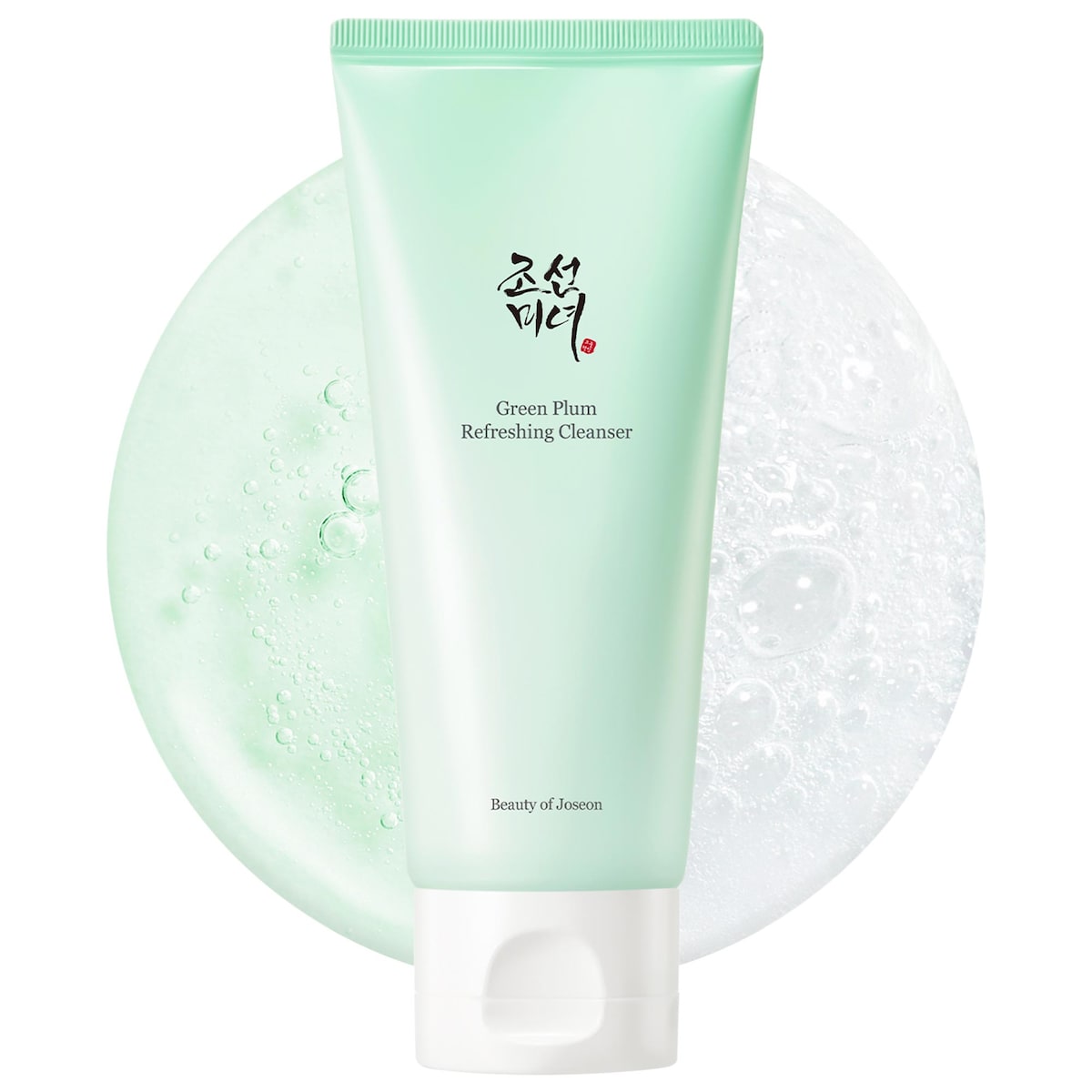
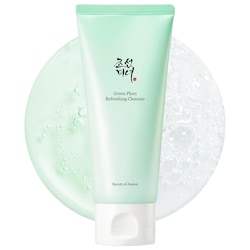 | Cleanse | Beauty of Joseon Green Plum Refreshing Cleanser for Gentle Daily Wash | Combination skin that gets oily and tight at the same time | A gentle reset that does not start the routine by stripping the drier zones |
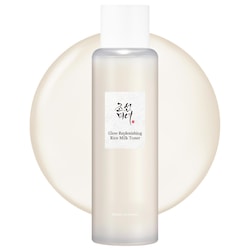 | Prep | Beauty of Joseon Glow Replenishing Rice Milk Lightweight Hydration Toner | Combination skin that wants glow without heaviness | The easiest toner here for balancing light hydration with a smoother finish |
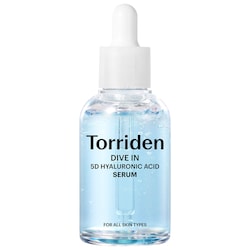 | Hydrate | Torriden DIVE IN 5D Hyaluronic Acid Ultra Hydrating Serum for Plump & Glow Skin | Tightness, dullness, dehydration under surface oil | A clean one-serum hydration step that layers easily |
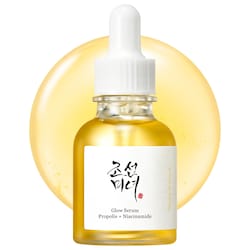 | Balance | Beauty of Joseon Glow Serum for Oil Control with Niacinamide | Oily T-zone, visible pores, post-breakout unevenness | The best balancing add-on without turning the routine aggressive |
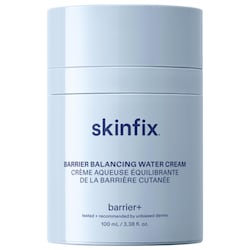 | Moisturize | Skinfix Barrier Balancing Water Cream Moisturizer with Hyaluronic Acid | Combination skin that needs support but hates heavy cream | The moisturizer most likely to work across oily and drier zones |
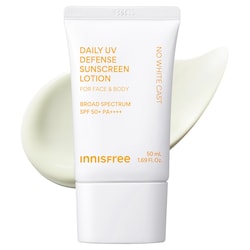 | Protect | innisfree Daily UV Defense Invisible Korean Sunscreen Lotion Broad Spectrum SPF 50+ PA++++ | Daily wear, glow maintenance, under-makeup use | The step that protects brightness without making the routine feel fussy |
How this lineup was picked
This is not a random “best six” shelf.
I narrowed the routine around the friction points that kept showing up across published guidance and in real combination-skin routines that fall apart quickly:
- cleansers that feel satisfying for ten minutes and drying by noon
- toners that are too watery to matter or too rich to layer
- hydrating routines that turn sticky in the center of the face
- moisturizers that help the cheeks but overwhelm the T-zone
- glow products that mostly add shine instead of making skin look smoother
That is why every product here has one narrow job:
- the cleanser resets without over-stripping
- the toner adds lightweight prep and slip
- the serum gives water support underneath the glow
- the niacinamide step helps with balance
- the moisturizer keeps the finish breathable
- the SPF protects the whole routine from backsliding
What “glass skin” should mean if your skin is combination
For combination skin, glass skin should not mean looking wet.
It should mean:
- smoother-looking texture
- more even reflection across the whole face
- less contrast between greasy areas and flaky areas
- hydrated skin that still feels light
- a routine that works in both the T-zone and the drier perimeter of the face
That difference matters because combination skin gets misread all the time.
If your nose is shiny and your cheeks still feel tight, the answer is not always “less hydration.” It is often less stripping, smarter product weight, and fewer redundant layers.
This is where many guides stay too broad. They tell readers to hydrate and exfoliate, which is directionally right, but not precise enough. Combination skin usually needs a routine that helps two opposite-looking issues at once:
- dehydration that makes skin look flatter or rougher
- oil that makes the middle of the face look shinier than the rest
That is why balance matters more than maximal glow.
1. Start with a cleanser that does not punish the dry parts of your face
If your cleanser leaves your cheeks feeling tight, the rest of the routine is already compensating.
That is especially true for combination skin. A too-harsh cleanse can make the oily center of your face feel “clean” for a short window, while the drier areas immediately start feeling uncomfortable. That usually leads to the exact cycle people hate: more oil in one zone, more dehydration in another.
Beauty of Joseon Green Plum Refreshing Cleanser earns this slot because it handles the first job properly. It removes oil, sunscreen, and daily buildup without making the whole routine start from a deficit.
This is the right cleanser lane if:
- your T-zone gets oily but your cheeks still feel tight after washing
- you want a reliable everyday cleanser instead of a harsh oil-control cleanser
- you wear sunscreen daily and need a consistent reset
- your skin looks smoother when the routine starts calm, not squeaky
If cleanser is where your routine usually goes sideways, best gentle cleansers at Sephora for acne-prone skin (2026) is the best next comparison.
2. Use a toner that gives glow without making the center of your face feel coated
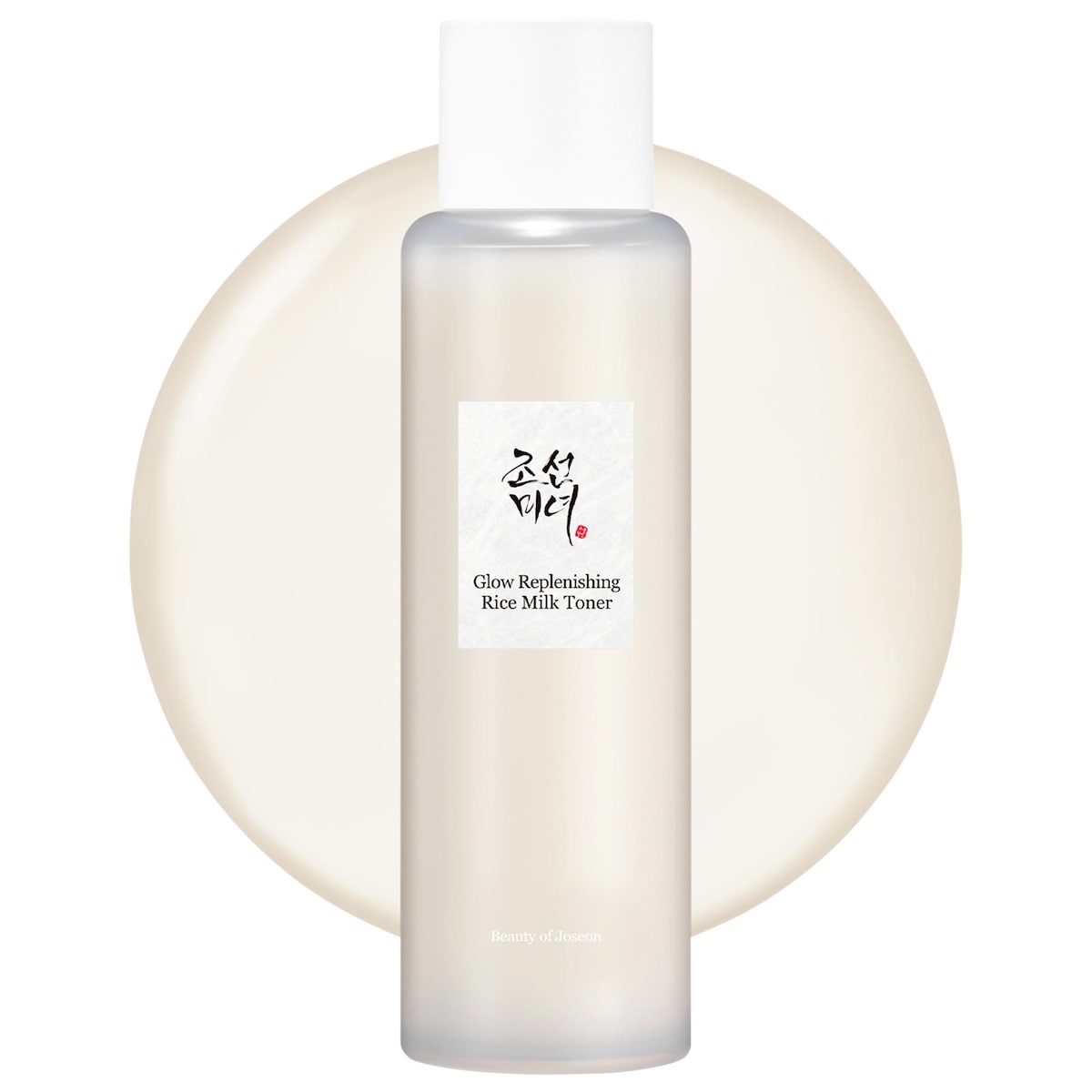
This is one of the most useful decision points for combination skin because it is where the routine can start looking balanced or start looking heavy.
Many glass-skin guides recommend toner in a generic way, but texture matters a lot more when your face already behaves differently by zone. You want something more substantial than a watery splash but lighter than a cream-toner that can overwhelm the center of the face.
That is why Beauty of Joseon Glow Replenishing Rice Milk makes so much sense here.
It is the best fit when:
- your skin wants glow but hates weight
- your cheeks need a little more comfort than your forehead does
- you want one toner that makes the whole face look smoother
- you are trying to avoid the greasy version of dewy
This is also the place where many guides fall short. They teach the toner step, but they do not tell you what kind of toner makes sense when one part of your face wants fresh hydration and another part wants softness.
If toner is the category you are actively shopping, best Korean toners at Sephora for glass skin (April 2026) goes much deeper.
3. Use one hydrating serum so your glow does not depend on surface oil
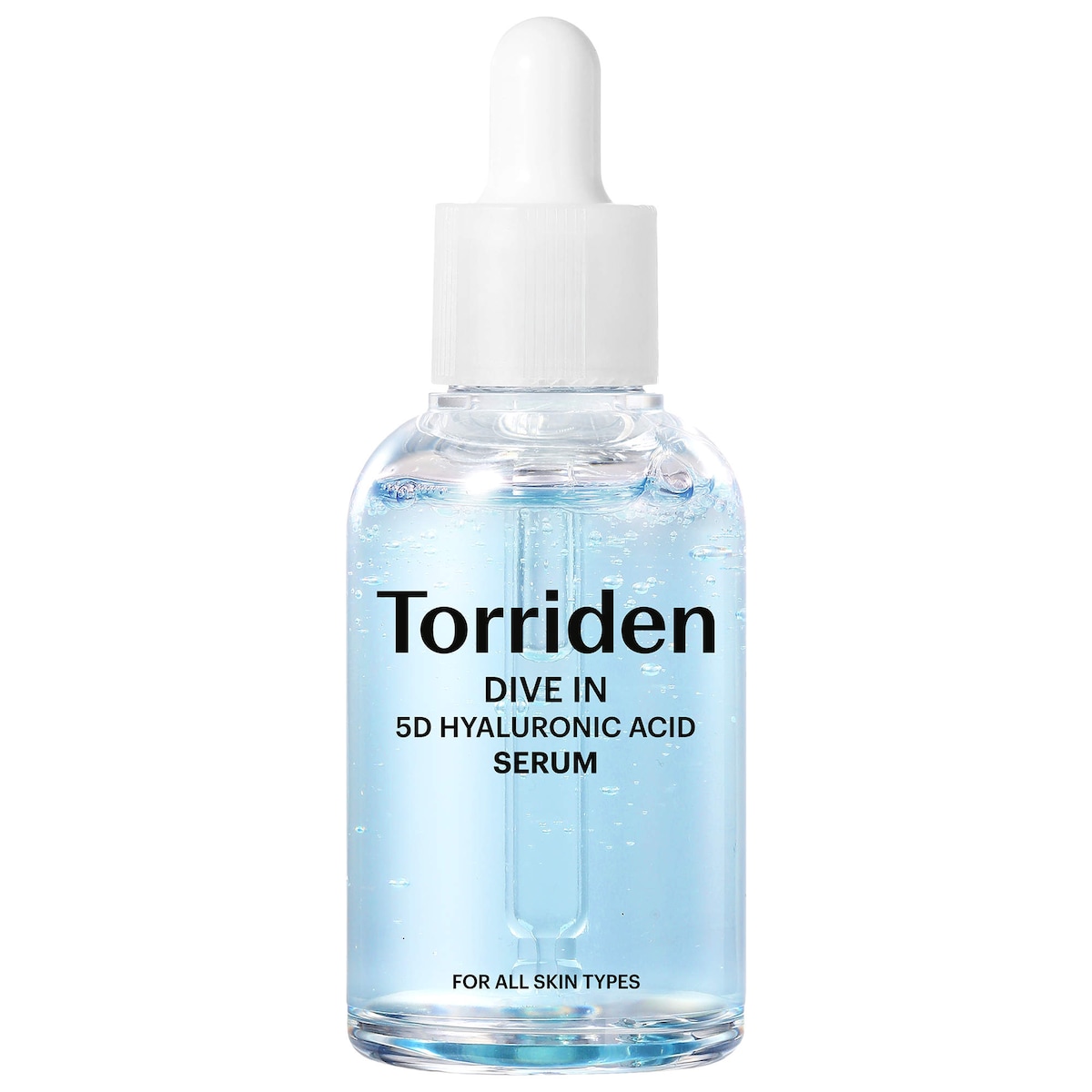
This is the step combination skin often needs more than it realizes.
If your face gets shiny but still looks dull, the issue is often not too much moisture. It is that you have oil on top without enough water support underneath. That is why a lightweight hydrating serum helps combination skin look smoother and bouncier instead of just shinier.
Torriden DIVE IN 5D Hyaluronic Acid Ultra Hydrating Serum is the cleanest choice here because it gives the routine one clear hydration owner. It helps the skin feel plumper without turning the whole routine into a sticky stack.
Use this step when:
- your skin looks unevenly shiny instead of evenly healthy
- your cheeks or jawline feel tight by afternoon
- you want a smoother finish under moisturizer and sunscreen
- you are trying to fix dullness without adding a richer layer everywhere
This is also where combination-skin routines get overcomplicated. One solid hydration-first serum is useful. Two or three watery layers plus an essence plus a sleeping mask is where many people start building a routine that only works in theory.
If hydration is the weak point in your routine, best hydrating serums at Sephora for glass skin is the best follow-up.
4. Add one balancing serum if the center of your face gets oily faster than the rest
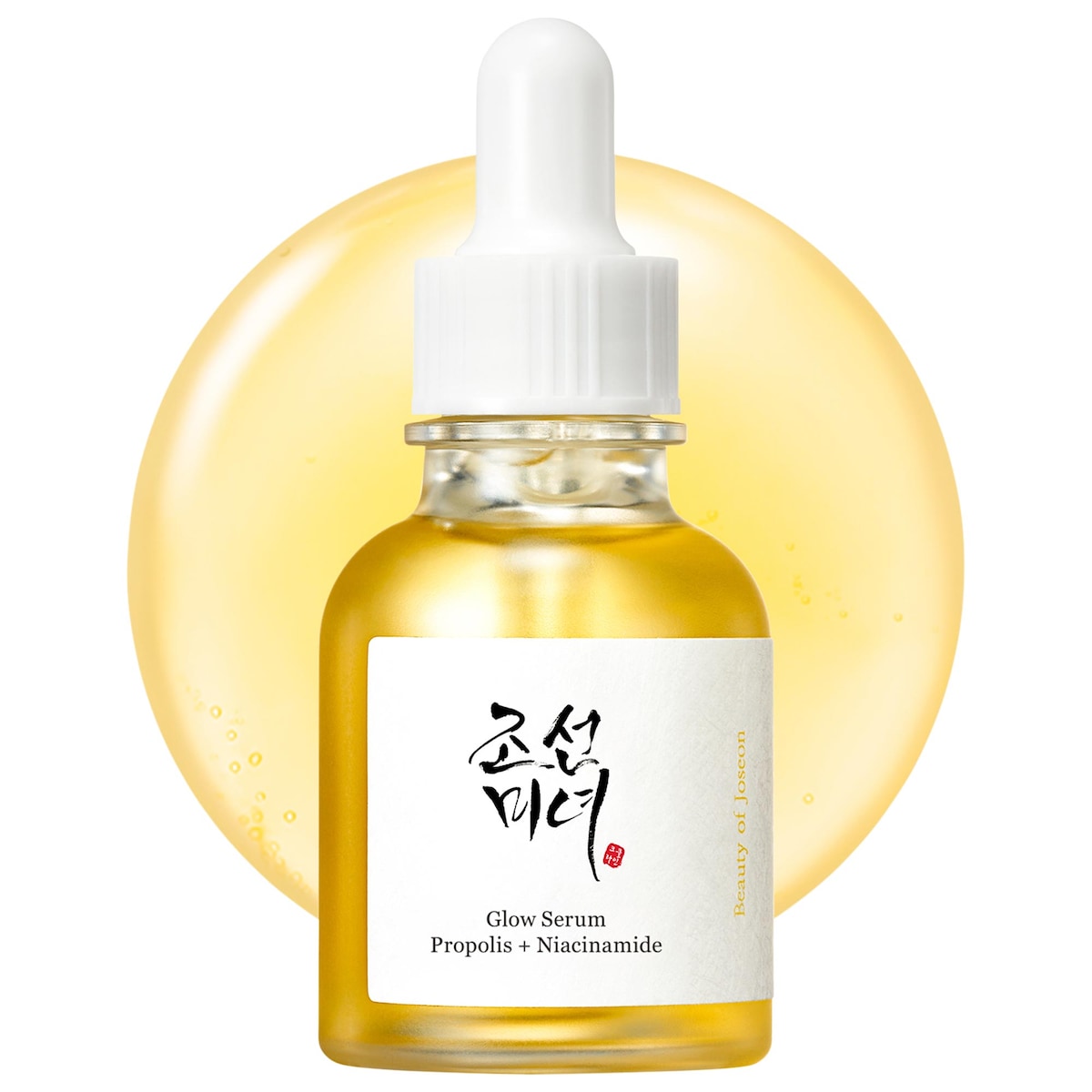
This is the step that makes the combination-skin version of glass skin feel different from the dry-skin version.
Hydration matters, but combination skin often also needs a little help with:
- midday shine
- visible pores
- rougher texture through the T-zone
- leftover unevenness from old breakouts
That is why Beauty of Joseon Glow Serum for Oil Control with Niacinamide earns a place here.
It is a good fit if:
- your nose or forehead gets shiny faster than the rest of your face
- your glow tends to look patchy instead of even
- you want smoother-looking skin without using a harsh active every day
- you need a step that helps the oily part of your face without making the rest feel stripped
This is one of the biggest things many guides still miss. Many pages explain hydration well enough, but not balance. Combination skin often does not need a more dramatic routine. It needs a routine that keeps the middle of the face from visually overpowering the rest.
If you are trying to sort out whether your routine needs more hydration support or more oil-balancing support, niacinamide vs hyaluronic acid for glass skin is the cleanest side-by-side.
5. Moisturize with a water cream instead of trying to force one rich cream across every zone
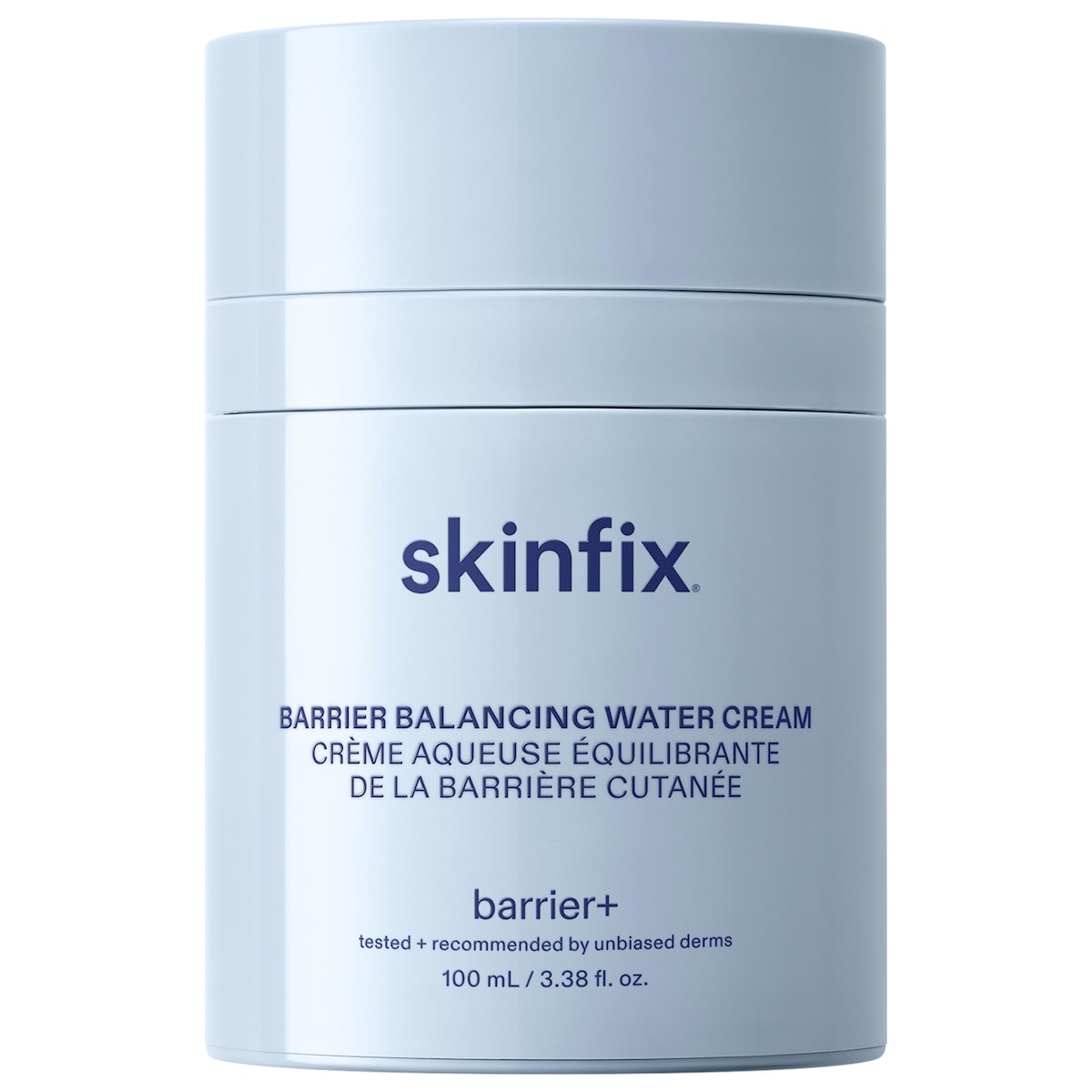
This is where combination skin routines quietly fail.
People buy a moisturizer that sounds nourishing and glow-friendly, then realize it only really works on their cheeks. The center of the face feels too shiny, makeup slides around, and the product slowly disappears from the routine.
That is why Skinfix Barrier Balancing Water Cream makes so much sense here.
It gives combination skin what it usually needs most:
- a lighter texture
- enough moisture support to keep drier areas comfortable
- barrier-aware support without the heaviness of a dense cream
- a finish that still behaves under sunscreen
This is also why glass-skin advice can get misleading. Combination skin does need moisture, but it usually needs it in a lighter architecture.
If moisturizer has always been the hardest part of your routine to get right, best Sephora moisturizers for combination skin is the best next read.
6. Wear sunscreen every morning or the rest of the routine has to work uphill
Most credible guides eventually land here, and they should.
If your goal is smoother-looking, more even, brighter skin, sunscreen is not optional. Without it, you are asking the rest of the routine to improve tone and texture while daily UV exposure keeps pulling in the opposite direction.
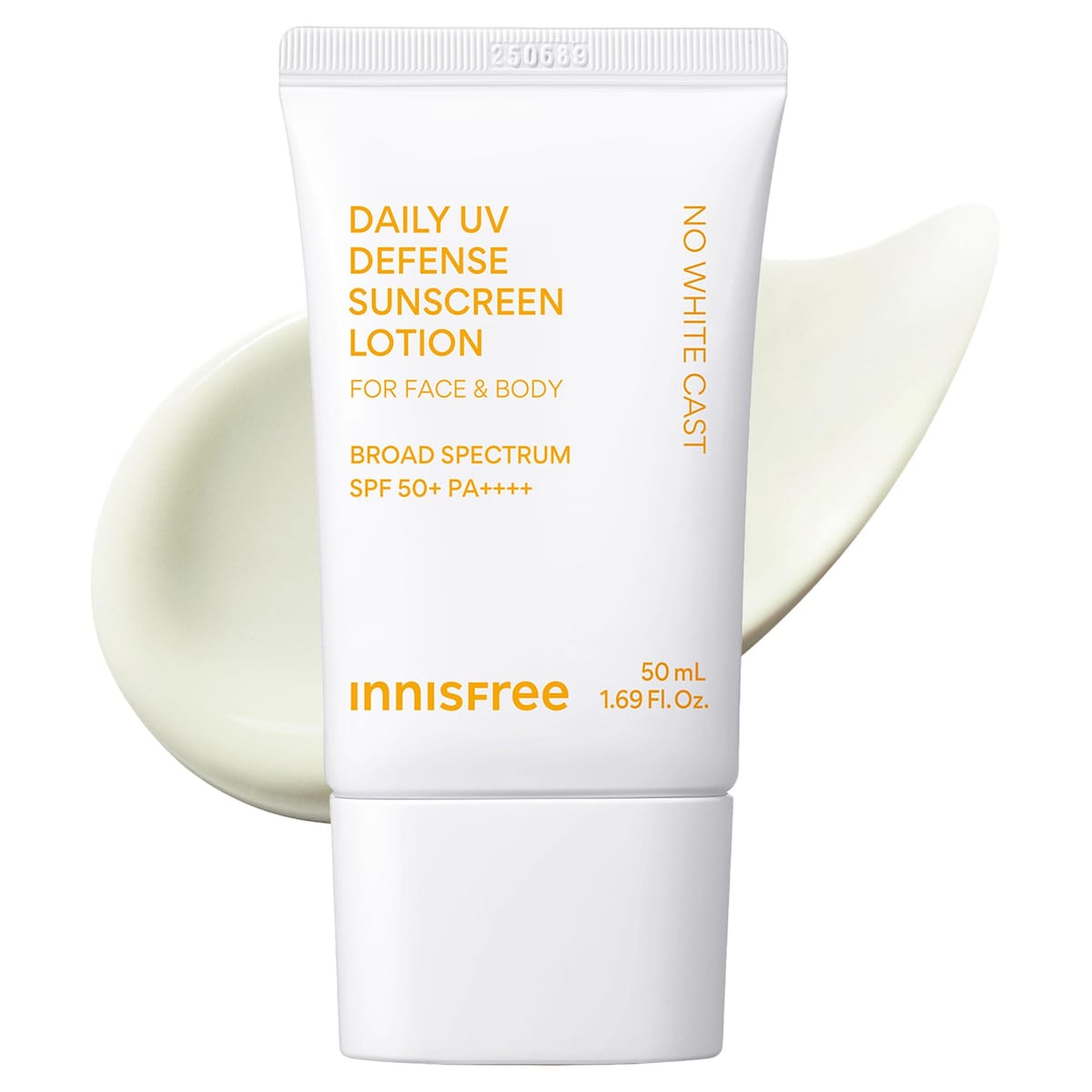
innisfree Daily UV Defense Invisible Korean Sunscreen Lotion SPF 50+ PA++++ fits this lineup for the same reason the rest of these products do: it feels realistic enough to keep using.
This is the right sunscreen lane if you want:
- broad-spectrum protection
- a finish that works in normal life
- a Korean-skincare-adjacent step that still feels easy
- better odds that your glow routine actually compounds over time
If sunscreen keeps pilling or feeling too heavy, the problem is usually one of these:
- Too many layers underneath.
- A moisturizer that is already too rich.
- Applying each step too quickly.
That is another reason this routine stays lean.
Morning order vs night order
If you want the simplest version, start here.
Morning
- Cleanser if needed
- Beauty of Joseon Rice Milk toner
- Torriden DIVE IN serum
- Beauty of Joseon Glow Serum if needed
- Skinfix Water Cream
- innisfree sunscreen
Night
- Cleanser
- Beauty of Joseon Rice Milk toner
- Torriden DIVE IN serum
- Beauty of Joseon Glow Serum if needed
- Skinfix Water Cream
Weekly
- Keep exfoliation or a pore-clearing mask to one or two nights a week instead of trying to polish your skin every day.
If weekly texture is your bigger issue, best weekly reset masks at Sephora is a better next read than adding more daily actives.
The easiest mistake to make with combination-skin glass skin
The most common mistake is trying to solve dryness and oiliness by turning the routine into a product pile.
That usually looks like:
- a harsh cleanser for the T-zone
- a rich moisturizer for the cheeks
- extra glow layers in the middle
- spot treatments everywhere
- daily exfoliation because the texture still is not right
That version of the routine often feels busy without feeling better.
The cleaner approach is simpler:
- one gentle cleanse
- one light hydration step
- one balancing step if you need it
- one breathable moisturizer
- one sunscreen that you will actually wear
That is how combination skin usually gets closer to glass skin in a way that still holds up after a week or two.
FAQ
Can combination skin actually get glass skin?
Yes, but it usually happens through balance, not through the most layered routine in the room. Combination skin often looks better when the routine stays light, consistent, and barrier-aware.
Should combination skin use oil cleansers every day?
It depends on how much sunscreen, makeup, and buildup you are removing, but the bigger point is that the second cleanse should still stay gentle. If your face feels stripped after washing, the routine is too harsh somewhere.
Is niacinamide or hyaluronic acid better for combination skin?
Most combination skin does well with both, but not always in equal urgency. If your face feels tight and dull, start with hydration support. If the T-zone is the bigger problem, add niacinamide support next. Niacinamide vs hyaluronic acid for glass skin breaks that decision down more clearly.
Do I need a 10-step routine for combination skin glass skin?
No. The published guidance often makes the routine look bigger than it needs to be. Most people with combination skin do better with a cleaner routine that they can repeat consistently.
What should I read next?
If your combination skin leans more oily than dry, go to glass skin routine for oily skin (April 2026).
If it leans drier and tighter than oily, glass skin routine for dry skin is the better branch.
If you want the broader Korean-skincare version, Korean glass skin routine (April 2026) is the best next read.
Final takeaway
The best glass skin routine for combination skin in April 2026 is not the one with the most steps. It is the one that keeps the oily parts of your face from getting overloaded while giving the drier parts enough support to stop looking flat, tight, or patchy.
For most readers, that means:
- a gentle cleanser
- a lightweight glow-friendly toner
- one hydrating serum
- one balancing serum if needed
- a breathable moisturizer
- daily sunscreen
That is not the flashiest version of glass skin. It is the version combination skin is most likely to actually sustain.