DAMDAM Mochi Mochi and DAMDAM Ginkgo Water Cream look like they belong to the same shelf, but they solve different moisturizer problems.
DAMDAM Mochi Mochi Luminous Plumping & Hydrating Moisturizer is the richer cream. DAMDAM Ginkgo Light & Bouncy Water Cream Moisturizer is the lighter water-cream lane.
That sounds simple, but the buying decision gets muddy because both products talk about hydration, bounce, glow, and a soft-looking finish. So I would not start with the brand story. I would start with the skin problem.
If your skin feels dry, tight, and under-cushioned, start with Mochi Mochi.
If your skin gets shiny, combination, or oily but still wants a fresh hydrated finish, start with Ginkgo.
Quick Comparison
| Category | DAMDAM Mochi Mochi | DAMDAM Ginkgo Water Cream |
|---|---|---|
| Product | 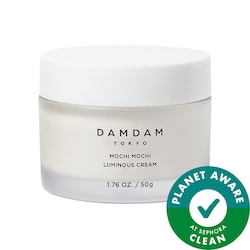 DAMDAM Mochi Mochi DAMDAM Mochi Mochi | 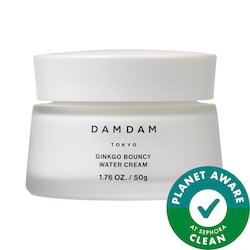 DAMDAM Ginkgo Water Cream DAMDAM Ginkgo Water Cream |
| Best fit | Normal-to-dry and dry skin | Normal, combination, and oily skin |
| Texture lane | Rich cream | Light water cream |
| Price signal | $48 | $48 |
| Rating signal | About 4.63 with roughly 516 reviews | About 4.85 with roughly 115 reviews |
| Main concern fit | Dryness, fine lines, loss of firmness look | Dullness, oiliness, bouncy hydration |
| Highlighted ingredients | Shiso leaf and phytic acid | Ginkgo leaf, cherry blossom, fermented rice |
| Morning fit | Good if dry skin needs comfort | Easier if shine or weight is the problem |
| Night fit | Stronger for dry skin | Better for light hydration nights |
| Skip if | Rich creams clog or feel heavy | Water creams disappear too quickly |
The Short Answer
Choose Mochi Mochi if your skin needs more cushion.
Choose Ginkgo Water Cream if your skin needs less weight.
That is the useful split. Both can make skin look more hydrated. Both can fit a glow routine. Both cost the same in the local product data. The difference is how much richness your skin actually wants.
Mochi Mochi is the dry-skin comfort pick.
Ginkgo is the lightweight bounce pick.
Why These Two Get Confused
Both products are trying to avoid the boring moisturizer problem.
They do not sound clinical or plain. They sound sensorial: mochi, luminous, plumping, light, bouncy, water cream. That language can make both products seem like they belong to the same buyer.
But moisturizer texture is not branding. It is daily logistics.
If your cheeks feel tight after lighter creams, Ginkgo may be too airy. If your T-zone gets shiny fast, Mochi Mochi may be too rich. If makeup clings to dry patches, Mochi Mochi may help. If sunscreen already feels heavy, Ginkgo may be easier.
The product that sounds prettier is irrelevant. The product that fits the morning you repeat is the winner.
Mochi Mochi: What It Does Better
Mochi Mochi does the rich-cream job better.
The formula has glycerin, sunflower seed oil, shea butter, fatty alcohols, emollients, shiso leaf, phytic acid, willow bark, and tocopherol. That makes sense for dry skin that wants softness and a smoother-looking surface.
I would choose Mochi Mochi if:
- your skin gets tight after cleansing
- water creams feel good but do not last
- dry patches make makeup look rough
- you want a cream that feels more nurturing
- your night routine needs a more substantial last step
- your skin is normal-to-dry or dry
Mochi Mochi is the better choice when the routine keeps failing because the moisturizer is not enough.
Ginkgo Water Cream: What It Does Better
Ginkgo Water Cream does the lighter hydration job better.
The product details position it for normal, combination, and oily skin, with a light-as-water feel and bouncy hydration. It includes ginkgo leaf, cherry blossom, fermented rice, glycerin, diglycerin, willow bark, phytic acid, jojoba seed oil, shea butter, and several aromatic oils plus fragrance.
That means I would not call it the plainest sensitive-skin option. But for the right person, it is clearly the easier daytime texture.
I would choose Ginkgo if:
- rich creams feel like too much
- your T-zone gets shiny quickly
- you want a moisturizer under sunscreen that does not add heaviness
- your skin is combination or oily
- you like a fresh hydrated finish
- you want glow without cream density
Ginkgo is the better choice when the routine keeps failing because the moisturizer is too much.
Texture And Finish
Texture is the decision.
Mochi Mochi should feel richer, creamier, and more cushioning. It is the one I would use when dry skin wants to feel held. The risk is heaviness if you overapply or use it on oily areas.
Ginkgo should feel lighter, fresher, and more water-cream-like. It is the one I would use when the skin wants hydration but not a creamy layer. The risk is that dry skin may want more by midday.
If you do not know which side you are on, think about the moisturizers you already finish.
If you finish creams and abandon gels, choose Mochi Mochi.
If you finish gels and abandon creams, choose Ginkgo.
Morning Routine Fit
For morning, Ginkgo is easier for most combination or oily skin.
It should sit under sunscreen with less risk of a heavy finish. It also makes sense when the face needs a fresh layer before SPF but does not want a richer cream.
Mochi Mochi is better in the morning for dry skin. Use a pearl-sized amount, wait, then apply sunscreen. It can help dry texture look smoother, but it needs a controlled amount.
If the morning routine includes makeup, I would ask which problem happens first:
- makeup catches on dry patches: Mochi Mochi
- makeup slides from too much moisture: Ginkgo
- sunscreen feels drying: Mochi Mochi
- sunscreen feels heavy: Ginkgo
That is the practical split.
Night Routine Fit
At night, Mochi Mochi becomes stronger.
Dry skin often wants the richer cream when there is no sunscreen or makeup to complicate the finish. If lighter moisturizers leave the face tight by morning, Mochi Mochi is the better experiment.
Ginkgo can still work at night for oily or combination skin. It may be the right choice if richer creams lead to congestion or a coated feeling. But if the main issue is dry skin that wakes up tight, I would not expect a water cream to do the same job as a rich cream.
For a broader dry-skin night plan, night skincare routine for dry skin is the better companion.
Dry Skin Decision
Dry skin should usually start with Mochi Mochi.
The product is made for normal and dry skin, and the formula matches that lane. Glycerin, sunflower seed oil, shea butter, fatty alcohols, and a richer cream structure are more aligned with dry skin than a lighter water cream.
The exception is dry skin that clogs easily from rich creams. In that case, I would test Mochi Mochi carefully or use it only on dry zones. Ginkgo may feel easier, but it may not last as long.
If dry skin is also irritated, I would simplify before choosing either. Start with fewer products and a calmer routine.
Oily And Combination Skin Decision
Oily and combination skin should usually start with Ginkgo.
It is the product that is actually positioned for oiliness, and the texture lane is more compatible with sunscreen, heat, and shine control. Mochi Mochi may still work on dry cheek zones, but I would not start by applying it everywhere.
For combination skin, the best answer may be split use:
- Ginkgo on the T-zone
- Mochi Mochi on the cheeks
That sounds fussy, but it is often more honest than pretending one product fits the whole face perfectly.
Sensitive Skin Decision
Sensitive skin needs a slower decision.
Mochi Mochi is fragrance-free and alcohol-free in the product highlights, which makes it the cleaner first look for fragrance-avoidant skin. It still includes phytic acid and willow bark, so I would not treat it as completely inert.
Ginkgo includes fragrance and aromatic oils in the ingredient list. Some people tolerate that perfectly. Others do not. If your skin reacts to fragrance, I would be careful.
For sensitive dry skin, I would lean Mochi Mochi in a small amount.
For sensitive oily skin, I might choose neither as the first move and look at a simpler lightweight moisturizer.
Makeup Fit
Mochi Mochi is better when makeup looks rough because the skin underneath is dry.
Ginkgo is better when makeup looks heavy because the skin prep is too rich.
That is the cleanest way to decide.
Mochi Mochi can make dry cheeks look smoother under tint or foundation, but too much can create slip. Ginkgo can keep the base lighter, but it may not soften dry patches enough.
If you are building a glow routine, avoid stacking every luminous product at once. A dewy cream, dewy sunscreen, dewy tint, and cream highlighter can go from fresh to unstable quickly.
Ingredient Personality
Mochi Mochi is shorter and richer.
Ginkgo is lighter but more aromatic and plant-forward.
That matters because some people assume lighter automatically means safer. Not always. A lighter cream can still include fragrance or botanical oils. A richer cream can still be the calmer option for some skin.
I would choose based on known tolerance:
- fragrance bothers you: lean Mochi Mochi
- shea butter feels heavy: lean Ginkgo
- acids make you cautious: patch test either
- rich creams save your skin: lean Mochi Mochi
- rich creams clog you: lean Ginkgo
Value
Both products are $48 in the local product file, so the value decision is not about sticker price.
It is about finish rate.
If Mochi Mochi is too rich for your mornings and too light for your worst dry nights, it may sit unused. If Ginkgo is too light for dry skin, you may use too much and finish it quickly without feeling satisfied.
The better value is the one that replaces a real moisturizer problem.
If the problem is not enough comfort, Mochi Mochi is the better value.
If the problem is too much weight, Ginkgo is the better value.
What I Would Track
I would track each cream for one week, not one application.
For Mochi Mochi, watch:
- morning comfort
- cheek tightness
- makeup catching
- shine from overapplication
- small bumps
For Ginkgo, watch:
- T-zone shine
- midday tightness
- sunscreen compatibility
- fragrance tolerance
- whether dry areas need a second layer
If you use Glass, I would log the moisturizer, amount, time of day, and whether makeup or SPF behaved. That is more useful than trying to remember a vague feeling three days later.
The Mistake I Would Avoid
The mistake is treating this as a better-or-worse contest.
These are sibling products with different jobs. Mochi Mochi is not worse because it is richer. Ginkgo is not worse because it is lighter. They fail only when they are assigned to the wrong skin problem.
Do not buy Ginkgo if you already know water creams disappear on you.
Do not buy Mochi Mochi if rich creams always make you feel coated.
The skin usually tells the truth before the product name does.
Bottom Line
Choose DAMDAM Mochi Mochi if you want a rich cream for normal-to-dry or dry skin, especially when dry patches, tightness, or makeup texture are the problem.
Choose DAMDAM Ginkgo Water Cream if you want a lighter moisturizer for normal, combination, or oily skin, especially when shine, weight, or sunscreen layering are the problem.
My one-line rule: Mochi Mochi is for dry skin that needs cushion; Ginkgo is for skin that wants bounce without weight.
FAQ
Is DAMDAM Mochi Mochi better than DAMDAM Ginkgo?
It is better for dry skin and richer hydration. Ginkgo is better for lighter hydration, combination skin, and oily-leaning routines.
Which one is better under makeup?
Mochi Mochi is better if makeup catches on dry patches. Ginkgo is better if makeup slides because the prep is too rich.
Which one is better for oily skin?
Ginkgo is the better starting point for oily skin because it is the lighter water-cream option.
Which one is better for dry skin?
Mochi Mochi is the better starting point for dry skin because it is a rich cream made for normal and dry skin.