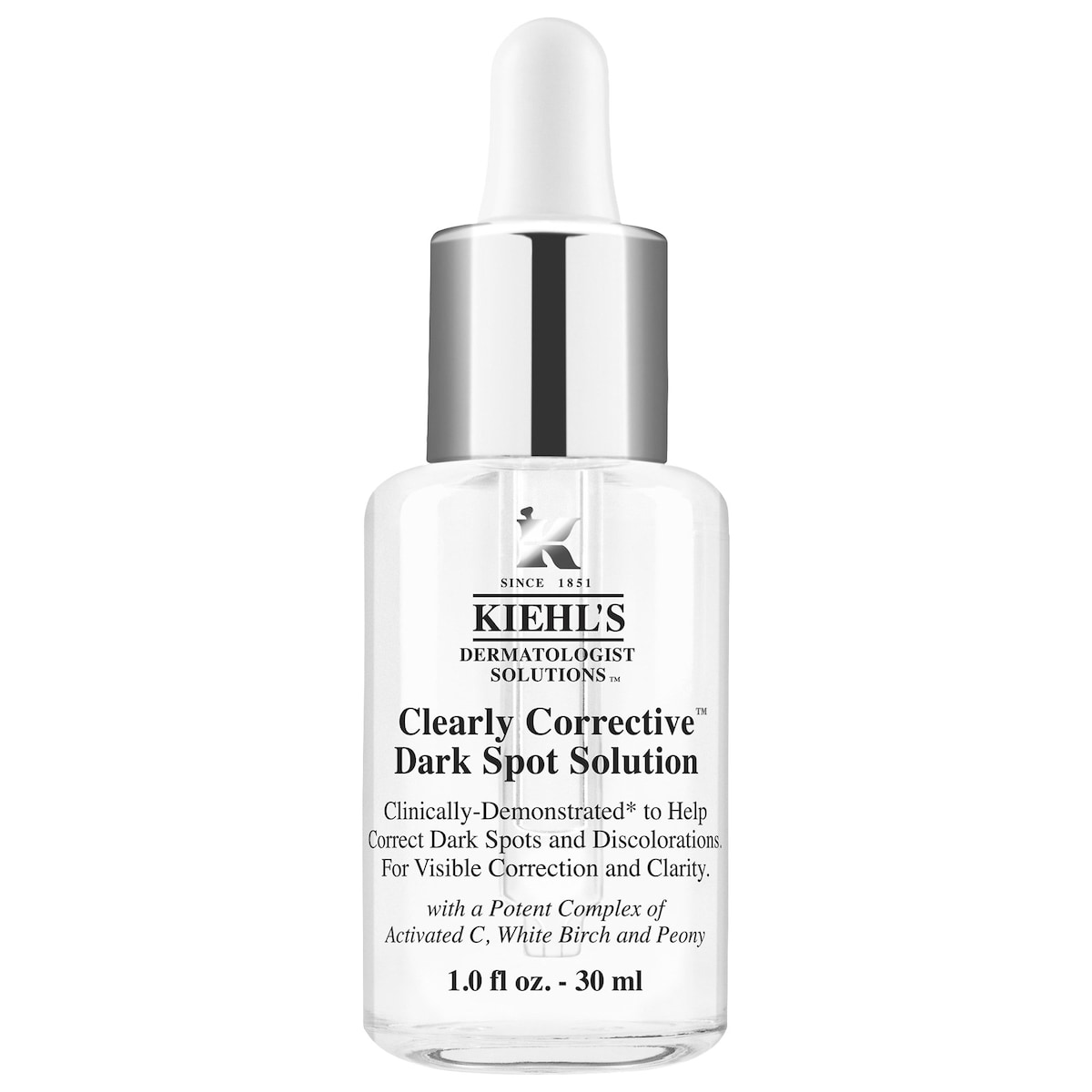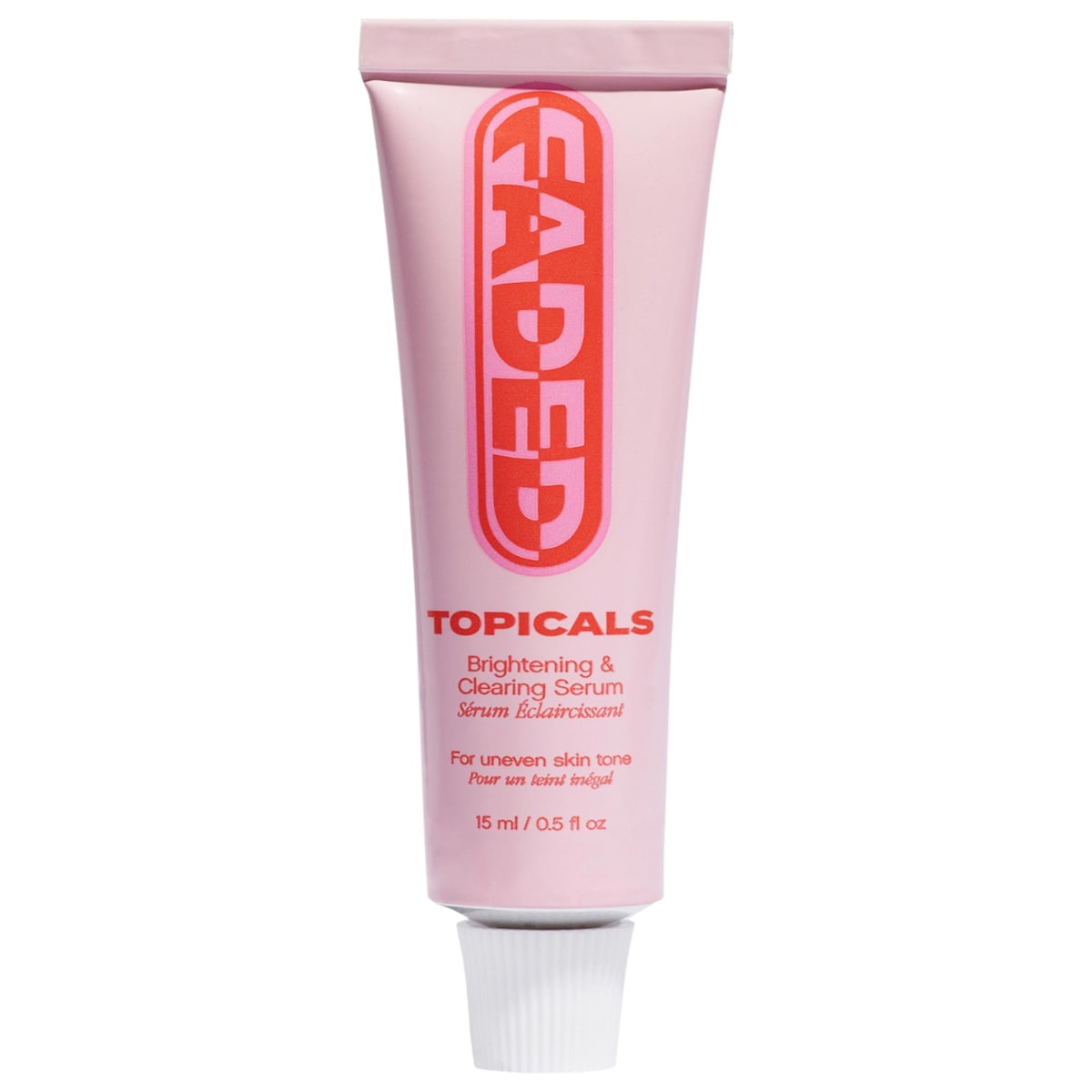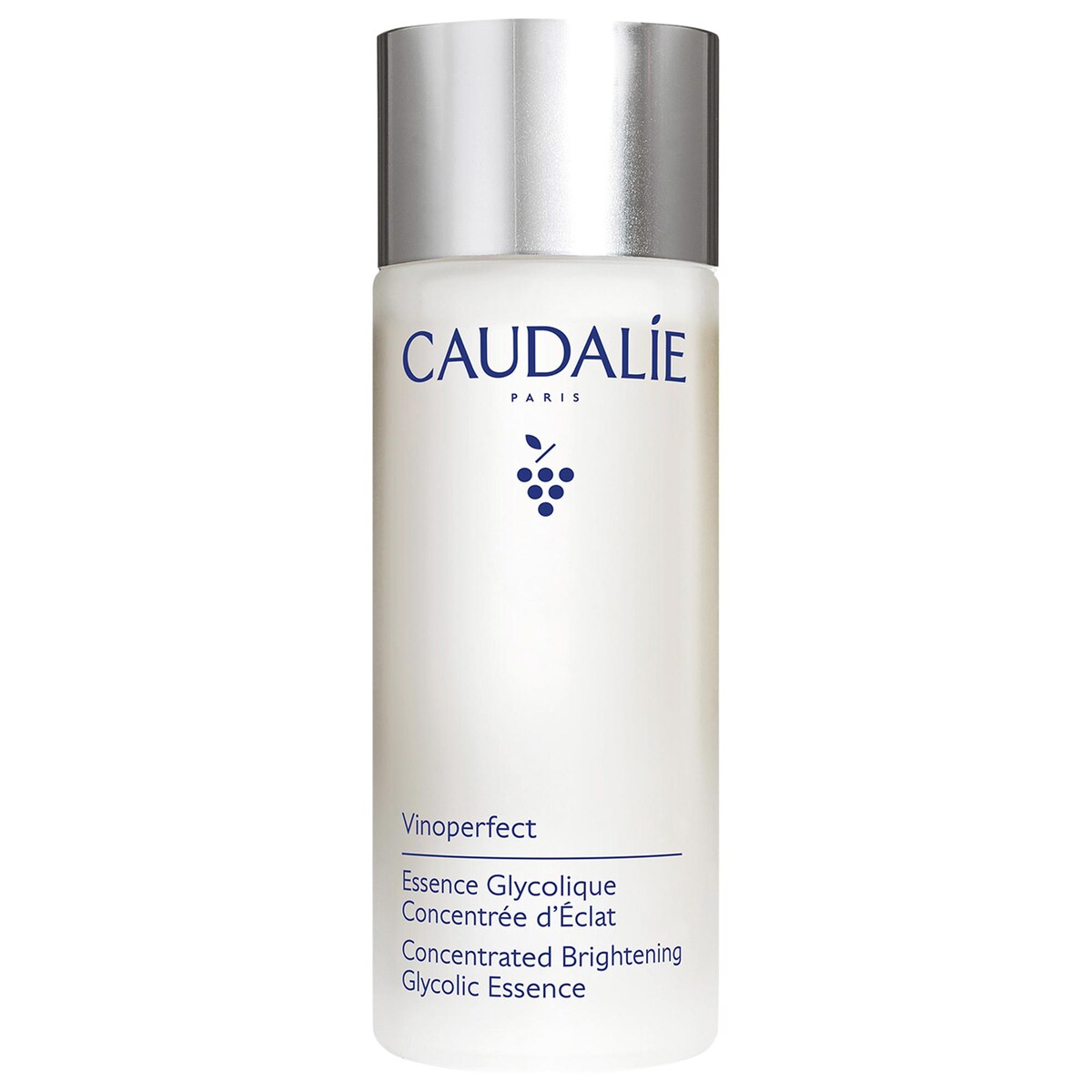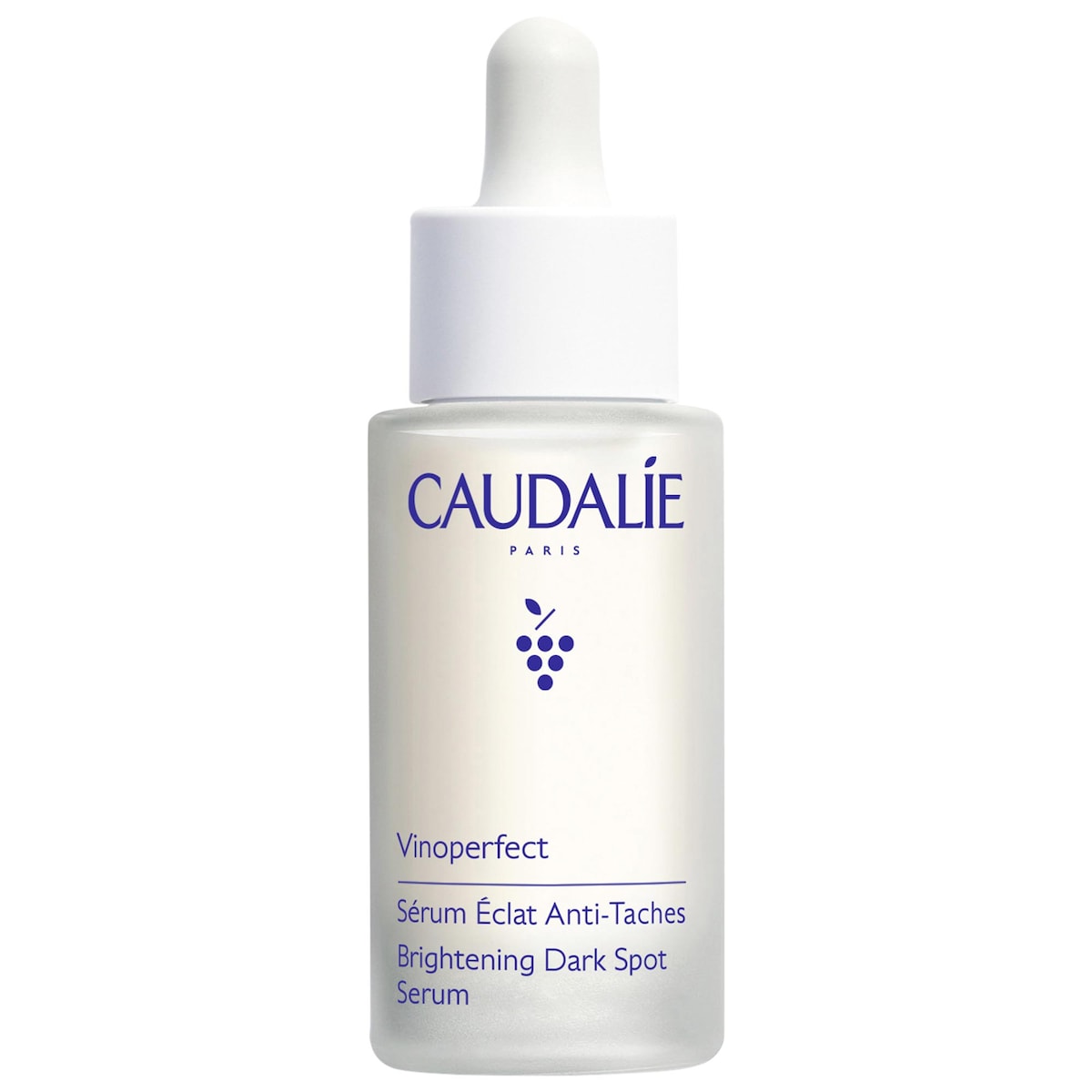
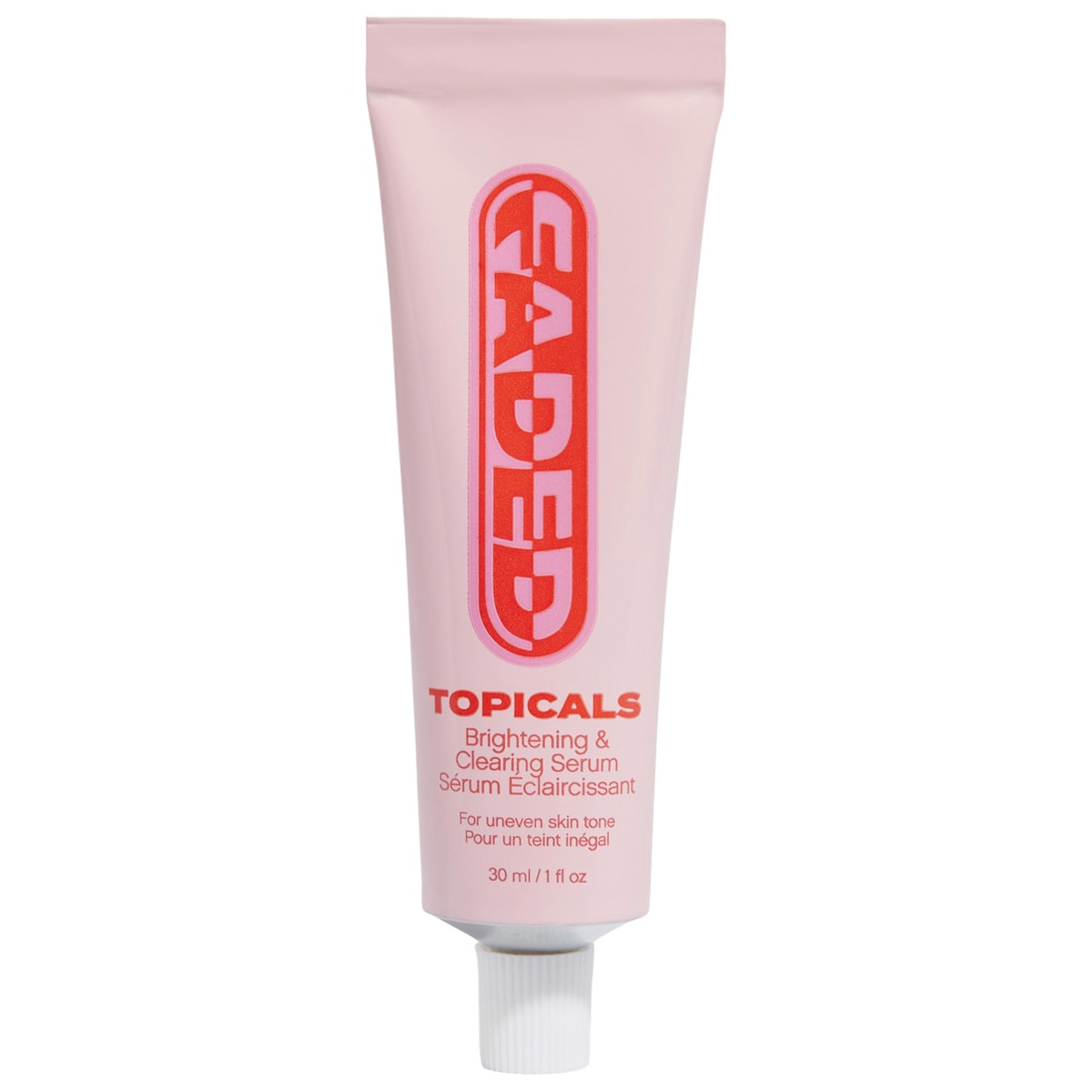
If you are deciding between Caudalie Vinoperfect vs Topicals Faded at Sephora, the real question is not which serum sounds better on paper. It is which formula fits your skin, your tolerance for fragrance, and how aggressive you want your dark-spot treatment to be.
Caudalie is the more polished, gentler-feeling option. Topicals is the more treatment-dense, fragrance-free option. If you want the shortest answer, Topicals Faded is better for most acne marks and stubborn hyperpigmentation, while Caudalie Vinoperfect is better if you want a softer luxury serum with a lighter corrective approach.
Caudalie Vinoperfect vs Topicals Faded: the quick verdict
Use Caudalie Vinoperfect if you want a serum that feels elegant, lighter-touch, and easier to layer into a simple routine. It is built around viniferine, squalane, and bisabolol, and the official page lists fragrance.
Use Topicals Faded if you want a more active-led serum for post-breakout marks, discoloration, and uneven tone. It is fragrance-free and stacks niacinamide, tranexamic acid, arbutin, kojic acid, azelaic acid, licorice root, glutathione, and melatonin in one formula.
If your main concern is acne marks, Topicals is the stronger buy. If your main concern is keeping the routine gentler and more refined-feeling, Caudalie is the better fit.
| Product | Price | Size | Key actives | Fragrance | Best for |
|---|---|---|---|---|---|
| Caudalie Vinoperfect | $82 | 1 oz, 1.7 oz value size | Viniferine, squalane, bisabolol | Yes | People who want a gentler luxury serum for dark spots and uneven tone |
| Topicals Faded | $28 | 1 oz, 0.5 oz mini | Niacinamide, tranexamic acid, arbutin, kojic acid, azelaic acid, licorice root, glutathione, melatonin | No | Acne marks, post-breakout discoloration, and stubborn hyperpigmentation |
Formula differences that actually matter
The biggest difference is not just the price gap. It is the formulation strategy.
Caudalie Vinoperfect is centered on viniferine, which Caudalie positions as its dark-spot ingredient, plus squalane and bisabolol for a smoother, more cushioned feel. The official Caudalie product page also lists fragrance, which matters if your skin gets irritated easily or if you simply prefer unscented products.
Topicals Faded is built like a multi-active treatment serum. The formula uses niacinamide, tranexamic acid, arbutin, kojic acid, azelaic acid, licorice root, glutathione, and melatonin in one bottle. Topicals also says the newer formula is unscented and fragrance-free on its official product page.
For hyperpigmentation that is stubborn or tied to breakouts, that multi-active setup usually gives Topicals the edge. For someone who wants a more restrained brightening step, Caudalie is easier to live with.
For context on why gentle, consistent treatment matters, the American Academy of Dermatology emphasizes sunscreen and gentle care as part of dark-spot management.
Acne marks vs melasma-style use cases
This is where the comparison gets more useful than a simple ingredient list.
Acne marks usually mean post-inflammatory hyperpigmentation from old breakouts. That is the lane Topicals Faded is most obviously built for. Its mix of tranexamic acid, kojic acid, azelaic acid, niacinamide, and related brightening actives is more aligned with pigment that shows up after acne, irritation, or inflammation.
Melasma-style discoloration is a different problem. It is often more persistent, more trigger-driven, and more tied to sun exposure, hormones, or visible light. The AAD melasma guidance and Cleveland Clinic both point to sun protection as a core part of management. In that lane, neither serum is a cure. Topicals is the more serious topical brightening step, but sunscreen and consistency do more of the heavy lifting than either bottle alone.
If your discoloration looks more like recurring brown patches than leftover acne marks, I would not buy based on marketing language alone. I would buy based on how much irritation your skin can tolerate, then keep expectations grounded.
Price and value math
The price gap is large enough that it changes the decision.
At Sephora, Caudalie Vinoperfect is $82 for 1 oz. Topicals Faded is $28 for 1 oz, so Topicals is $54 cheaper upfront and costs about 66% less.
That matters because dark-spot serums are only worth paying luxury prices for if you actually want the texture, the brand, or the feel of the formula. If you only care about pigment correction per dollar, Topicals is the obvious value play.
Caudalie does offer a 1.7 oz value size on Sephora, which lowers the per-ounce cost if you stay with it, but it is still a luxury-serum purchase. The practical math is simple: Topicals gives you a much lower entry point, while Caudalie asks you to pay for finish and polish.
If you are deciding between this and a routine-building post instead of a serum post, it helps to think in the same way we do in how to build a skincare routine that you'll actually follow. A product only wins if you can afford it, tolerate it, and repeat it.
Texture and finish
Caudalie feels more like a classic luxury serum. It spreads easily, layers without much resistance, and is usually the better choice if you want a serum that disappears into a routine instead of announcing itself.
Topicals Faded is more treatment-forward in feel. It has a richer, more active-serum character and is meant to do more visible work. That also means it may feel heavier than Caudalie for some skin types, especially if you are used to very thin serums.
If you care most about a refined finish under moisturizer or makeup, Caudalie usually wins. If you care more about putting several brightening actives in one step, Topicals is the more functional option.
Layering cautions
This is the part people skip and then blame the serum.
Both products belong after cleansing and before moisturizer. The difference is how much else you should try to do around them.
Caudalie is the easier one to slot into a routine, but the fragrance still makes it a poor choice for very reactive skin. If your barrier is already irritated, do not assume a more expensive brightening serum will feel gentle just because it sounds elegant.
Topicals Faded should be introduced with more discipline. The official Topicals page says to start once weekly and increase gradually. That is the right mindset if you also use retinoids, exfoliating acids, or multiple treatment steps. Do not stack it with every active you own and then act surprised when your face feels overloaded.
For a calm baseline, use the same rule we use in glass skin routine for dry skin: keep the rest of the routine simple if the serum is doing more of the work. If you are still deciding whether niacinamide belongs in a hydration-first routine, niacinamide vs hyaluronic acid for glass skin is the better companion read.
Practical rule:
- Use one dark-spot serum at a time.
- Add it on clean, dry skin.
- Keep sunscreen non-negotiable in the morning.
- If your skin is already flaky or stinging, pause and simplify instead of pushing through.
Who should skip it
Caudalie is not the right move if you are fragrance-sensitive, if you want the cheapest effective option, or if you want the strongest answer for acne marks. It is a gentler-feeling luxury serum, not a stripped-down pigment correction tool.
Topicals is not the right move if you want a very minimal formula, if your skin is already angry and reactive, or if you do not want to think about ramping it in slowly. It is fragrance-free, but it is still a multi-active treatment serum.
If you are pregnant, treating a diagnosed skin condition, or dealing with pigment that keeps coming back in the same pattern, stop treating this like a simple beauty swap. The AAD and Cleveland Clinic both make it clear that melasma-style concerns are often tied to triggers that topical serums do not fully control.
Which buyer each serum fits
Choose Caudalie Vinoperfect if you are the kind of buyer who wants the serum to feel premium first and corrective second. It fits someone who wants dark-spot care inside a calm, polished routine, does not mind fragrance, and values a smoother texture more than raw treatment density.
Choose Topicals Faded if you are the kind of buyer who wants the formula to do the most work possible for the least money. It fits someone with acne marks, stubborn uneven tone, and a preference for fragrance-free products. It is also the more obvious choice if you are comparing it against other treatment-heavy products in the same lane.
If your skin is dry and easily annoyed, the safer starting point may be a more hydration-led routine first, then a brightening serum later. That is why the structure in how to build a skincare routine that you'll actually follow matters more than the next serum you buy.
Similar Sephora alternatives and related products
If neither of these feels like the right fit, Sephora has a few adjacent options worth considering.
The Ordinary Azelaic Acid Suspension 10% is the budget option if you want a single-ingredient-leaning treatment for redness, blemish-prone skin, and post-breakout tone without paying for a layered serum.
Farmacy Brighten Up 3% TXA Dark Spot Toner with Azelaic Acid makes sense if you want a toner-format brightener instead of a leave-on serum. It is less direct, but it can fit a routine that already has enough serums.
SEPHORA COLLECTION Targeted Dark Spots Serum with Enzymes is the cheaper category play if you want something closer to an impulse buy than a prestige serum.
If your spots are more breakout-driven than pigment-driven, Caudalie Vinopure Natural Salicylic Acid Pore Minimizing Serum is the more logical Caudalie-related product. It is not the same job as Vinoperfect, but it is more relevant if the acne is still active.
For broader shopping, Sephora’s anti-pigmentation serums and skincare routine for dark spots and circles pages are useful if you want to compare more options before buying.
Routine placement
Both serums belong after cleansing and before moisturizer.
Caudalie can fit into a straightforward morning or evening routine. Because it is the softer option, it is usually easiest to slot in when your routine is already stable and you just want more tone correction.
Topicals Faded works better when the rest of the routine is calm. Topicals recommends applying it to clean, dry skin and following with SPF during the day. If you are also using strong acids or retinoids, keep the rest of the routine simple so you do not stack too much irritation at once.
In practice, that means:
- Morning: cleanse, serum, moisturizer, SPF.
- Night: cleanse, serum, moisturizer.
If your routine is still inconsistent, start with the simpler framework in how to build a skincare routine that you'll actually follow before adding a more active brightening serum.
Final verdict
Topicals Faded is the better serum for most people trying to fade acne marks, discoloration, and hyperpigmentation on a budget. It is more active, fragrance-free, and far cheaper at $28 for 1 oz, with a 0.5 oz mini for testing the formula first.
Caudalie Vinoperfect is the better choice if you want a gentler-feeling, more premium serum and do not mind fragrance. It costs more at $82, but it gives you a polished texture, viniferine-led brightening, and a 1.7 oz value size if you commit to it.
The simplest decision rule is this:
- Pick Topicals Faded for acne marks, stubborn discoloration, and better value.
- Pick Caudalie Vinoperfect for a softer luxury routine and a less aggressive feel.
Is Caudalie Vinoperfect or Topicals Faded better for acne marks?
Topicals Faded. Its multi-active formula is better aligned with post-breakout marks and uneven tone.
Is Caudalie Vinoperfect better for melasma-style discoloration?
Not really in the sense of being a melasma solution. It can be a gentler brightening step, but melasma usually needs sun protection, trigger management, and sometimes dermatology care. Topicals is the more aggressive topical option, but neither product should be treated as a stand-alone fix.
Can you use either one every day?
Yes, if your skin tolerates it. For the more active formula, start conservatively if you are prone to irritation, and keep sunscreen consistent during the day.
Which one is better if your skin is sensitive?
Caudalie can feel gentler, but the fragrance is a real downside if your skin is reactive. If you are sensitive to fragrance, Topicals is the safer starting point from that angle.
Can you layer these with retinoids or acids?
You can, but that does not mean you should stack everything at once. If you are already using retinoids or exfoliating acids, start slowly and keep the rest of the routine boring. The more active the serum, the less room you have for extra irritation.