Small pimples around the mouth are different from one big breakout.
Tiny clusters make people second-guess everything: toothpaste, lip balm, retinoid, sunscreen, mask, food, hormones, shaving, and whether it is acne at all. The bumps may be too small to pop, too many to spot-treat, and too sensitive for the routine that works on the rest of your face.
That is why this guide is built around a reset. Not a dramatic purge. Not a stronger routine. A clean way to decide whether the cluster behaves like acne or more like irritation.
Quick answer
Small pimples around the mouth can be acne, but tiny clustered bumps with burning, flaking, dryness, or sensitivity can also fit irritation or a dermatitis-like pattern. Do not scrub, pick, or layer multiple acne products.
For one to two weeks, simplify the mouth area: brush before washing, keep lip balm on the lips, avoid plumping or fragranced lip products, pause nonessential strong actives near the mouth, and watch whether the cluster calms. Get clinician care if bumps persist, worsen, crust, blister, drain, burn severely, or return repeatedly.
Why tiny clusters are confusing
Tiny bumps remove the usual acne cues.
One large pimple has a center. A cluster may look like texture, rash, whiteheads, irritation, or a mix. The bumps may not be painful. They may burn. They may sit in a ring. They may feel worse after moisturizer or better for one day after a harsh product, then flare again.
The goal is not to label them perfectly at home. The goal is to stop making the pattern harder to read.
Acne-like tiny bumps
Small acne bumps around the mouth may be closed comedones, tiny whiteheads, or inflamed pores. They are more likely when you also have acne on the chin, jaw, cheeks, or forehead.
Acne-like clues include:
- clogged-pore texture
- oilier skin nearby
- cycle-related chin flares
- makeup or sunscreen buildup
- improvement with a steady acne routine
- no burning or rashy redness
Even then, the lip border needs careful placement. A forehead routine can be too aggressive for the corners of the mouth.
Dermatitis-like tiny bumps
A dermatitis-like pattern may show many small bumps with redness, dryness, flaking, burning, or stinging. It may sit around the mouth and sometimes near the nose or eyes. It may worsen with heavy creams, topical steroid creams, or strong acne products.
This does not mean you can diagnose yourself from a mirror. It means the next step should be gentler, not harsher.
If the cluster feels hot, tight, or irritated, stop treating it like a field of pimples. A clinician can help decide whether acne care, dermatitis care, or another plan fits.
The toothpaste reset
Toothpaste is a daily contact product for the mouth area.
For the reset:
- Brush before washing your face.
- Rinse well.
- Cleanse residue from the chin, corners, and upper lip.
- Avoid letting whitening products sit on facial skin.
- Notice whether the skin burns during or after brushing.
Do not stop brushing. Just stop leaving dental residue under skincare. If a dental product seems strongly irritating, ask a dentist or clinician about alternatives.
The lip balm reset
Lip balm can be soothing on the lip and irritating on nearby skin.
Use one plain balm. Keep it on the lip. Wipe excess from the border. Pause flavored, fragranced, plumping, minty, cinnamon, glossy, or very sticky products. Skip overnight masks that spread onto the skin around the mouth.
If tiny bumps sit exactly where balm travels, this boundary matters. If lips feel dry without constant balm, choose bland support rather than piling on more scented product.
The active-ingredient reset
Strong acne products can turn tiny clusters into a raw cycle.
During the reset, pause nonessential acids, scrubs, peels, and new serums around the mouth. Keep retinoids away from the corners unless your clinician told you otherwise. Do not layer retinoid, benzoyl peroxide, salicylic acid, and exfoliating toner over the same irritated area.
If you use prescription acne treatment, ask before stopping. The point is to remove optional irritants, not disrupt a medical plan.
Product roles around tiny bumps
| Image | Product | Possible role | Mouth-area caution |
|---|---|---|---|
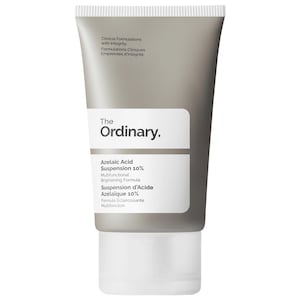
| The Ordinary Azelaic Acid | Blemish-prone redness support | External skin only; can sting |
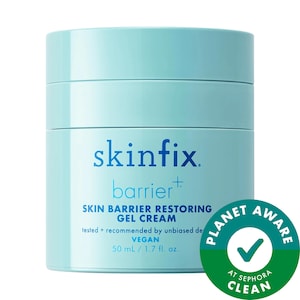 | Skinfix Barrier Gel Cream | Lightweight barrier support | Use thinly if heavy layers trigger bumps |
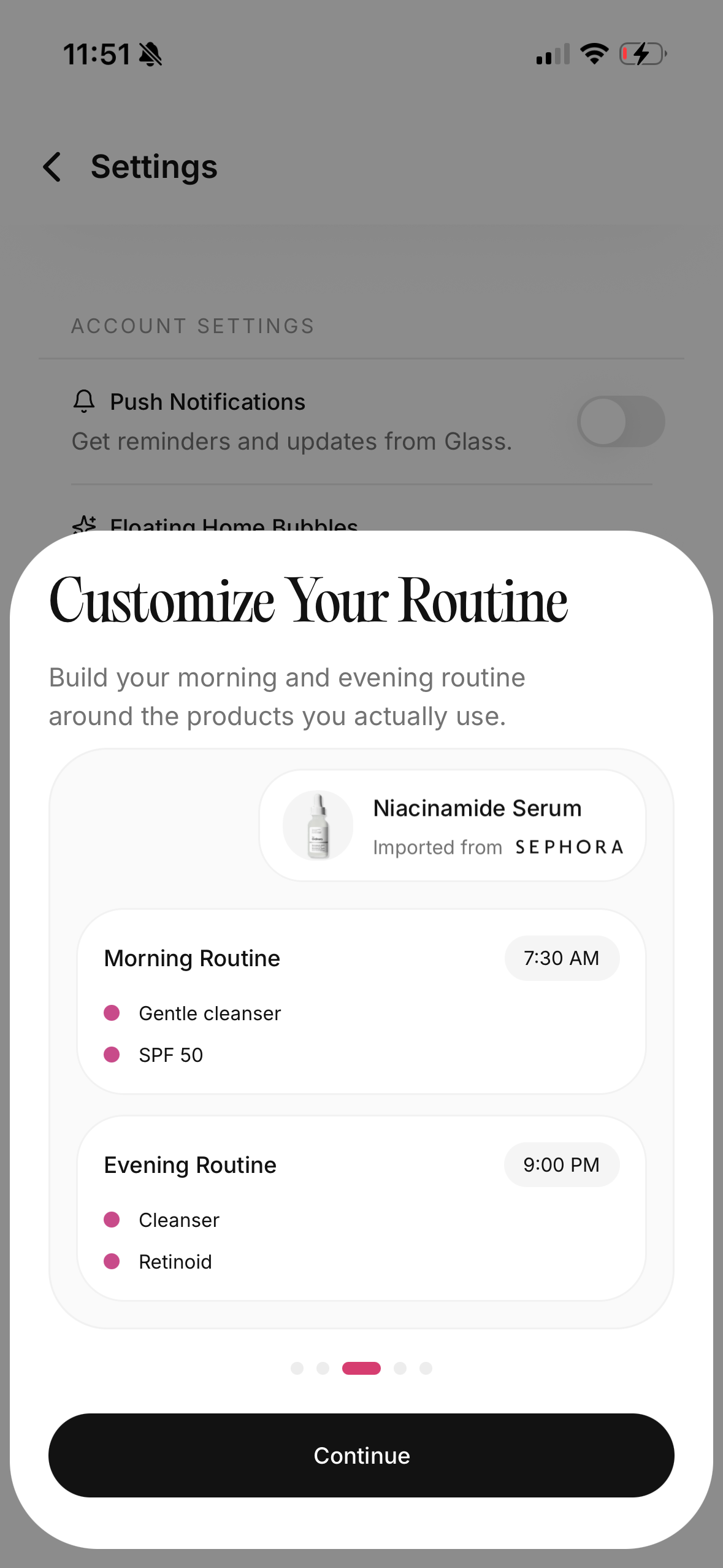
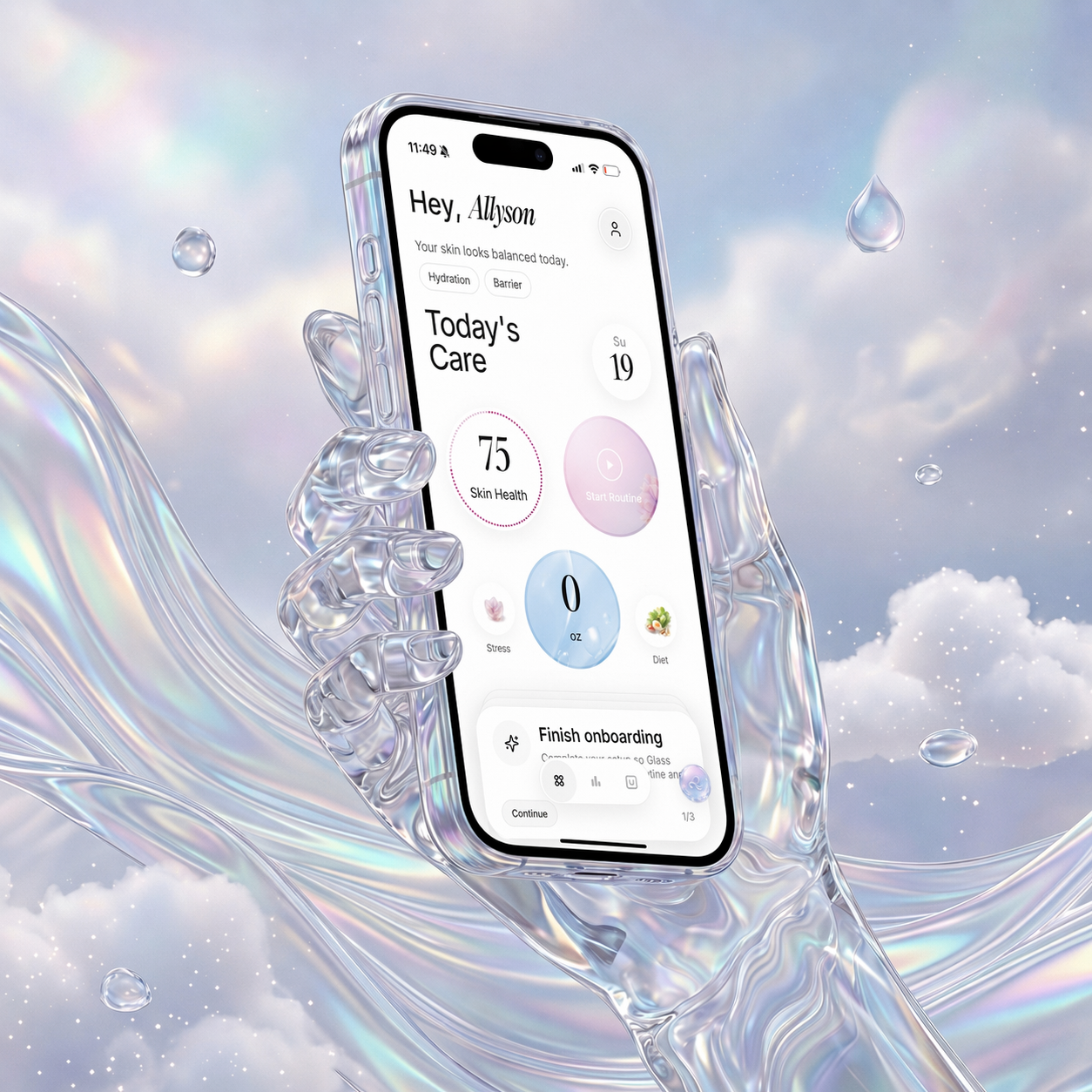 | Glass product tracking | Track product timing and zones | Tracking supports patterns, not diagnosis |
The mouth area is easier to read when each product has a clear job.
Mask, shaving, and saliva triggers
Tiny mouth bumps often sit where friction repeats.
Masks can trap heat and rub the same spots. Shaving or waxing around the upper lip can inflame follicles. Saliva from lip licking or drooling can dry and irritate skin as it evaporates. Napkin rubbing after meals can keep a cluster active.
Reduce repeated friction without over-cleaning. Pat instead of rubbing. Change damp masks. Use clean hair-removal tools. Skip strong acids right after shaving or waxing.
A seven-day version
If two weeks feels too long, start with seven days.
Morning:
- rinse or cleanse gently
- use light moisturizer only if needed
- apply sunscreen to facial skin
- keep balm on lip tissue only
Night:
- brush first
- cleanse after brushing
- moisturize lightly
- avoid picking, scrubbing, and new products
Take one photo at the start and one at the end. Do not change five more things in between.
How to judge the result
Improvement is not only fewer bumps.
Look for less burning, less tightness, less flaking, less redness, fewer new bumps, and less need to touch or balm the area. If the bumps flatten but the skin feels raw, the routine may still be too harsh.
If the cluster improves during the reset, reintroduce one product at a time. If it does not improve, that cleaner story is useful for a clinician.
When acne treatment makes sense again
If the bumps clearly behave like acne and your skin is calm enough, one acne active can come back carefully.
Use small amounts. Keep treatment on facial skin, not the lip border, mouth corners, or wet tissue. Moisturize. Stop if burning, cracking, or rashy redness returns.
For deep, painful, cyclical chin acne or acne that scars, clinician care may be more effective than constant over-the-counter rotation.
Red flags
Get medical care for:
- rapidly spreading redness
- significant swelling
- severe pain
- fever
- pus or honey-colored crust
- blisters or recurring sores
- eye involvement
- worsening after steroid cream
- no improvement after a gentle reset
- pregnancy, immune suppression, or chronic skin disease with a worsening rash
Small bumps can still deserve care when the pattern is persistent or changing.
Track one sentence per day
Detailed tracking is useful, but one sentence is enough.
Write what touched the mouth area and how it felt: toothpaste, balm, sunscreen, mask, shaving, retinoid, makeup, burning, itching, pain, or calm. Use Glass if you want to connect those notes with photos and routine changes.
After two weeks, the pattern often becomes clearer than it felt on day one.
If the bumps are all the same size
Uniform tiny bumps can point away from the usual "one clogged pore at a time" acne story.
That does not prove dermatitis, infection, or any specific condition. It just means you should be careful about attacking each bump as if it has a whitehead waiting to come out. Scrubbing a field of identical bumps often creates more redness without removing anything.
If the bumps are same-sized, rashy, and sensitive, prioritize the reset and clinician guidance over extraction.
If a few bumps become larger pimples
Sometimes a tiny cluster includes real acne too.
If a few bumps develop into distinct tender pimples on the chin or lower face while the rest of the area stays calm, acne treatment may still belong in the plan. Keep it targeted. Treat the acne-prone facial skin, not the entire mouth border.
If every attempt to treat the larger bumps makes the smaller rash burn, stop and get help sorting the overlap.
Why less touching helps
Tiny mouth bumps invite constant checking because texture changes are hard to see. Try to stop running your tongue, fingers, or napkin over the area. The bumps need a chance to show their own pattern without friction being added all day.
Bottom line
Small pimples around the mouth should not automatically trigger stronger acne care.
Tiny clusters often need a cleaner read: toothpaste off the skin, balm inside the border, actives pulled back, friction reduced, and symptoms watched. If the bumps burn, flake, blister, crust, spread, persist, or keep returning, ask a clinician instead of treating harder.