

Pimples on arms are easy to misread.
Sometimes they are acne.
Sometimes they are not.
Upper-arm bumps can be clogged follicles, folliculitis, keratosis pilaris, irritation from sweat or clothing, shaving bumps, bug bites, allergic reactions, or a rash. Treating every bump like facial acne can leave the arms dry, rough, and angrier.
The useful move is to separate acne-like bumps from rough texture and infection signs.

Quick answer
Pimples on arms can come from body acne, inflamed hair follicles, sweat and friction, keratosis pilaris, shaving, or irritation. Mild bumps may improve with showering after sweat, breathable clothing, gentle cleansing, and cautious use of salicylic acid, benzoyl peroxide, sulfur, or moisturizing keratolytics if tolerated. Seek care for painful, spreading, hot, pus-filled, recurrent, or fever-related bumps.
Why arms get bumps
Arms have hair follicles, friction, sunscreen, body lotion, workout sweat, sleeves, backpacks, and shaving or waxing for some people. That creates several routes to bumps.
Common triggers include:
- sweaty sleeves
- tight athletic wear
- backpacks or gear straps
- heavy body oils
- sunscreen buildup
- shaving
- dry skin
- hot tubs or pools
- picking rough bumps
Location helps. Back of upper arms often points toward keratosis pilaris or follicle plugging. Pus-tipped tender bumps can lean more folliculitis-like.
Acne vs folliculitis vs keratosis pilaris
| Pattern | Common clues | Usual direction |
|---|---|---|
| Body acne | varied bumps, clogged pores, inflamed pimples | acne wash or treatment if tolerated |
| Folliculitis | similar small bumps around follicles, itchy or tender | reduce sweat/friction; clinician if persistent |
| Keratosis pilaris | rough tiny bumps, often back of arms, dry feel | moisturize and smooth gently |
| Irritation | burning, redness, rashy patches | simplify and remove trigger |
Mayo Clinic describes folliculitis as bumps around hair follicles that can itch, burn, hurt, or form pus-filled blisters. Widespread or persistent cases may need medical care.
What to do first
Start with the low-risk changes:
- Shower after heavy sweat.
- Change out of damp shirts.
- Wash workout clothes.
- Avoid heavy oils on bumpy areas.
- Use a gentle body wash.
- Stop scrubbing with harsh gloves.
- Do not pick or squeeze.
- Moisturize dry rough arms.
These steps help several causes at once.
Where on the arm matters
Backs of upper arms often behave differently from forearms. Upper-arm bumps are commonly rough, follicle-centered, or KP-like. Forearm bumps may be more related to contact irritation, bug bites, sun exposure, occupational products, or shaving depending on the person.
If bumps appear exactly where backpack straps, sleeves, sports pads, or work gear rub, friction is probably part of the pattern. If they appear after a new lotion or sunscreen, product irritation is possible. If they are widespread and itchy, think beyond acne and consider a clinician.
Location is not a diagnosis, but it can keep you from treating every arm bump the same way.
Product examples
| Image | Product | Possible role | Caution |
|---|---|---|---|
| Kate Somerville Sulfur Cleanser | Blemish-prone external body areas | Can dry sensitive skin |
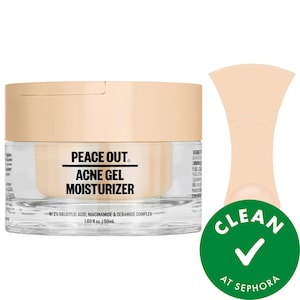 | Peace Out 2% Salicylic Gel Moisturizer | Acne-prone texture support | Avoid raw or freshly shaved skin |
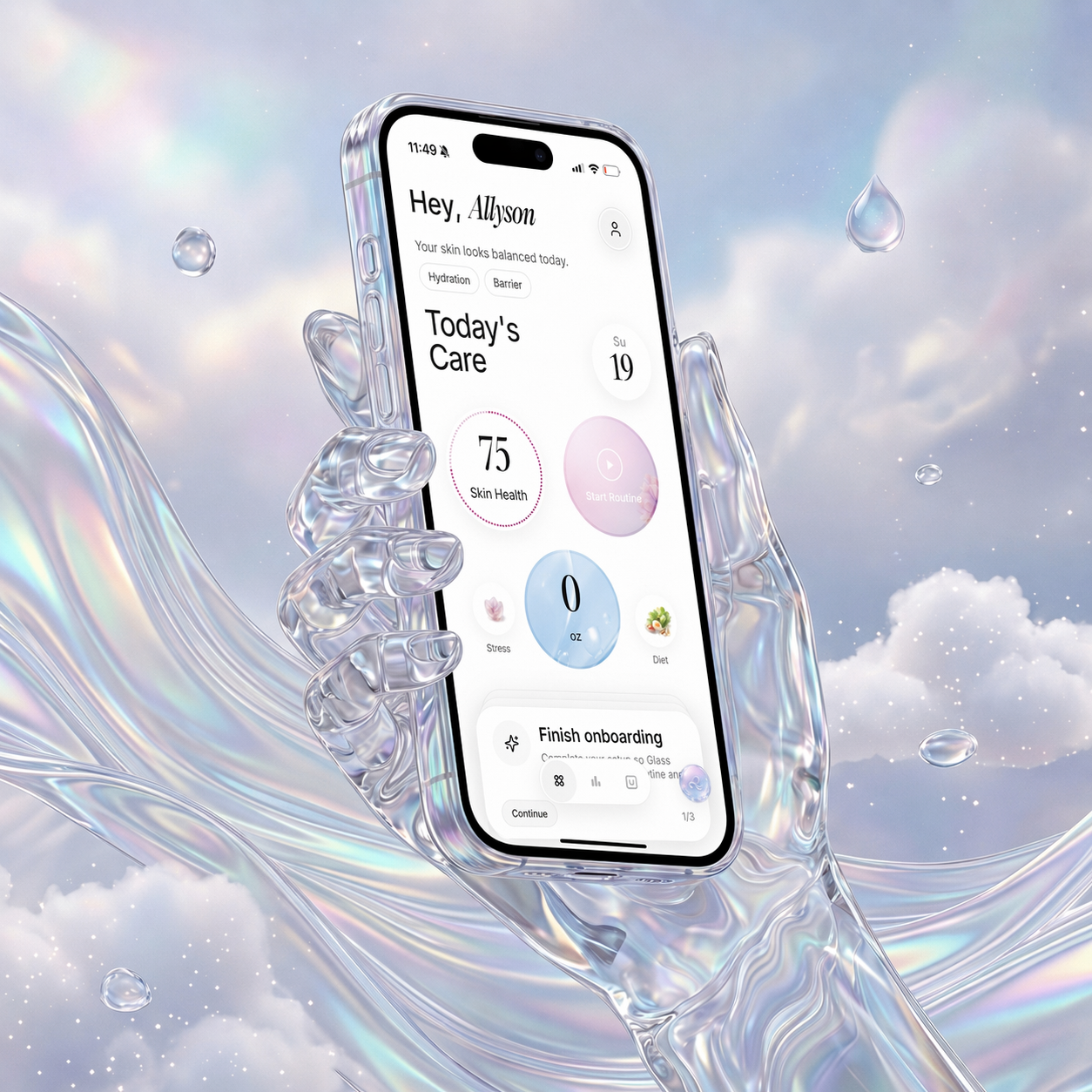 | Glass product log | Track body products and flares | Not a diagnostic tool |
Use one active product at a time. Arms can tolerate more than the face for some people, but they can still get irritated.
Moisturizer for rough arms
Rough arm bumps often need moisture as much as treatment. Dry skin makes texture catch the light and can make bumps easier to pick. A lightweight body lotion used consistently may improve comfort even before texture changes.
If you use smoothing ingredients, introduce them slowly. Lactic acid, urea, salicylic acid, and retinoid-style body products can irritate when overused. Do not apply them over open scratches from picking.
The best arm routine is one you can repeat after showers without turning your skin red and itchy.
If bumps itch more than hurt
Itch changes the conversation. Acne can feel tender, but itchy uniform bumps may fit folliculitis, irritation, eczema, heat rash, or another rash pattern. Scratching then creates scabs that look like acne marks even when acne was not the main issue.
If itch is the dominant symptom, simplify the routine before adding stronger acne care. Stop fragranced body products, avoid hot showers, wear breathable sleeves, and moisturize. If bumps are pus-filled, spreading, or not improving, get a clinician's opinion.
Do not use itch as a reason to scrub. Scrubbing gives a few seconds of relief and then often makes inflammation worse.
Keratosis pilaris possibility
Keratosis pilaris, often called KP, can make the upper arms feel rough or bumpy. It is not the same as acne. The bumps are often tiny, uniform, and dry, sometimes skin-colored, pink, red, brown, or darker depending on skin tone.
Picking KP can create scabs and dark marks. Strong acne spot treatments may not help much.
Moisturizing consistently and using gentle smoothing ingredients can help the look and feel for some people, but KP often needs maintenance rather than a one-time cure.
Folliculitis possibility
Folliculitis means inflamed hair follicles. It can happen after sweat, friction, shaving, hot tubs, occlusion, or microbial overgrowth.
If bumps are itchy, uniform, pus-tipped, or centered around hairs, think follicle irritation. Mild cases may calm with hygiene and friction changes. Persistent, widespread, painful, or recurring cases deserve clinician care because treatment depends on cause.
Do not keep applying random acne products if bumps are spreading or painful.
Sunscreen and body products
Arm bumps can also track with sunscreen, body shimmer, fragrance, self-tanner, or heavy lotion. These products are not bad by default. They just sit on skin that may be sweaty, covered by sleeves, or rubbed by straps.
If bumps started after a new body product, stop that product on one arm or one area if practical and watch the pattern. Cleanse thoroughly after heavy sunscreen days, but do not scrub. If a product stings, itches, or creates a rashy patch, treat that as irritation rather than normal purging.
Body skincare still needs the same logic as face skincare: change one variable at a time.
Shaving and arm bumps
If you shave your arms and bumps follow shaving:
- pause shaving until calm
- use a clean sharp razor
- avoid dry shaving
- shave lightly with hair growth
- rinse well
- moisturize
- avoid active acids immediately after
Ingrown hairs can look like pimples. Digging them out can lead to infection and scarring.
What not to do
Do not pop arm bumps. Do not sand them with rough scrubs. Do not use multiple acids daily because the bumps feel rough. Do not apply acne treatments to open cuts. Do not ignore painful draining lumps.
Also avoid using topical steroids repeatedly without guidance. Steroids can help some rashes but worsen or mask other problems.
Red flags
See a clinician for:
- fever or chills
- rapidly spreading redness
- warmth, swelling, or severe pain
- pus-filled bumps that worsen
- red streaks
- recurring boils
- large lumps
- bumps after hot tub exposure that persist
- no improvement after one to two weeks of self-care
- immune suppression or diabetes
Mayo Clinic advises prompt care for signs of spreading infection such as sudden increases in redness or pain, fever, chills, or feeling unwell.
How to track arm bumps
Use Glass to log:
- body wash
- lotion or oil
- sunscreen
- shaving days
- workout clothing
- sweating
- backpack or strap friction
- itch, pain, or pus
- photos once or twice weekly
The key is to connect bumps to habits and products, not to obsess over every pore.
A four-week arm reset
Week one: stop picking, reduce friction, shower after sweat, and moisturize.
Week two: if bumps are acne-like and skin is intact, add one active cleanser or leave-on product a few times per week.
Week three: adjust based on dryness, itch, and improvement.
Week four: if painful, spreading, pus-filled, or unchanged, get medical input.
This pacing prevents over-treatment.
Do not chase perfect smoothness
Arms have texture. Hair follicles, dry patches, and tiny rough areas can exist even when skin is healthy. The goal is less pain, less itch, fewer inflamed bumps, and fewer marks from picking, not poreless arms.
If the pursuit of smoothness keeps causing irritation, scale back. Comfortable skin is a better sign than temporarily polished skin that burns the next day.
Bottom line
Pimples on arms are not always acne.
Think follicles, friction, KP, irritation, sweat, and shaving. Start with gentle habits. Add actives carefully. Get care for pain, spreading redness, pus, fever, recurring boils, or stubborn symptoms.
Clearer arms usually come from matching the bump type, not attacking all texture the same way.
That restraint prevents avoidable irritation.
The arm texture distinction
Not every bump on the arms is a pimple. That is the first distinction I would make. Acne-like bumps tend to look inflamed or clogged around follicles. Keratosis pilaris can feel rough and sandpapery. Folliculitis may itch, sting, or form similar bumps around hairs. Irritation can follow fragrance, sweat, tight sleeves, or a new body product. If I do not separate those patterns, I end up treating all arm texture like face acne, which can make dryness and irritation worse.
How I would build a calmer arm routine
I would start with habits: shower after sweat, change out of tight workout clothes, moisturize daily, and stop picking. If bumps are rough and dry, I would think about a gentle body moisturizer before strong actives. If they are acne-like and skin is intact, I might try a benzoyl peroxide or salicylic acid body wash carefully, with attention to dryness and fabric bleaching. I would not scrub with rough mitts every day. Arms can tolerate more than the face in some ways, but they can still get irritated when every shower becomes an exfoliation session.
When I would get help
Pain, pus, spreading redness, fever, recurring boils, or bumps that leave scars deserve medical care. So do stubborn itchy bumps that do not match acne. The goal is not perfectly smooth arms at any cost. It is comfortable skin with fewer inflamed spots and less picking damage.