A pimple on the labia can make your brain go loud fast.
It is a private area. It may hurt when you walk, sit, wipe, shave, or have sex. It can be hard to see clearly. And because so many different vulvar bumps can look similar at first, guessing is not always helpful.
The first thing to know is simple: a bump on the labia is not always acne. It might be an inflamed hair follicle, an ingrown hair, a boil, a cyst, irritation from friction, contact dermatitis, or something that needs a clinician, including an infection or STI-related sore.
This guide is not here to diagnose you through a screen. It is here to help you respond calmly, avoid the things that make vulvar skin angrier, and know when to get medical care.
Quick answer
If you have one small pimple-like bump on the outer labia, especially after shaving, waxing, sweating, or friction, it may be folliculitis or an ingrown hair. Do not pop it. Use warm compresses, keep the area clean and dry, avoid shaving over it, and skip harsh acne products.
Get checked if it is very painful, growing, draining a lot of pus, spreading redness, paired with fever, blister-like, ulcerated, recurring, near the vaginal opening, or not improving. If there is any chance of an STI exposure, new sexual partner, painful sores, unusual discharge, or burning with urination, contact a healthcare provider.
Labia, vulva, and why words matter
People often say "vaginal pimple" when they mean a bump on the vulva. The vagina is the internal canal. The labia are part of the external vulva.
That distinction matters because you should not put face acne products inside or near delicate mucosal tissue. Skin on the outer labia can still get irritated, clogged, or inflamed, but it is more sensitive than facial skin and sits in a warm, high-friction area.
So when I say "pimple on labia," I am talking about a pimple-like bump on the external genital skin, not a bump inside the vagina.
Common reasons a pimple-like bump shows up
The most common harmless-looking causes include:
- An ingrown hair after shaving, waxing, trimming, or friction.
- Folliculitis, where a hair follicle becomes inflamed or infected.
- A boil, which is a deeper infected bump that can become very tender.
- A blocked pore or small cyst.
- Irritation from pads, liners, detergents, lubricants, condoms, sweat, tight clothing, or fragranced products.
- A Bartholin gland cyst, usually closer to the vaginal opening rather than high on the outer labia.
Some causes need medical evaluation:
- Genital herpes can begin as tender bumps or blisters.
- Genital warts can look like small raised growths.
- Molluscum contagiosum can cause smooth, dome-shaped bumps.
- Abscesses may need drainage.
- Rarely, a persistent vulvar lump or sore can be something more serious.
The point is not to panic. The point is to stop treating every bump like a face pimple.
What folliculitis feels like
Folliculitis can look like acne because it starts around hair follicles. It may appear as a red, pink, brown, or skin-colored bump. It can be tender or itchy. Sometimes there is a tiny white center.
It is more likely after:
- Shaving against the grain.
- Rewearing sweaty leggings.
- Friction from cycling or tight underwear.
- Hot tubs or pools.
- Heavy occlusive ointments.
- Picking at a hair that was already irritated.
Cleveland Clinic notes that folliculitis can mimic pimples in hair-bearing areas. The labia majora have hair-bearing skin, so this pattern makes sense there. But the inner labia and vaginal opening are different tissue, and bumps there deserve more caution.
Why you should not pop it
Popping a vulvar bump can push bacteria deeper, create a wound in a high-moisture area, and make it harder to tell what the bump originally was.
It can also hurt much more than expected. Vulvar skin is sensitive, and swelling in that area can make walking or sitting miserable.
Avoid:
- Squeezing with fingernails.
- Using a needle.
- Applying facial spot treatments.
- Using alcohol, hydrogen peroxide, tea tree oil, or toothpaste.
- Scrubbing with exfoliating gloves.
- Shaving directly over the bump.
If a bump drains on its own, do not squeeze it empty. Gently wash with water, pat dry, wear breathable underwear, and contact a clinician if pain, swelling, odor, fever, or redness worsens.
What you can try at home
For a small, mild bump on hair-bearing outer labial skin, conservative care is reasonable for a short time.
| Step | How to do it | What to avoid |
|---|---|---|
| Warm compress | Hold a clean warm washcloth over the area for 10 to 15 minutes | Heat that burns or aggressive pressure |
| Gentle cleansing | Use lukewarm water and a mild, fragrance-free cleanser only externally | Internal washing or douching |
| Friction break | Wear loose cotton underwear and avoid tight leggings | Cycling, rubbing, or shaving over it |
| Product pause | Stop new fragranced or irritating products | Deodorant sprays, scented pads, harsh soaps |
| Watchful waiting | Track size, pain, drainage, and redness | Ignoring worsening symptoms |
If it improves steadily, keep things simple until the skin looks normal again. If it stalls or worsens, get care.
When it could be a Bartholin cyst
A Bartholin cyst is usually a lump near the vaginal opening, often on one side. It may be painless when small. If infected, it can become an abscess and feel extremely painful, swollen, warm, or difficult to sit on.
Mayo Clinic and Cleveland Clinic both describe Bartholin cysts as labial or vulvar lumps near the vaginal opening. Treatment depends on size, pain, and infection.
Do not try to drain a suspected Bartholin cyst yourself. If it is painful, growing, or making walking or sitting difficult, a clinician can examine it and discuss safe treatment.
Also, a new lump near the vaginal opening after age 40 deserves prompt medical evaluation. That does not mean it is cancer. It means it should not be guessed at.
When it could be an STI or another infection
Some STI-related bumps can start subtly. Herpes can begin with tenderness, tingling, burning, or small blisters that may break into sores. Warts may be painless raised growths. Other infections can cause swelling, ulcers, discharge, odor, pelvic pain, or burning with urination.
Get medical care if you notice:
- Blisters or open sores.
- Painful urination.
- Unusual vaginal discharge.
- Pelvic pain.
- Fever or swollen groin lymph nodes.
- A new bump after unprotected sex or a new partner.
- Multiple bumps that spread.
- A bump that does not heal.
Testing is normal healthcare. You do not need to solve the cause before making the appointment.
What about acne products?
I would not use facial acne products on the labia unless a clinician specifically tells you to.
That includes benzoyl peroxide, salicylic acid, retinoids, strong acids, exfoliating toners, and drying spot treatments. They can irritate vulvar skin, and some can bleach underwear or create burning. Even products that are useful on the face are not automatically appropriate here.
For facial breakouts, you might compare ingredients in Glass or use a product page like The Ordinary Azelaic Acid. For vulvar bumps, the decision tree is different. Gentle external care and clinician guidance matter more than actives.
How to prevent repeat bumps
If bumps happen after hair removal, change the hair-removal routine first.
Try:
- Trimming instead of shaving during flares.
- Using a clean razor and changing blades often.
- Shaving with the grain, not against it.
- Avoiding dry shaving.
- Rinsing sweat soon after workouts.
- Wearing breathable underwear.
- Switching to fragrance-free detergent.
- Avoiding scented pads, sprays, wipes, and washes.
If bumps keep returning in the groin, underarms, buttocks, or under the breasts, ask about hidradenitis suppurativa or recurrent folliculitis. Those conditions need a different plan than occasional ingrown hairs.
How to track it without obsessing
Take one clear note: date, location, size, pain level, and any trigger you can remember. Do not keep checking every hour. Repeated touching can worsen swelling.
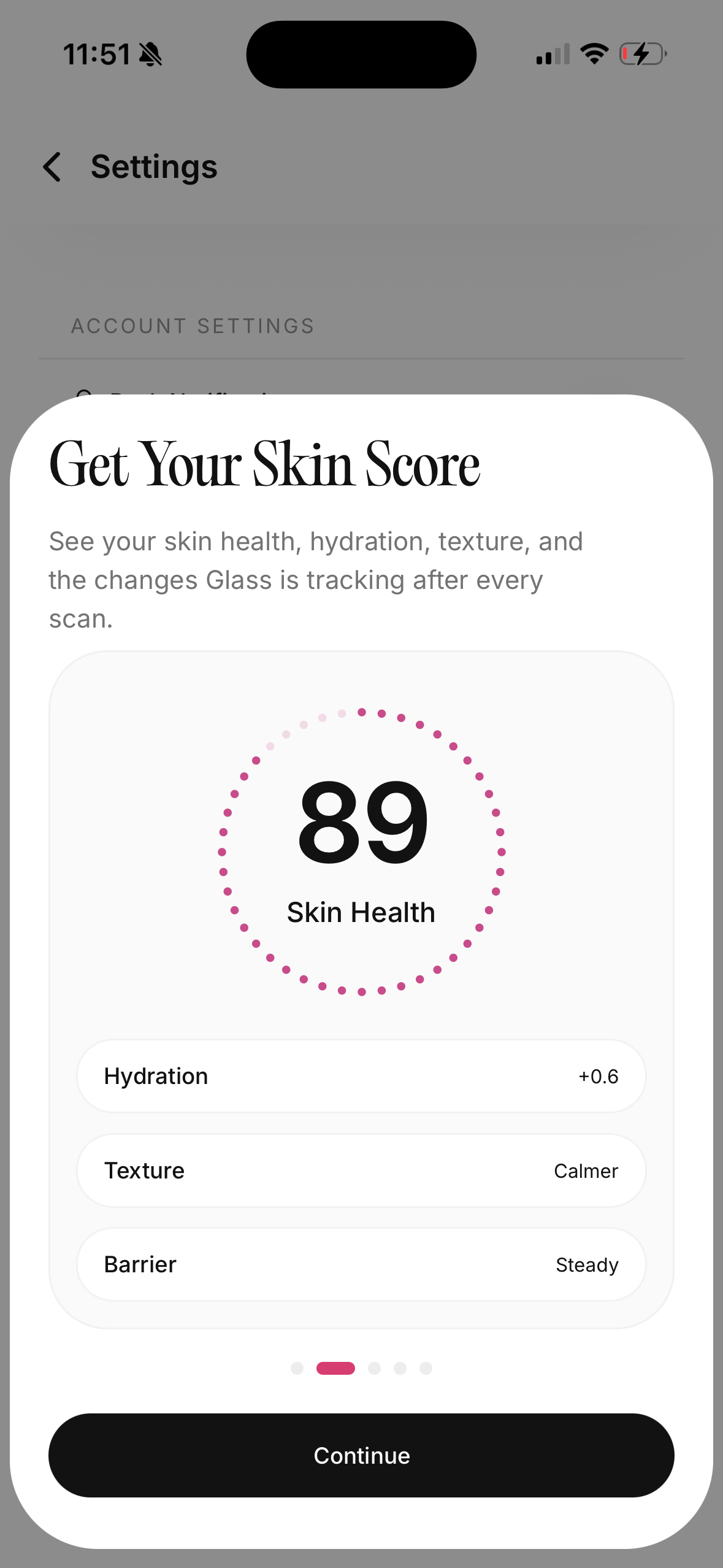
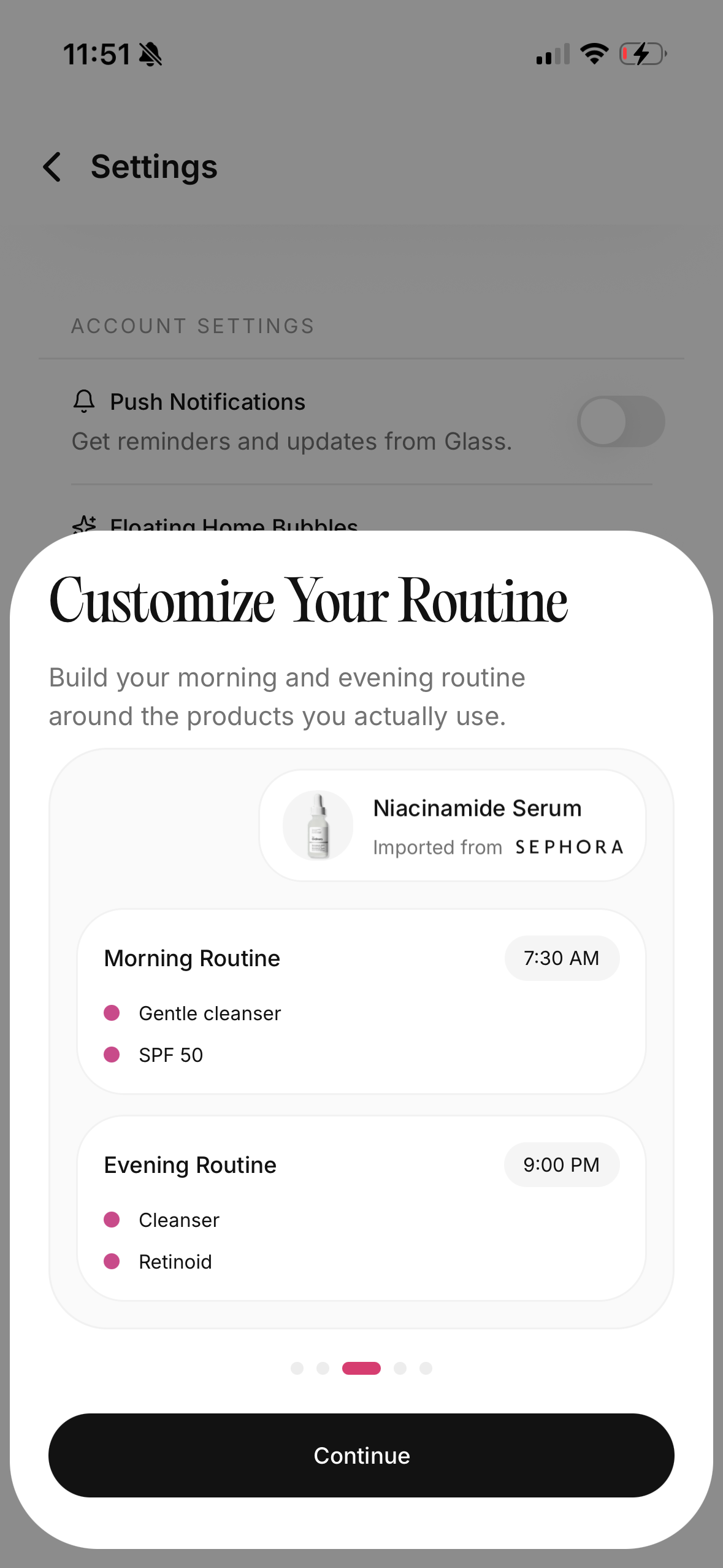
The same principle applies to facial routines in Glass: track enough to spot patterns, but do not let tracking become another way to irritate the skin.
Red flags
Seek prompt medical care if:
- Redness spreads quickly.
- Pain becomes severe.
- You develop fever or feel sick.
- The area is hot, swollen, or rapidly enlarging.
- There is significant pus, bad odor, or red streaking.
- The bump is a blister, ulcer, or sore.
- You are pregnant, immunocompromised, or have diabetes.
- The bump is near the vaginal opening and very painful.
- A new lump appears after age 40.
- It does not improve after a few days of conservative care.
The calm takeaway
A pimple on the labia may be minor, but it deserves respect.
Do not pop it. Do not burn it with face products. Reduce friction, use warm compresses, keep the area clean externally, and watch whether it improves. If the story is not clearly mild and improving, let a clinician look.
The goal is not embarrassment avoidance.
The goal is protecting sensitive skin and getting the right care early.