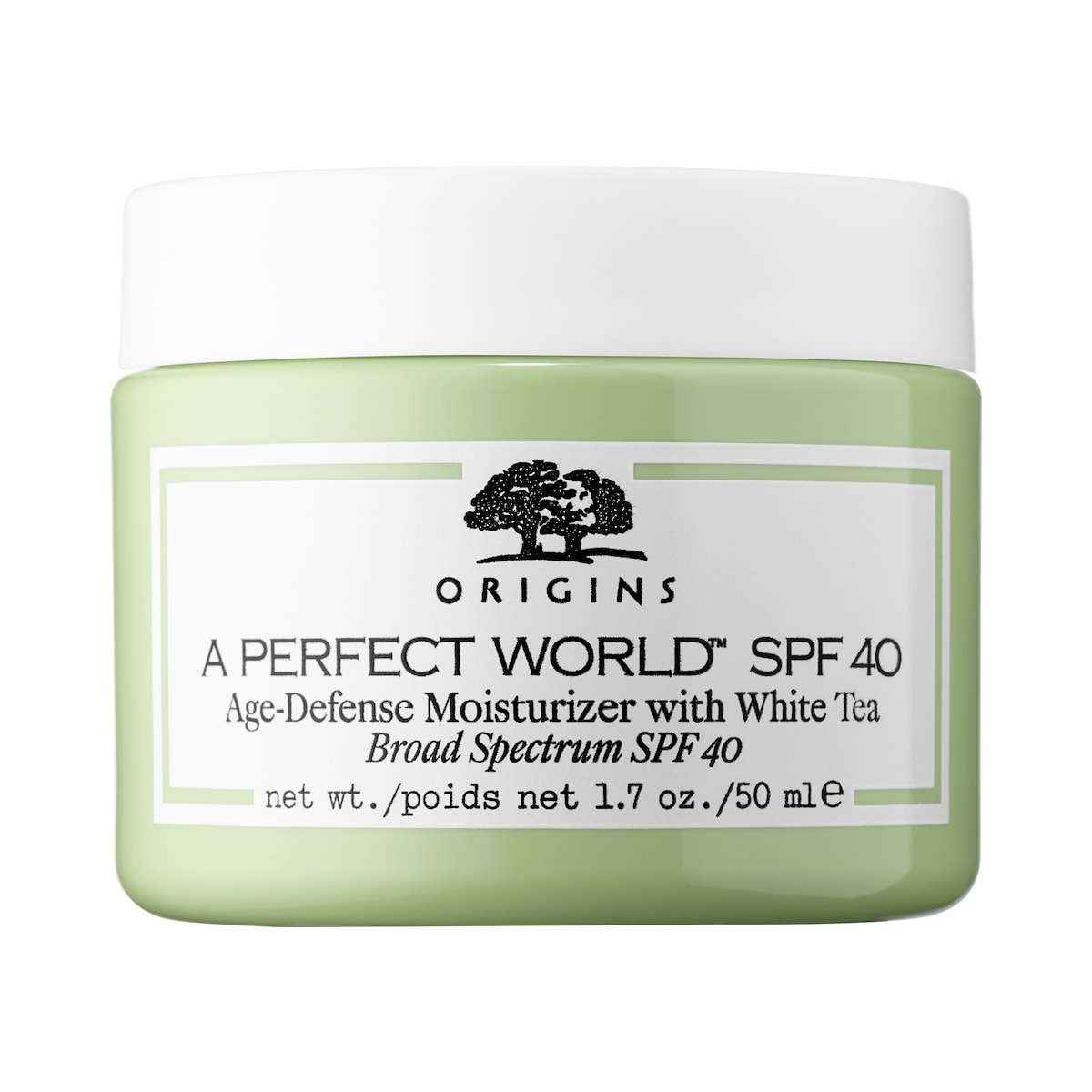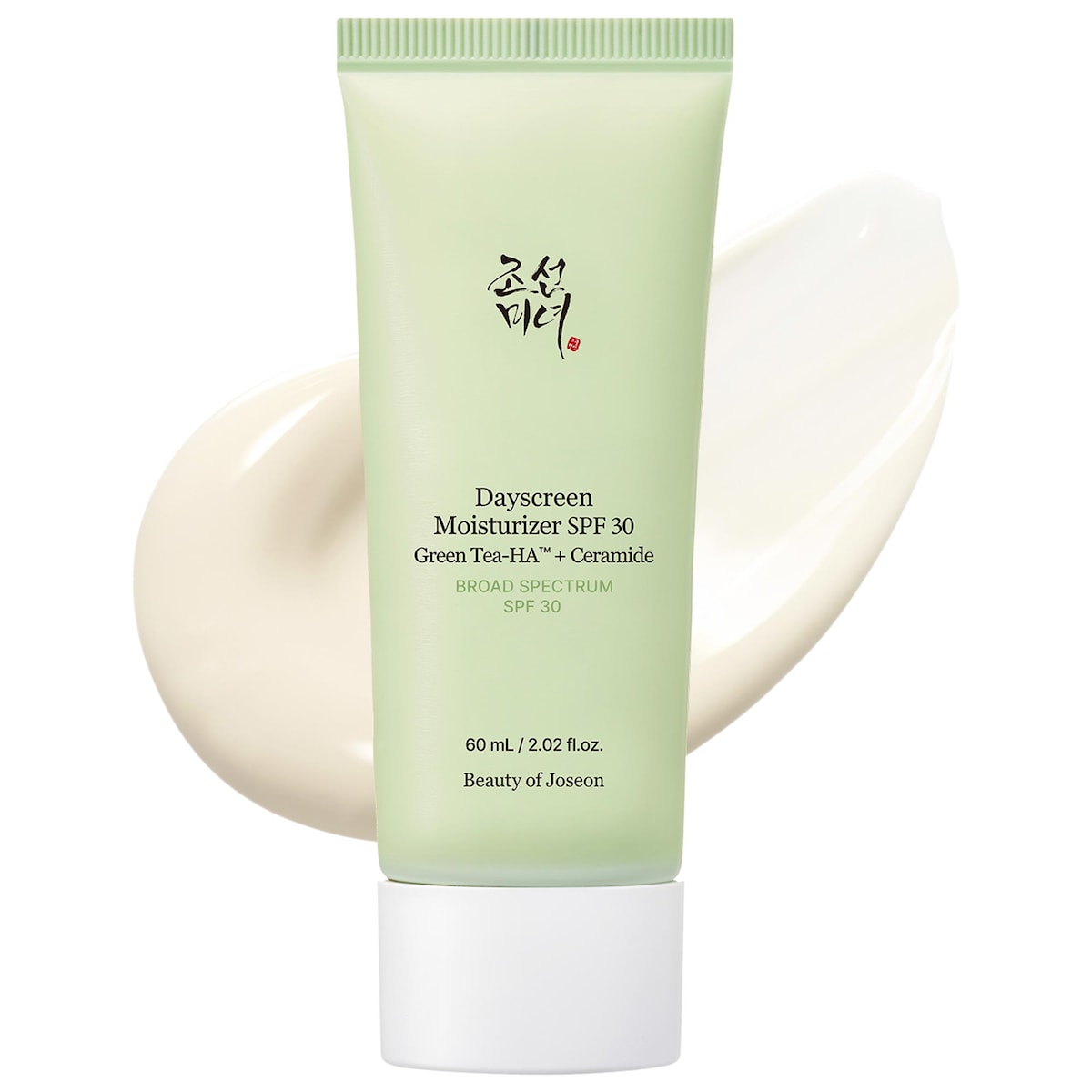
Your morning routine should not feel like a chemistry exam.
It should feel repeatable.
Clean skin. One useful treatment. Enough moisture. Sunscreen that does not roll into little eraser crumbs the second you touch your face.
That is the bar.
The correct morning skincare routine order in April 2026 is usually: gentle cleanse or rinse, optional toner or essence, vitamin C or another daytime serum, moisturizer if your skin needs it, sunscreen, then makeup or primer. The exact products can change, but sunscreen stays last in skincare. Oils, heavy creams, and too many sticky layers are usually where the morning starts falling apart.
The part nobody says clearly enough is that order alone does not fix everything. Texture matters. Amount matters. Timing matters. If you put five good products in the technically correct order but they all fight each other, your face still loses.
I like a morning routine that earns its place before coffee.
Quick answer
If you want the easiest version, do this:
- Rinse or cleanse.
- Apply a light hydrating layer if your skin feels tight.
- Use vitamin C, niacinamide, or one daytime serum.
- Moisturize only as much as your skin needs.
- Apply broad-spectrum sunscreen.
- Let it set before makeup.
That is enough for most mornings.
If your skin is oily, you may not need a separate moisturizer under a creamy sunscreen. If your skin is dry, skipping moisturizer can make sunscreen cling in patches. If your skin is sensitive, your best morning active might be no active at all for a few weeks.
The goal is not to win at layering. The goal is to leave the house with skin that feels calm, protected, and not overloaded by 8:15.
The morning routine order I trust most
| Order | Step | Good Sephora example | Best for | What to watch |
|---|---|---|---|---|
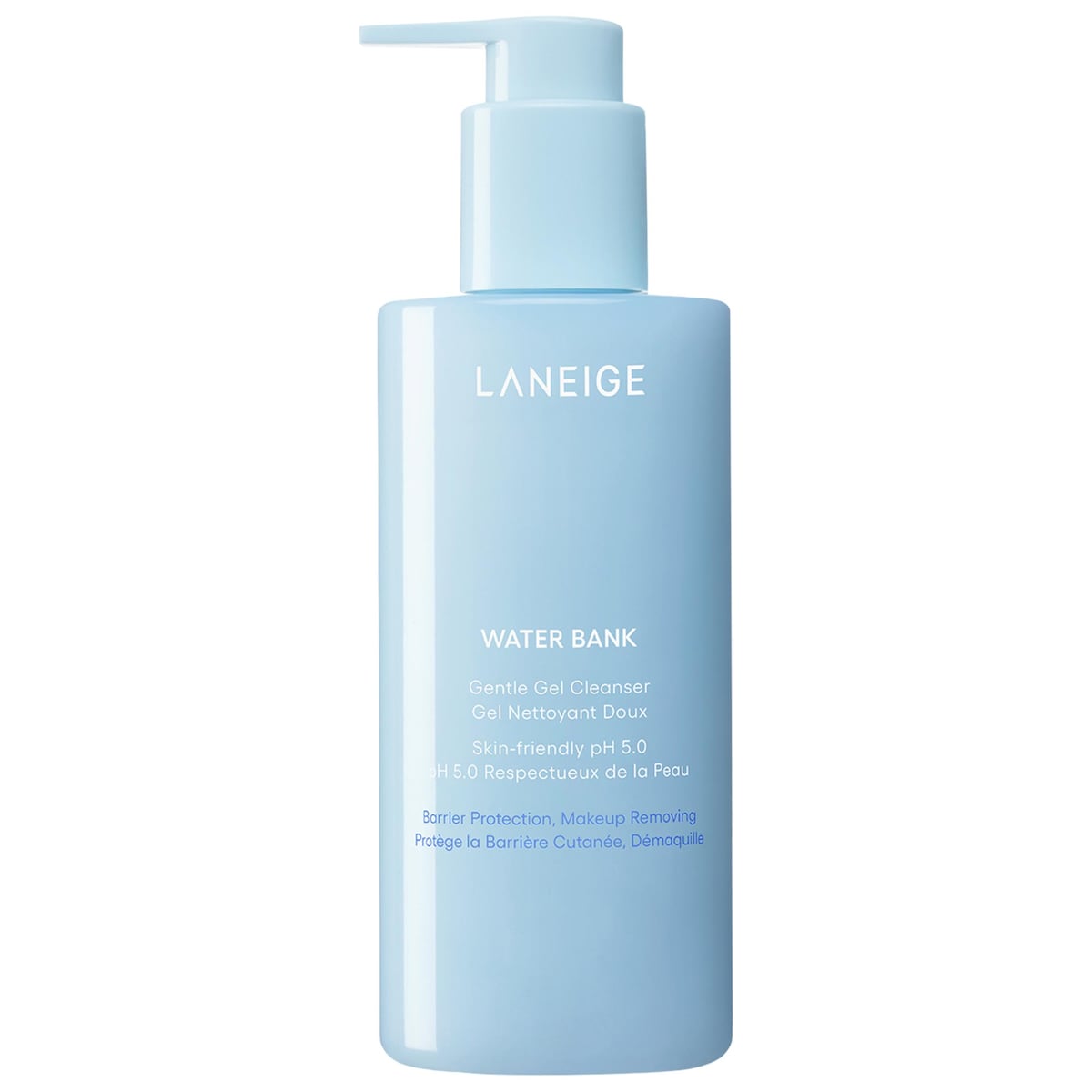
| 1 | Cleanse or rinse | 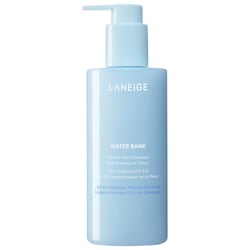 LANEIGE Water Bank Gentle Gel Cleanser LANEIGE Water Bank Gentle Gel Cleanser | Normal, combo, or dehydrated skin that wants a soft start | Do not over-cleanse dry skin just because it is morning |
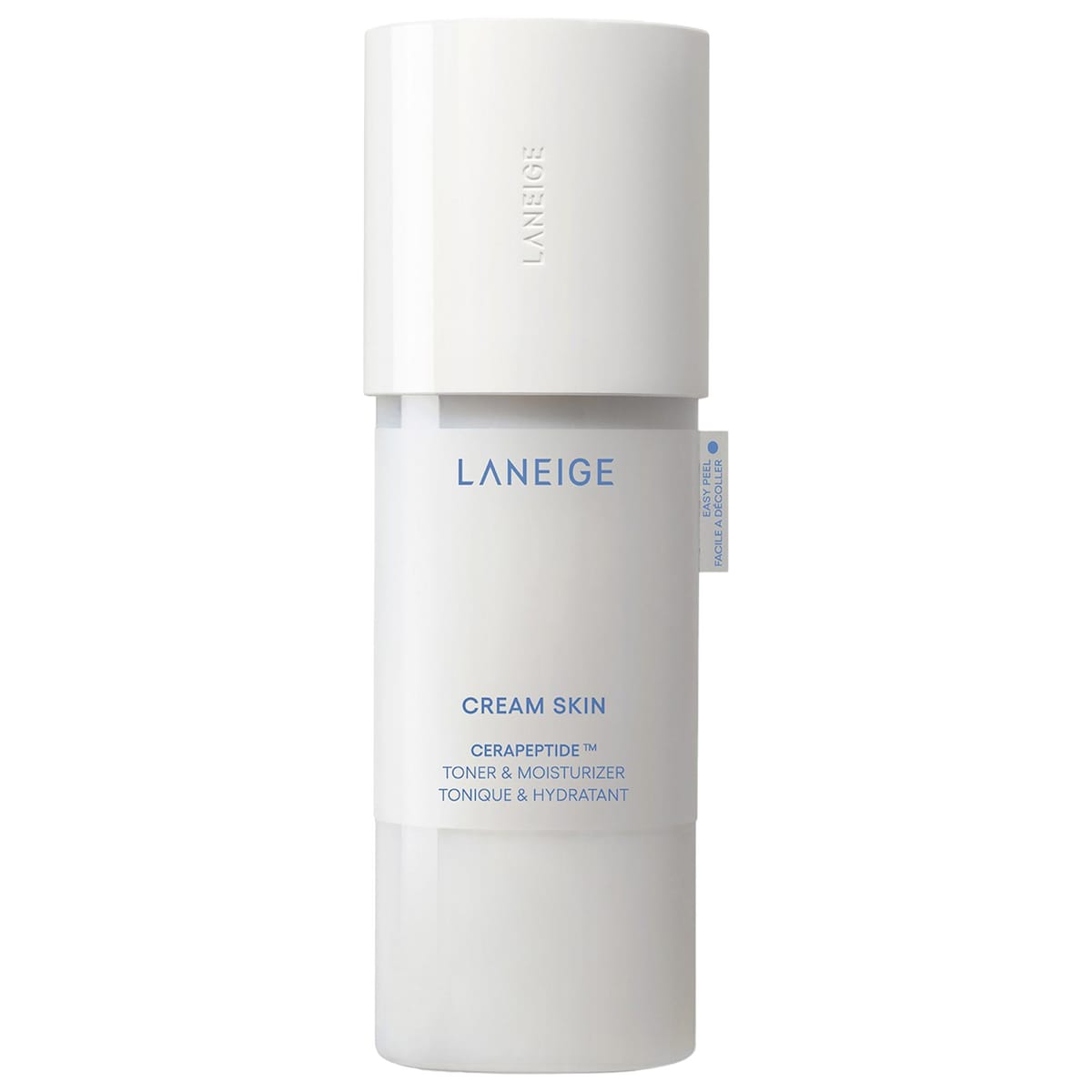
| 2 | Hydrate | 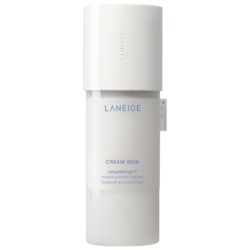 LANEIGE Cream Skin Milky Toner LANEIGE Cream Skin Milky Toner | Dry, tight, or sunscreen-patchy skin | One thin layer beats three wet layers |
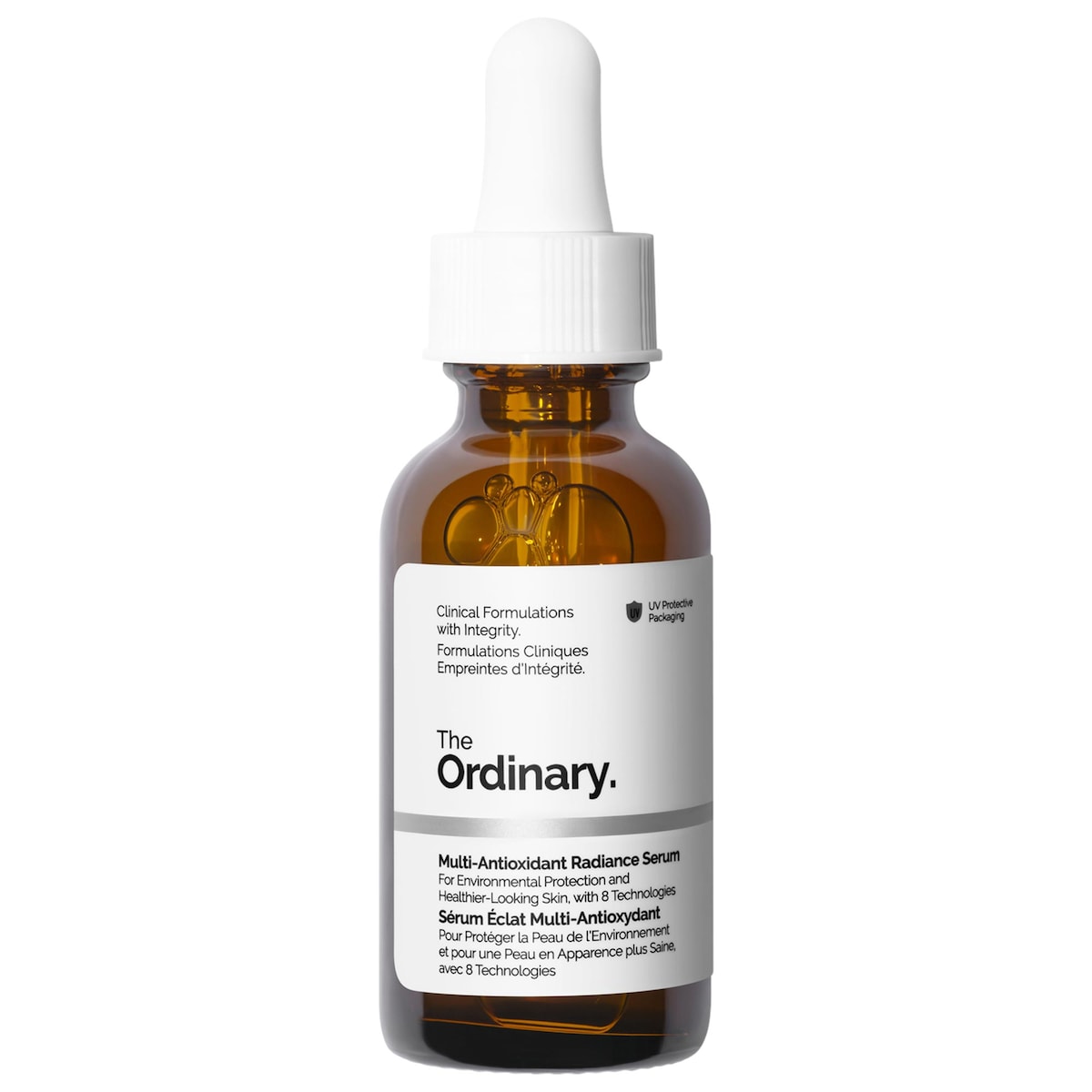
| 3 | Treat | 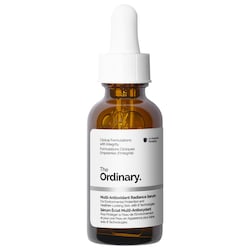 The Ordinary Multi-Antioxidant Radiance Serum The Ordinary Multi-Antioxidant Radiance Serum | Dullness, uneven tone, antioxidant support | Keep strong actives simple in the morning |
| 4 | Moisturize |  The INKEY List Omega Water Cream The INKEY List Omega Water Cream | Oily, combo, or easily congested skin | Use less than you think under SPF |
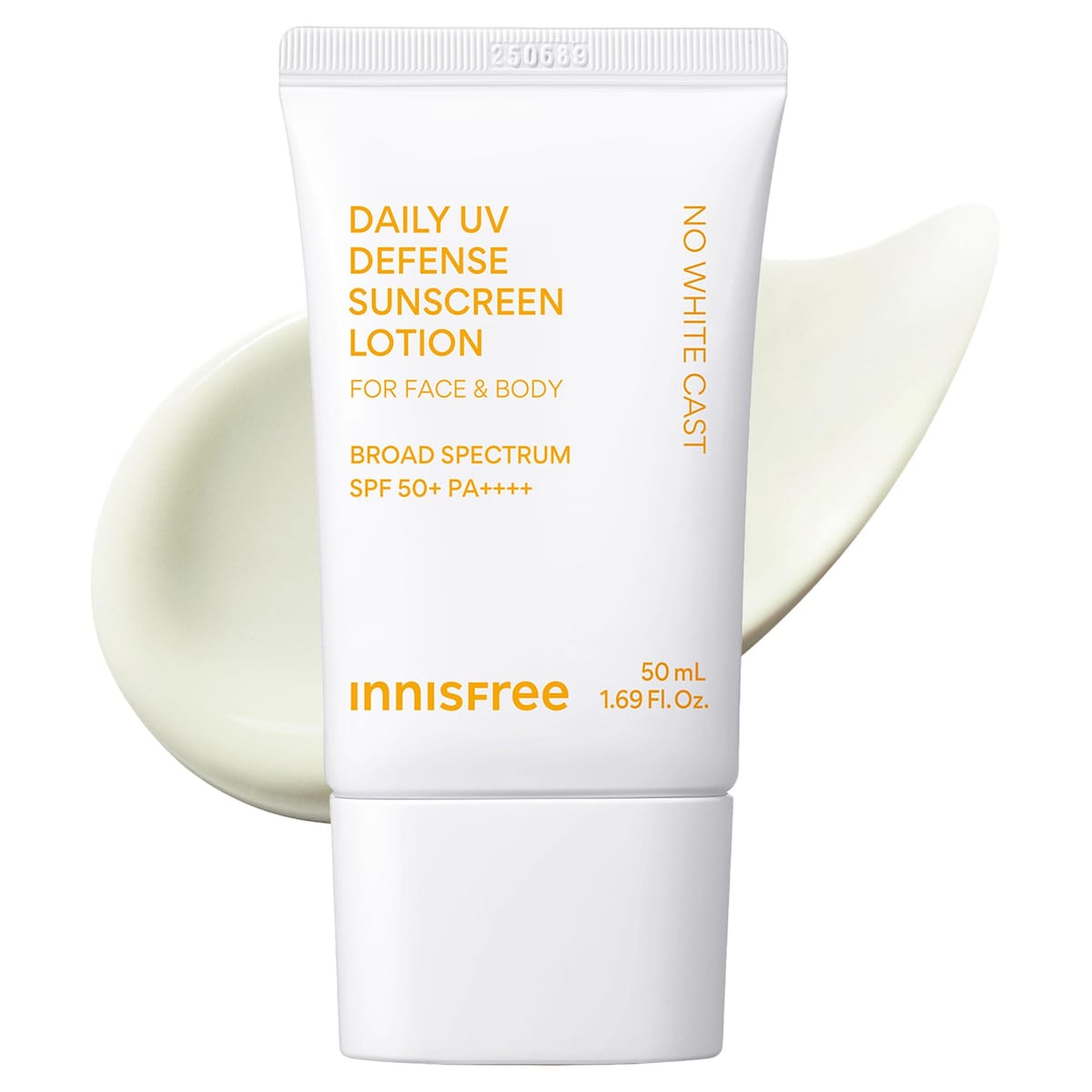
| 5 | Protect | 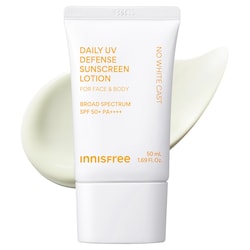 innisfree Daily UV Defense Invisible Korean Sunscreen SPF 50+ innisfree Daily UV Defense Invisible Korean Sunscreen SPF 50+ | Daily wear, glow routines, under-makeup mornings | Sunscreen is the final skincare layer |
This order works because it moves from lighter, more water-based steps into richer and more protective steps. It also keeps the morning focused on what the day actually asks from your skin: comfort, antioxidant support if tolerated, and UV protection.
At night, your routine can be more repair-focused. Morning is different. Morning is defense.
Step 1: Cleanse only if your skin actually needs it
This is where a lot of people make the first mistake.
They wake up, wash aggressively, feel tight, add more serum, add more cream, then wonder why sunscreen pills. The problem started at the sink.
You have three reasonable options in the morning:
- rinse with water if your skin is dry, calm, and not oily when you wake up
- use a gentle cleanser if you wake up sweaty, oily, or still feel night cream on your skin
- use a more clarifying cleanser only if your skin handles it without tightness
A morning cleanse should leave your skin comfortable. Not squeaky. Not shiny-tight. Not pink and hot.
The American Academy of Dermatology keeps its face-washing advice simple: use a gentle, non-abrasive cleanser, avoid scrubbing, and use lukewarm water. That advice sounds basic until you realize how many morning routines ignore it.
I would rather see someone cleanse lightly and keep sunscreen consistent than cleanse like they are trying to erase yesterday from their face.
Use LANEIGE Water Bank Gentle Gel Cleanser if you want a soft gel cleanser that fits a hydration-led routine. Use something even richer or skip cleanser if your skin is dry and easily annoyed. If you are oily, a gentle gel makes more sense than a heavy cream cleanser, but it still should not leave your face feeling punished.
Step 2: Add hydration only when it has a job
Hydrating layers are useful.
They are also easy to overdo.
If your sunscreen always catches around your mouth, flakes near your nose, or looks strange over dry cheeks, a thin hydration layer can make the whole morning routine behave better. If your skin is already balanced and your sunscreen feels good, you may not need this step every day.
That is the decision point.
Use a toner, essence, or milky skin step when:
- your face feels tight after cleansing
- your moisturizer never seems to spread evenly
- your sunscreen looks patchy by midmorning
- your skin is dry but hates heavy cream
- your makeup clings even when you exfoliated recently
Skip it when:
- your routine already feels sticky
- your sunscreen pills no matter what
- your skin gets shiny fast and your moisturizer already covers hydration
- you are trying to troubleshoot irritation
LANEIGE Cream Skin is a good example of a morning hydration step because it can cushion the skin without turning the routine into a ten-layer project. I would use one thin layer, press it in, and wait until the skin feels lightly damp rather than wet before moving on.
Wet skin plus serum plus moisturizer plus sunscreen is often too much movement. Let each step settle enough that the next one does not smear it around.
Step 3: Use one daytime serum, not a whole treatment shelf
Morning is a good time for antioxidant support.
That does not mean everyone needs the strongest vitamin C serum they can find.
A clean daytime serum slot can be vitamin C, niacinamide, a gentle brightening serum, or even a hydrating serum if your skin is not ready for actives. What I do not like is stacking vitamin C, exfoliating acid, retinoid leftovers, multiple brightening serums, and then pretending sunscreen pilling is a mystery.
For a simple morning, choose one main serum job:
- Dullness: vitamin C or another antioxidant serum
- Oiliness: niacinamide or a lightweight balancing serum
- Dehydration: hyaluronic acid, glycerin, or a milky hydration layer
- Redness: barrier-support or calming serum
- Sensitivity: skip active treatment and protect the barrier
If you are new to vitamin C, start lower and slower than your impatience wants. Sensitive skin can find classic vitamin C formulas spicy, especially when applied right after cleansing. If that happens, do not keep forcing it because someone told you morning vitamin C is mandatory.
It is not mandatory.
Sunscreen is mandatory if you care about the long game. Vitamin C is optional support.
The Ordinary Multi-Antioxidant Radiance Serum fits the kind of morning slot many people are looking for: brightening-minded, antioxidant-led, and easier to understand than a shelf full of overlapping serums. If your skin likes vitamin C, this is the moment to use it. Apply it before moisturizer and sunscreen, not mixed into them.
Step 4: Moisturizer is flexible, but not random
Moisturizer is where morning routines become personal.
Dry skin usually needs it. Oily skin may need less. Combination skin may need it only on the cheeks. Sensitive skin often needs it more than it wants to admit, because a calmer barrier makes sunscreen easier to tolerate.
The mistake is treating moisturizer like a full-face mask under sunscreen. That can work at night. It often fails in the morning.
Use a lighter moisturizer when:
- your sunscreen is already hydrating
- you wear makeup
- your T-zone gets shiny fast
- your SPF pills over richer creams
- you are layering a hydrating toner underneath
Use a richer moisturizer when:
- your sunscreen looks patchy on dry areas
- your skin feels tight by noon
- your barrier is recovering
- your cheeks sting when you apply SPF
- makeup clings no matter how little product you use
The INKEY List Omega Water Cream makes sense in a morning routine because it gives you moisture without forcing a heavy finish. For oily and combination skin, this kind of texture is usually easier under sunscreen than a dense night cream.
The amount matters more than people think. A pea-sized amount can be plenty if your sunscreen has a creamy base. If you apply moisturizer like frosting and sunscreen like paint five seconds later, pilling is not surprising.
Give moisturizer a minute. Then apply SPF.
Step 5: Sunscreen is last in skincare
This is the rule I would not overcomplicate.
Sunscreen goes last in skincare.
Not before moisturizer. Not mixed with moisturizer. Not blended into foundation as a shortcut. Apply it as its own layer so it can form an even film.
The AAD recommends a broad-spectrum sunscreen with SPF 30 or higher. FDA sunscreen labeling also separates broad-spectrum protection from SPF alone, which is why the front of the bottle matters. You want UVA and UVB coverage, not just a high number that sounds impressive.
For the face, the sunscreen you will use generously is usually better than the theoretically perfect sunscreen you hate.
innisfree Daily UV Defense Invisible Korean Sunscreen SPF 50+ is a strong example of the modern daily SPF texture people keep reaching for: lighter, smoother, and easier to live with than older sunscreen memories. If sunscreen is the step you avoid, texture is not vanity. Texture is compliance.
Apply enough. Let it set. Then move to primer or makeup.
If you apply makeup immediately while sunscreen is still sliding around, you can disturb the layer and create pilling. If you wait too long and your skin gets dry, some base products can drag. The sweet spot is usually a few minutes, when the sunscreen feels settled but not dusty.
Where primer and makeup fit
Primer is not skincare.
It goes after sunscreen.
That one answer clears up a lot of confusion. If your primer is silicone-heavy, mattifying, gripping, or smoothing, it belongs on top of your SPF after the sunscreen has had a chance to settle. If your sunscreen already behaves like a primer, skip primer and save yourself the extra layer.
The clean order is:
- skincare
- sunscreen
- primer if needed
- makeup
If your makeup pills, test the routine in pairs instead of blaming everything at once.
Try sunscreen alone. Then sunscreen plus moisturizer. Then sunscreen plus primer. Then sunscreen plus foundation. The bad combination usually reveals itself quickly.
Common causes of pilling:
- too much moisturizer under SPF
- too many water-gel layers
- rubbing instead of pressing
- layering silicone primer over an unsettled sunscreen
- using a sunscreen and foundation that do not like each other
- applying products too quickly
- trying to make a night cream work in the morning
The fix is rarely buying five new products. Usually it is removing one layer, using less product, or giving sunscreen more time.
The order changes by skin type
The baseline order stays the same, but the weight of each step changes.
If your skin is dry
Do not skip hydration just to make the routine shorter. Dry skin often needs a soft layer before moisturizer and a sunscreen that does not make flakes look louder.
Try:
- rinse or gentle cleanse
- milky toner
- vitamin C only if tolerated
- moisturizer
- sunscreen
If vitamin C stings, move it to every other morning or pause it until the barrier feels normal. A brighter routine is not better if your skin looks inflamed.
If your skin is oily
Keep the routine thinner.
Try:
- gentle gel cleanse
- niacinamide or lightweight serum
- light moisturizer only where needed
- sunscreen
You may not need a separate moisturizer if your sunscreen is creamy and your skin feels comfortable. That is allowed. The routine should fit your face, not a chart.
If your skin is sensitive
Reduce the number of decisions.
Try:
- rinse or gentle cleanse
- calming hydration if needed
- moisturizer
- mineral or well-tolerated sunscreen
When skin is reactive, the best morning active is often restraint. Do not try to brighten, exfoliate, smooth, and protect all before breakfast. Calm skin reflects light better than irritated skin.
If your skin is acne-prone
Do not turn the morning into a punishment routine.
Try:
- gentle cleanse
- one acne-friendly serum if you already tolerate it
- light moisturizer
- non-comedogenic-feeling sunscreen
If you use prescription acne treatment or a retinoid at night, the morning should support that routine, not compete with it. Barrier damage can make breakouts feel more chaotic because every product starts feeling like a suspect.
The most common morning routine mistakes
The first mistake is using too many active ingredients at once.
Vitamin C, exfoliating acids, retinoids, acne treatments, brightening blends, and scrubs do not become more intelligent because they are in the same routine. If your face feels hot, shiny, tight, or bumpy in a new way, simplify.
The second mistake is treating sunscreen like the annoying final chore instead of the point of the morning. Morning skincare without SPF is like doing laundry and then leaving it in the rain. You did work, but you did not protect the result.
The third mistake is copying a routine from someone with completely different skin. A dewy seven-step morning can look beautiful on dry skin and feel like a wax coating on oily skin. A minimalist routine can look elegant on balanced skin and feel miserable on a compromised barrier.
The fourth mistake is changing everything at once. If your morning routine is not working, change one variable for a few days:
- cleanse less aggressively
- remove the toner
- use less moisturizer
- switch sunscreen texture
- wait longer before makeup
- move vitamin C to every other morning
That is how you learn your skin instead of just collecting products.
A simple April 2026 routine I would actually build
For a normal-to-combination morning, I would keep it boring in the best way:
- Cleanser: LANEIGE Water Bank Gentle Gel Cleanser, or just a rinse if skin feels dry.
- Hydration: LANEIGE Cream Skin, one thin layer only when skin feels tight.
- Serum: The Ordinary Multi-Antioxidant Radiance Serum if vitamin C fits your skin.
- Moisturizer: The INKEY List Omega Water Cream, light amount.
- Sunscreen: innisfree Daily UV Defense Invisible Korean Sunscreen SPF 50+.
That routine has a job for every step.
Nothing is there just to make the shelf look complete.
If I were making it drier, I would use more moisturizer and keep the milky toner. If I were making it oilier, I would skip the toner and use less moisturizer. If I were making it sensitive-skin friendly, I would remove vitamin C first and keep the routine calm for two weeks before adding anything back.
That is the real version of a good morning routine. It bends without breaking.
What to ignore
Ignore anyone who says you need a toner because toner is always step two.
Ignore anyone who says vitamin C is worthless unless it burns a little.
Ignore anyone who says moisturizer is mandatory for every oily-skinned person under every sunscreen.
Ignore anyone who tells you sunscreen and primer order is a personality test. Sunscreen first. Primer after.
Ignore the urge to make your morning routine impressive. Impressive is not the goal. Consistent is the goal.
Bottom line
The best morning skincare routine order in April 2026 is simple: cleanse or rinse, hydrate if needed, apply one daytime serum, moisturize according to your skin, then finish with sunscreen before primer or makeup.
If your SPF pills, your routine is probably too heavy, too rushed, or using textures that do not sit well together. Start by removing one layer and waiting a little longer before makeup.
You do not need a longer morning.
You need a cleaner one.
FAQ
Does vitamin C go before or after moisturizer?
Vitamin C usually goes before moisturizer. Apply it after cleansing and any thin hydrating toner, then seal with moisturizer if your skin needs it. If vitamin C stings on bare skin, use it less often or choose a gentler formula instead of forcing it daily.
Does sunscreen go before or after moisturizer?
Sunscreen goes after moisturizer as the final skincare step. If your sunscreen is moisturizing enough and your skin is oily, you may be able to skip separate moisturizer, but SPF should still be the last skincare layer before primer or makeup.
Should I wash my face every morning?
Not always. Oily, sweaty, or acne-prone skin often does better with a gentle morning cleanse. Dry or sensitive skin may prefer a water rinse. The right answer is the one that leaves your skin comfortable before serum and sunscreen.
How long should I wait between skincare steps in the morning?
You do not need a stopwatch for every layer. Wait until each step stops feeling slippery before applying the next one. The most important pause is before makeup: give sunscreen a few minutes to settle so you do not disturb the protective layer.
Can I mix sunscreen with moisturizer?
No. Apply sunscreen as its own final skincare layer. Mixing it with moisturizer can make coverage uneven and makes it harder to know whether you used enough.
What should I do if my morning skincare pills?
Use less product, remove one layer, and slow down. The biggest causes are too much moisturizer, too many gel layers, sunscreen applied over unsettled skincare, or primer and sunscreen textures that do not work together.
Is primer before or after sunscreen?
Primer goes after sunscreen. Let the sunscreen settle first, then apply primer only where you need smoothing, grip, or oil control.
What is the simplest morning routine that still works?
Cleanse or rinse, moisturize if needed, and apply broad-spectrum sunscreen. Add vitamin C, niacinamide, toner, or primer only when those steps solve a real problem for your skin.