My skin did not need more products.
It needed more space.
That was the part I missed for too long. I kept treating every night like a chance to make progress. A little acid because my texture looked rough. A little retinol because I wanted smoother skin. A brightening serum because a mark was still there. A thicker moisturizer because everything felt tight afterward.
Then I would wake up confused.
My routine looked expensive and intentional, but my face looked tired. Not destroyed. Just slightly irritated in that hard-to-describe way where makeup sits badly, moisturizer stings for five seconds, and every small bump feels like proof that I need to do even more.
Skin cycling helped because it gave my night routine a brake pedal.
The basic idea is simple: one exfoliation night, one retinol night, then two recovery nights. After that, repeat. You still use useful ingredients. You just stop asking your skin to tolerate all of them at once.
That difference matters.
The April 2026 version I would actually use
If I were starting skin cycling now, I would keep the first cycle almost boring.
| Night | Job | What I would use |
|---|---|---|
| Night 1 | Exfoliate | Cleanser, one AHA or BHA product, moisturizer if needed |
| Night 2 | Retinol | Cleanser, retinol or retinal, moisturizer |
| Night 3 | Recover | Cleanser, hydrating serum if needed, barrier moisturizer |
| Night 4 | Recover | Cleanser, barrier moisturizer, maybe an occlusive on dry areas |
The morning routine stays steady: gentle cleanse if you need it, moisturizer, and broad-spectrum sunscreen. I would not make the morning complicated while the night routine is changing. A stable morning makes it easier to tell whether the cycle is helping or irritating you.
I also would not start with the strongest version of anything.
That is the mistake that makes skin cycling look worse than it is. The cycle is supposed to reduce irritation, but it cannot save a routine built around a peel that is too strong, a retinoid used too aggressively, and recovery nights that still contain hidden acids.
The cycle only works when each night has a clean job.
The product examples I would put in each slot
These are not mandatory buys. They are examples of the kind of product I would place in each lane. The point is to understand the role first, then pick the formula that fits your skin and budget.
| Slot | Example image | Product example | Why it fits |
|---|---|---|---|
| Gentle cleanser | 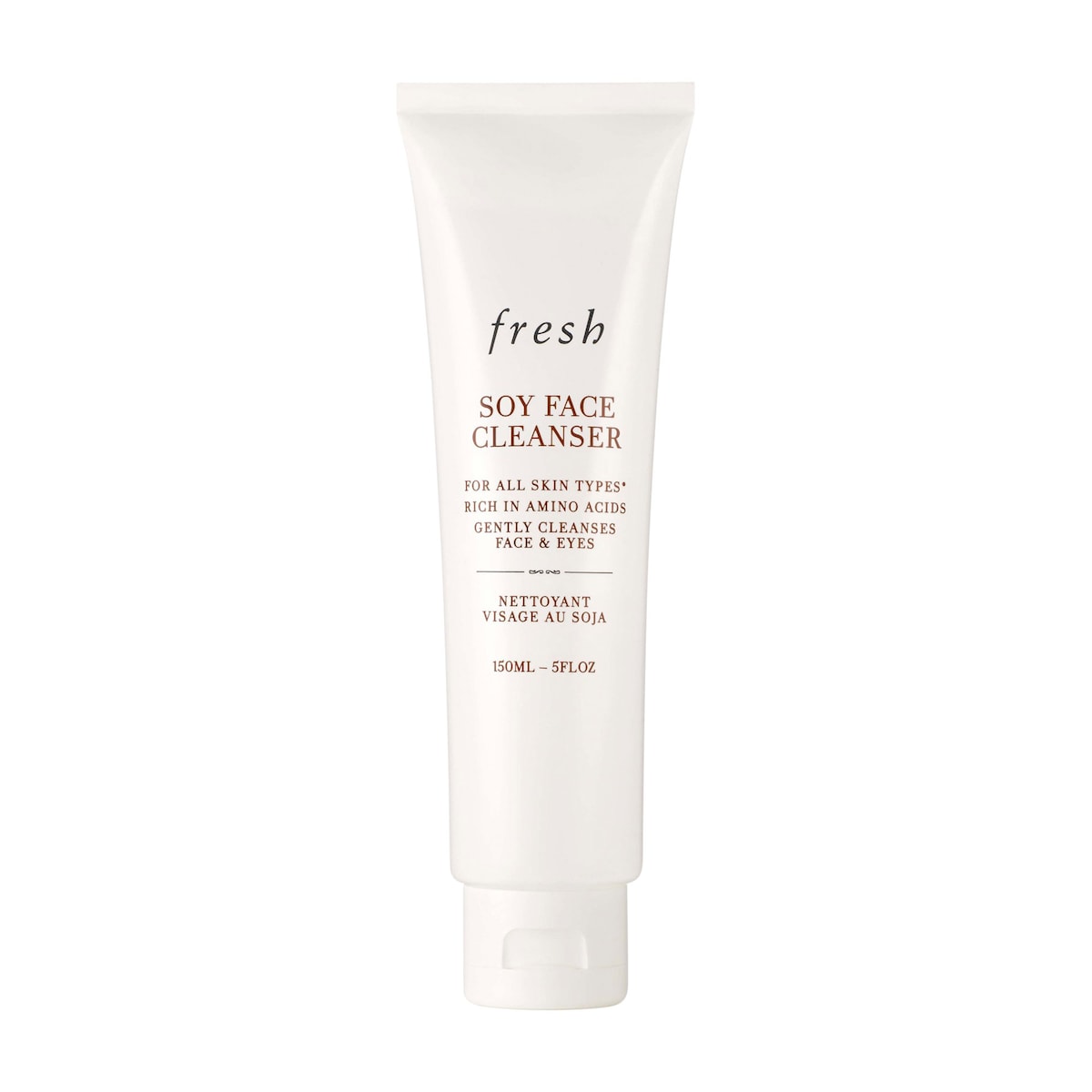 | fresh Soy Hydrating Gentle Face Cleanser | A familiar gentle-cleanser lane for nights when the treatment is doing the work. |
| Exfoliation night | 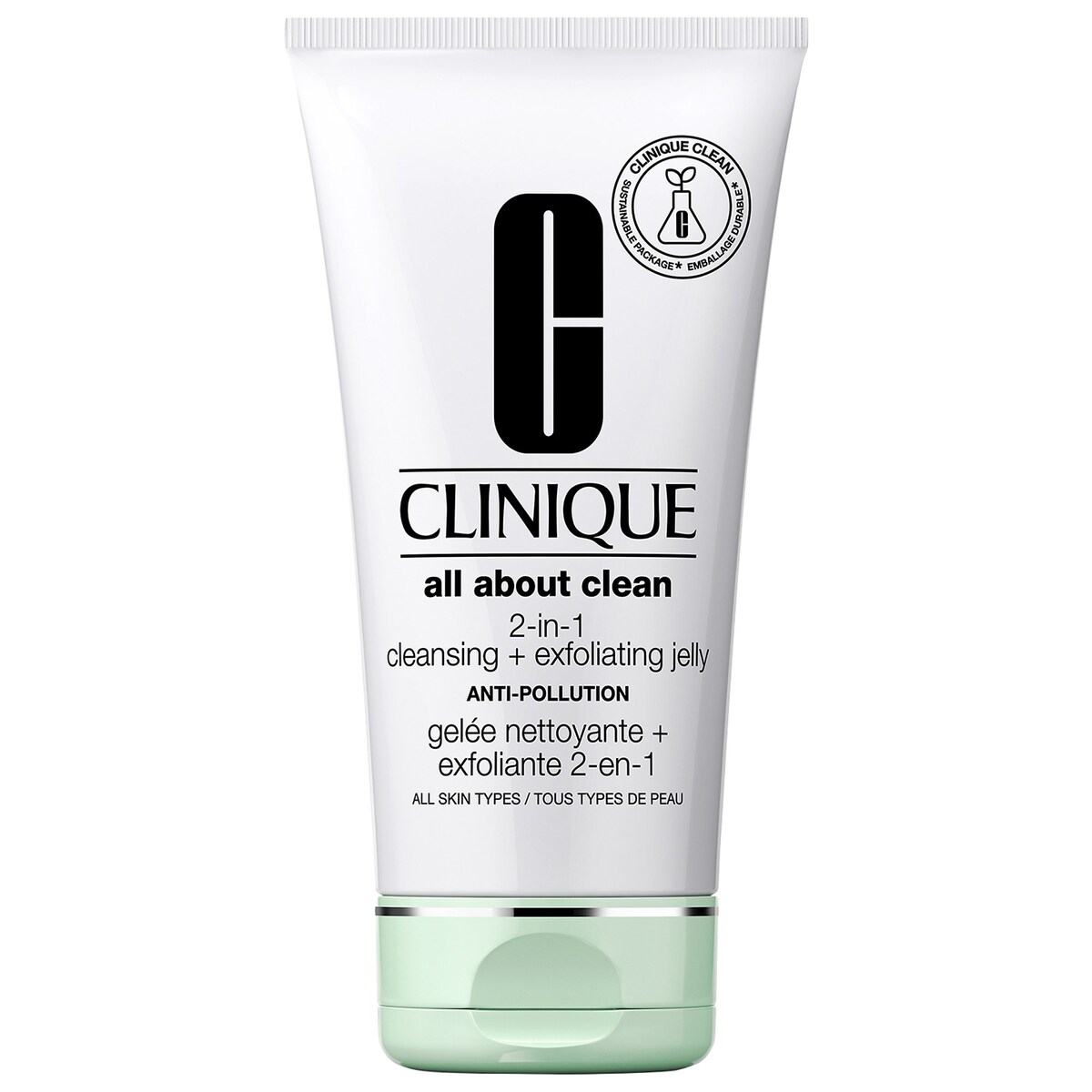 | CLINIQUE All About Clean 2-in-1 Cleansing + Exfoliating Jelly Cleanser with Salicylic Acid | A salicylic-acid route can make sense when clogged pores are the main issue. |
| Retinol night | 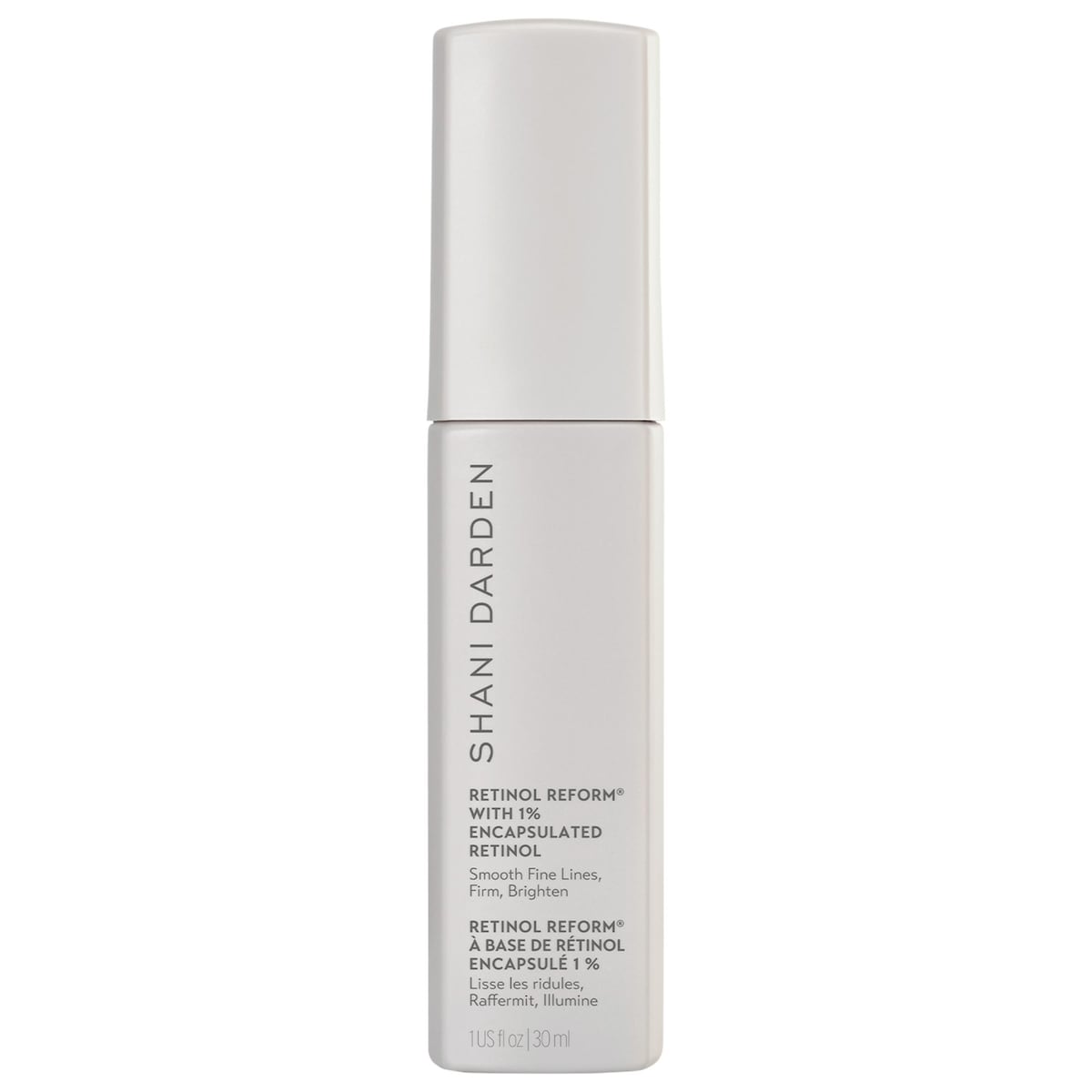 | Shani Darden Skin Care Retinol Reform | A dedicated retinol step belongs on its own night, not stacked with exfoliating acids. |
| Recovery nights | 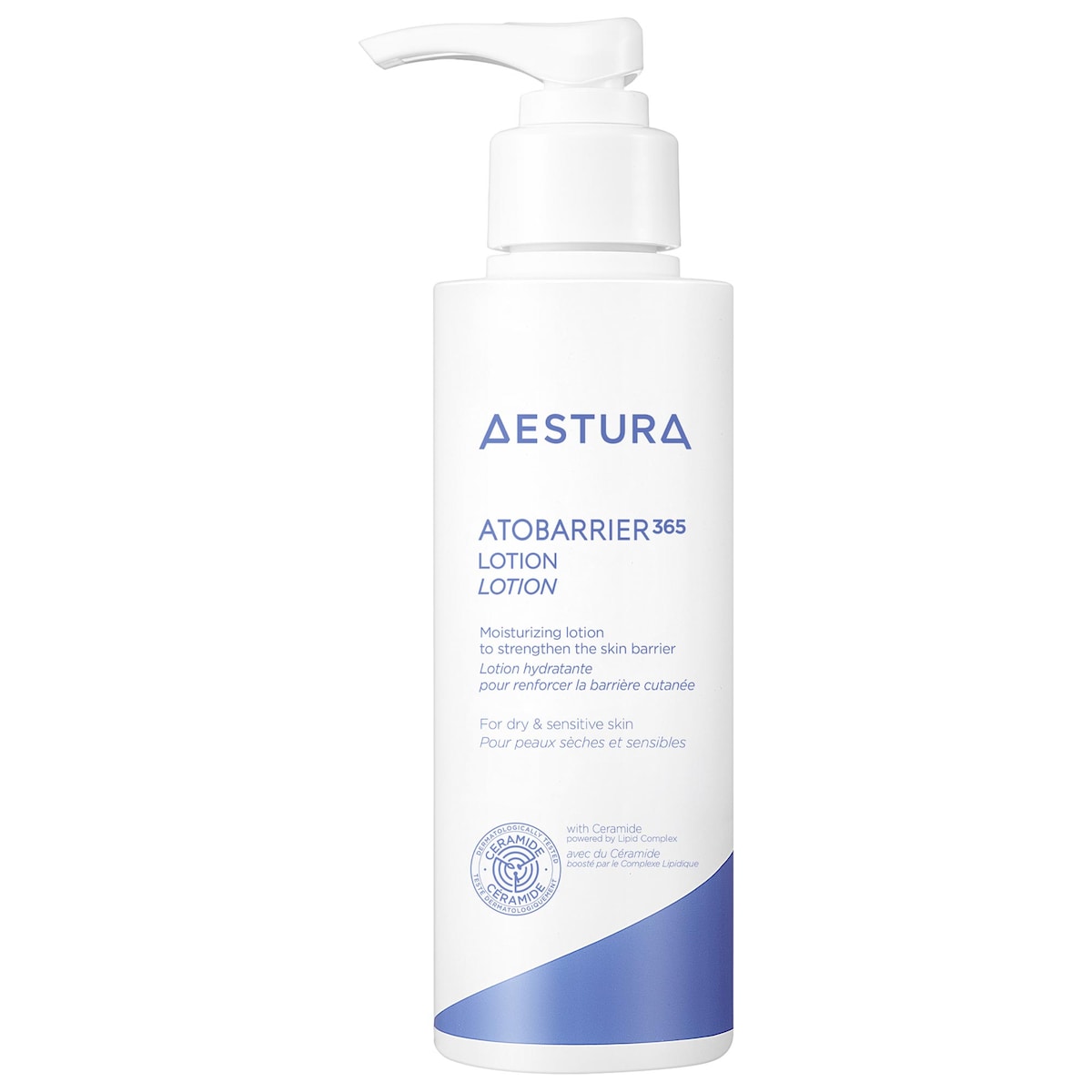 | AESTURA ATOBARRIER365 Lightweight Face Lotion | Ceramide and barrier-support formulas are the kind of plain, useful products recovery nights need. |
| Morning sunscreen | 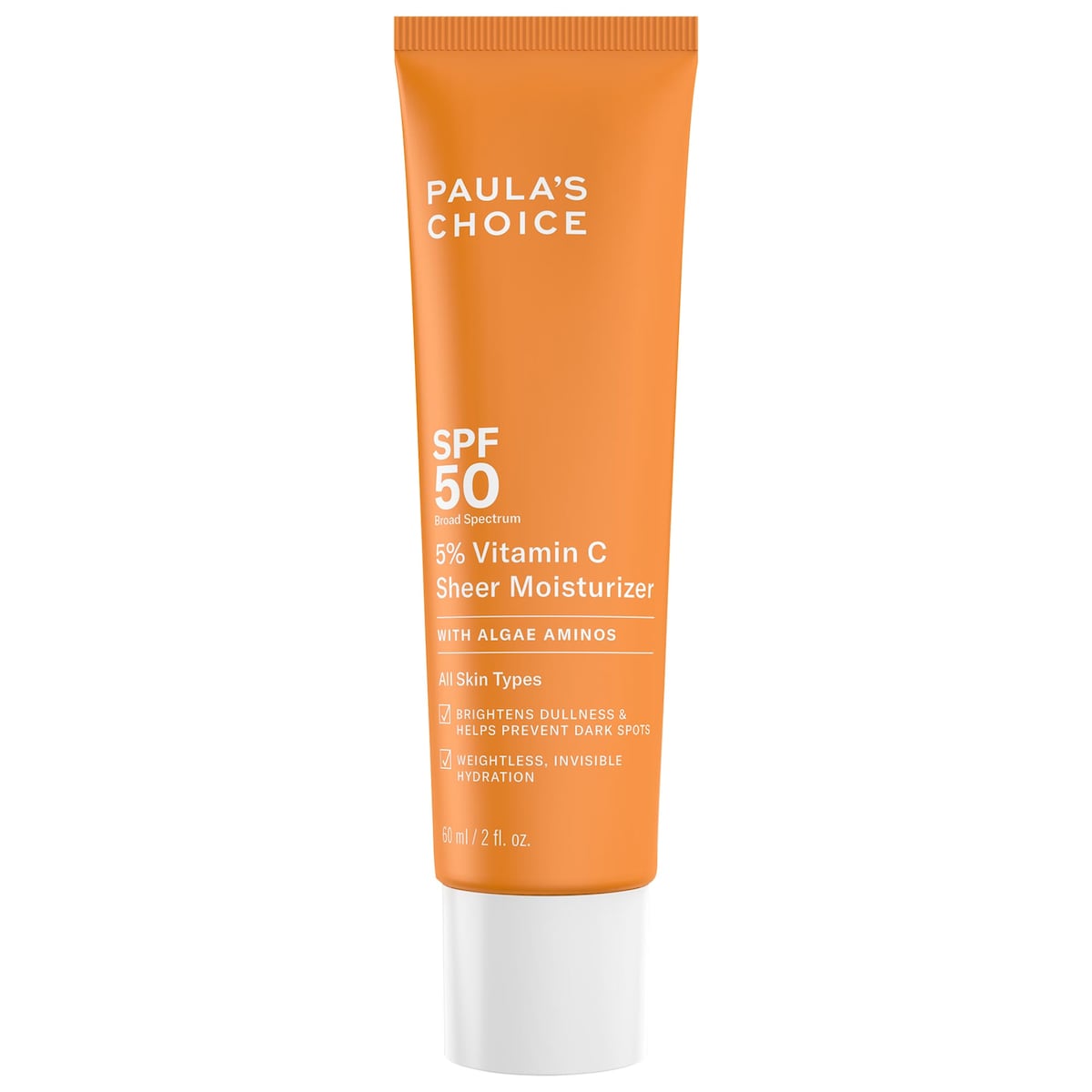 | Paula's Choice 5% Vitamin C Sheer Facial Moisturizer SPF 50 | Sunscreen is the daily protection layer that keeps active nights from becoming a bad trade. |
I like thinking about products this way because it stops the cart from turning into a mood board. A skin cycling routine does not need seven heroic products. It needs a cleanser that does not strip, one exfoliation option, one retinoid option, one recovery moisturizer, and sunscreen you will actually wear.
Everything else has to earn its place.
Night 1: exfoliation should feel precise, not dramatic
The first night is where people get tempted to prove something.
I get it. Exfoliation gives quick feedback. Skin can feel smoother by the next morning, pores can look a little clearer, and dullness can soften fast. That makes it easy to think stronger equals better.
It usually does not.
On exfoliation night, I want one active exfoliating product. Not an exfoliating cleanser plus an acid toner plus a peel pad plus a brightening serum with more acids buried in the ingredient list.
One product.
Then stop.
If your skin is oily or clog-prone, a BHA like salicylic acid may make more sense because it is often used for congestion and pores. If your skin is dry, dull, or rough on the surface, a gentler AHA lane may feel more relevant. If your skin is sensitive, I would start even slower: a mild acid, less often, and more recovery time.
I would skip physical scrubs here. Not because every scrub is evil, but because most people who are drawn to skin cycling are already dealing with irritation, texture, or overdoing actives. Adding friction on top of that often makes the routine harder to read.
The goal of night 1 is not to peel your way into a new face.
The goal is to clear enough surface buildup that the routine feels smoother without making night 2 harder.
Night 2: retinol night is where patience pays
Retinol is the night I respect most.
Not fear. Respect.
It can be useful for texture, fine lines, uneven tone, and long-term skin quality. It also has a way of punishing impatience. Too much, too often, too soon, and suddenly the routine that was supposed to make your skin smoother makes it flaky, tight, and reactive.
On retinol night, I would cleanse, let my skin dry, apply a small amount of retinol, then moisturize. If my skin is sensitive, I would use the moisturizer sandwich: moisturizer first, retinol, moisturizer again. It can make the step feel less intense without removing the structure of the night.
I would not exfoliate on this night.
I would not add a peel pad.
I would not decide that a little glycolic acid under retinol is fine because my skin looked dull that afternoon.
That is how routines become unreadable. If you wake up irritated after stacking three actives, you do not know which one caused the problem. You only know your face is annoyed and your confidence in the routine is lower.
Retinol night should be boring enough that you can repeat it.
That is the whole point.
Nights 3 and 4: recovery nights are not lazy nights
This was the part that changed how I saw the routine.
Recovery nights are not nights where nothing happens. They are the nights that make the active nights tolerable.
I used to think progress lived only in the obvious treatment steps. Acid. Retinol. Brightening serum. Mask. Peel. Something with a claim that made me feel productive.
Now I think recovery is where the routine becomes sustainable.
On recovery nights, I want the least confusing version of the routine: gentle cleanse, hydrating serum if my skin is dehydrated, moisturizer, and maybe a small amount of petrolatum or a richer balm only on dry patches. No exfoliating toner. No retinol. No sneaky treatment mask. No "just this once" active because I am bored.
If a product tingles on recovery night, I do not romanticize it.
I pause and read the label.
Recovery should feel comfortable. If everything stings, that is information. It may mean the exfoliation night was too strong, the retinol night was too ambitious, or the whole cycle needs more rest before it repeats.
The best recovery nights leave your skin quieter by morning.
Not glassy in a forced way. Quieter.
The weekly version if a four-night loop annoys you
Some people hate rotating cycles because the days drift. Night 1 is Monday one week, Friday another week, Tuesday after that. I understand that. A routine you cannot remember is not really a routine.
If you need the same weekly rhythm, I would use this:
| Day | Night routine |
|---|---|
| Monday | Exfoliation |
| Tuesday | Recovery |
| Wednesday | Retinol |
| Thursday | Recovery |
| Friday | Recovery or hydration mask |
| Saturday | Retinol only if your skin is calm |
| Sunday | Recovery |
That is not the classic four-night cycle, but it is more livable for people who think in weeks. It also gives sensitive skin more breathing room because exfoliation and retinol do not sit back-to-back.
If you are brand new to retinol, I would make Saturday a recovery night for the first month. Let the routine become familiar before you start tightening the schedule.
The right cycle is the one your skin can tolerate and your life can remember.
How I would adjust it by skin type
The classic cycle is a starting point. It is not a law.
If your skin is dry, I would add more recovery. Dry skin usually does not need a routine that proves how tough it is. It needs fewer stripping moments, a softer cleanser, richer moisturizer, and a slower retinol ramp.
If your skin is oily, I would still avoid the trap of treating oil like dirt. A BHA exfoliation night can be useful, but recovery nights still matter. Oily skin can be dehydrated, irritated, and barrier-stressed too.
If your skin is sensitive, I would stretch the cycle. Exfoliation, recovery, retinol, recovery, recovery, recovery. Six nights is not failure. It is pacing.
If your skin is acne-prone, I would be careful about turning skin cycling into a replacement for an acne plan. Some acne routines need consistency with specific ingredients or prescriptions. If you are using prescription tretinoin, benzoyl peroxide, antibiotics, or a dermatologist-built routine, do not casually rearrange everything around a trend.
If your skin is dealing with dark spots, I would keep the cycle gentle because irritation can make discoloration more stubborn for many people. Sunscreen becomes non-negotiable. Brightening ingredients can help, but they work better when the routine is not constantly inflaming the skin.
The pattern is simple: the more reactive your skin is, the more recovery you add.
The mistakes that made my skin worse
The first mistake is using recovery nights as "miscellaneous treatment nights."
That ruins the whole structure. If night 3 becomes a vitamin C peel mask, and night 4 becomes a dark-spot serum with exfoliating acids, you are not recovering. You are just running a quieter version of active overload.
The second mistake is changing products too quickly.
If you start a new exfoliant, a new retinol, a new moisturizer, and a new sunscreen in the same week, your skin has no way to tell you what worked. I would rather change one category at a time and keep notes for two cycles.
The third mistake is ignoring the morning.
If your morning cleanser strips your face, your sunscreen pills, and you skip moisturizer because you are rushing, the night routine has to compensate. Skin cycling works better when the morning routine is calm and consistent.
The fourth mistake is mistaking peeling for proof.
Some flaking can happen when starting retinoids. That does not mean your routine is automatically working better. If your face feels hot, tight, itchy, shiny in a plastic-wrap way, or unusually sensitive to products that used to feel fine, I would pull back.
Progress should not require pretending irritation is discipline.
When I would stop the cycle and reset
I would stop skin cycling for a while if my skin started burning with plain moisturizer, if redness lingered into the next day, if flakes turned into raw patches, or if breakouts suddenly looked more inflamed than usual.
The reset does not need to be dramatic.
For a week or two, I would use the plain routine:
- gentle cleanser at night
- moisturizer
- sunscreen every morning
- no exfoliating acids
- no retinol
- no strong masks
- no new "rescue" serum
That last one is hard. When skin is upset, the instinct is to buy the fix. But often the fix is fewer variables.
If you have eczema, rosacea, psoriasis, active infection, open skin, a recent peel or laser treatment, or you are pregnant, breastfeeding, or trying to conceive, I would not treat a blog routine as enough guidance. That is a dermatologist conversation.
Skin cycling is a framework. It is not medical care.
How Glass makes the routine easier to read
The hardest part of skin cycling is not understanding the four nights.
It is remembering what you actually did.
That is where Glass is useful. When you are rotating exfoliation, retinol, recovery, sunscreen, and skin scans, memory gets unreliable fast. I like tracking the routine because it turns the whole thing from a vague feeling into a pattern.
Maybe your skin looks better after two recovery nights.
Maybe your texture improves when exfoliation happens once a week, not twice.
Maybe your breakouts line up less with products and more with skipped sleep, stress, or inconsistent sunscreen.
You do not need to obsess over every pore. You just need enough history to stop guessing.
Glass helps with that by keeping your routine, progress photos, skin scans, and consistency in one place. The win is not having a perfect routine on paper. The win is being able to see what your real routine is doing over time.
That is the part most skincare advice leaves out.
My simplest recommendation
If you are overwhelmed, start with four products.
A gentle cleanser. One exfoliant. One retinol. One barrier moisturizer. Then keep sunscreen steady every morning.
Do that for a month before adding more.
Not because a month is magic. Because you need enough repetition to see whether the structure is helping. Skin changes slowly, but irritation shows up quickly. That means the first few cycles are mostly about tolerance, comfort, and consistency.
The glow can come later.
I would rather have a routine that my skin trusts than a routine that looks impressive in a bathroom shelf photo.
Skin cycling gave me a cleaner way to think about that. Active nights do the pushing. Recovery nights make the pushing possible. The whole routine works only when both sides get respected.
That is the version I would keep.
FAQ
Can I use vitamin C while skin cycling?
I would usually keep vitamin C in the morning if your skin already tolerates it. If your routine is new or your skin is reactive, pause it for the first few cycles so you can read how exfoliation and retinol are affecting you.
Can I use niacinamide on recovery nights?
Yes, if your skin likes it and the formula is not secretly packed with other actives. Niacinamide can fit nicely on recovery nights, especially when the goal is barrier support, oil balance, or uneven tone support.
Should exfoliation night come right before retinol night?
The classic cycle puts exfoliation before retinol, but sensitive skin may do better with a recovery night between them. If your face feels tight or stingy on retinol night, add space.
How long before skin cycling works?
Comfort can improve within a few cycles if your old routine was too aggressive. Texture, tone, fine lines, and acne patterns take longer. I would give a calm routine several weeks before judging it, unless irritation tells you to stop sooner.
Is skin cycling good for beginners?
It can be, because it gives beginners a simple schedule. The key is choosing beginner-friendly strengths and adding recovery before your skin asks for it.
What should I read next?
If your main issue is order, start with morning and night skincare routine order. If your barrier already feels stressed, read skin barrier repair routine. If you are trying to build a routine you can repeat, use how to build a skincare routine you'll actually follow.