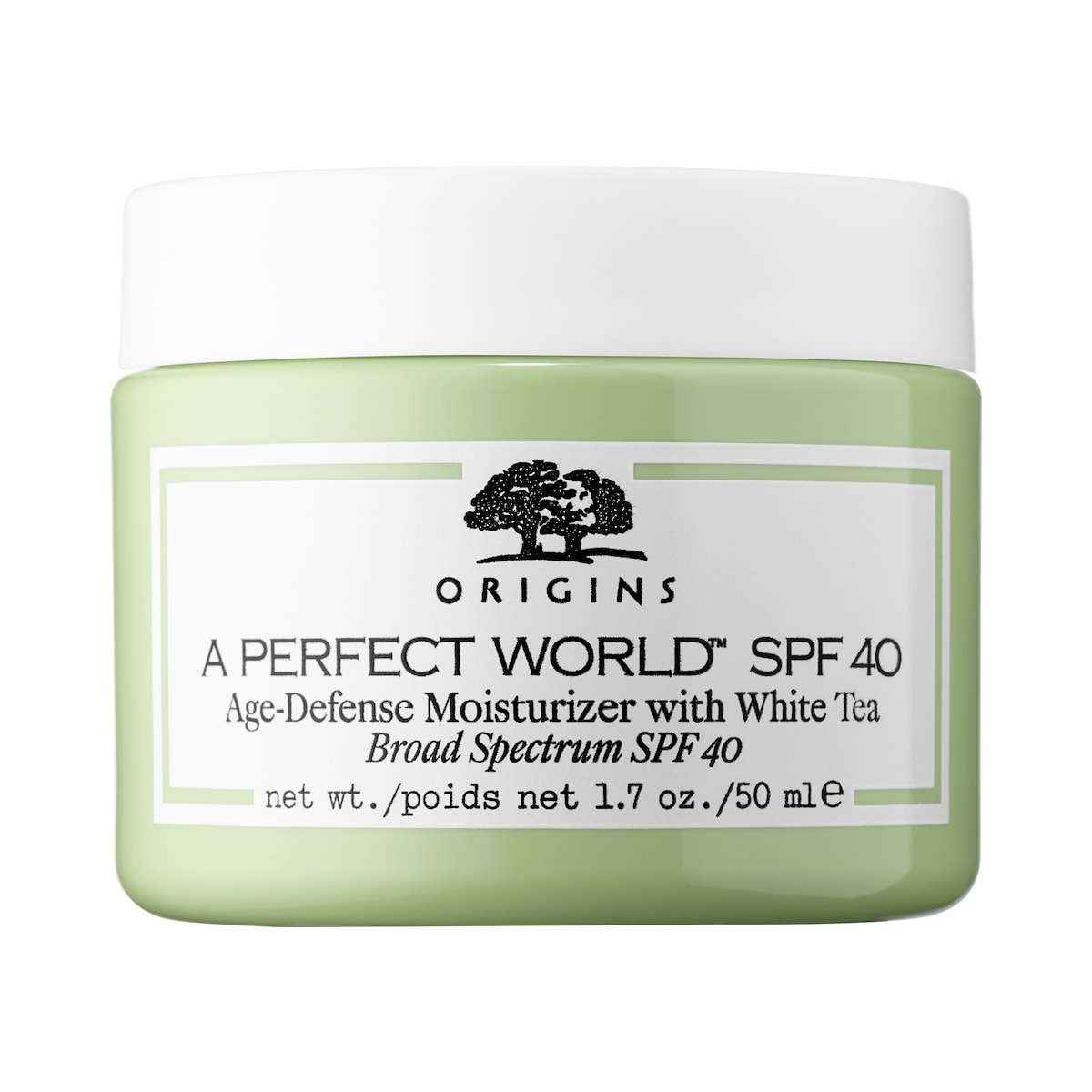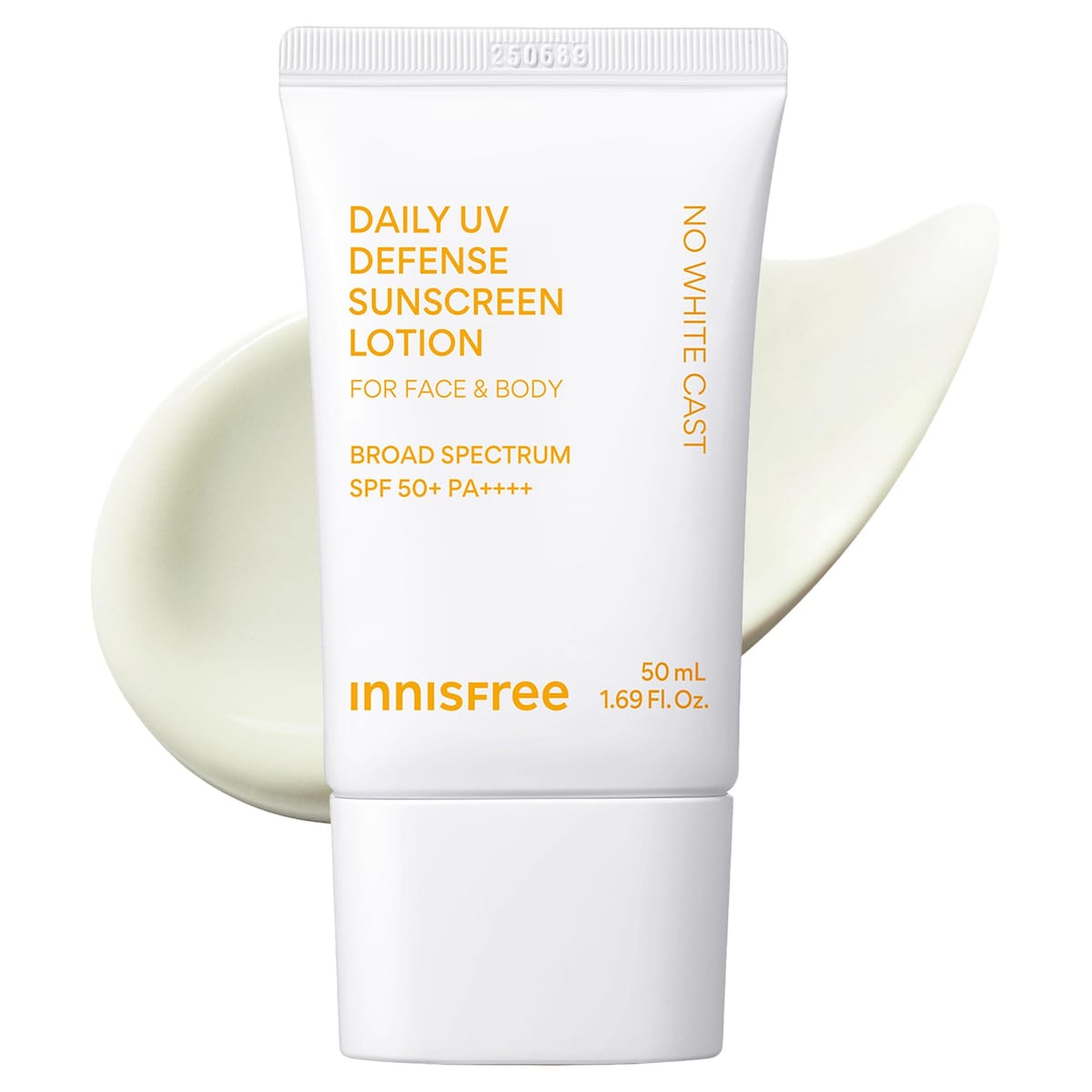
It looked like eraser dust.
That was the part that annoyed me most.
I would do the whole morning routine, wait just long enough to feel responsible, put sunscreen on top, and suddenly my face would start rolling up in tiny gray-white bits. Sometimes it happened near my jaw. Sometimes around my nose. Sometimes it waited until foundation touched my cheeks.
For a while, I blamed the sunscreen.
Then I blamed the moisturizer.
Then I blamed my skin.
The truth was less dramatic. My routine underneath was not giving each layer a fair chance to sit down before the next one arrived.
By April 2026, the fix that finally made sense was not buying a completely new shelf. It was treating morning skincare like a layering problem: fewer products, thinner layers, less rubbing, and a sunscreen that was allowed to be the final skincare step instead of another product fighting for space.
Quick answer
If your moisturizer, sunscreen, or makeup keeps pilling, I would fix it in this order:
- Cut the morning routine down to cleanser or rinse, one light moisturizer if needed, sunscreen, then makeup.
- Let moisturizer settle before sunscreen, and let sunscreen set before foundation.
- Use less product underneath sunscreen, not less sunscreen.
- Press sunscreen on instead of rubbing hard in circles.
- Test one side of your face without serum, then one side without moisturizer, to find the layer causing trouble.
- Save heavy creams, facial oils, sticky serums, and richer recovery products for night.
The most important rule is simple: do not reduce your sunscreen amount just to stop pilling. Fix the layers underneath instead.
The routine that stopped the pilling for me
I stopped treating every morning as a chance to use all my good products.
That was the biggest shift.
My skin did not need a serum, a gel cream, a richer moisturizer, a sunscreen, a primer, and a skin tint all stacked before breakfast. Some mornings can handle that. Most cannot. Especially if one product leaves a film, another one is silicone-heavy, and the sunscreen needs to form an even layer on top.
The routine that finally behaved looked more like this:
| Step | What I changed | Why it helped |
|---|---|---|
| Cleanse | I stopped over-cleansing in the morning | Less dryness meant less flaking and less texture for products to catch on |
| Hydrate | I skipped sticky serums on makeup days | Fewer tacky layers meant less rolling under sunscreen |
| Moisturize | I used a thinner layer or skipped moisturizer when sunscreen was creamy enough | Sunscreen had less product underneath to disturb |
| Sunscreen | I applied the full amount in sections and pressed more than rubbed | The film set more evenly |
| Makeup | I waited before blending foundation | Less friction over wet sunscreen meant fewer little balls |
That is not glamorous.
It works.
Pilling is not always dry skin
This confused me for a long time.
When little bits showed up on my face, I assumed my skin was peeling. Sometimes that was true. If I had overdone retinol or exfoliating acids, the texture was coming from my skin itself. No amount of formula matching fixes a barrier that is actively flaking.
But most of the time, the little rolled-up pieces were product. They felt like residue. They appeared while I was rubbing. They got worse when I added foundation. They showed up more in places where I had layered extra moisturizer or sunscreen.
That distinction matters because the fixes are different.
If your skin is actually peeling, the answer is usually barrier recovery: fewer actives, gentle cleansing, richer night moisturizer, and time.
If your products are pilling, the answer is usually layer control: less friction, fewer morning steps, more dry-down time, and better texture matching.
I use this test now:
- If the flakes are there before skincare, my skin is probably dry or peeling.
- If the flakes appear while I rub sunscreen or makeup, the layers are probably clashing.
- If the same product pills even on clean bare skin, that product may simply not suit my face.
- If it only pills over one serum or moisturizer, that underneath layer is the first suspect.
Once I separated those problems, I stopped changing everything at once.
The fastest way to find the problem layer
Do not guess for two weeks.
Do a half-face test.
On one side, do your normal routine. On the other side, remove one product from the stack. Start with the serum, because sticky serums and film-forming hydrators can be sneaky. If that does not change anything, test the moisturizer next. If sunscreen pills on both sides, test the sunscreen alone on clean skin the next morning.
The point is not to prove that a product is bad. A product can be good and still be wrong under a specific sunscreen or foundation.
I think of it like clothing. A soft sweater can be perfect. A satin shirt can be perfect. That does not mean they layer cleanly under the same jacket.
Skincare behaves the same way.
The mistake is judging each product alone when the problem only happens in the stack.
Stop using night products in the morning
This was the quiet fix that made the biggest difference.
Some products belong at night because they are richer, slower, or more protective. That does not make them bad. It makes them bad candidates for a morning routine that has to hold sunscreen and maybe makeup on top.
The products I am most careful with in the morning are:
- heavy barrier creams
- facial oils
- balm-like moisturizers
- thick mineral sunscreens over rich moisturizer
- tacky peptide or hyaluronic acid serums
- silicone-heavy primers layered over silicone-heavy sunscreen
- too many gel textures stacked together
I still like a lot of those products. I just do not force them into the same slot.
If a moisturizer makes my skin feel incredible at night but pills under sunscreen, I do not keep trying to make it a morning product. I move it to night and choose a cleaner morning layer.
That saved me money because I stopped throwing away products that were only failing in the wrong context.
The sunscreen amount still matters
This is where I get strict with myself.
When sunscreen pills, the tempting move is to use less.
I do not like that fix.
If the product only behaves when I use a tiny amount, it is not solving the real problem. Sunscreen needs an even, generous layer to do its job. The better move is to make the routine underneath lighter so the sunscreen can sit properly.
What helped me most was applying sunscreen in sections:
- Cheeks first.
- Forehead next.
- Nose, chin, and jaw after.
- A light second pass over easy-to-miss areas.
I press and spread. I do not grind it into the skin like I am trying to polish a sink. Rubbing too hard is one of the fastest ways to disturb the film and start the rolling.
If I am wearing makeup, I give sunscreen time to set before foundation. Not because I enjoy waiting. Because blending foundation into half-set sunscreen is basically asking the layers to fight.
Product lanes that usually behave better
I would not buy every product here.
That would miss the point.
I would pick the missing role: a lighter moisturizer, a sunscreen that can double as moisture, or a richer night product that lets the morning routine stay lean.
| Product | Image | Best role | Who it makes sense for | Who should skip it |
|---|---|---|---|---|
| The Ordinary Natural Moisturizing Factors + Hyaluronic Acid | 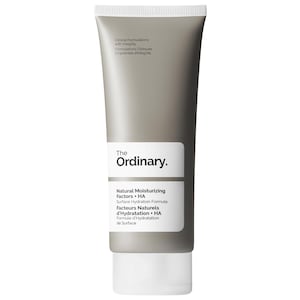 | Simple morning moisturizer | Someone who wants a low-drama layer before sunscreen | Anyone who needs a very elegant makeup-prep finish |
| AESTURA ATOBARRIER365 Lightweight Face Lotion |  | Barrier support without a heavy cream feel | Dry or sensitive skin that still needs a lighter daytime layer | Very oily skin that prefers gel textures |
| Skinfix Barrier Balancing Water Cream | 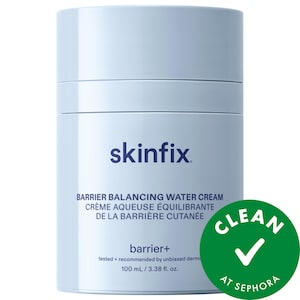 | Lightweight moisturizer for combination skin | Skin that gets dry but cannot handle rich cream under SPF | Very dry skin that needs more cushion |
| Paula's Choice 5% Vitamin C Sheer Facial Moisturizer SPF 50 | 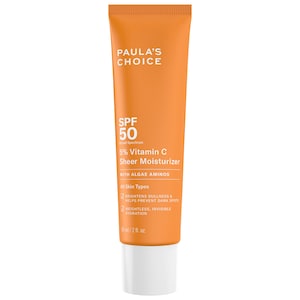 | Moisturizer and sunscreen in one simpler morning step | Someone whose routine pills when moisturizer and SPF are separate | Anyone sensitive to vitamin C formulas |
| Supergoop! Triple Prep Moisturizer SPF 40 | 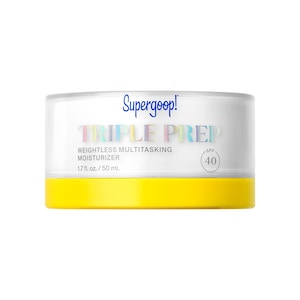 | Streamlined makeup-prep sunscreen | Someone who wants fewer layers before base makeup | Anyone who already has a favorite separate sunscreen |
| SOFIE PAVITT FACE Screentime Hydrating Sunscreen SPF 30 | 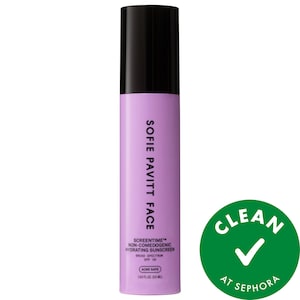 | Hydrating sunscreen for acne-prone routines | People who want sunscreen that does not require a heavy cream underneath | Anyone who needs SPF 50 specifically |
| Dieux Instant Angel Lipid-Rich Moisturizer | 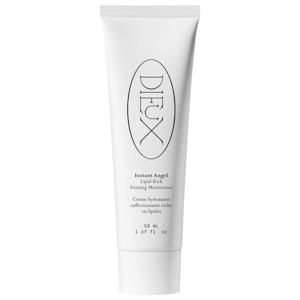 | Night cream to keep mornings lighter | Dry skin that wants barrier support outside the sunscreen stack | Oily skin that hates richer creams |
| Summer Fridays Jet Lag Mask + Moisturizer |  | Night or travel recovery layer | Skin that needs comfort after pilling, dryness, or over-cleansing | Anyone trying to build the leanest possible morning routine |
The product lesson is not "buy these exact eight things."
The lesson is cleaner than that: if sunscreen keeps pilling, your morning stack probably needs fewer textures competing underneath it.
The morning formulas I avoid stacking
Some ingredient families are not automatically bad, but they can make pilling more likely when the routine is already crowded.
I watch for:
- multiple silicone-heavy layers
- oils under water-light sunscreen
- very sticky humectant serums
- rich creams under mineral sunscreen
- makeup primer over a sunscreen that already acts like primer
- too much powder or foundation before sunscreen has set
Again, this is not a moral judgment on ingredients. Silicone can be beautiful in sunscreen and primer. Oils can be great for dry skin. Humectants can make skin look plumper.
The issue is stacking.
If two or three products are all trying to form a film, one of them may start rolling when you rub the next layer on top.
That is why the fix is often less romantic than a new product launch: use fewer layers and let each one settle.
If your skin is dry and everything pills
Dry skin adds another layer to this problem.
Sometimes products pill because the skin surface is uneven, flaky, or dehydrated. In that case, a lighter morning routine helps, but you also need a better night routine.
I would not try to solve deep dryness with a thicker morning stack under sunscreen. That can backfire fast. I would move the heavier work to night:
- gentle cleanse
- hydrating serum or milky toner if needed
- richer moisturizer
- balm only on dry patches
- fewer exfoliating acids until the skin is smooth again
Then the morning can stay cleaner:
- rinse or gentle cleanse
- light moisturizer if needed
- sunscreen
That split matters. Night can repair. Morning has to protect and wear well.
If your face keeps waking up tight, I would fix that first with a dry-skin night routine. If your skin stings easily, I would stay closer to the sensitive-skin night routine. A pilling problem is much easier to solve when the skin underneath is not already irritated.
If makeup is the step that triggers it
Makeup adds friction.
That is the part I used to ignore. My skincare could look fine after sunscreen, then foundation would make everything roll. That did not always mean the sunscreen was bad. It meant the sunscreen was not set enough, the foundation base did not agree with it, or I was rubbing too much while blending.
The fixes I trust:
- let sunscreen set before makeup
- use tapping or pressing motions first
- avoid dragging a brush over freshly applied SPF
- test sponge versus fingers versus brush
- skip primer if sunscreen already has a smoothing finish
- match a dewy sunscreen with lighter base makeup
- avoid heavy powder until the base stops moving
If I need the makeup to last, I simplify the skincare even more. A full product wardrobe under foundation sounds nice until every layer starts moving.
The one-week reset
When I cannot tell what is causing the pilling, I reset for one week.
Morning:
- Gentle rinse or cleanse.
- One light moisturizer only if my skin needs it.
- Sunscreen.
Night:
- Remove sunscreen and makeup.
- Gentle cleanser.
- Moisturizer.
No extra morning serum. No face oil under sunscreen. No active under makeup unless I already know it behaves. No panic-buying a new primer.
After a week, I add one product back at a time.
That is the part people skip. They simplify, the pilling gets better, then they add everything back at once and lose the lesson. I want to know which product earns its spot.
If the vitamin C serum comes back and nothing pills, it can stay. If the moisturizer comes back and sunscreen rolls up again, the moisturizer moves to night or gets replaced. If foundation pills only with one sunscreen, I stop forcing that pairing.
Skincare gets easier when products have to audition for the routine instead of automatically staying because they were expensive.
Where Glass helps
This is exactly the kind of problem that feels small until you try to solve it from memory.
You think you will remember which moisturizer pilled under which sunscreen.
You will not.
Or at least I do not.
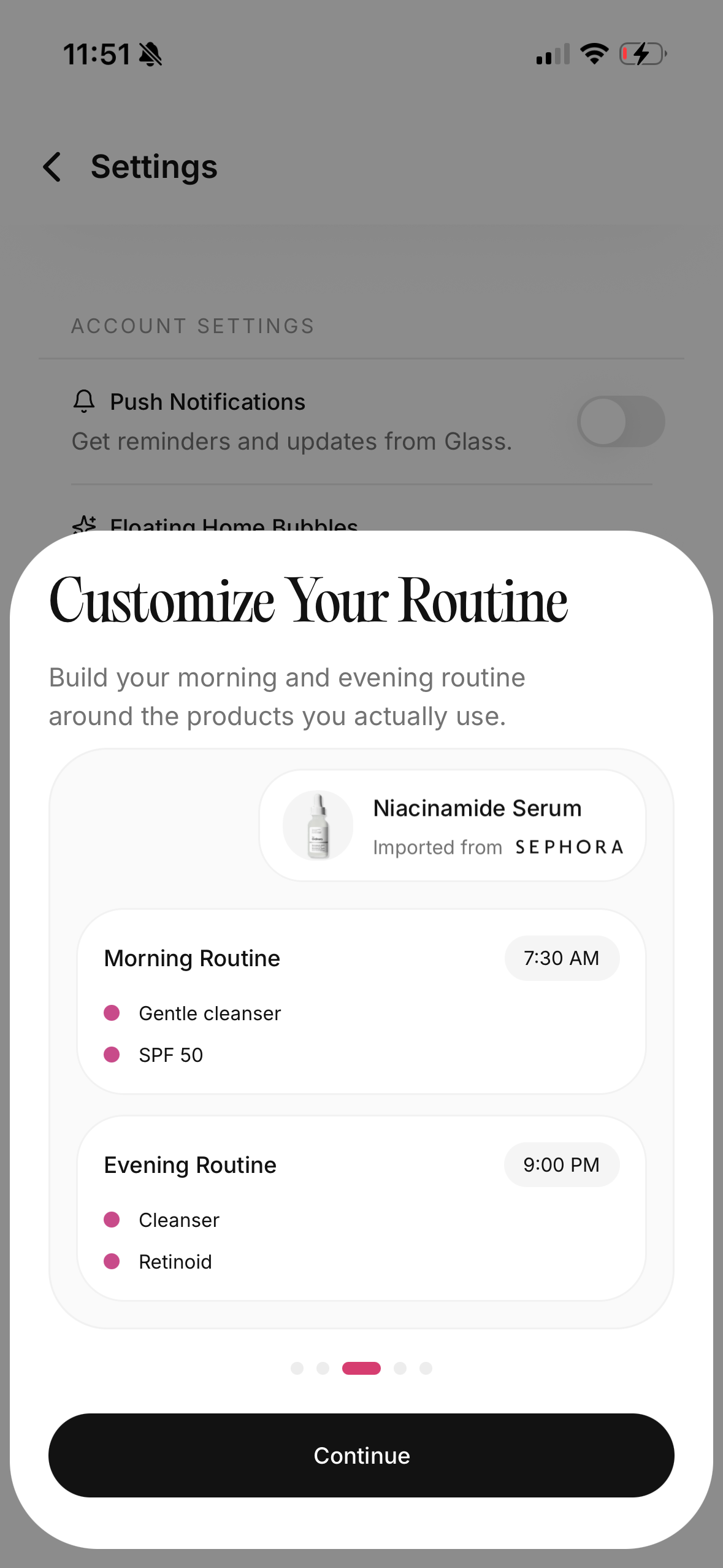
Glass helps because you can keep the routine, product changes, and skin progress in one place. If you strip the morning routine back for a week, you can actually track what changed. If you add the serum back, you can see whether the routine stayed consistent or started getting messy again. If the issue is dryness instead of product pilling, scans and notes make that easier to notice over time.
The point is not to turn pilling into a huge project.
It is to stop guessing.
Use the app to keep the routine honest: what you used, when you used it, what changed, and whether the same problem came back when one product returned.
My final rule now
I do not build morning routines like night routines anymore.
Morning has a job:
- feel comfortable
- protect with sunscreen
- sit well under real life
Night has a different job:
- cleanse properly
- treat if your skin can handle it
- repair and moisturize
When I let those routines be different, pilling became much easier to fix.
The best morning skincare routine is not always the most complete one. Sometimes it is the one that leaves enough room for sunscreen to do its job.
That is the version I trust now.
FAQ
Why does my sunscreen pill over moisturizer?
Sunscreen usually pills over moisturizer when the moisturizer is too heavy, too sticky, not fully settled, or incompatible with the sunscreen texture. Try using a thinner moisturizer layer, waiting longer, or skipping moisturizer on one side of your face to test whether the sunscreen behaves better alone.
Should I use less sunscreen if it keeps pilling?
No. I would not solve pilling by using a tiny amount of sunscreen. Keep the sunscreen amount generous and fix the routine underneath by reducing extra layers, pressing instead of rubbing, and letting each layer set.
Is pilling the same as skin peeling?
No. Pilling is usually product rolling up on the surface while you apply layers. Peeling is skin flaking because it is dry, irritated, or over-exfoliated. If flakes are visible before skincare, treat the skin barrier first. If they appear while rubbing products, troubleshoot the product stack.
Can I wear moisturizer, sunscreen, primer, and foundation together?
Sometimes, yes. But if that stack keeps pilling, simplify. Try moisturizer plus sunscreen first. Then test foundation. Add primer only if it improves the finish. A primer is not automatically helpful if the sunscreen already has a smoothing film.