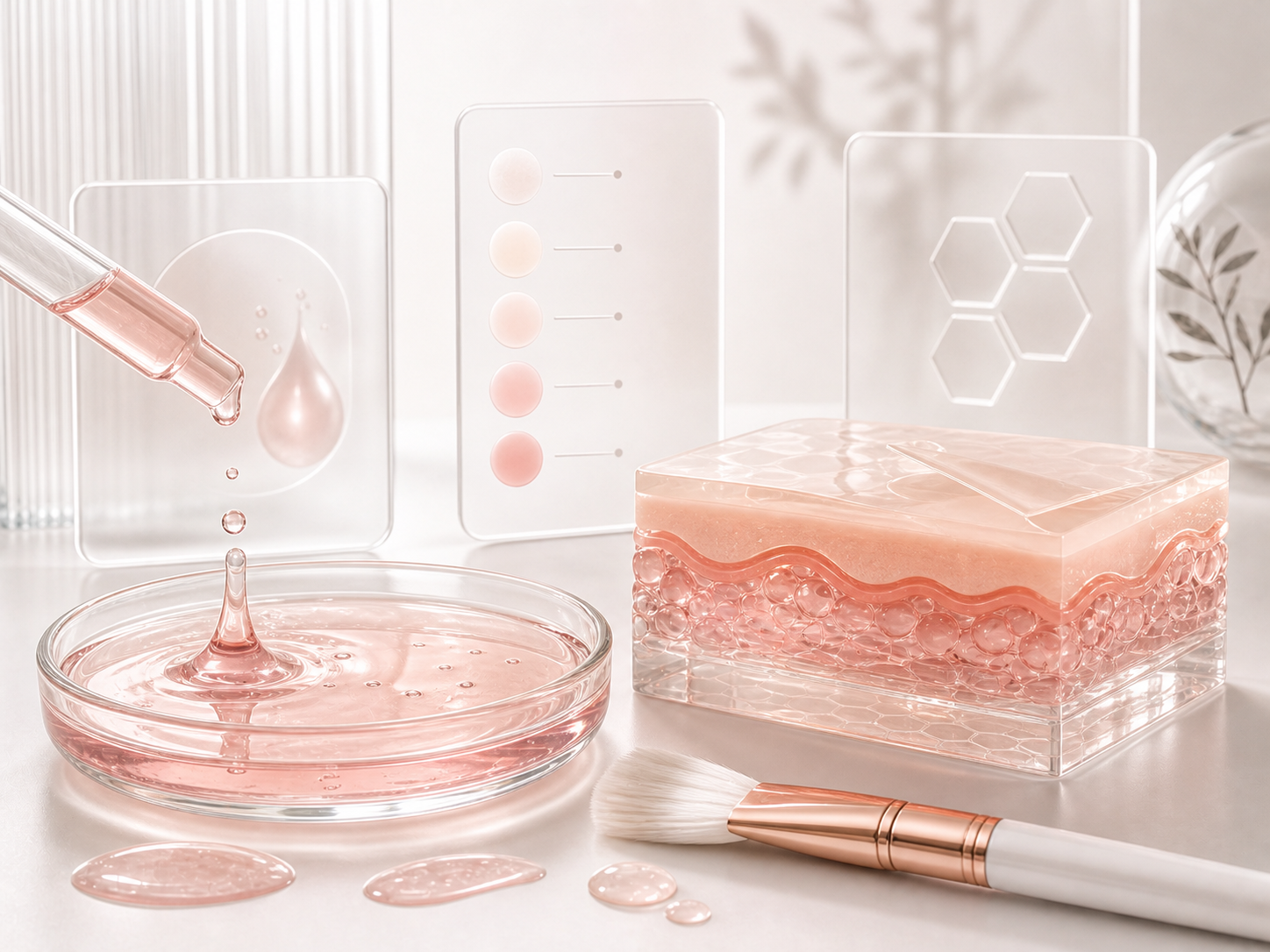
Hydrafacial sounds easy.
Microneedling sounds serious.
That is not the whole story.
If I were comparing skin treatments in Warren, Ohio in May 2026, I would not start by asking which one is more popular. I would start by asking what my skin is actually trying to recover from: clogged pores, dullness, rough texture, acne marks, fine lines, sun damage, dryness, or a face that just looks tired even when the routine is decent.
Those are different problems.
They deserve different appointments.
The mistake is treating Hydrafacial, microneedling, microdermabrasion, DiamondGlow, chemical peels, and laser-style skin rejuvenation like they all live on the same menu line. They do not. Some are glow treatments. Some are texture treatments. Some are maintenance. Some ask your skin to heal. Some are better before an event. Some are better when you have time to look a little flushed, dry, or uneven for a few days.
If I were booking in Warren, I would slow down and sort the treatment before sorting the clinic.
The quick choice
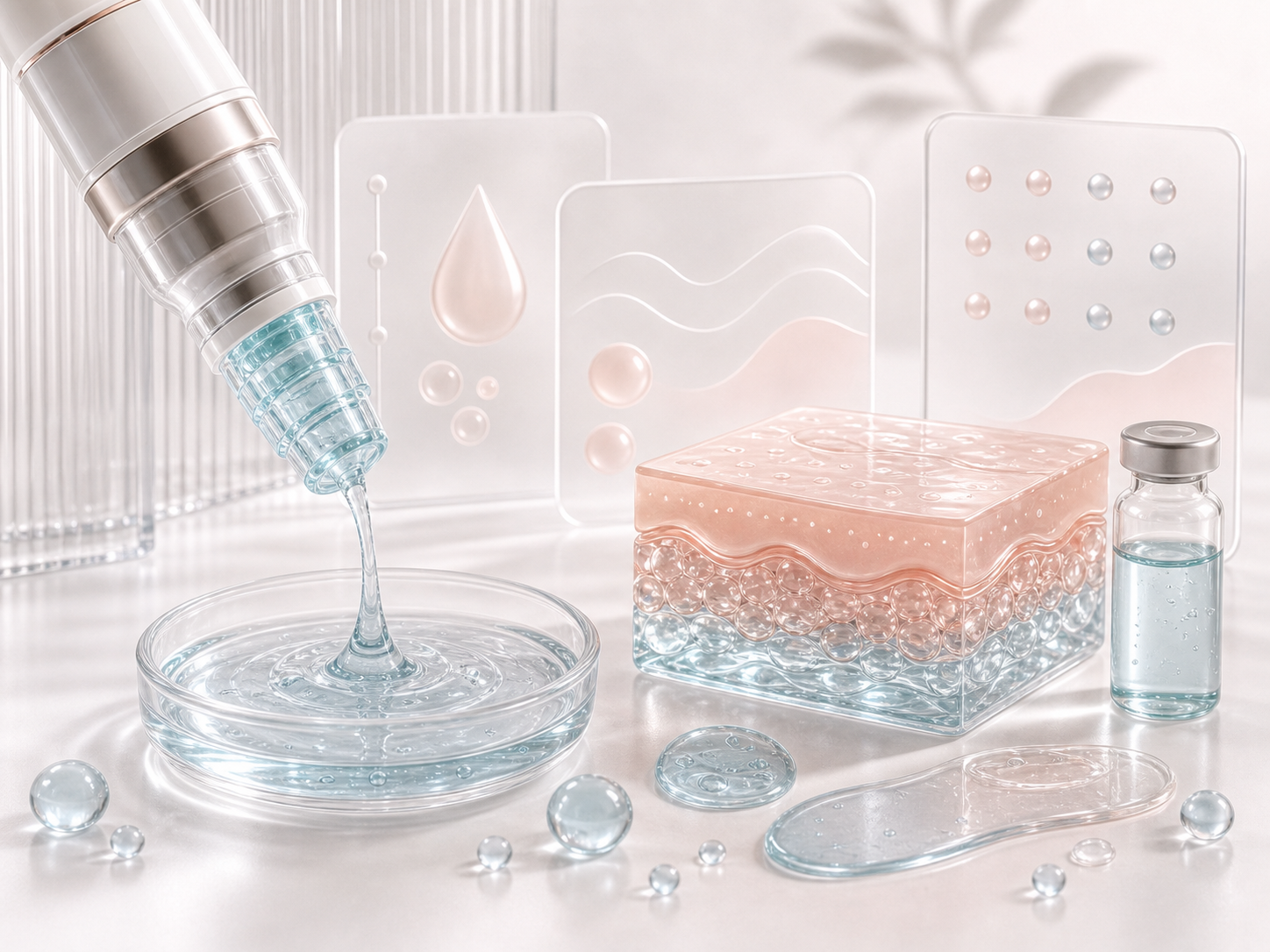
I would choose a Hydrafacial in Warren if my skin felt dull, congested, dehydrated on the surface, oily but tight, or rough in a way that made makeup sit badly. It is the lower-downtime, polish-and-reset lane.
I would choose microneedling only if I had a texture problem that deserved a collagen-stimulation conversation: acne scars, enlarged-looking pores, mild laxity, certain fine lines, or roughness that never really changes after facials. It is not the same kind of appointment.
I would consider microdermabrasion or DiamondGlow if the goal was physical exfoliation plus a smoother finish, but I would ask exactly what machine is being used, how aggressive the pass will be, and whether my skin tone or sensitivity changes the risk.
I would consider a chemical peel if pigment, acne marks, oiliness, or texture were the main concern, but I would want a careful discussion about peel strength, downtime, and post-inflammatory hyperpigmentation risk.
That is the whole frame.
Match the treatment to the problem. Then pick the provider.
What I would open first in Warren

Provider guide
Awaken Aesthetics
Awaken Aesthetics in Warren, OH offers personalized skincare, advanced cosmetic treatments, and rejuvenating facials for radiant, confident results.
Provider guide
Ageless Laser & Skin Med Spa
https://videos.growth99.com/wp-content/uploads/2024/03/Ageless-Laser-Skin-Medspa-Tour-1080p.mp4
Provider guide
Hott Aesthetics
Looking to feel like the most confident and beautiful version of yourself? Dr. Morgan Hott is excited to help you achieve your perfect look and enhance your overall appearance.
Provider guide
The Grand Health & Med Spa
The Grand Med Spa - The Grand Resort More Home Hotel Concierge Salon & Spa Med Spa Golf Conferences & Events Weddings Pools Restaurants & Bars Wine Cigar Lounge Fitness Recreation Racquet Sports Packages Museum Contact Us Activities & Events Earn Rewards Book Your Appointment…
Provider guide
Advanced Dermatology and Skin Cancer Center
The skincare specialists with Advanced Dermatology and Skin Cancer Center offer dermatology treatments to treat a wide range of skin conditions.
Provider guide
Youthology Medspa
Welcome to Youthology Medspa, we offers best aesthetics treatments and rejuvenates your skin appearance and beauty. Call us at (330) 979-2126.
Provider cards are useful because they give you names, locations, and category clues. They are not enough to book from.
For Warren and the wider Youngstown-Warren area, I would compare the local page with nearby treatment pages before deciding whether I needed a facial, a device treatment, or an injectable consult. Start with the Warren skin care directory, then check the Youngstown-Warren Hydrafacial page, Warren microneedling options, chemical peels near Youngstown-Warren, and filler providers near Youngstown-Warren only if the concern starts moving from skin quality into facial shape.
That last distinction matters.
A facial can clean and hydrate skin. Microneedling can work on texture over time. Filler changes volume. Botox changes movement. These should not blur together in a rushed consult.
Hydrafacial is usually the reset lane
Hydrafacial is best when the skin needs a cleaner surface, better hydration, and a smoother look without much downtime. The treatment is typically built around cleansing, exfoliation, suction-based extraction, and serum infusion.
That sounds basic until you compare it with a normal facial. A good Hydrafacial is more structured. A normal custom facial may be more flexible. Neither is automatically better.
I would consider Hydrafacial if my skin had:
- surface congestion
- visible dullness
- dry patches under makeup
- oiliness with dehydration
- mild roughness
- a tired look before photos or an event
- pores that look worse from buildup
I would not expect it to fix deep acne scars, melasma, broken capillaries, cystic acne, etched lines, or laxity. It may make the skin look fresher, but it is not a replacement for dermatology or a longer treatment plan.
The call I would make before booking is simple: "Is this the branded Hydrafacial treatment, and which level am I choosing?"
Some clinics use Hydrafacial as a brand name. Some use hydrofacial more loosely. Some include dermaplaning, boosters, LED, masks, or lymphatic drainage. None of that is bad if it is explained clearly. It becomes annoying when the price changes after you are already in the room.
Microneedling is the repair lane
Microneedling is a bigger decision because it creates controlled micro-injuries in the skin. The goal is not instant polish. The goal is to trigger a healing response that can support collagen remodeling over a series of treatments.
That is why I would not book it casually.
I would ask about microneedling if I had acne scars, texture that never improves with facials, certain fine lines, crepey areas, or a rough surface that needed more than exfoliation. I would also ask whether the provider is using standard microneedling, RF microneedling, PRP, exosomes, or another add-on, because those are not the same conversation.
In Warren, you may see microneedling discussed beside Hydrafacial, Sylfirm X, laser resurfacing, injectables, and broader skin rejuvenation. I would keep those categories separate in my head.
Microneedling should come with:
- a real skin assessment
- a discussion of scar type or texture concern
- a plan for numbing
- clear aftercare
- sunscreen rules
- a timeline for redness and recovery
- spacing between sessions
- reasons they would not treat you that day
The last one tells me a lot. A good provider can say no when the skin is not ready.
Microdermabrasion and DiamondGlow sit in the middle
Microdermabrasion and DiamondGlow can sound like lighter versions of the same thing, but I would still ask questions.
Both are exfoliation-forward. Both can help with a smoother surface. DiamondGlow is often described as exfoliation with extraction and serum infusion, which puts it closer to the polished-skin lane. Microdermabrasion is more classically a mechanical exfoliation treatment.
I would consider either if my issue was surface roughness, dullness, or mild buildup. I would be more cautious if my skin was inflamed, rosacea-prone, recently peeled, sunburned, or likely to hyperpigment after irritation.
The question I would ask is not "Which one is better?"
It is: "Which one is better for my skin this week?"
There is a difference. Your skin after a calm month and your skin after retinoid irritation are not the same skin.
Chemical peels need better timing
Chemical peels can be useful, but I would never treat them like a casual add-on.
A peel may help with texture, clogged pores, post-breakout marks, sun damage, dullness, or uneven tone depending on the acid, strength, layers, and your skin type. It can also irritate the skin if the timing is wrong or the provider does not adjust for your history.
If I were comparing peels around Warren, I would ask:
- What kind of peel is it?
- Is it superficial, medium-depth, or customized?
- How many days of dryness or peeling should I expect?
- What should I stop before treatment?
- What products should I avoid afterward?
- How do you adjust for pigment-prone skin?
- Would you choose this over Hydrafacial for my concern?
I would not book a peel right before a wedding, vacation, photos, or a week where I needed my skin to behave perfectly. Even a mild peel deserves a calendar.
The event-timing rule
If I had an event soon, I would usually choose the lower-drama option.
For a first-time appointment, I would test the treatment weeks ahead, not the day before. Hydrafacial may be low downtime, but low downtime does not mean zero chance of redness, sensitivity, purging-looking congestion, or product irritation.
My rough timing:
| Treatment | When I would test it first | Why |
|---|---|---|
| Hydrafacial | 2 to 4 weeks before an event | Lets you see whether your skin loves the suction and serums |
| Microdermabrasion | 3 to 4 weeks before | Gives redness or dryness time to settle |
| DiamondGlow | 2 to 4 weeks before | Similar polish lane, but still exfoliation-based |
| Light chemical peel | 4 to 6 weeks before | Peeling and pigment risk need more room |
| Microneedling | 6+ weeks before | Redness, dryness, and collagen timeline are slower |
| RF microneedling | 8+ weeks before | More serious downtime and response window |
If I already knew my skin handled a treatment well, I might book closer. If it was my first time, I would not gamble.
The price question I would ask before anything
I would ask for the full price before booking.
Not the starting price.
The full price.
Hydrafacial menus often have tiers. Microneedling may be priced per session or as a package. RF microneedling can cost much more than standard microneedling. Peels may vary by strength. Add-ons can change the visit fast.
I would ask:
"What is included in that price, and what would cost extra during the appointment?"
If the answer is calm and clear, good.
If the answer turns into a vague "we will decide when you arrive," I would ask for examples. I do not need every dollar guaranteed before a provider sees my face, but I do need a realistic range.
No one wants to be half-relaxed in a treatment chair while the appointment becomes a sales conversation.
The skin assessment should happen before the menu
The consultation should not start with a package.
It should start with your skin.
I would want the provider to ask what I use at home, whether I am using retinoids or acids, whether I have had recent procedures, whether I burn or pigment easily, whether I have rosacea, eczema, active acne, cold sores, pregnancy considerations, medication changes, or a history of poor healing.
For Hydrafacial, that context changes suction strength, booster choice, and whether the treatment should happen at all.
For microneedling, it matters even more.
For peels, it is non-negotiable.
If the provider barely looks at my skin and jumps straight to the most expensive option, I would leave. Not dramatically. Just politely.
When I would skip treatment that day
I would skip or reschedule if my skin was angry.
Angry means burning, stinging, peeling, sunburned, windburned, rashy, infected-looking, newly reactive, or covered in open picked spots. It also includes the week after you went too hard with retinoids, acids, benzoyl peroxide, scrubs, or at-home devices.
I would also call before booking if I had:
- active cold sores
- a recent laser treatment
- recent microneedling
- recent filler or Botox in the same area
- a recent peel
- recent waxing
- active cystic acne
- an eczema or dermatitis flare
- a history of keloids
- pregnancy or breastfeeding
- recent isotretinoin use
Some of those do not automatically rule out every treatment. They do mean the provider should decide with full context.
The goal is better skin, not a story about why a facial made everything worse.
Hydrafacial versus microneedling for acne marks
This is where people get disappointed.
Hydrafacial may help skin look cleaner and calmer if congestion and dehydration are part of the problem. It may make fresh marks look less obvious for a few days because the skin is smoother and more hydrated.
But pitted acne scars are different.
If the mark is a dent, a Hydrafacial cannot rebuild that structure. Microneedling, RF microneedling, laser resurfacing, subcision, TCA CROSS, filler, or a combination plan may be discussed depending on scar type and skin tone. That conversation belongs with someone who understands acne scarring, not just someone who sells glow.
If the mark is red or brown discoloration, the answer may involve sunscreen, time, pigment-safe actives, peels, lasers, or prescription guidance. Again, the exact type of mark matters.
Before paying for a series, I would ask the provider to name the concern in plain English: clogged pores, redness, brown marks, rolling scars, boxcar scars, ice-pick scars, texture, laxity, or active acne.
If they cannot name it, I would not buy the plan.
Hydrafacial versus microneedling for fine lines
For fine lines, I would separate dehydration lines from etched movement lines.
If skin looks crepey because it is dehydrated, dull, or flaky, a Hydrafacial may temporarily improve the look. It can make skin reflect light better, which softens the appearance of texture.
If the line is from repeated movement, Botox or another wrinkle relaxer may be the more direct category.
If the line is from collagen loss or texture, microneedling, RF microneedling, resurfacing, or peels may enter the conversation.
That is why I would not walk into a clinic asking for "anti-aging." It is too vague. I would point to the exact thing that bothers me and ask what category treats it best.
The routine I would use around treatment
I would make the routine boring before and after.
Before treatment, I would avoid starting new actives. I would not layer a peel pad, retinoid, scrub, and benzoyl peroxide just because I wanted the appointment to "work better." That is how you arrive irritated.
After treatment, I would keep it simple:
- gentle cleanser
- bland moisturizer
- sunscreen
- no picking
- no strong acids until cleared
- no retinoid until cleared
- no harsh scrub
- no unnecessary new product testing
If I were tracking progress, I would take photos in the same lighting instead of judging my skin in every mirror. The Glass skin analysis app is useful for keeping progress organized without turning every pore into an emergency. If the issue is routine consistency, I would also use a simple skin care schedule app approach so the treatment is not doing all the work alone.
The provider questions I would bring
I would bring a short list and actually ask it.
For Hydrafacial:
- Is this branded Hydrafacial or a hydrofacial-style treatment?
- Which tier do you recommend for my skin and why?
- What booster, if any, would you use?
- Can you adjust suction?
- What should I stop before and after?
- How often would you repeat this if my skin tolerates it?
For microneedling:
- What concern are we treating?
- How many sessions do you think are realistic?
- What device do you use?
- What depth or method is appropriate for my concern?
- What downtime should I expect?
- What would make you postpone treatment?
- How do you reduce pigment risk?
For peels:
- What acid or peel type is this?
- How much visible peeling should I expect?
- Is this safe for my skin tone and history?
- What is the aftercare?
- What results are realistic after one session?
These questions do not make you difficult. They make the appointment cleaner.
How I would decide
If my skin was mostly dull and congested, I would start with Hydrafacial or a custom facial.
If I had real texture or acne scars, I would book a consult for microneedling or another collagen-focused plan, not a glow facial.
If I had brown marks, uneven tone, or stubborn post-breakout discoloration, I would ask about pigment-safe peels, skincare, and sunscreen discipline before chasing every device.
If I had active inflamed acne, I would be careful with any treatment that scrubs, suctions, or injures the skin. I might need acne care first.
If I had a big event soon, I would not experiment.
That is the practical answer.
The bottom line
Hydrafacial, microneedling, microdermabrasion, DiamondGlow, and chemical peels can all make sense in Warren, Ohio. They just do different jobs.
I would use Hydrafacial when I wanted a cleaner, smoother, more hydrated surface with low downtime. I would use microneedling when the concern was deeper texture, scarring, or collagen support and I had time for healing. I would use peels or exfoliation-forward treatments only when the provider could explain the strength, risk, timing, and aftercare clearly.
Do not book the treatment with the best name.
Book the treatment that matches the problem on your face.
Useful references: Hydrafacial treatment information, Ageless Laser & Skin Medspa Hydrafacial in Warren and Boardman, Awaken Aesthetics Hydrafacial in Warren, Youthology MedSpa microneedling in Warren, and AAD on acne scar treatment.