
Sulfur sounds old-school.
That is not a bad thing.
When a breakout routine gets too modern, it can become chaotic fast. A salicylic acid cleanser, a benzoyl peroxide spot treatment, a retinoid, a peel pad, a clay mask, a drying lotion, and then a panicked moisturizer on top. The face gets angry, the breakout looks worse, and the shelf somehow gets more crowded.
That is why Kate Somerville's EradiKate 3% Sulfur Daily Foaming Cleanser caught my attention. It sits in a different lane. It is not a leave-on acid. It is not a retinoid. It is not a mask you keep on until your skin feels tight. It is a sulfur cleanser that can be used like a quick wash, and the real question is whether that makes acne care easier or just adds another drying step.
If I were testing it in May 2026, I would treat it like a targeted tool, not a personality change.
The short answer
I would consider Kate Somerville EradiKate 3% Sulfur Daily Foaming Cleanser if my skin was oily, congested, prone to blackheads, or dealing with small inflamed breakouts that seem to get worse when my routine is too rich.
I would be more careful if my skin was dry, peeling, rosacea-prone, eczema-prone, freshly over-exfoliated, or already using tretinoin, benzoyl peroxide, or strong acids. A cleanser can still irritate. Rinse-off does not mean risk-free.
The product makes the most sense when you want an acne-focused wash that does not stay on the skin all night. It makes less sense when your real problem is a damaged barrier pretending to be acne.
What it is
Kate Somerville EradiKate 3% Sulfur Daily Foaming Cleanser is a foaming acne cleanser built around 3% sulfur. The Sephora listing has it at $17 to $46 depending on size, with 846 reviews and a 4.3-star rating in the Glass product data I checked.

The big promise is simple: help manage breakouts, oil, visible congestion, and the look of clogged pores without turning the routine into a leave-on treatment stack.
That last part matters. A cleanser is not the same commitment as a serum. You apply it, massage briefly, rinse, and move on. For acne-prone skin that gets irritated by too many leave-on actives, that can be the appeal.
But the formula still has to earn its place. If it dries you out, makes the skin sting, or encourages you to skip moisturizer, it is not helping.
The product role
I would put this in the "active cleanser" category.
That means it should not be judged like a gentle morning cleanse and it should not be stacked casually with every other acne ingredient you own. Its job is to give the routine a breakout-focused cleansing step. It is not supposed to replace moisturizer, sunscreen, prescription care, or a good diagnosis.
The cleanest use case is oily or combination skin that gets clogged but does not want another leave-on acid.
The messiest use case is sensitive skin that is already burning, peeling, and trying to keep up with too many treatments.
| Product | Image | Best fit | Where I would be careful |
|---|---|---|---|
| Kate Somerville EradiKate 3% Sulfur Cleanser |  | Oily, congested, breakout-prone skin that wants an active rinse-off step | Dry, reactive, or over-treated skin |
| Dermalogica Acne Clearing Skin Wash |  | Someone who prefers a more classic acne wash direction | Can be too much if you are already dry from treatments |
| Peace Out 2% Salicylic Acid Acne Gel Moisturizer | 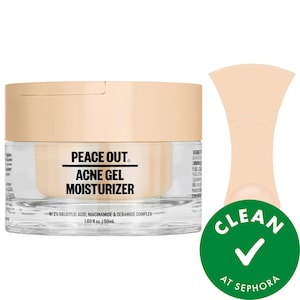 | People who want a leave-on acne moisturizer instead of an active cleanser | Not the same role; easier to over-layer with other actives |
| Skinfix Barrier Restoring Gel Cream | 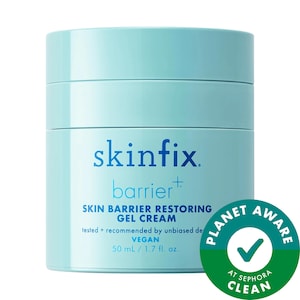 | Oily or breakout-prone skin that feels irritated and under-moisturized | Not an acne cleanser; use it as support, not treatment |
That table is the point. Kate Somerville's cleanser is not automatically better because it is more treatment-coded. It is better only if the routine needs that specific role.
Why sulfur is interesting
Sulfur has a reputation for being blunt.
It can help reduce oiliness and support acne-prone routines, but it can also smell strange, feel drying, or become too much when the rest of the routine is already aggressive. That tradeoff is why I like it better as a planned step than as an emotional purchase.
I would not buy a sulfur cleanser because one angry bump appeared on a Thursday.
I would buy it if the pattern was clear: oily T-zone, recurring clogged pores, small inflamed bumps, and a routine that either does nothing for congestion or uses leave-on actives too often.
That distinction saves skin.
Who I would try it for first
The first person I would try it for is the oily-but-not-fragile person.
Their skin gets shiny fast. Their pores clog easily. Heavy moisturizers make them quit. They may have sebaceous-filament frustration around the nose or chin. They want a cleaner-feeling routine, but they do not want to apply another leave-on treatment at night.
For that person, a sulfur cleanser can be useful because it is contained. Cleanse, rinse, moisturize, stop.
The second person is the breakout-prone person who cannot tolerate leave-on salicylic acid every day. A rinse-off active may be easier to control, especially if used only a few times a week.
The third person is the routine overthinker. If you already have too many acne steps, the product is only useful if it lets you remove something else. Swapping complexity for complexity is not progress.
Who should probably skip it
I would skip this first if the skin is already dry and angry.
Not dry like "I need a little moisturizer." Dry like cleanser stings, cheeks feel hot, flakes catch under makeup, and every active suddenly feels stronger than it used to. That skin does not need a stronger cleanse. It needs a reset.
I would also pause before using it on skin that might not be acne. If the bumps are very itchy and uniform, clustered around the mouth, rashy, burning, or linked to flushing, do not keep treating everything like clogged pores. Acne lookalikes are common enough that the wrong routine can waste months.
If you are under dermatology care, using prescription acne medication, pregnant, trying to conceive, or managing rosacea, ask before treating sulfur like a casual add-on.
How I would start
I would not start this twice a day.
I know the product name says daily. I still would begin more slowly because real skin does not care about label confidence. It cares about total routine load.
My first week would look like this:
| Day | Use |
|---|---|
| Day 1 | Use at night, rinse well, moisturize |
| Day 2 | Use a gentle cleanser only |
| Day 3 | Use at night again if there was no burning or tightness |
| Day 4 | Gentle cleanser only |
| Day 5 | Decide whether skin feels calmer, drier, or just different |
| Days 6-7 | Use one more time only if the barrier still feels normal |
That is conservative. Good. Conservative testing gives you cleaner feedback.
If it works, you can increase slowly. If it dries you out, you have not spent seven straight days damaging the barrier before noticing.
The thirty-second rule
I would keep contact time short at first.
Massage it gently for about thirty seconds, then rinse completely. Do not scrub. Do not use a cleansing brush. Do not leave it on as a mask in the first week just because the product can be used that way by some people.
The temptation with active cleansers is to make them stronger by leaving them longer. That is not testing. That is escalating.
Once the skin has tolerated it several times, you can decide whether a longer T-zone contact makes sense. I would still keep that targeted. Nose and chin congestion does not mean cheeks need sulfur exposure every night.
What I would pair with it
The rest of the routine should get calmer, not louder.
Morning:
- Gentle cleanser or water rinse.
- Lightweight moisturizer.
- Broad-spectrum sunscreen.
Night on sulfur-cleanser days:
- Kate Somerville sulfur cleanser.
- Simple moisturizer.
- Nothing else aggressive unless a clinician told you to use it.
Night on non-sulfur days:
- Gentle cleanser.
- Treatment if your routine already has one and your skin tolerates it.
- Moisturizer.
If you need barrier support, a gel cream like Skinfix Barrier Restoring Gel Cream makes more sense than adding another drying acne product. The boring support step is often what lets the active step work.
What I would not pair with it right away
I would not start this cleanser in the same week as a new retinoid, peel pad, benzoyl peroxide wash, strong vitamin C, exfoliating toner, clay mask, or acne moisturizer.
That is not because those categories are bad. It is because acne-prone people often create their own irritation and then call it purging.
If you add five things and break out, you learn nothing. If you add one cleanser and your skin gets tight by day three, you know exactly where to adjust.
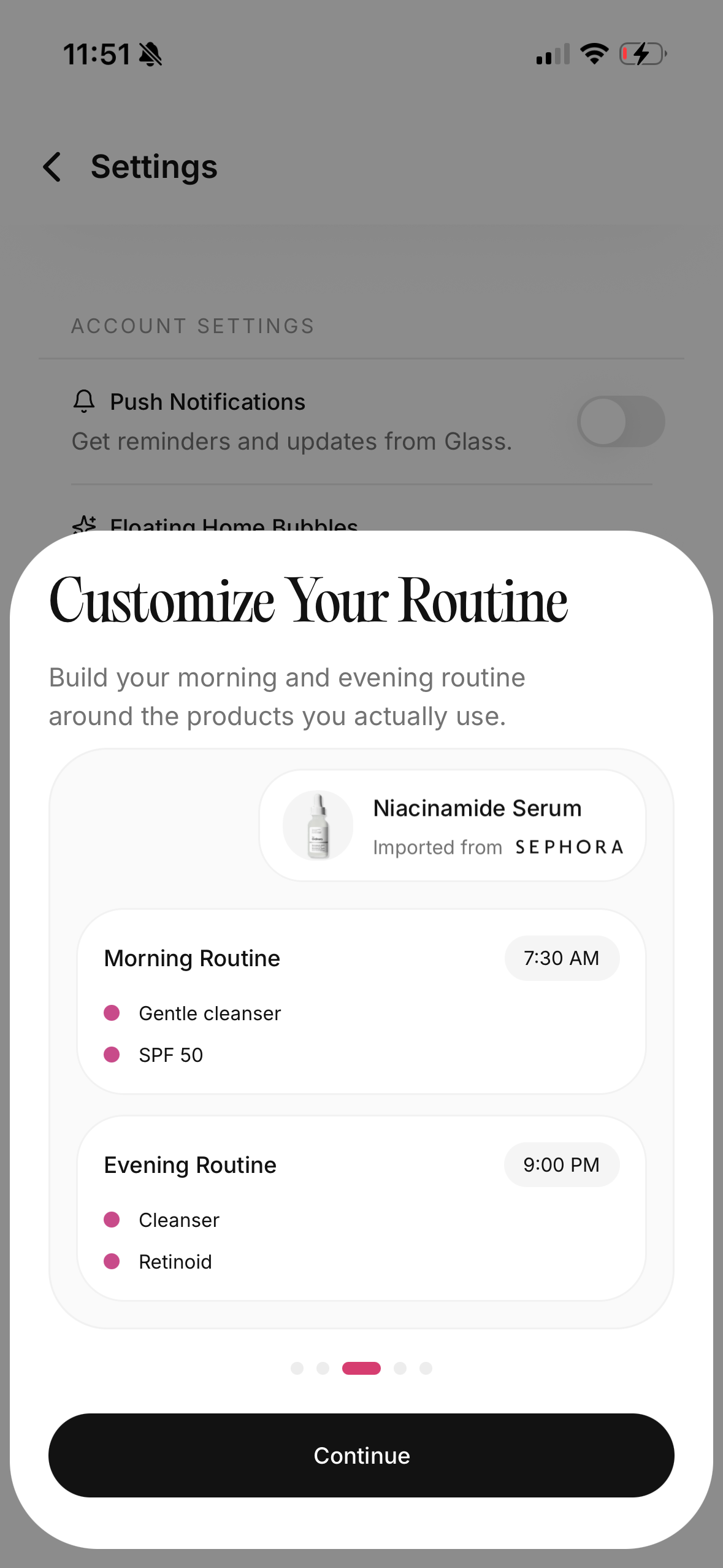
Glass is useful here because you can log the cleanser as one routine change and compare photos without turning your camera roll into a panic folder.
How to tell if it is helping
I would look for less oil slick, fewer new inflamed bumps, and less visible congestion over a few weeks.
I would not expect every closed comedone to disappear in three washes. I would not expect deep cysts to flatten because of a cleanser. I would not expect acne marks to fade just because the product contains an acne ingredient.
The useful signs are more ordinary:
- the T-zone feels clean but not stripped
- new small bumps slow down
- existing clogged areas look less congested over time
- moisturizer still feels comfortable after cleansing
- sunscreen does not sting the next morning
The bad signs are also ordinary:
- tightness that lasts after moisturizing
- burning when applying bland products
- flaking around the mouth or nose
- cheeks getting redder and hotter
- breakouts spreading into places you do not normally break out
If the bad signs show up, do not power through because the cleanser has strong reviews. Your face is the review that matters.
The smell and texture question
Sulfur products can have a reputation for smell. Some people barely notice it. Some people notice it immediately. I would not make smell the deciding factor unless it makes you avoid using the product.
Texture matters more.
An acne cleanser should leave the skin clean enough that you do not feel residue, but not so clean that your face feels polished, squeaky, or tight. Squeaky-clean skin is not a moral achievement. It is often a warning that the cleanser took more than you wanted to give.
If you love the clean feel but your cheeks complain later, use it only where needed or reduce frequency.
Acne, rosacea, and the sulfur overlap
Sulfur comes up in acne conversations and in some redness-prone skin conversations. That does not mean every red bump wants sulfur.
This is where people get into trouble. Papules from acne, rosacea-like bumps, irritation bumps, folliculitis, and perioral dermatitis can overlap visually. A cleanser that helps one pattern can annoy another.
If redness is your main issue, I would make the test even slower. I would patch test, avoid daily use at first, keep the rest of the routine fragrance-free and boring, and stop if flushing or burning increases.
Mayo Clinic and the American Academy of Dermatology both emphasize gentle care and sunscreen habits for rosacea-prone skin. That matters because an active cleanser is not a substitute for a redness plan.
The price question
The full size is not cheap for a cleanser.
That makes the smaller size more useful than usual. If you are unsure, I would rather test the 1 oz size than convince myself the full tube is better value and then quit after three irritating uses.
The value depends on frequency. If you use it two or three times a week, the product lasts longer and functions like a targeted routine step. If you use it twice a day and then need to buy extra barrier products to recover, the math gets worse.
I like acne products that reduce the need for panic buying. If this cleanser helps you stop stacking random spot treatments, it can be worth it. If it becomes one more product in a punishment routine, skip it.
What I would do for different skin types
For oily skin, I would start every other night and judge oil, comfort, and new breakouts after two weeks.
For combination skin, I would use it mostly on the T-zone or use it full-face less often. Cheeks do not need to suffer because the nose is congested.
For dry acne-prone skin, I would only consider it if the acne pattern clearly needs an active cleanser and the moisturizer step is already solid. Otherwise I would fix the barrier first.
For sensitive skin, I would patch test and use it once or twice a week at most in the beginning.
For body breakouts, I would ask whether the issue is sweat, friction, folliculitis, or acne before assuming a face cleanser is the right body treatment. Body skin can tolerate more in some places, but it also has different triggers.
The mistake I would avoid
I would not use this cleanser to chase every bump.
One random pimple does not mean the whole routine failed. A few clogged pores do not mean you need a medicated wash twice daily forever. Acne care works best when the response matches the pattern.
If the pattern is oil and congestion, this cleanser might fit.
If the pattern is irritation, stinging, and random bumps after too many products, the better move is fewer products.
If the pattern is deep painful cysts, scarring, sudden severe acne, or no improvement after consistent care, the better move is a dermatologist.
My bottom line
Kate Somerville EradiKate 3% Sulfur Daily Foaming Cleanser is the kind of acne product I would respect more than I would romanticize.
It has a clear job. It gives oily, congested, breakout-prone skin an active rinse-off option. It can make sense when leave-on acids are too much or when a routine needs a cleaner acne-focused wash. But it can also dry out the wrong skin, especially when layered into an already aggressive routine.
I would start slowly, keep the rest of the routine boring, moisturize every time, and judge it by the full week after cleansing, not the first five minutes.
If your skin gets calmer and the routine gets simpler, it earned the spot.
If your skin gets tighter and the shelf gets more complicated, it did not.
Useful references: Sephora product listing, Ulta product and review page, DailyMed sulfur cleanser label, AAD rosacea skin care tips, and Mayo Clinic rosacea self-care guidance.